Key takeaways
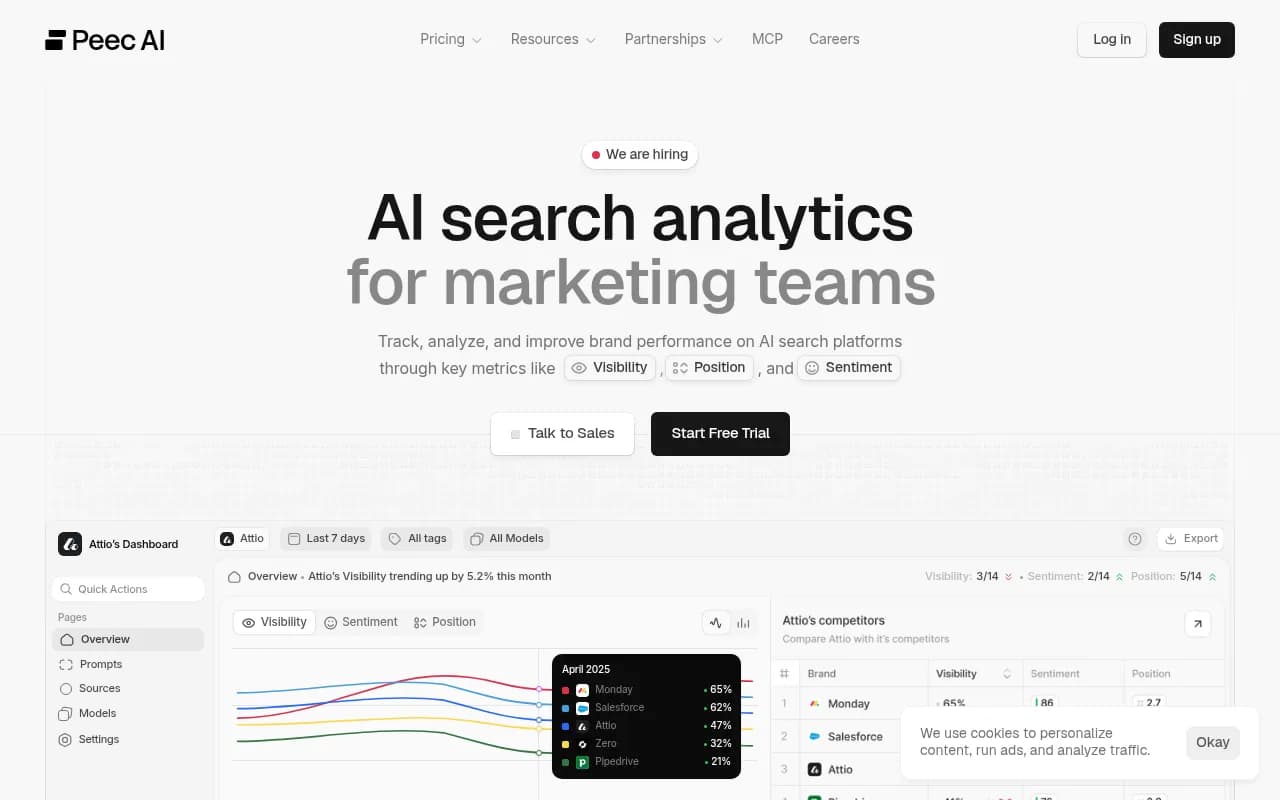
- Peec AI is a solid brand monitoring tool but stops at diagnosis — it tracks mentions without helping you act on them
- Claude, Gemini, and Google AI Mode are locked behind Enterprise pricing, leaving significant coverage gaps on standard plans
- There's no AI crawler log data, no content generation, no ChatGPT Shopping tracking, and no revenue attribution
- Reddit, YouTube, and offsite citation sources that heavily influence AI responses aren't tracked
- Several alternatives cover these gaps at comparable or lower price points
Peec AI has earned a fair reputation in the GEO space. It's clean, relatively affordable, and does the core job of tracking brand mentions across AI search engines without requiring a computer science degree to operate. For teams just starting to think about AI visibility, it's a reasonable entry point.
But "reasonable entry point" isn't the same as "complete picture." The more your team relies on AI visibility data to make decisions, the more the gaps start to matter. And Peec AI has some meaningful ones.
This isn't a takedown. It's a practical look at what the platform doesn't show you — and why that matters in 2026, when AI search has gone from a curiosity to a primary traffic channel for a lot of brands.
1. AI crawler activity on your own site
This is probably the most consequential gap. Peec AI tells you whether AI models are mentioning your brand in their responses. It doesn't tell you whether those models are actually crawling your website, which pages they're reading, how often they return, or whether they're hitting errors when they do.
That distinction matters more than it sounds. A brand can have decent mention counts while AI crawlers are completely ignoring 80% of its content. Without crawler log data, you have no way to know if your pages are being read, skipped, or blocked.
Tools that surface AI crawler logs show you exactly which bots (GPTBot, ClaudeBot, PerplexityBot, etc.) are hitting your site, what they're reading, and when pages move from "crawled" to "cited." Peec doesn't have this. You're flying blind on the infrastructure side.
2. Content gap analysis and content generation
Peec AI tells you where you're invisible. It doesn't tell you why, and it definitely doesn't help you fix it.
There's no feature that maps your current content against AI responses to show which topics or questions you're missing. There's no content brief generator. There's no way to go from "we're not appearing for this prompt" to "here's what we need to publish."
This is the most common complaint in third-party reviews: Peec stops at diagnosis. You get a visibility score, you see that competitors are appearing where you aren't, and then... you're on your own. The platform has no answer for what to do next.
For teams that want a closed loop, where gap analysis feeds directly into content creation and then into tracking whether that content improved visibility, Peec isn't built for that workflow.
3. Claude and Gemini on standard plans
This one is a pricing issue as much as a feature issue, but the effect is the same: if you're on Peec's Pro plan (€199/mo), you're tracking ChatGPT, Perplexity, Google AI Overviews, and DeepSeek. Claude and Gemini require Enterprise add-ons with custom pricing.
That's a real gap. Claude is used by millions of professionals and is increasingly integrated into enterprise software. Gemini is Google's own model, deeply embedded in Workspace and Android. Not tracking these by default means your visibility picture has significant blind spots — and you're paying extra to remove them.
4. Google AI Mode
Google AI Mode is the conversational search experience Google has been rolling out across its main search interface. It's different from AI Overviews (which appears automatically above results) — AI Mode is a full chat-style interface that users opt into.
Peec AI tracks AI Overviews. AI Mode is a separate product with different citation behavior, different source selection, and different user intent patterns. As of mid-2026, it's not included in Peec's standard tracking, which means you're missing a significant and growing slice of Google's AI search surface.
5. Reddit and YouTube as citation sources
Here's something most teams underestimate: AI models don't just cite brand websites. They cite Reddit threads, YouTube videos, forum discussions, and third-party review pages. A lot of the time, those sources are what's actually shaping the AI's answer about your brand.
Peec tracks whether AI mentions your brand. It doesn't track which external sources are influencing those mentions. If a Reddit thread is consistently being cited when someone asks about your product category, you have no visibility into that through Peec's dashboard.
This matters because the fix for poor AI visibility isn't always "publish more content on your own site." Sometimes it's "get mentioned in the right Reddit threads" or "create a YouTube video that answers this specific question." Without that source-level data, you can't make that call.
6. ChatGPT Shopping and product-level tracking
ChatGPT's shopping recommendations have become a meaningful channel for e-commerce brands. When someone asks ChatGPT to recommend a product, the model returns a list with specific items, prices, and links. Appearing in those results is a different game from appearing in a general brand mention.
Peec doesn't track ChatGPT Shopping appearances. There's no SKU-level tracking, no product recommendation monitoring, and no way to see whether your specific products are being surfaced in shopping contexts. For e-commerce teams, this is a significant blind spot.
7. Traffic attribution and revenue impact
Peec shows you visibility metrics: mention rates, share of voice, how often you appear versus competitors. What it doesn't show is whether any of that visibility is actually sending traffic to your site, and whether that traffic converts.
There's no integration with Google Analytics or Search Console that connects AI mentions to actual sessions. There's no revenue attribution layer. You can have a great visibility score in Peec and have no idea whether it's generating any business value.
This is a broader problem in the GEO space, but some platforms have started building attribution bridges. Peec hasn't.
8. Prompt volume and difficulty data
Not all prompts are equal. "Best project management software" gets asked by far more people than "project management software for remote teams in manufacturing." Knowing which prompts are high-volume and which are low-competition is what lets you prioritize where to focus.
Peec's dashboard shows you which prompts you're tracking and whether you appear in them. It doesn't show estimated search or prompt volume, and it doesn't have difficulty scoring. You're essentially picking prompts to track based on intuition rather than data.
Some platforms pull prompt data from real search behavior (People Also Ask queries with actual search volume behind them) to give you a grounded sense of which prompts are worth winning. Peec doesn't have that layer.
9. Offsite citation and entity tracking
Your AI visibility isn't just determined by what's on your website. It's shaped by what's written about you across the web: review sites, industry publications, comparison pages, listicles, Wikipedia entries, and more. AI models pull from all of these.
Peec tracks on-site mentions and brand appearances in AI responses. It doesn't give you a systematic view of which offsite sources are being cited when AI talks about your brand or your category. You can't see which third-party pages are helping or hurting your AI visibility, which means you can't prioritize outreach, PR, or link-building efforts based on what AI models actually read.
How the gaps stack up
Here's a quick comparison of where Peec AI stands against what a more complete platform covers:
| Capability | Peec AI | More complete platforms |
|---|---|---|
| Brand mention tracking | Yes | Yes |
| Claude + Gemini (standard plan) | No (Enterprise add-on) | Yes |
| Google AI Mode | No | Yes (some platforms) |
| AI crawler logs | No | Yes |
| Content gap analysis | No | Yes |
| Content generation | No | Yes |
| Reddit/YouTube citation tracking | No | Yes |
| ChatGPT Shopping tracking | No | Yes (some platforms) |
| Prompt volume/difficulty data | No | Yes (some platforms) |
| Traffic + revenue attribution | No | Yes (some platforms) |
| Offsite citation analysis | No | Yes |
What Peec AI does well (to be fair)
It's worth being honest here. Peec does some things genuinely well.
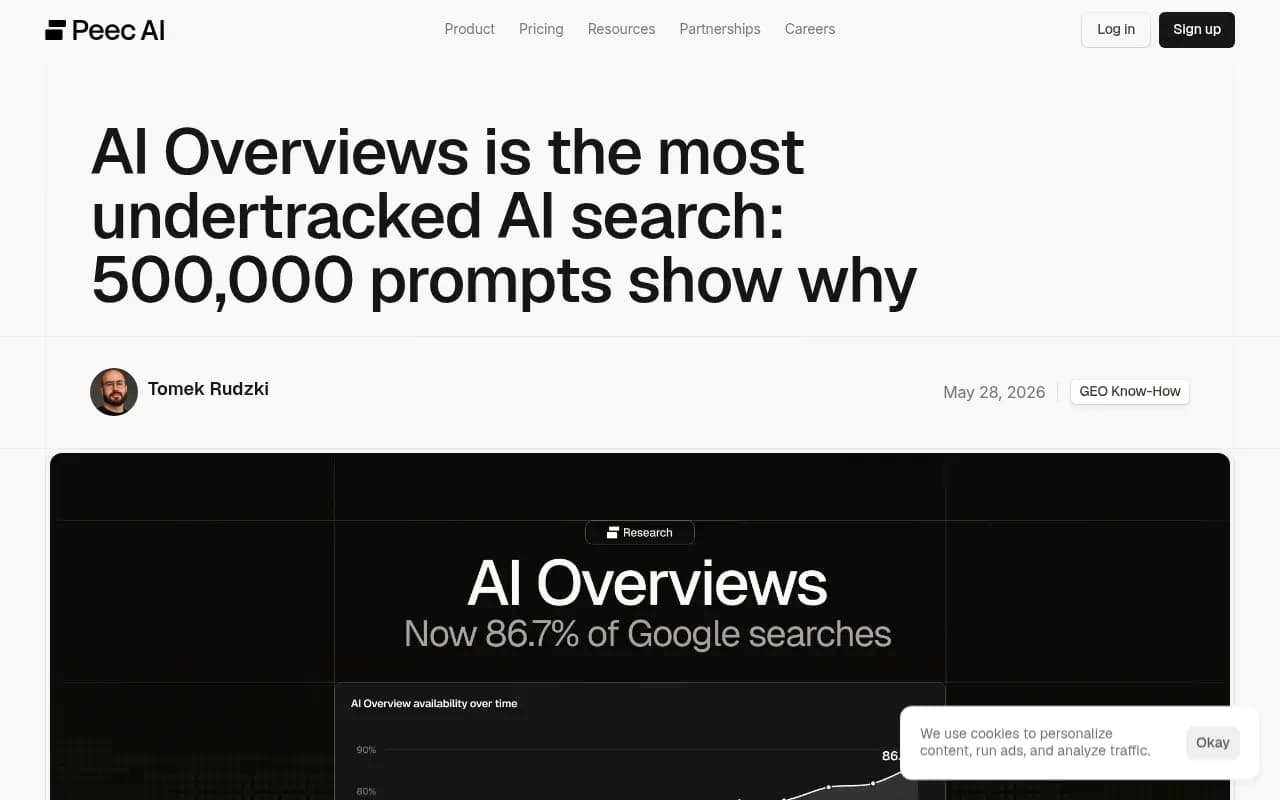
The UI is clean and fast to navigate. Setting up prompt tracking is straightforward. The unlimited countries and languages on paid plans is a real differentiator — most competitors charge extra for multi-region monitoring. And Peec's own research on AI Overviews (their 500,000-prompt study showing AI Overviews appears 86% of the time) shows the team understands the space deeply.
For a small team that wants a simple, affordable way to start tracking AI mentions without a lot of setup overhead, Peec is a reasonable starting point. The problem is when that team grows and needs to act on the data, not just look at it.
Alternatives worth considering
If the gaps above are blockers for your team, here are a few platforms that cover different parts of what Peec misses.
For the full action loop (monitoring + content + attribution)
Promptwatch covers all three stages: finding gaps, generating content to fill them, and tracking whether that content improved your visibility. It includes AI crawler logs, content gap analysis, content generation agents, ChatGPT Shopping tracking, Reddit/YouTube citation tracking, prompt volume data, and traffic attribution. It's the platform most directly built around doing something with your AI visibility data, not just reporting it.

For broader model coverage
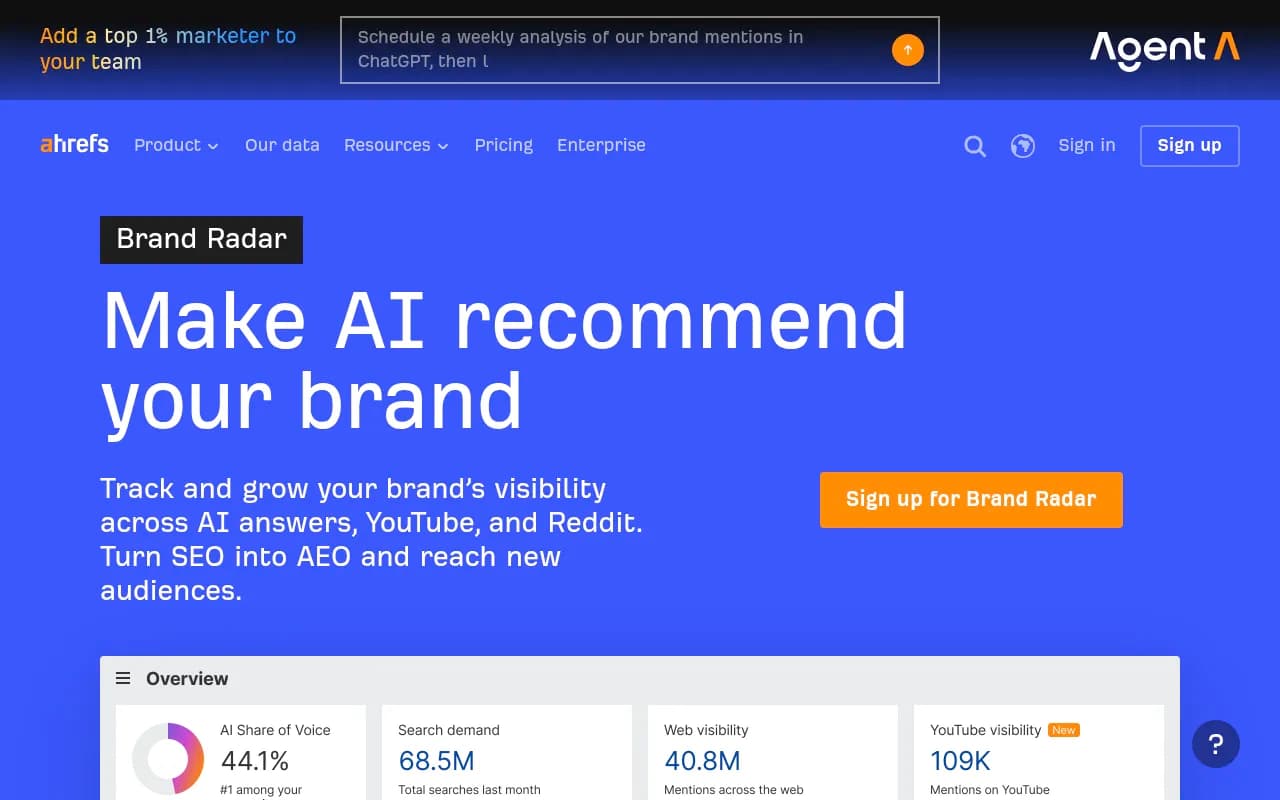
Ahrefs Brand Radar covers six AI engines on standard plans (including Claude, Gemini, Copilot, and Google AI Mode) plus YouTube, TikTok, and Reddit. Its prompt data comes from real search queries rather than constructed scenarios, which gives the visibility scores more grounding.
For agencies managing multiple clients
Search Party is built around agency workflows with multi-client dashboards and white-labeling. It's more monitoring-focused than action-focused, but the agency-oriented UX is genuinely better than most.
For enterprise teams
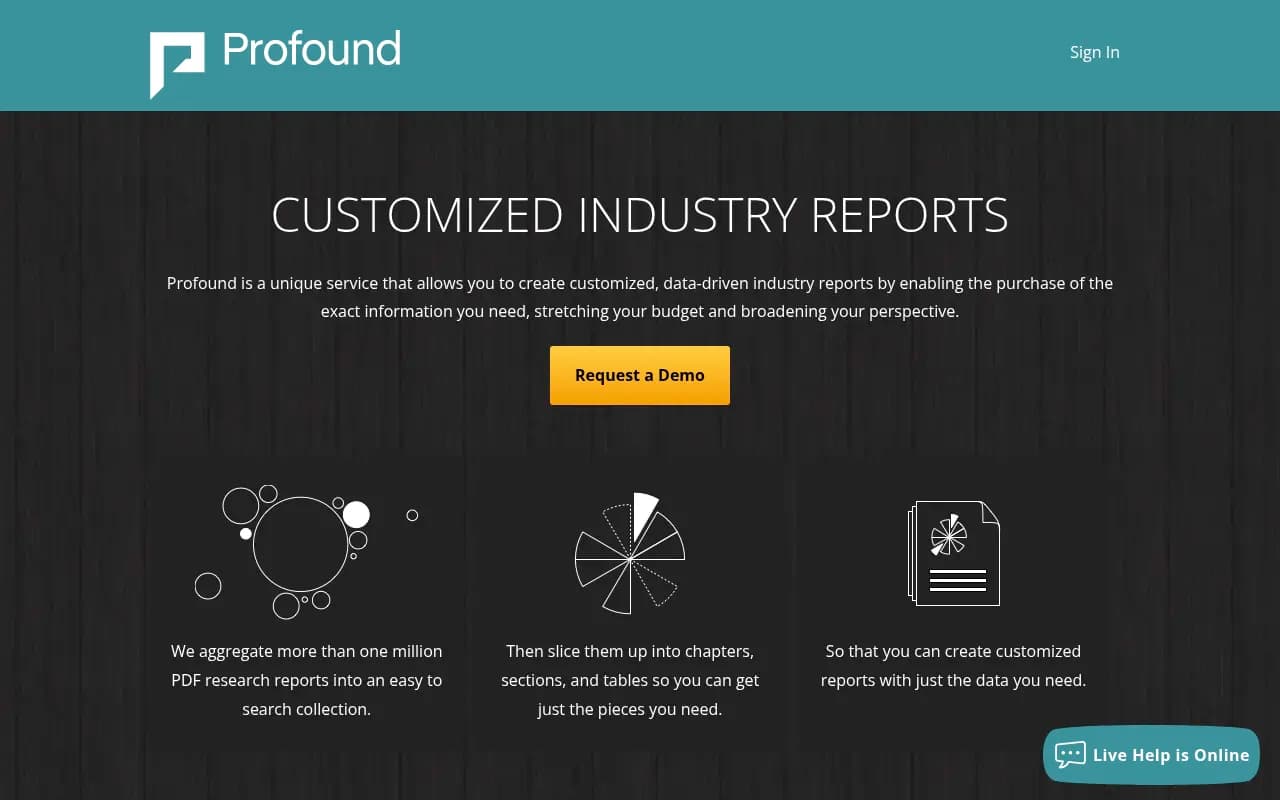
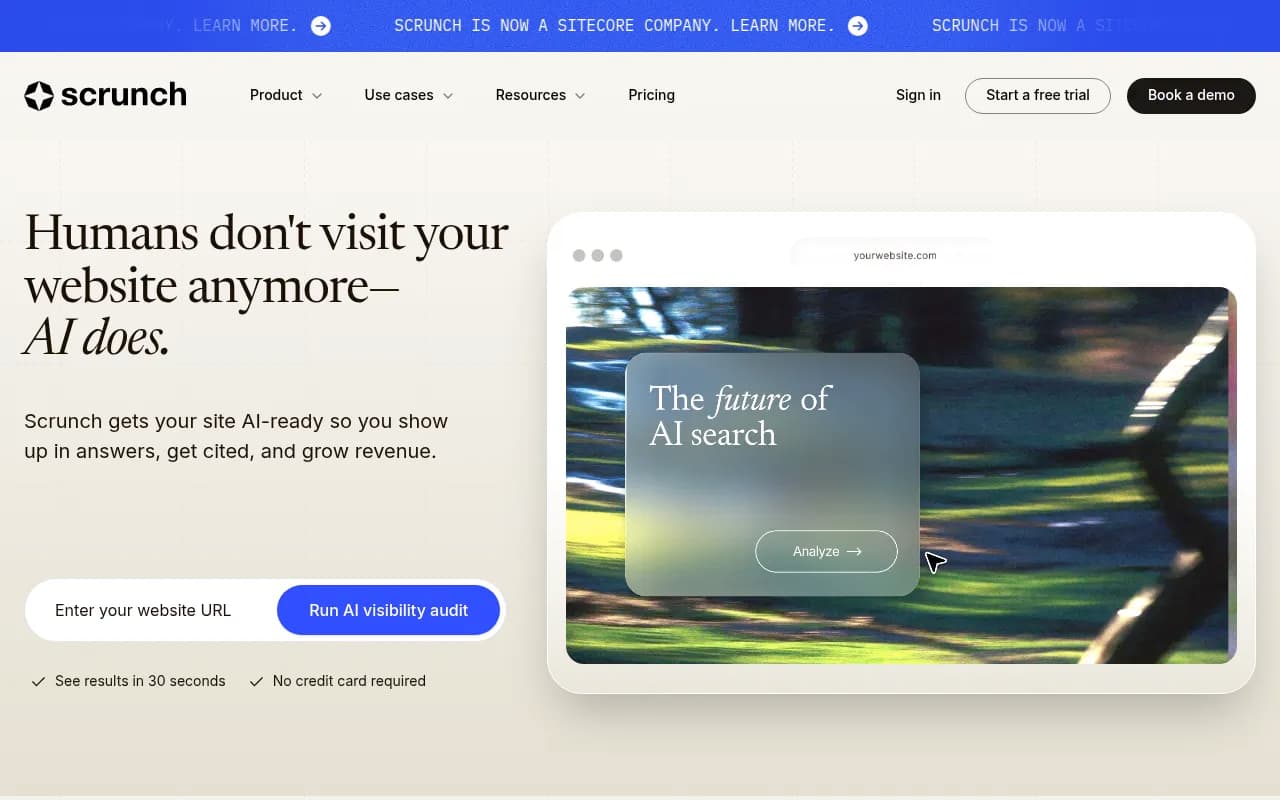
Profound and Scrunch AI both offer deeper enterprise feature sets with stronger analytics. Pricing is higher, but the data depth reflects it.
For monitoring on a budget
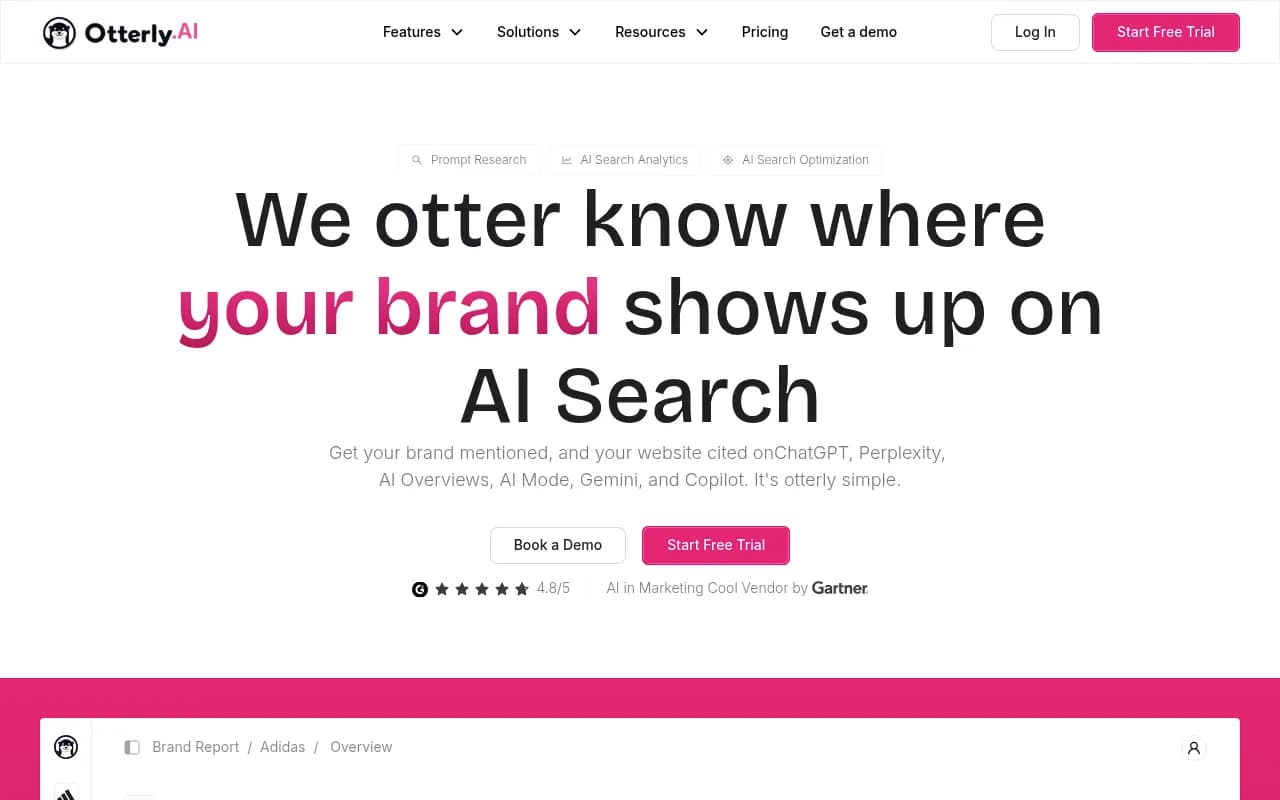
Otterly.AI is one of the more affordable options for basic brand mention tracking. It doesn't solve the content generation or attribution gaps, but if monitoring is all you need, it's worth a look.
The real question to ask
The gaps in Peec's dashboard aren't random omissions. They reflect a deliberate product decision: build a clean monitoring tool and let users figure out what to do with the data.
That's a valid product philosophy. But it means Peec is genuinely the right tool for a specific type of user: someone who wants to track AI visibility, has other tools or team members handling content strategy and attribution, and doesn't need the platform to connect those dots.
If you're expecting Peec to help you improve your AI visibility, not just measure it, you'll hit the ceiling quickly. The 9 gaps above are where that ceiling lives.
The AI search space is moving fast enough that monitoring-only dashboards are starting to feel like rearview mirrors. Knowing where you were is useful. Knowing where you're going, and having tools that help you get there, is what most teams actually need in 2026.