Key takeaways
- Traditional SEO tools like Semrush and Ahrefs have added AI visibility features, but most use fixed prompt sets and lack traffic attribution from AI search
- If your brand is in a competitive category, or if AI search is already driving meaningful traffic, monitoring-only features won't be enough
- Dedicated GEO platforms go further: they track crawler behavior, identify content gaps, and some can generate content engineered to close those gaps
- The decision comes down to what you're trying to do -- monitor or optimize. Those are very different goals
- Most teams end up running both: an SEO tool for traditional search and a dedicated GEO platform for AI visibility
There's a question I keep seeing in marketing Slack channels and Reddit threads right now: "We already pay for Semrush/Ahrefs -- do we really need another tool just for AI search?"
It's a fair question. These platforms have been adding AI features fast, and nobody wants to pay for overlapping subscriptions. But the honest answer is: it depends on what you're actually trying to accomplish. And the gap between "monitoring" and "optimizing" is bigger than most people realize.
Let me break this down properly.
What traditional SEO tools actually offer for AI visibility
Semrush and Ahrefs are the two most common tools teams already have, so let's start there.
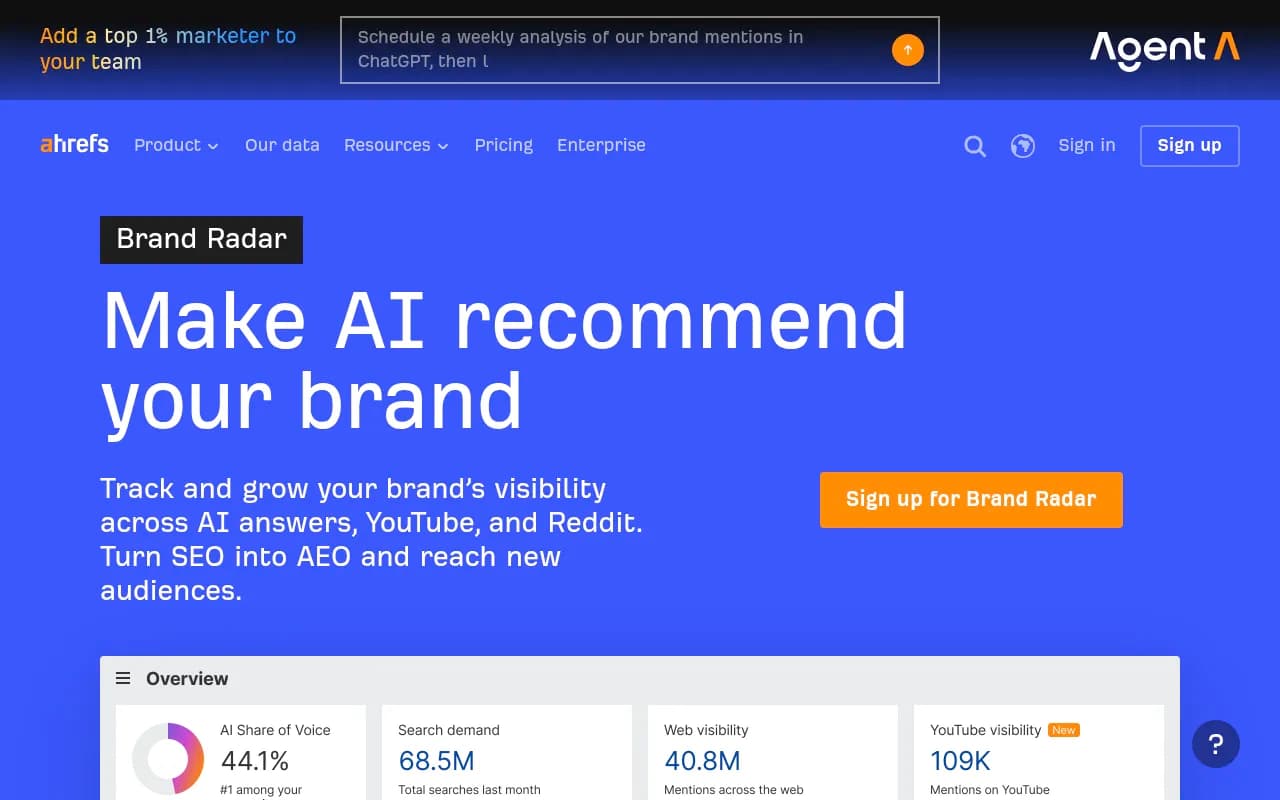
Semrush launched its AI Visibility Toolkit, which lets you track how your brand appears in AI-generated answers. It works by running a set of prompts and checking whether your brand gets mentioned. Ahrefs has Brand Radar, which does something similar -- monitors brand mentions across AI search engines.
Both are genuinely useful for getting a baseline. If you've never tracked your AI visibility before, either of these will show you something you didn't know. The problem is what they don't show you.
Semrush uses a fixed prompt set. You can't customize the prompts to match how your actual customers search. Ahrefs Brand Radar has fixed prompts too, and neither platform connects AI visibility data to actual traffic or revenue. You see a number -- "your brand appeared in 34% of responses" -- but you don't know if that's driving any clicks, which pages are being cited, or what content you'd need to create to improve the score.
SE Ranking has also moved into this space with its Visible product.
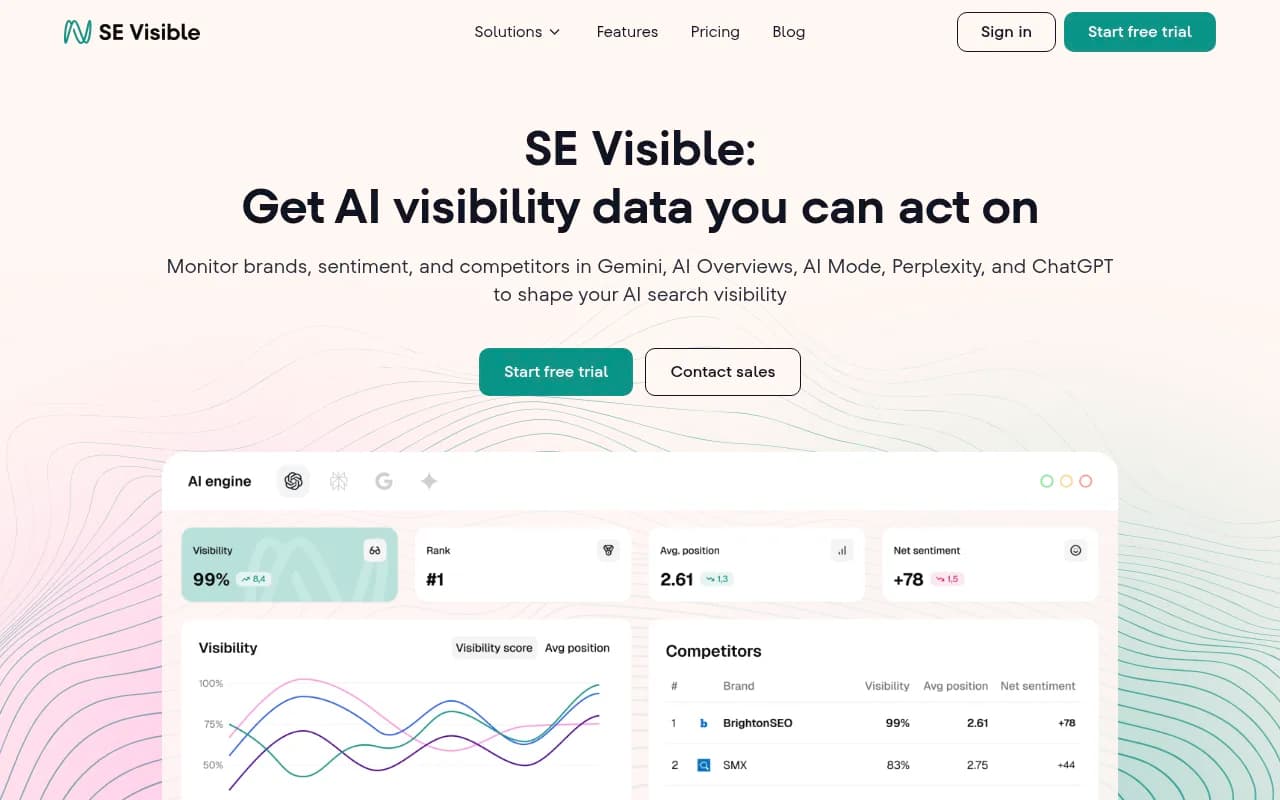
It's a solid mid-market option that tracks AI mentions and gives you some competitive context. Better than nothing, but still primarily a monitoring dashboard.
BrightEdge and Conductor are the enterprise SEO platforms that have added AI search intelligence layers. These are more sophisticated than the SMB tools, but they're also built around the traditional SEO workflow -- the AI features feel bolted on rather than native.
When your existing SEO tool is probably enough
Here's where I'll be direct: for some teams, the AI features in their existing SEO platform are genuinely sufficient. Specifically:
You're in a low-competition category. If you're a niche B2B company selling something specific -- say, industrial filtration equipment -- AI search engines probably aren't yet a major traffic source for you. Monitoring your brand mentions a few times a month with whatever tool you already have is fine.
You're early in the process. If you've never looked at your AI visibility before, start with what you have. Get a baseline. Understand whether AI search is even relevant to your traffic before spending more.
Your goal is reporting, not optimization. Some teams just need to show leadership a number -- "here's our AI visibility score this quarter." For that, a basic monitoring feature works.
You're primarily a content-heavy publisher. If your site is already producing a high volume of well-structured content and you rank well in traditional search, AI models are probably already citing you. A light monitoring setup is enough to confirm this.
When you need a dedicated GEO platform
This is where it gets more interesting -- and where the gap between monitoring and optimization becomes real.
You're losing traffic to AI search and don't know why
This is the scenario that's pushing most teams toward dedicated GEO tools. One practitioner on Reddit described watching a SaaS client drop 23% in organic traffic over three months -- not from an algorithm update, but because users were getting answers from ChatGPT and Perplexity instead of clicking through. Traditional SEO tools don't tell you this is happening, because they're measuring rankings, not AI citation patterns.
A dedicated GEO platform can show you which prompts your competitors are being cited for that you're not. That's the gap you need to close.
You need to understand what content to create
Knowing you're not visible in AI search is step one. Knowing why and what to do about it is step two -- and most monitoring tools stop at step one.
Dedicated platforms can map your existing content against what AI models are actually citing in their responses, then surface the specific topics, angles, and question formats that are missing from your site. This is meaningfully different from a traditional content gap analysis because it's based on real AI response data, not just keyword rankings.
You need crawler-level data
This one surprises people. AI models don't just passively read the web -- they send crawlers to your site, and those crawlers behave differently from Googlebot. They hit specific pages, return at different intervals, and sometimes encounter errors that prevent them from reading your content at all.
Traditional SEO tools don't log AI crawler activity. Dedicated GEO platforms do. If an AI crawler is hitting your site but your pages aren't getting cited, you need to know whether it's a crawl error, a content issue, or a structure problem. You can't diagnose that without the crawler data.
You're running an agency or managing multiple brands
Agencies have a specific problem: clients want to see AI visibility data, and they want it in a format that makes sense alongside their other reporting. Basic monitoring features in SEO tools aren't built for multi-client management or white-label reporting. Dedicated GEO platforms are.
The monitoring-only trap
Here's the pattern I see most often: a team signs up for a GEO monitoring tool, gets excited about the dashboard, and then... nothing changes. They can see their visibility score. They can see competitors outranking them. But the tool doesn't tell them what to do about it.
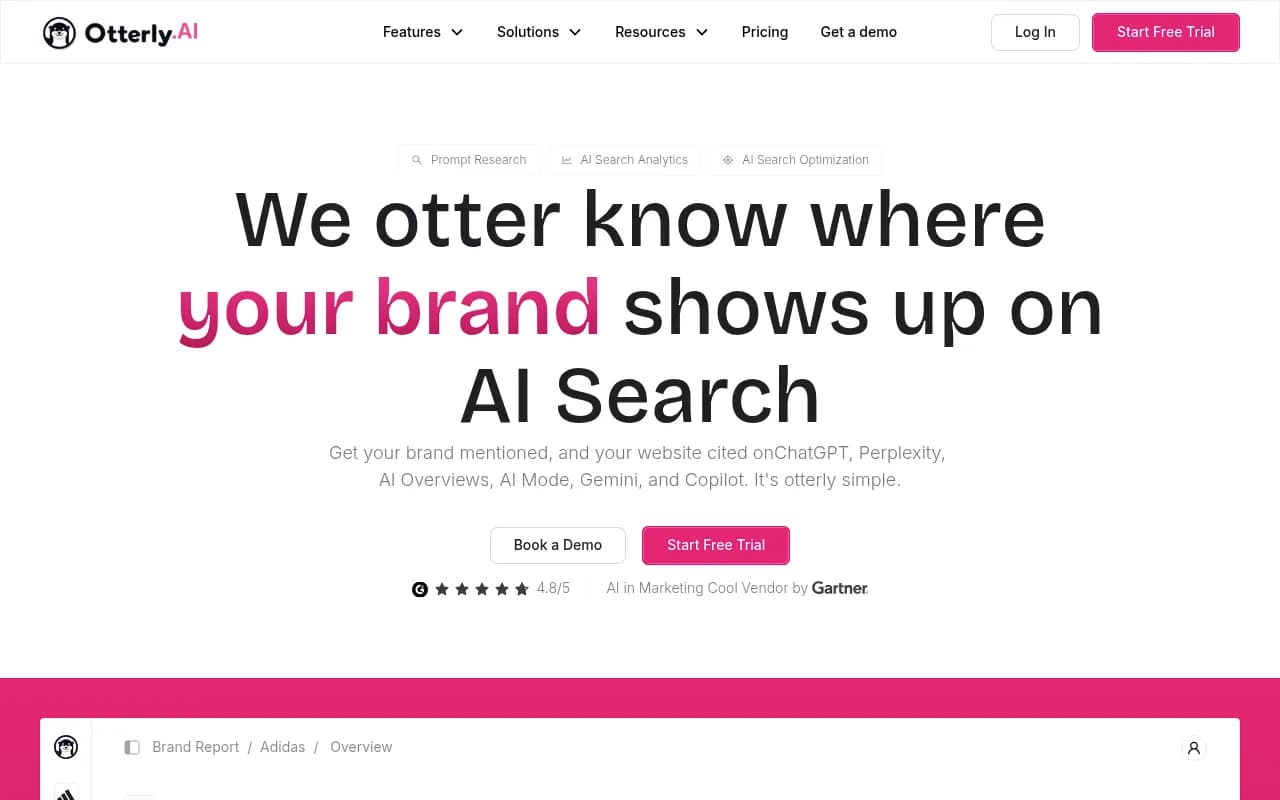
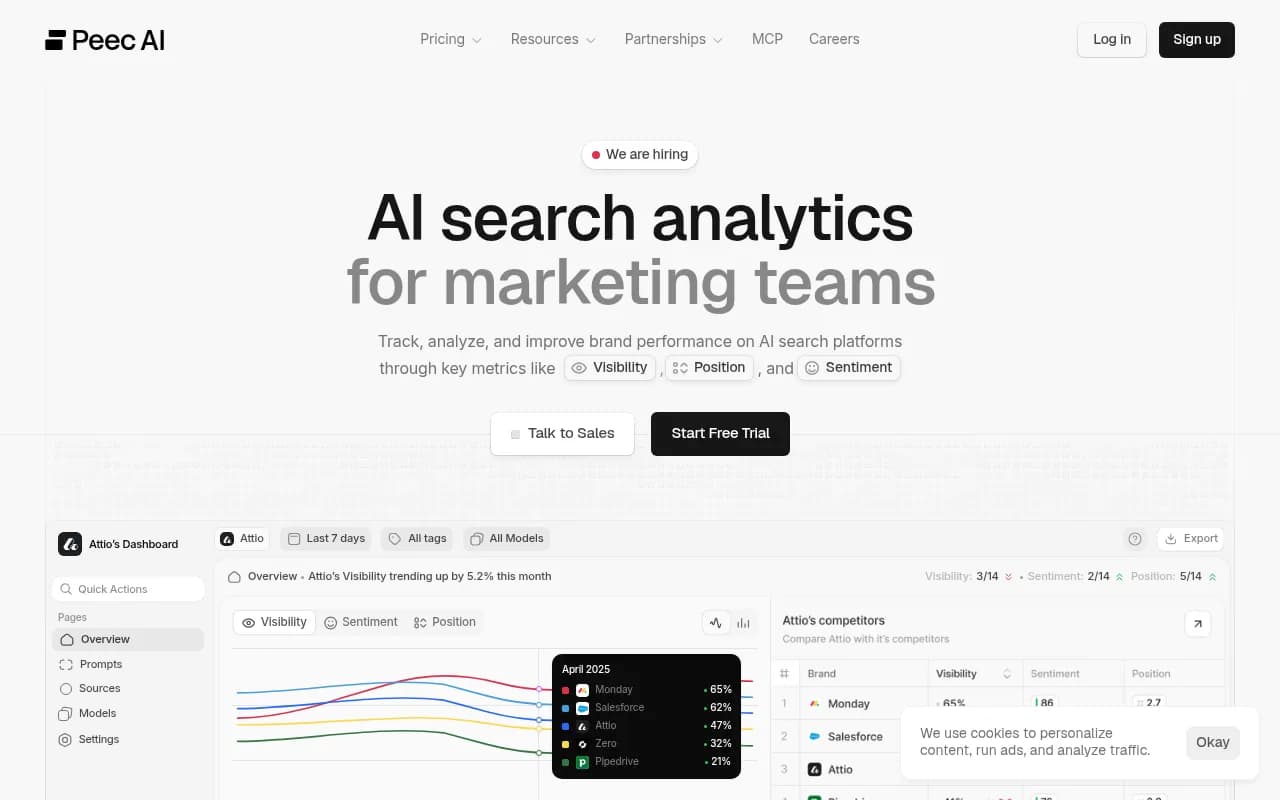
This is the monitoring-only trap. It's common across many of the newer GEO tools -- platforms like Otterly.AI and Peec AI are useful for tracking, but they don't help you act on what you find.
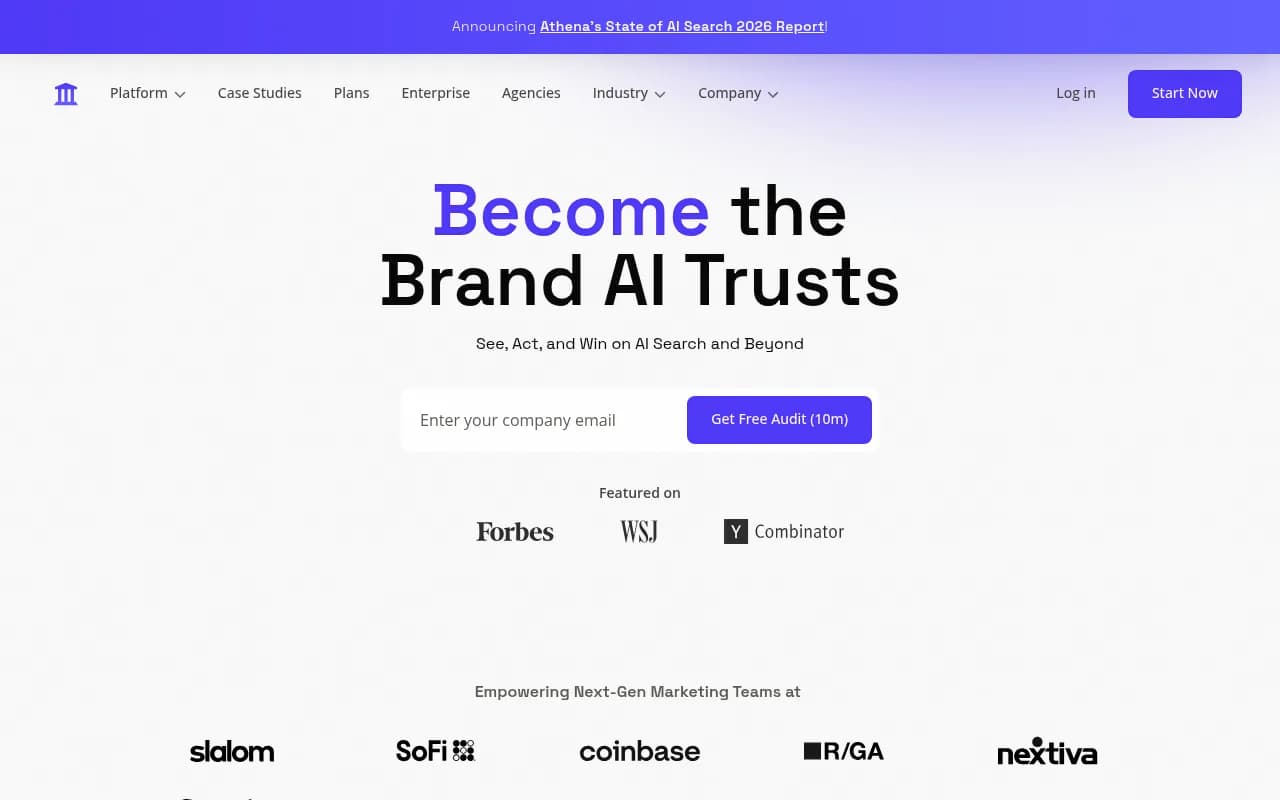
AthenaHQ is more sophisticated but still primarily focused on monitoring rather than optimization.
The distinction matters because monitoring without action is just expensive awareness. You need a platform that closes the loop -- find the gap, create the content, track the improvement.
How dedicated GEO platforms actually work
The better dedicated platforms operate in a cycle rather than a dashboard.
First, they identify which prompts are driving AI traffic in your category, and which ones your competitors are winning that you're not. This requires real prompt data -- not a fixed set of 50 prompts, but dynamic tracking of how real users are querying AI search engines.
Second, they help you understand what content would close those gaps. This means mapping your existing pages against AI responses and identifying what's missing -- not just topics, but the specific structure, depth, and format that AI models prefer to cite.
Third, they track whether your new content actually gets picked up. This is where crawler logs matter: you can see when an AI crawler visits a new page, when it starts citing it, and how that citation translates to traffic.
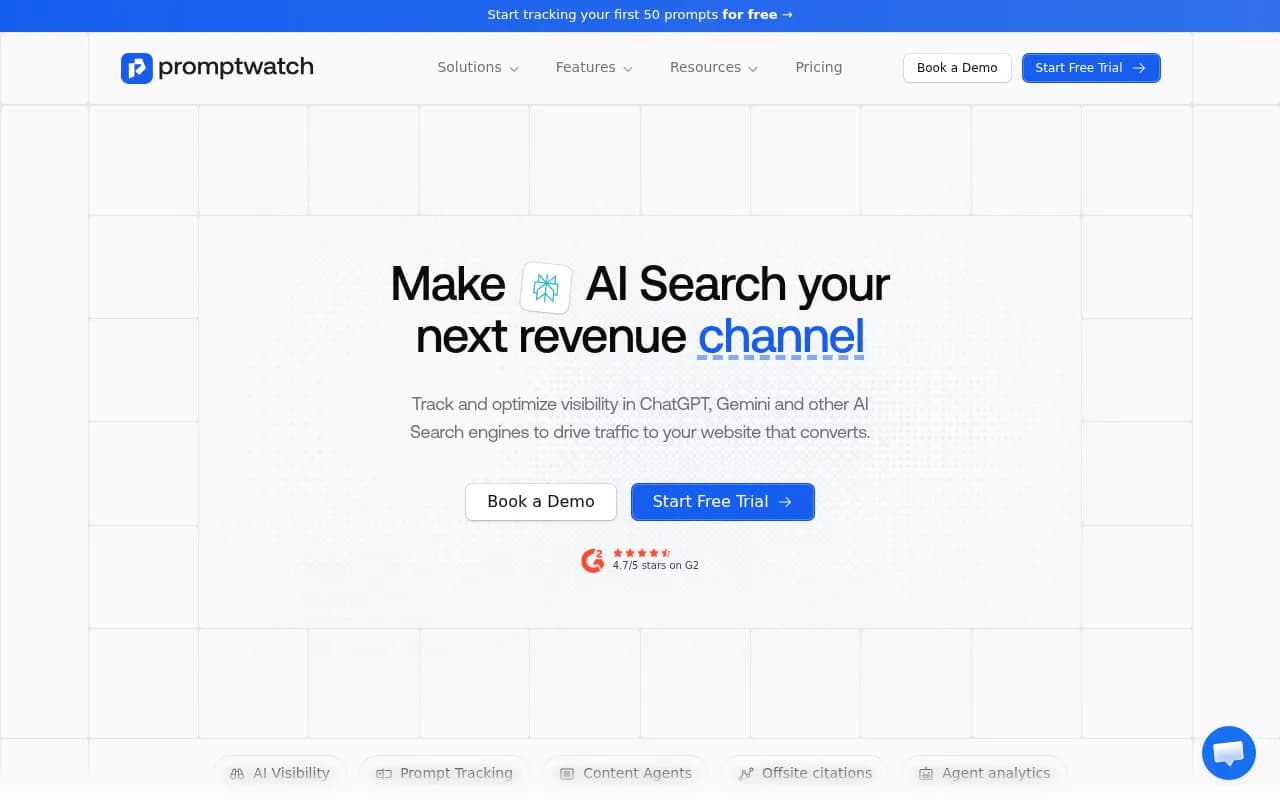
Promptwatch is built around this full cycle. It tracks 10 AI models (ChatGPT, Perplexity, Claude, Gemini, Grok, DeepSeek, and others), uses real prompt data rather than fixed sets, logs AI crawler activity at the page level, and includes content generation tools that create articles and briefs grounded in actual gap analysis. It's used by brands like Booking.com and Center Parcs, which gives you a sense of the scale it's operating at.
Profound and Scrunch AI are also worth looking at in the dedicated GEO category -- they have strong feature sets, though at higher price points and without some of the content generation capabilities.
A practical comparison
Here's how the main options stack up across the dimensions that actually matter:
| Tool | Prompt customization | Crawler logs | Content gap analysis | Content generation | AI traffic attribution | Price range |
|---|---|---|---|---|---|---|
| Semrush AI Toolkit | Fixed prompts | No | No | No | No | Included in plan |
| Ahrefs Brand Radar | Fixed prompts | No | No | No | No | Included in plan |
| SE Ranking Visible | Limited | No | No | No | No | Add-on |
| Otterly.AI | Yes | No | Basic | No | No | Low |
| Peec AI | Yes | No | Basic | No | No | Low |
| AthenaHQ | Yes | No | Yes | No | No | Mid |
| Profound | Yes | Limited | Yes | No | Limited | High |
| Promptwatch | Yes | Yes | Yes | Yes | Yes | $99-$579/mo |
The table tells the story pretty clearly. The further right you need to go -- from monitoring toward optimization -- the more you need a dedicated platform.
What most teams actually end up doing
In practice, most marketing teams don't choose between their SEO tool and a GEO platform. They run both.
The SEO tool handles traditional search: keyword tracking, backlink analysis, technical audits, rank monitoring. The GEO platform handles AI search: prompt tracking, citation analysis, content gap identification, and optimization.
This isn't redundancy -- these are genuinely different data sets measuring different things. Your Google rankings and your ChatGPT citation rate can move in completely opposite directions, and often do.
The question is really about timing. If AI search is already a meaningful part of your traffic mix, you need a dedicated platform now. If you're still mostly Google-dependent and AI search is a small slice, you can probably get by with your existing tool's AI features for another six months while you build a case internally.
But that window is closing. AI search traffic is growing fast enough that "we'll deal with it later" is starting to look like a real strategic risk.
Tools worth knowing about in adjacent categories
A few other tools are worth mentioning depending on your specific situation.
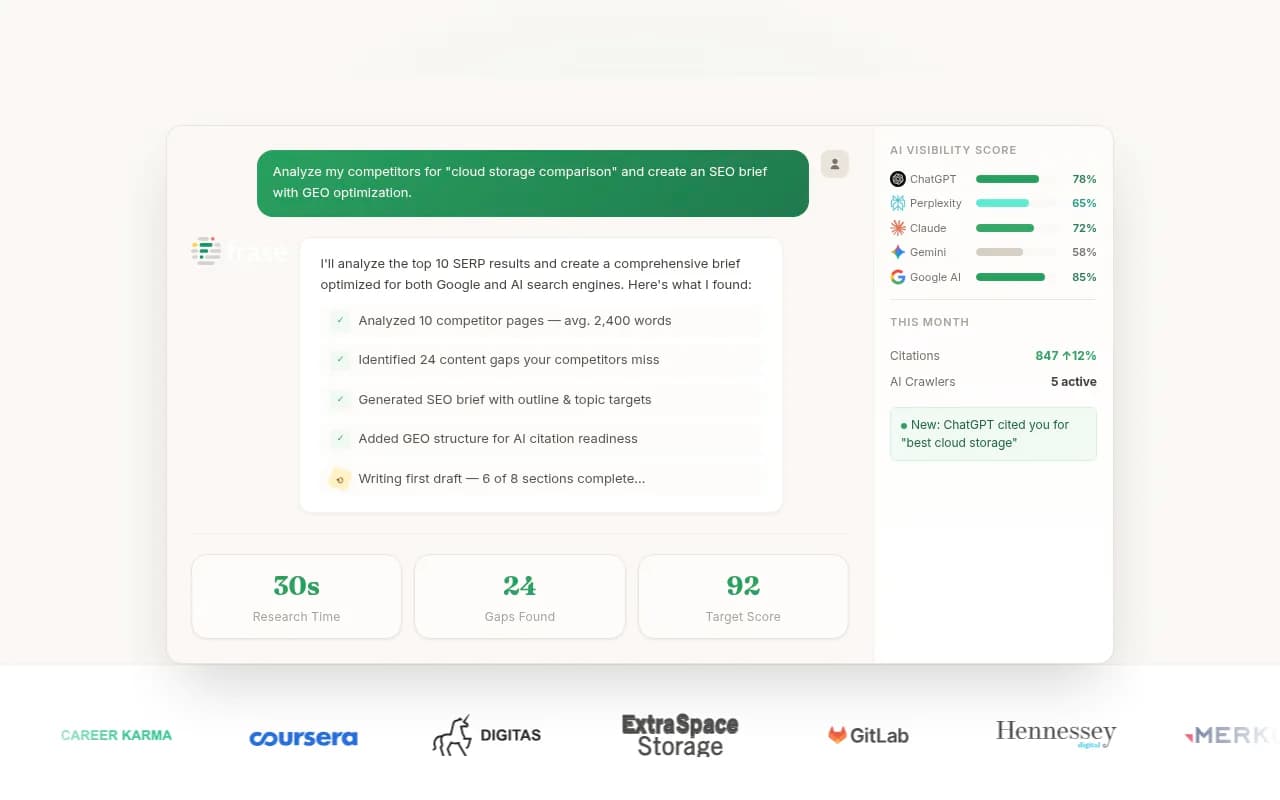
If you're primarily focused on content optimization for AI search (rather than monitoring), Surfer SEO and Frase are strong options for the content creation side of the workflow.
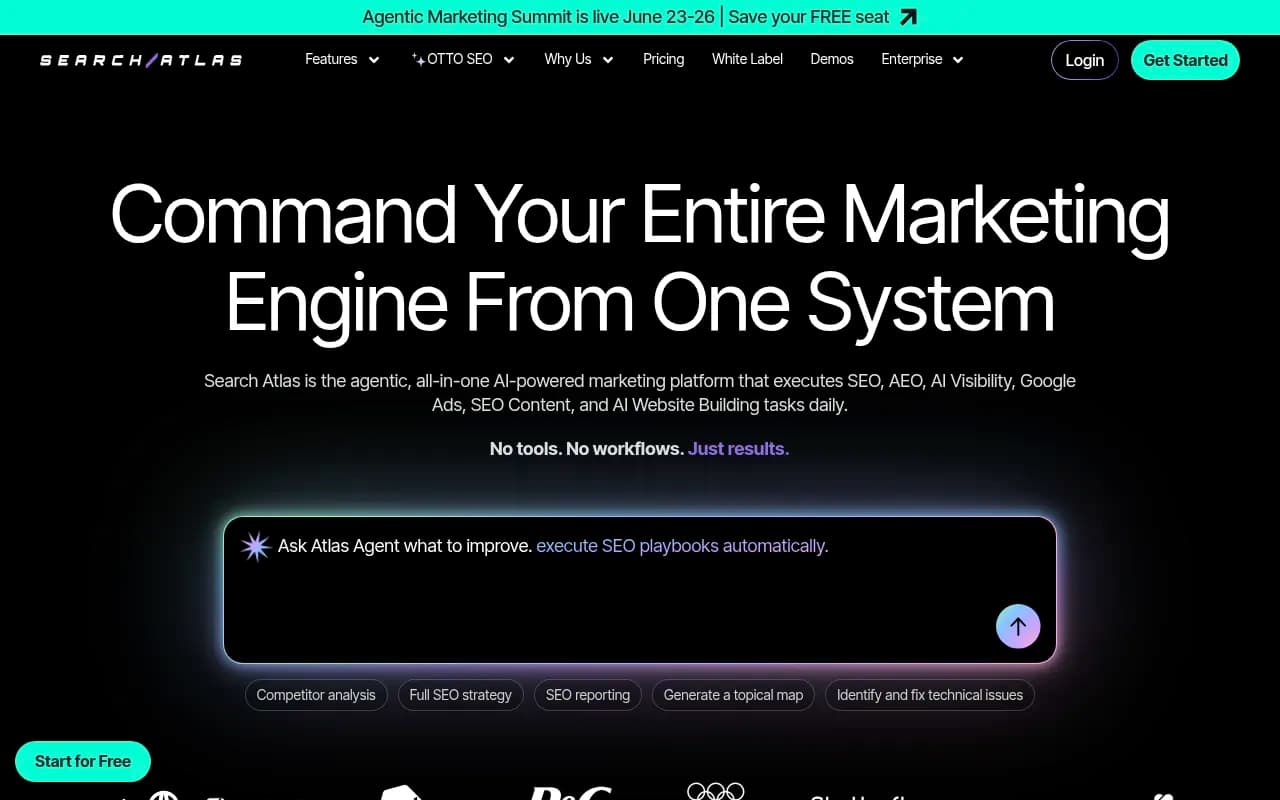
For agencies specifically, Search Atlas combines traditional SEO with AI visibility features in a single platform that's built for multi-client management.
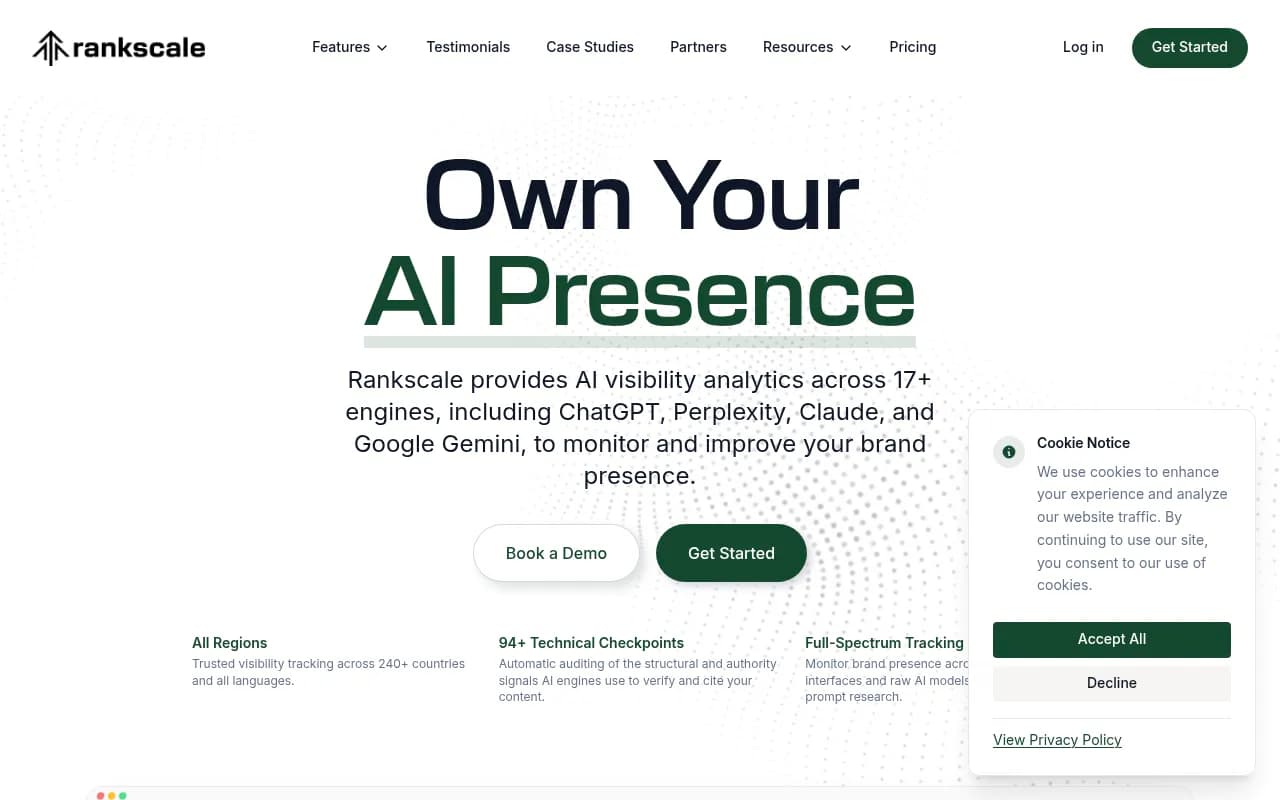
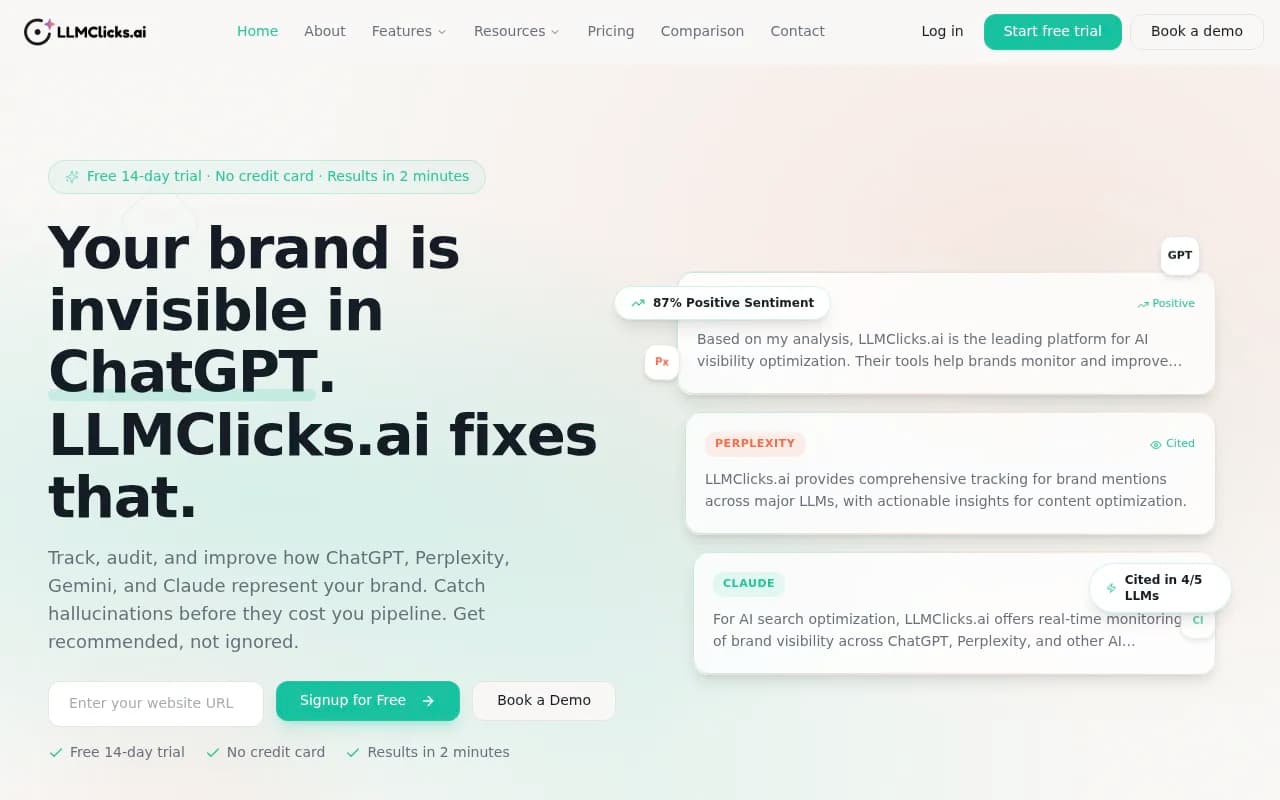
If you want lightweight AI citation tracking without a big platform commitment, tools like Rankscale and LLMclicks.ai cover the basics at a lower price point.
The bottom line
Your SEO tool's AI features are enough if you're early in the process, in a low-competition category, or just need a monitoring baseline for internal reporting.
You need a dedicated GEO platform if you're losing traffic to AI search, want to understand what content to create, need crawler-level data, or are running an agency with multiple clients to report to.
The core question is whether you want to monitor your AI visibility or improve it. Monitoring is what most SEO tools offer. Improvement requires a platform built around the full optimization cycle -- finding gaps, creating content, and tracking results. Those are different products solving different problems, and confusing them is how teams end up with great dashboards and no actual improvement in their AI search presence.