Key takeaways
- Searchable covers basic AI brand monitoring, but most teams outgrow it quickly once they need content optimization, crawler logs, or traffic attribution
- The right alternative depends on three things: how many sites you manage, how much you're willing to spend, and whether you need to just track visibility or actually improve it
- Monitoring-only platforms (Otterly.AI, Peec.ai, AthenaHQ) are cheaper but leave you without a clear path to fixing what they find
- Full-cycle platforms like Promptwatch combine gap analysis, content generation, and citation tracking in one place
- Budget matters, but the real question is whether you want a dashboard or a tool that helps you do something about what the dashboard shows
Why people are looking for Searchable alternatives
Searchable sits in the lighter end of the AI visibility market. It tracks brand mentions across AI engines, surfaces some citation data, and gives you a snapshot of where you stand. For teams just getting started with AI search monitoring, that's often enough.
But "enough to start" isn't the same as "enough to grow." Most teams hit a wall with Searchable somewhere around the point where they want to know not just where they're invisible, but why and what to do about it. The platform doesn't offer content generation, doesn't show you which pages AI crawlers are actually visiting, and doesn't connect visibility to revenue. When those gaps start to hurt, people go looking.
This guide is for those people. It covers the main alternatives in 2026, organized by what you actually need rather than by feature count.
The core question: monitoring vs. optimization
Before comparing tools, it helps to be honest about what you're buying.
Most AI visibility platforms are monitoring tools. They run prompts, collect citations, and show you a score. That's useful. But it's a bit like getting a blood test without a doctor to explain the results or a treatment plan. You have data. You don't have a path forward.
A smaller number of platforms go further. They show you which prompts competitors rank for that you don't, generate content designed to fill those gaps, and then track whether that content actually gets cited. That's a fundamentally different product.
When you're evaluating Searchable alternatives, the first question to ask yourself is: which type do I need?
If you're in early-stage monitoring mode, a lighter tool is fine. If you've been tracking AI visibility for a few months and you're ready to act on what you're seeing, you need an optimization platform.
Alternatives by team size and budget
Solo marketers and small teams (under $150/month)
At this budget, you're looking at tools that do one thing well: show you where your brand appears in AI responses. Don't expect deep content workflows or crawler logs at this price point.
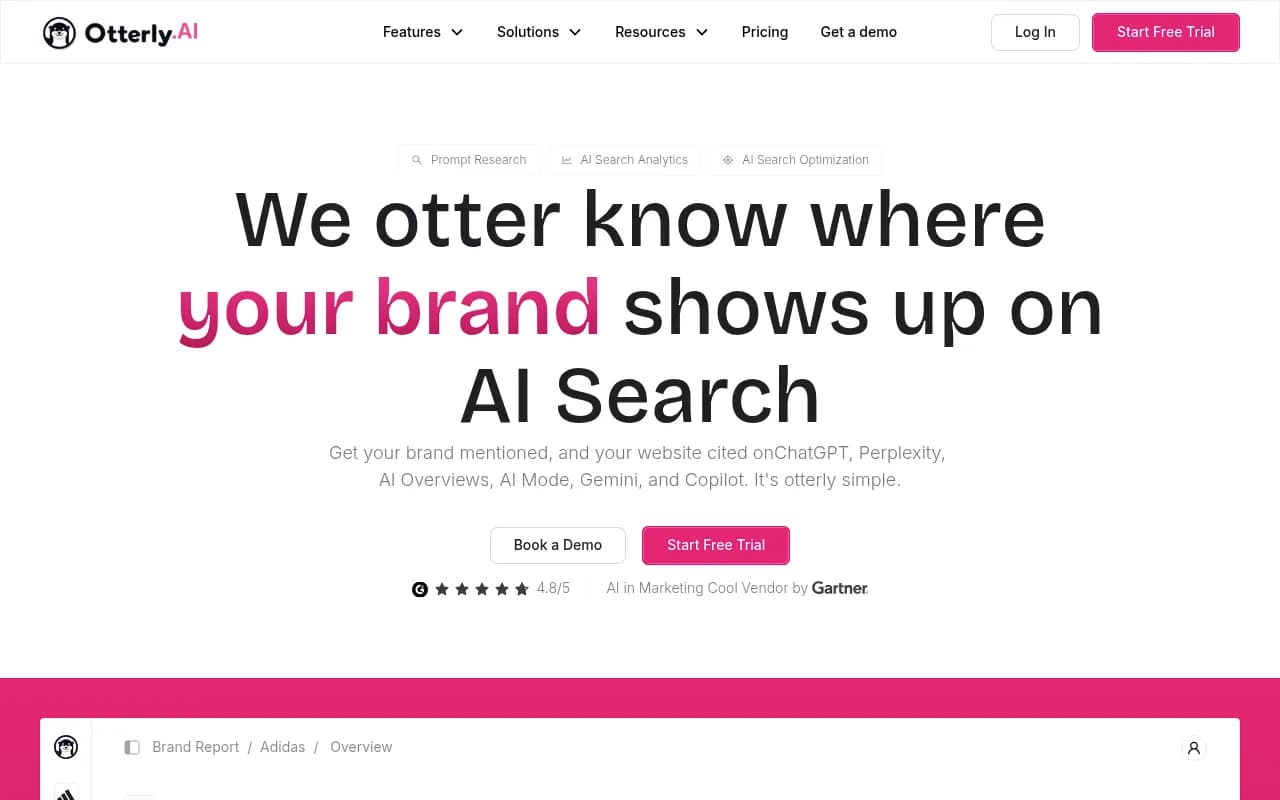
Otterly.AI is probably the most popular entry-level option. It monitors brand mentions across ChatGPT, Perplexity, and a few other models, and the UI is clean enough that you don't need a technical background to use it. The free tier is genuinely useful for getting a feel for AI visibility before committing to anything.
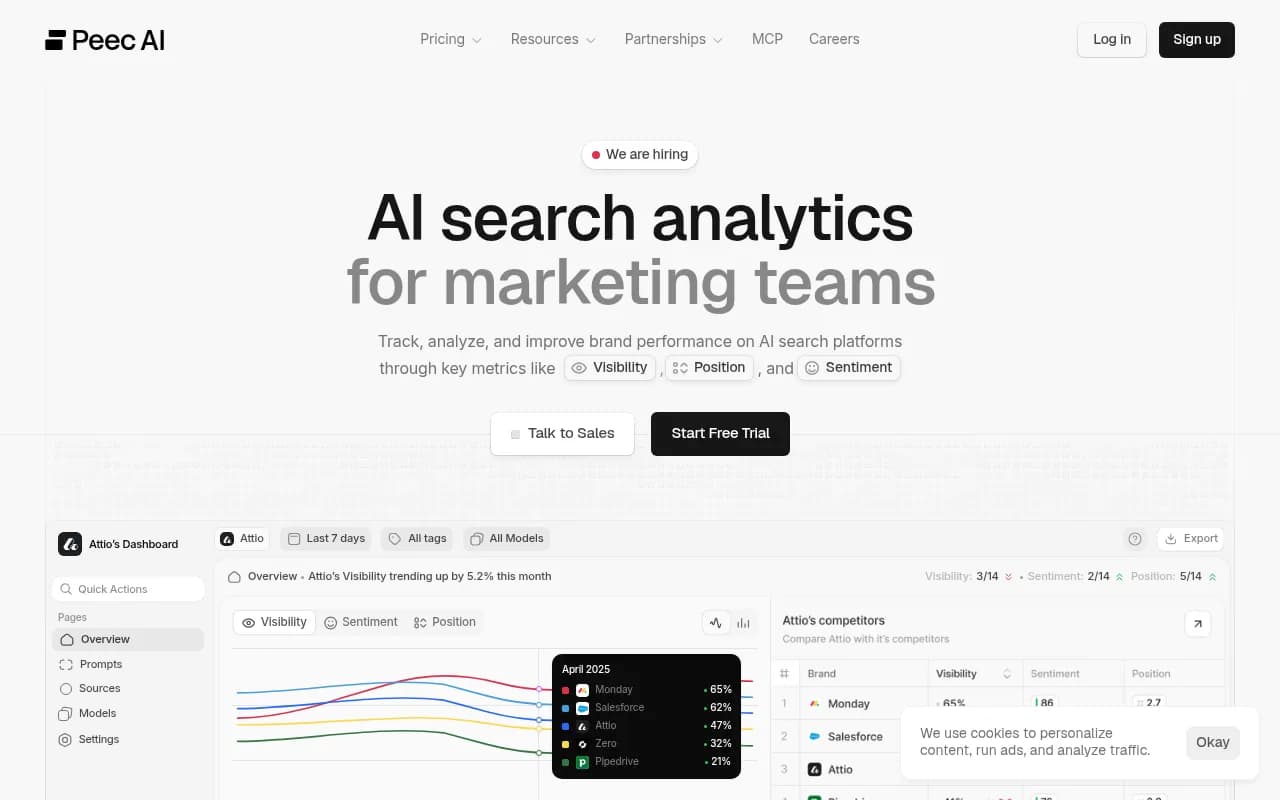
Peec.ai is similar in scope. It tracks citations, gives you a visibility score, and surfaces some competitor comparisons. It's a solid starting point if you want to understand the landscape without a big investment.
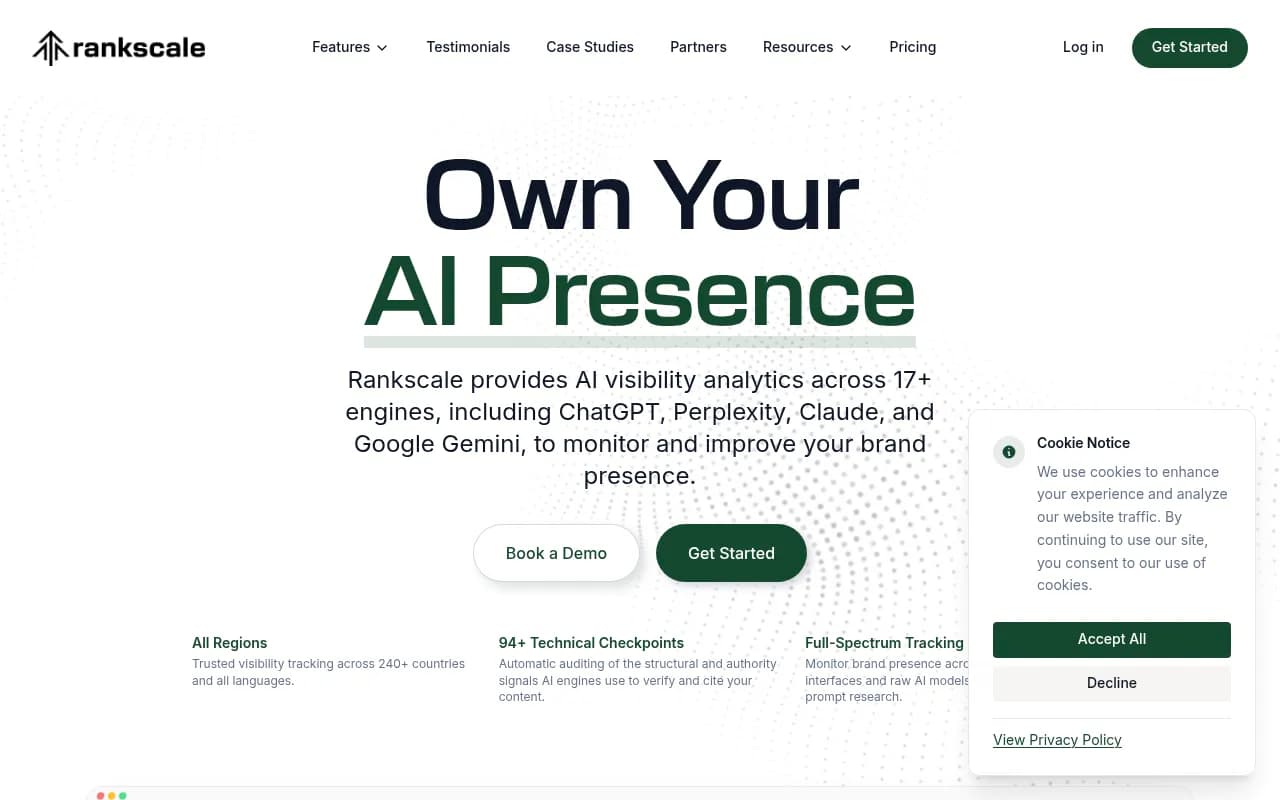
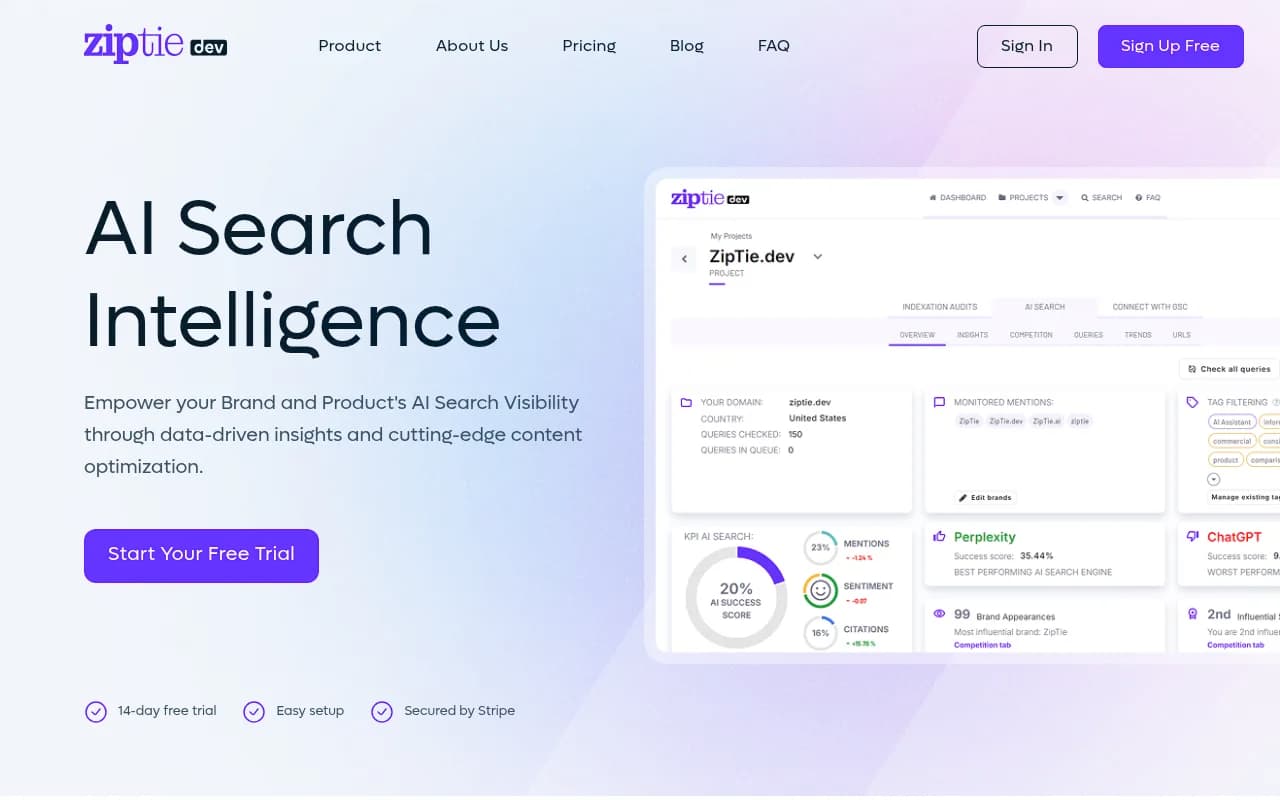
Rankscale and ZipTie are worth a look if you want something more focused on rank tracking across AI engines specifically.
The honest limitation at this tier: you'll know you have a problem, but you won't have much help solving it. These tools are great for awareness, not action.
Growing marketing teams ($150-$400/month)
This is where things get more interesting. At this budget, you can access platforms that go beyond basic monitoring and start offering content intelligence, prompt volume data, and some form of gap analysis.
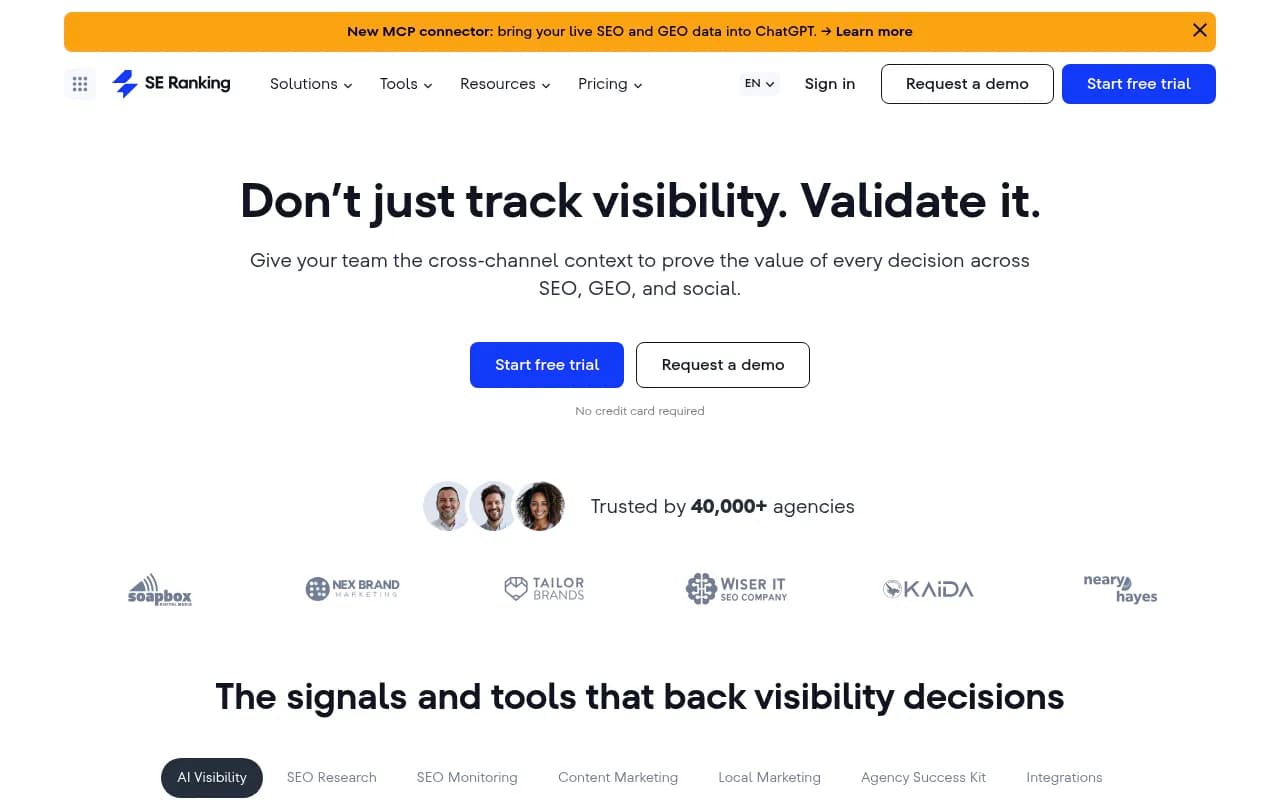
SE Ranking has expanded its GEO capabilities meaningfully in 2026. If you're already using it for traditional SEO, the AI visibility layer integrates reasonably well with your existing workflow.
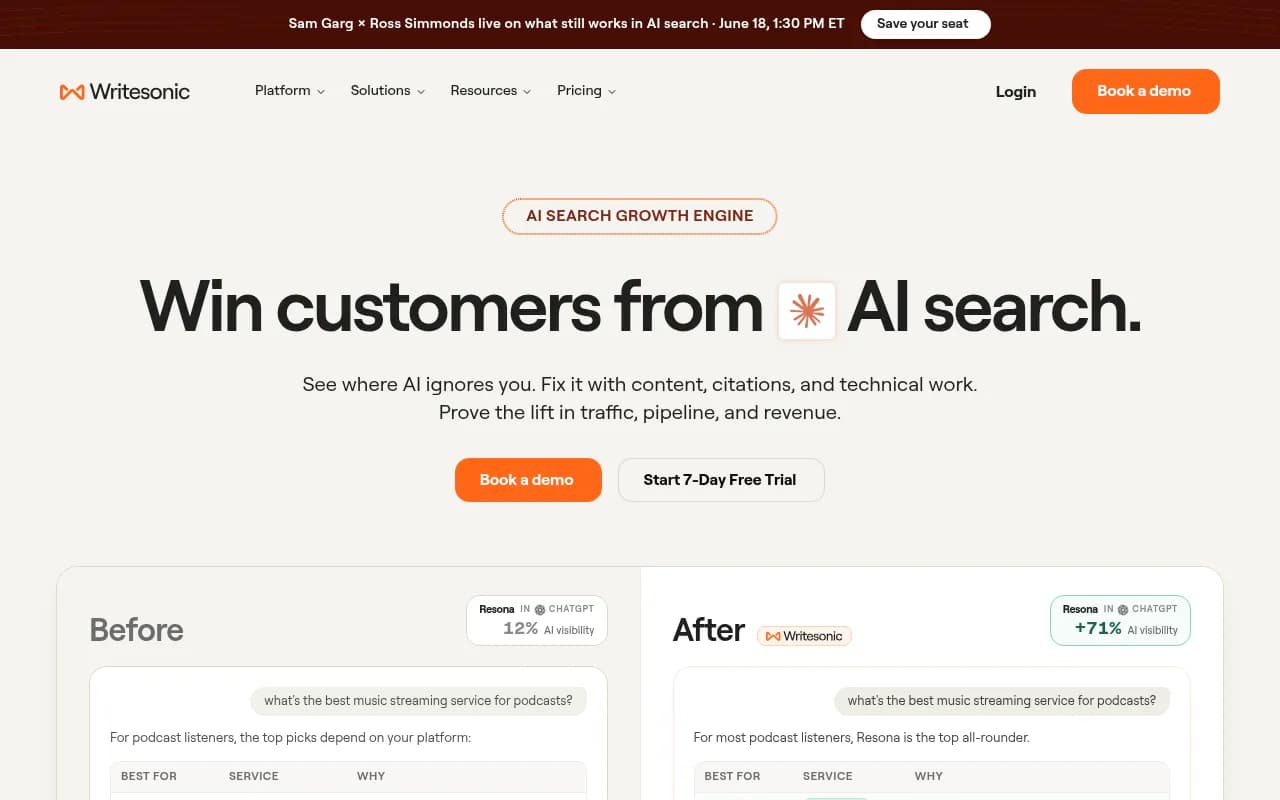
Writesonic GEO is worth considering if content generation is a priority. It combines AI writing with some visibility monitoring, though the tracking side is less mature than dedicated platforms.
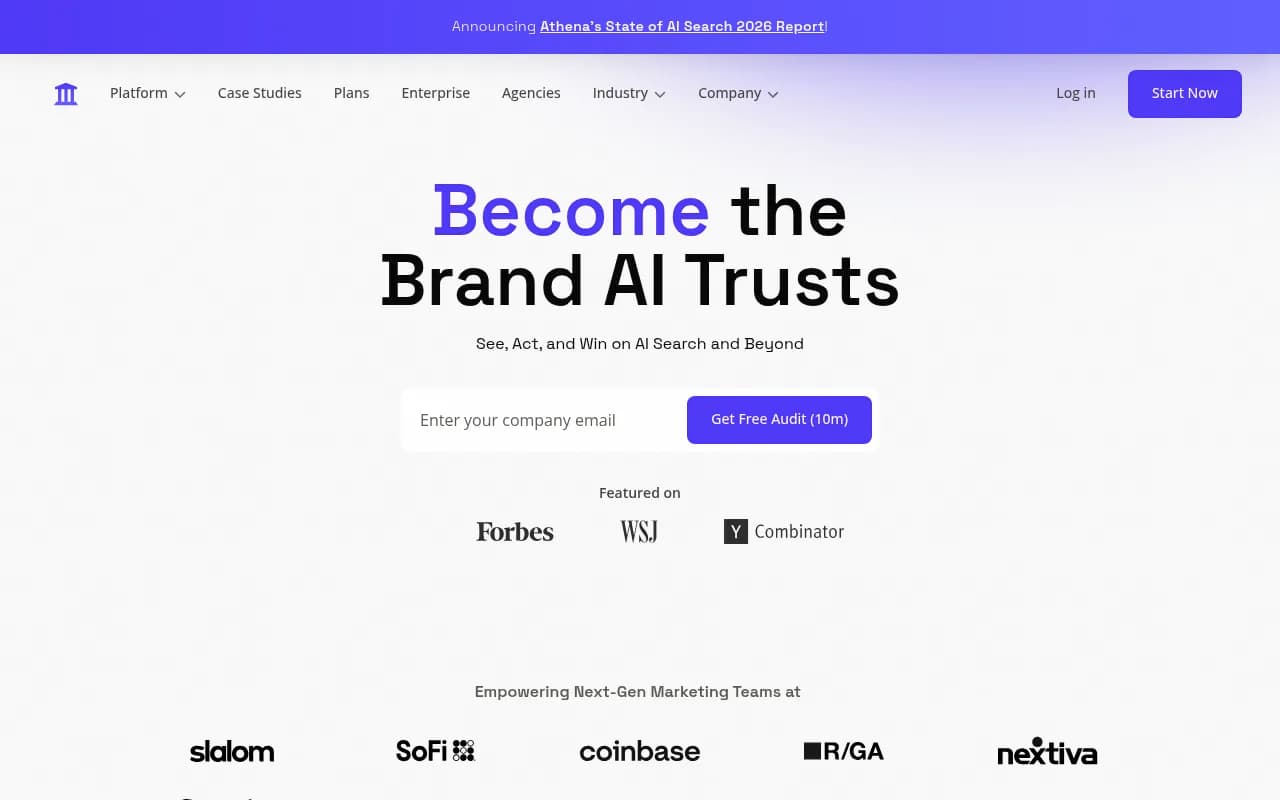
AthenaHQ has a clean interface and decent monitoring depth, but it's primarily a tracking platform. It doesn't generate content or help you act on what it finds.
Promptwatch sits at the top of this tier with its Professional plan at $249/month. What separates it from the others at this price point is that it actually helps you do something with the data. The Answer Gap Analysis shows you which prompts competitors rank for that you don't, the Content Agents generate articles and briefs based on those gaps, and the crawler logs show you which pages AI engines are visiting and when. That's a lot more than a monitoring dashboard.

Agencies and multi-site teams ($400-$800/month)
Agencies have a different problem than in-house teams. You're managing multiple clients, each with their own brand, competitors, and AI visibility goals. You need multi-site support, white-label reporting, and enough prompt volume to cover diverse industries.
Search Party is built specifically for agencies. It handles multi-client management reasonably well and has a clean reporting layer. The trade-off is that it's light on prompt intelligence and doesn't offer content gap analysis.
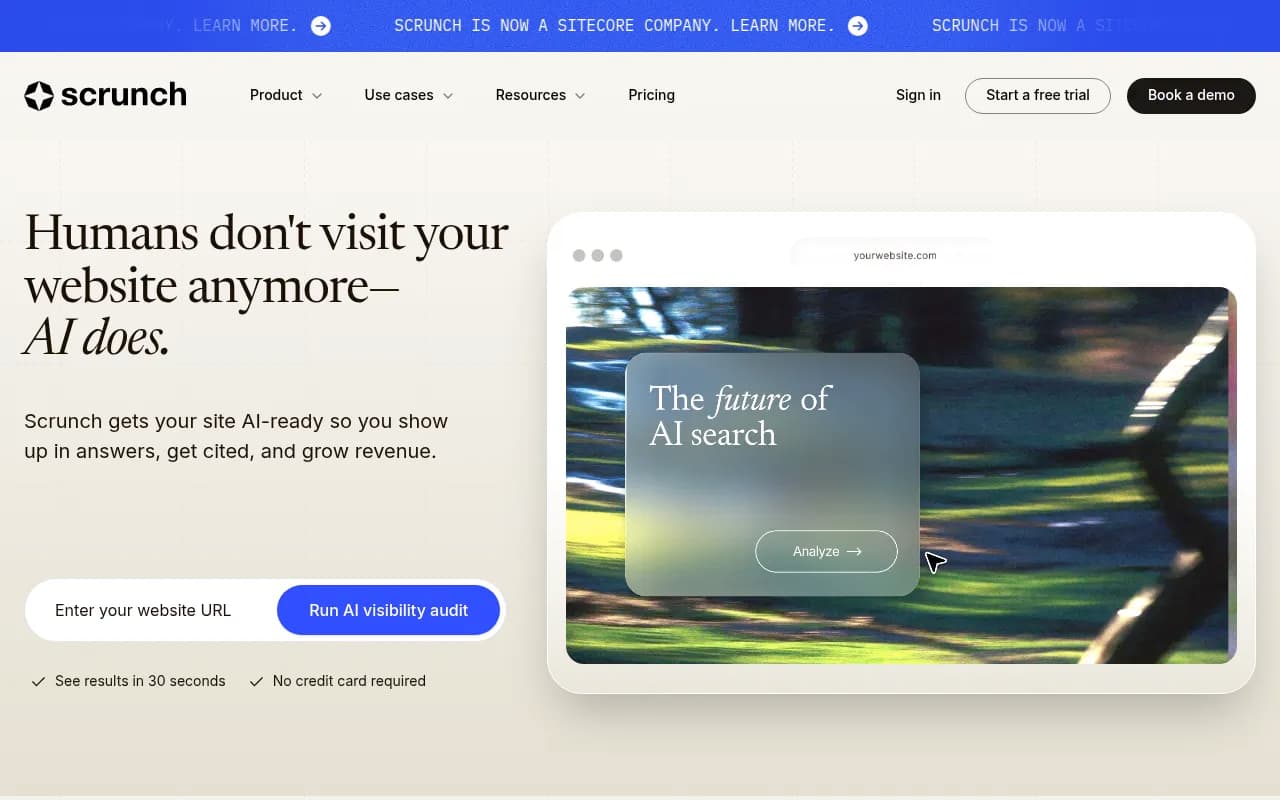
Scrunch AI covers monitoring across multiple AI models and has some agency-friendly features. It's a decent option if your clients are primarily asking "where do we appear?" rather than "how do we appear more?"
BrightEdge is the enterprise-grade option here. It's been in the SEO space for years and has added AI search intelligence on top of its traditional capabilities. The platform is comprehensive but comes with enterprise pricing and implementation complexity to match.
Promptwatch's Business plan at $579/month covers five sites, 350 prompts, and 30 articles per month. For agencies managing a handful of active clients, this is a strong option because you're not just reporting on visibility, you're actually generating content that improves it. The agent analytics layer also lets you show clients a timeline from content publish to AI crawl to citation, which is the kind of concrete proof of work that clients actually care about.
Enterprise teams (custom pricing)
At the enterprise level, the conversation shifts from "which features do I get?" to "how does this integrate with our existing stack, and can we trust the data?"
Profound is a strong enterprise option with deep analytics and a solid data model. It's more expensive than most alternatives and doesn't offer content generation, but the monitoring depth is genuinely impressive.
Semrush AI Visibility Toolkit and Ahrefs Brand Radar are worth mentioning here because many enterprise teams already pay for these platforms. The AI visibility features are useful but limited compared to dedicated tools. Semrush uses fixed prompts, and Ahrefs Brand Radar lacks AI traffic attribution.
Promptwatch also offers agency and enterprise custom pricing, and at that level you get access to the full platform including multi-language monitoring, custom persona targeting, Looker Studio integration, and API access for custom workflows.
Feature comparison: what each tier actually gives you
| Platform | Monitoring | Content generation | Crawler logs | Traffic attribution | Multi-site | Starting price |
|---|---|---|---|---|---|---|
| Otterly.AI | Yes | No | No | No | Limited | Free / ~$49/mo |
| Peec.ai | Yes | No | No | No | Limited | ~$49/mo |
| AthenaHQ | Yes | No | No | No | Yes | Custom |
| Search Party | Yes | No | No | No | Yes | Custom |
| Scrunch AI | Yes | No | No | No | Yes | Custom |
| SE Ranking (GEO) | Yes | Partial | No | No | Yes | ~$65/mo |
| Writesonic GEO | Partial | Yes | No | No | Limited | ~$99/mo |
| Profound | Yes | No | No | No | Yes | Custom |
| BrightEdge | Yes | No | Partial | Partial | Yes | Enterprise |
| Promptwatch | Yes | Yes | Yes | Yes | Yes | $99/mo |
The pattern is pretty clear. Most platforms do monitoring. Very few do optimization. Promptwatch is the only one in this comparison that covers all five dimensions.
How to choose based on your actual goals
"I just want to know where we stand"
Start with Otterly.AI or Peec.ai. They're affordable, easy to set up, and give you a clear picture of your current AI visibility without requiring a big commitment. If you outgrow them in six months, that's a good problem to have.
"I want to understand why competitors are more visible than us"
You need gap analysis. That means either Promptwatch or one of the enterprise platforms. Promptwatch's Answer Gap Analysis shows you the specific prompts where competitors appear and you don't, along with prompt volume estimates so you can prioritize which gaps to close first.
"I need to actually create content that ranks in AI search"
This narrows the field significantly. Promptwatch's Content Agents generate articles, listicles, and comparison pages grounded in real citation data and prompt volumes. Most other platforms in this space either don't offer content generation at all, or offer generic AI writing that isn't connected to actual gap data.
"I manage multiple clients and need to show them results"
Look at Promptwatch's Business plan or agency pricing, or consider Search Party if your clients are primarily interested in monitoring reports rather than active optimization. The key question is whether your clients want to see data or want to see improvement. If it's the latter, you need a platform that can actually drive the improvement.
"I need to connect AI visibility to revenue"
This is the hardest problem in the space right now, and most platforms don't solve it. Promptwatch's traffic attribution connects AI citations to actual site visits and conversions, which is the closest thing to a revenue connection available in 2026. It's not perfect, but it's a lot better than a visibility score with no downstream context.
What to watch out for when evaluating any platform
A few things that don't always show up in demos but matter a lot in practice:
Prompt methodology. How does the platform generate the prompts it tracks? Some tools use fixed prompt sets that don't reflect how real users actually search. Others track real user-facing AI responses, which can differ significantly from API outputs. Ask vendors specifically whether they track real UI behavior or just API calls.
Citation freshness. AI models update their knowledge and citation behavior constantly. A platform that refreshes citation data weekly is giving you a very different picture than one that refreshes daily. Ask about update frequency.
Model coverage. ChatGPT and Perplexity get most of the attention, but Gemini, Claude, Grok, DeepSeek, and Meta AI all have meaningful user bases. If a platform only monitors two or three models, you're missing a significant portion of the AI search landscape.
Hidden costs. Enterprise platforms in particular tend to have implementation fees, training costs, and per-seat pricing that aren't obvious from the pricing page. Get a full cost-of-ownership estimate before signing anything.
The bottom line
Searchable works for what it is. But if you've been using it for a few months and you're frustrated that you have data without direction, that's not a bug in your process. It's a feature gap in the platform.
The AI visibility space in 2026 has matured enough that you don't have to choose between "affordable but shallow" and "comprehensive but enterprise-only." Platforms like Promptwatch sit in the middle: genuinely useful for growing teams, priced accessibly, and built around the idea that monitoring is only valuable if it leads somewhere.
Whatever you choose, the most important thing is to pick a platform that matches where you want to be in six months, not just where you are today. AI search is moving fast. A tool that shows you what's happening is useful. A tool that helps you change what's happening is better.