Key takeaways
- Being #1 on Google now often means sitting 1,200+ pixels below the fold, behind ads, AI Overviews, and local packs -- traditional rank tracking misses this entirely.
- AccuRanker is the fastest and most accurate pure-play tracker, best for large e-commerce teams managing tens of thousands of keywords.
- SE Ranking is the strongest all-in-one option for agencies: white-label reports, multi-client workspaces, and the most affordable daily tracking at scale.
- Advanced Web Ranking has the deepest SERP feature coverage and is the only tool in this group to explicitly market "full AI Search Visibility" as a core feature.
- Nightwatch combines granular local tracking (ZIP-code level) with AI search visibility monitoring at a price point that smaller teams can actually afford.
- None of these tools fully replaces a dedicated AI visibility platform if LLM citation tracking is your primary concern -- they're rank trackers first.
The rank tracking category looked pretty stable for a long time. You picked a tool, pointed it at your keywords, and watched positions go up or down. Then 2025 happened. Google's AI Overviews started appearing in nearly 19% of all search results (according to SE Ranking's own research). ChatGPT, Perplexity, and Claude started answering questions that used to send traffic to your site. And Google quietly disabled the num=100 parameter in late 2025, which quietly broke a lot of budget rank trackers overnight.
So the question in 2026 isn't just "where do I rank?" It's "am I even visible in the places where my customers are actually looking?" That's a harder question, and the tools in this guide answer it with varying degrees of success.
This guide focuses on four tools that come up most often in agency and in-house SEO conversations: AccuRanker, SE Ranking, Advanced Web Ranking, and Nightwatch. They're all solid rank trackers. But their approaches to AI search visibility -- the part that actually matters now -- are quite different.
The new definition of "rank"
Before comparing tools, it's worth being honest about what rank tracking can and can't tell you in 2026.
A position #1 ranking for a commercial keyword might still sit below:
- Two or three paid ads
- A local map pack
- An AI Overview that summarizes the answer without linking to you
- A "People Also Ask" box
- A featured snippet from a competitor
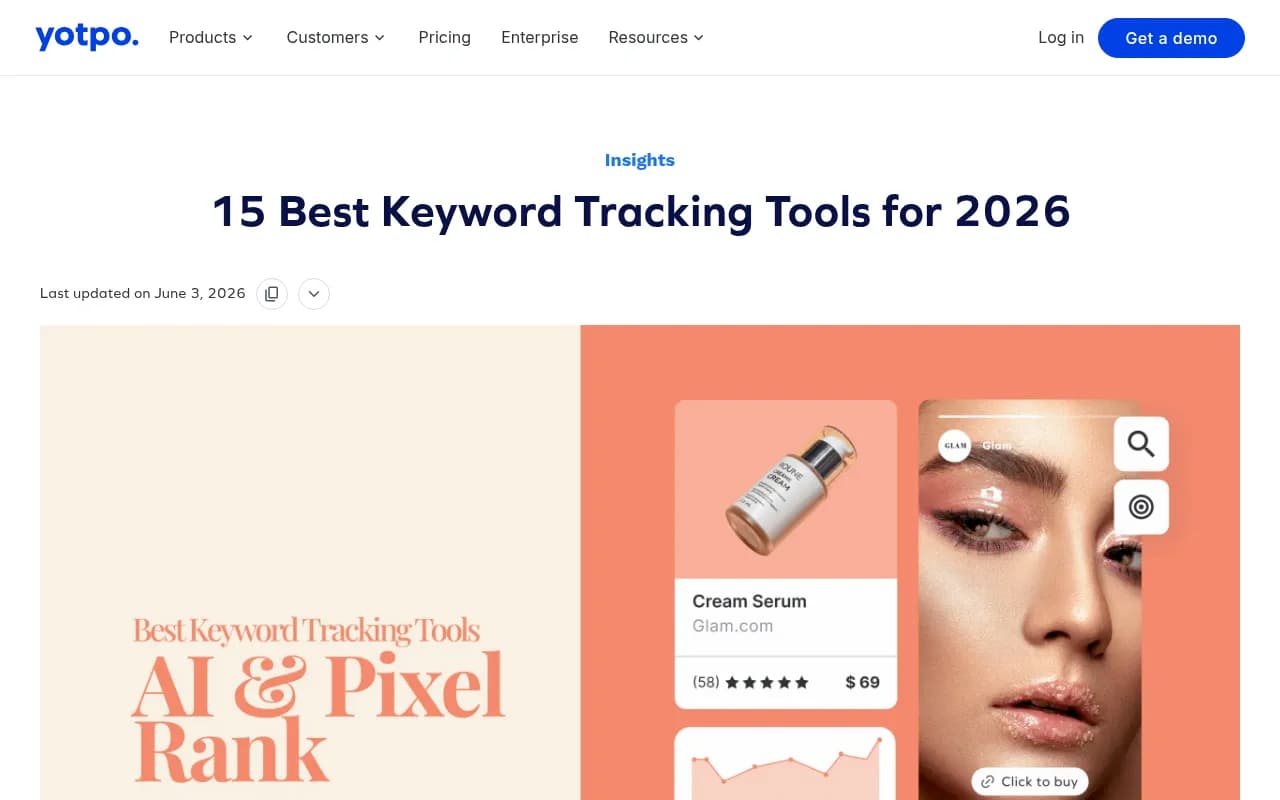
Your rank tracker says you're winning. Your traffic says otherwise. This is what Yotpo's research calls "the great decoupling" -- the growing gap between where you rank and whether anyone actually sees you.
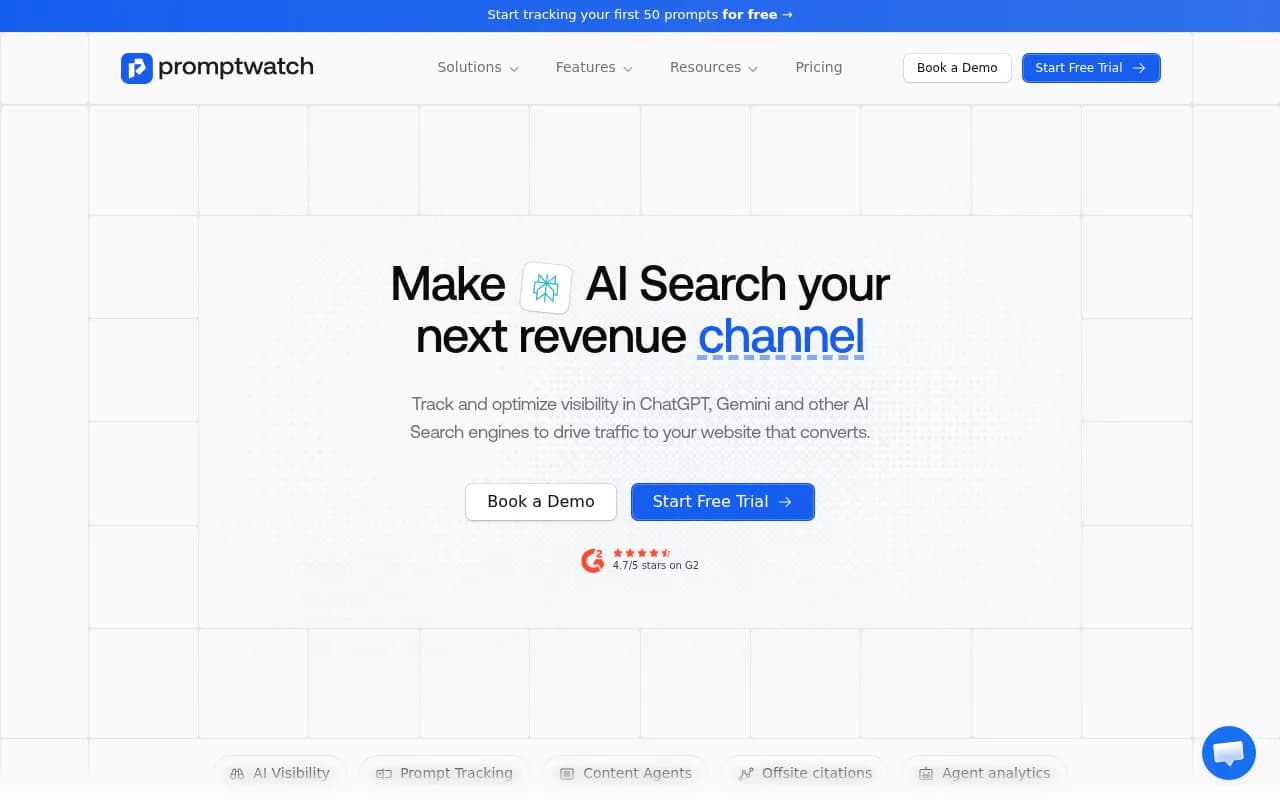
The tools below handle this problem in different ways. Some track SERP features like AI Overviews alongside organic positions. Some have built dedicated AI search modules. A few do both reasonably well. None of them are pure AI visibility platforms -- for that, you'd want something like Promptwatch, which tracks brand citations across ChatGPT, Claude, Perplexity, Gemini, and eight other AI engines.
But if your core need is accurate, fast keyword rank tracking with some AI coverage layered on top, read on.
AccuRanker
AccuRanker is a specialist. It doesn't do site audits, backlink analysis, or content optimization. It tracks keyword rankings, and it does that one thing faster and more accurately than almost anything else on the market.
The platform's main selling point is on-demand refreshes. Most rank trackers update daily at a fixed time. AccuRanker lets you trigger a manual refresh whenever you need it -- useful when you've just pushed a major content update and want to see the impact within hours rather than waiting until tomorrow morning.
For large e-commerce sites managing tens of thousands of SKUs, this speed matters. You can spot a ranking drop on a high-revenue product page and investigate immediately, rather than discovering it in next week's report.
What AccuRanker covers for AI search
AccuRanker tracks SERP features including AI Overviews, featured snippets, local packs, and shopping results. You can see whether your page appears in an AI Overview, whether a competitor's page does, and how that affects your estimated click share. This is SERP feature tracking, not LLM citation tracking -- it tells you about Google's AI surfaces, not ChatGPT or Perplexity.
The reporting is strong. You get Share of Voice metrics, competitor comparisons, and data exports. The Looker Studio connector is included on most plans, which agencies appreciate.
Limitations
AccuRanker is expensive relative to what you get if you only manage a handful of keywords. It's priced per keyword, and costs climb quickly at scale. There's also no site audit, no backlink data, and no content tools -- so you're paying for a standalone tracker and will need other tools alongside it.
For teams that need an all-in-one platform, AccuRanker is the wrong fit. For teams that already have Ahrefs or Semrush and want a faster, more reliable rank tracker on top, it makes more sense.
SE Ranking
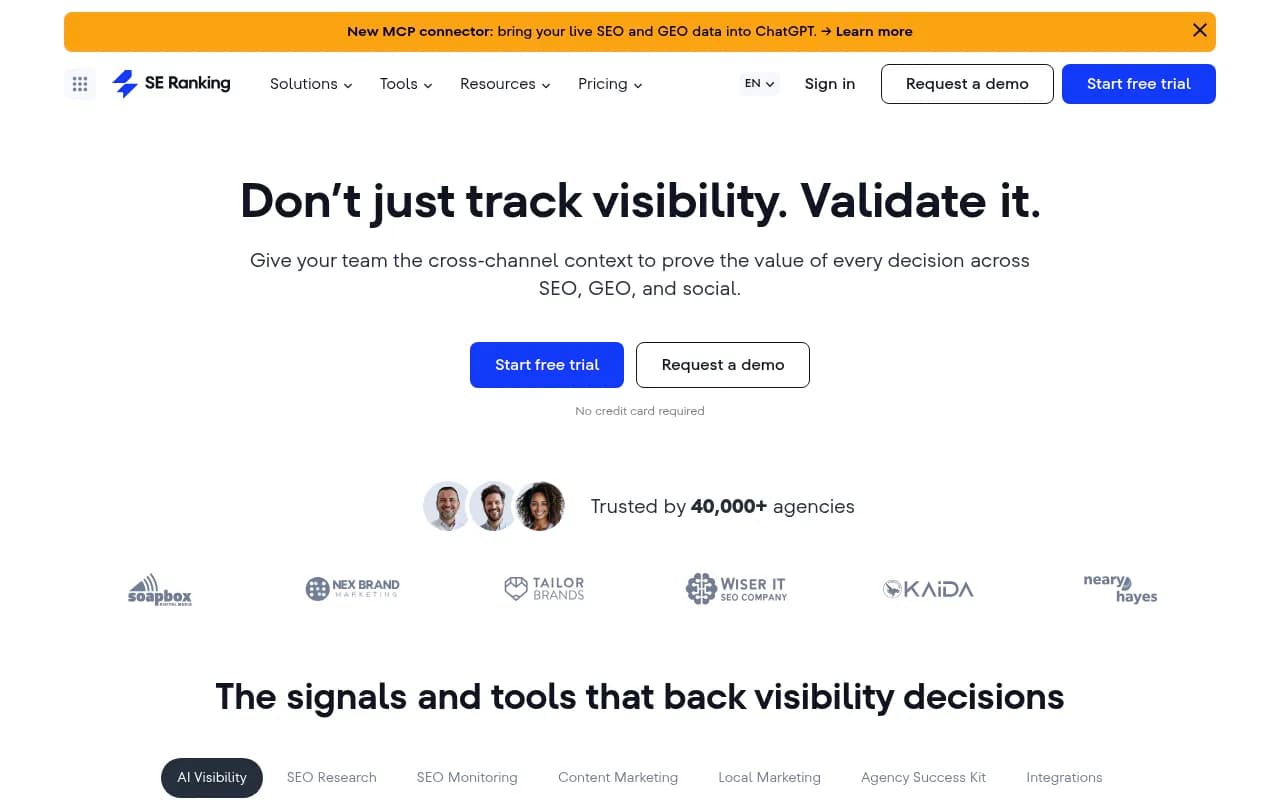
SE Ranking is the most complete all-in-one option in this group. It covers rank tracking, site audits, backlink analysis, keyword research, and content optimization in one platform -- and it does all of this at a price point that's roughly 50% cheaper than Semrush Pro at the entry tier.
For agencies, the multi-client workspace is the headline feature. You manage all client accounts from a single dashboard, with separate keyword groups, reports, and access levels per client. The white-label setup is thorough: clients log into your domain, see your branding, and never encounter SE Ranking's name.
What SE Ranking covers for AI search
SE Ranking has invested more in AI search coverage than most rank trackers. Their research team actively monitors AI Overview prevalence (that 18.76% figure mentioned earlier comes from their own data). The platform tracks whether your keywords trigger AI Overviews in Google and shows your Share of Voice within those surfaces.
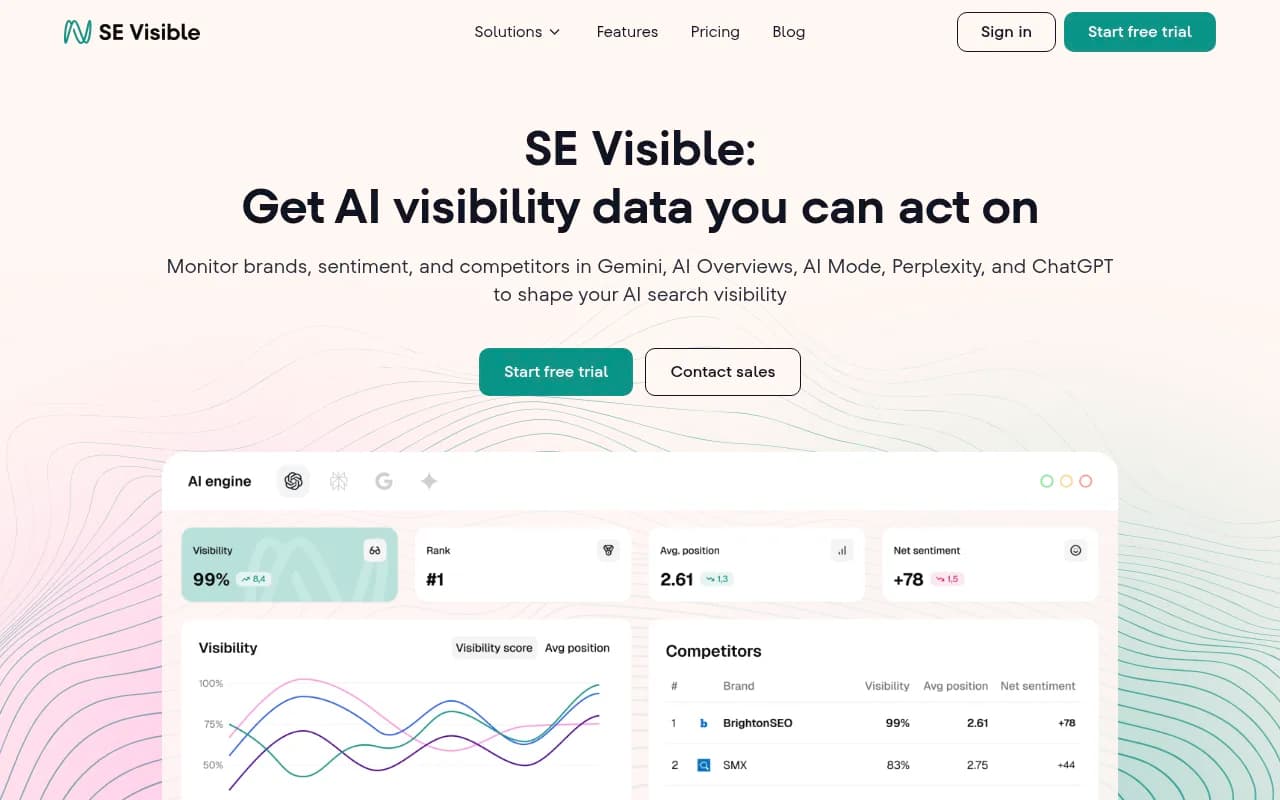
SE Ranking also has a separate product called Visible (SE Ranking Visible) that focuses specifically on AI search visibility across LLMs. It's worth knowing about if AI citation tracking is a priority.
The Report Builder is genuinely good. Twelve SEO templates, automated scheduling, GA4 and GSC integration, and white-label delivery. For agencies producing weekly or monthly client reports, this saves real time.
Limitations
Daily tracking on lower-tier plans covers fewer keywords than you might expect. If you're managing large keyword sets across multiple clients, costs can add up. The platform also covers Google, Bing, Yahoo, and YouTube -- but not the full range of AI search engines that dedicated platforms track.
Advanced Web Ranking
Advanced Web Ranking (AWR) has been around since 2002 and has quietly built one of the deepest SERP feature tracking systems in the market. Their homepage in 2026 explicitly positions the tool as "the most trusted SEO rank tracker with full AI Search Visibility" -- which is a bolder claim than most rank trackers make.
AWR tracks a wide range of SERP features: AI Overviews, featured snippets, local packs, knowledge panels, image carousels, video results, and more. The historical data goes back years, which is useful for spotting long-term trends that shorter-history tools miss.
What AWR covers for AI search
AWR's AI search visibility coverage focuses primarily on Google's AI surfaces -- AI Overviews and AI Mode -- rather than external LLMs. But within that scope, the tracking is detailed. You can see which of your pages appear in AI Overviews, which competitors are being cited, and how your visibility in AI surfaces has changed over time.
The platform also supports a large number of search engines beyond Google, including regional engines, which matters for international SEO campaigns.
Reporting in AWR is flexible. You can build custom reports, schedule automated delivery, and white-label outputs for clients. The interface is less polished than SE Ranking or AccuRanker, but the data depth compensates.
Limitations
AWR's interface feels older than its competitors. The learning curve is steeper, and some features require more configuration to get right. It's not the tool you'd choose if you want something that works out of the box in 30 minutes.
Pricing is competitive, especially for agencies managing many domains. But if you want a modern, clean interface with strong AI LLM tracking, AWR may feel like a step back.
Nightwatch
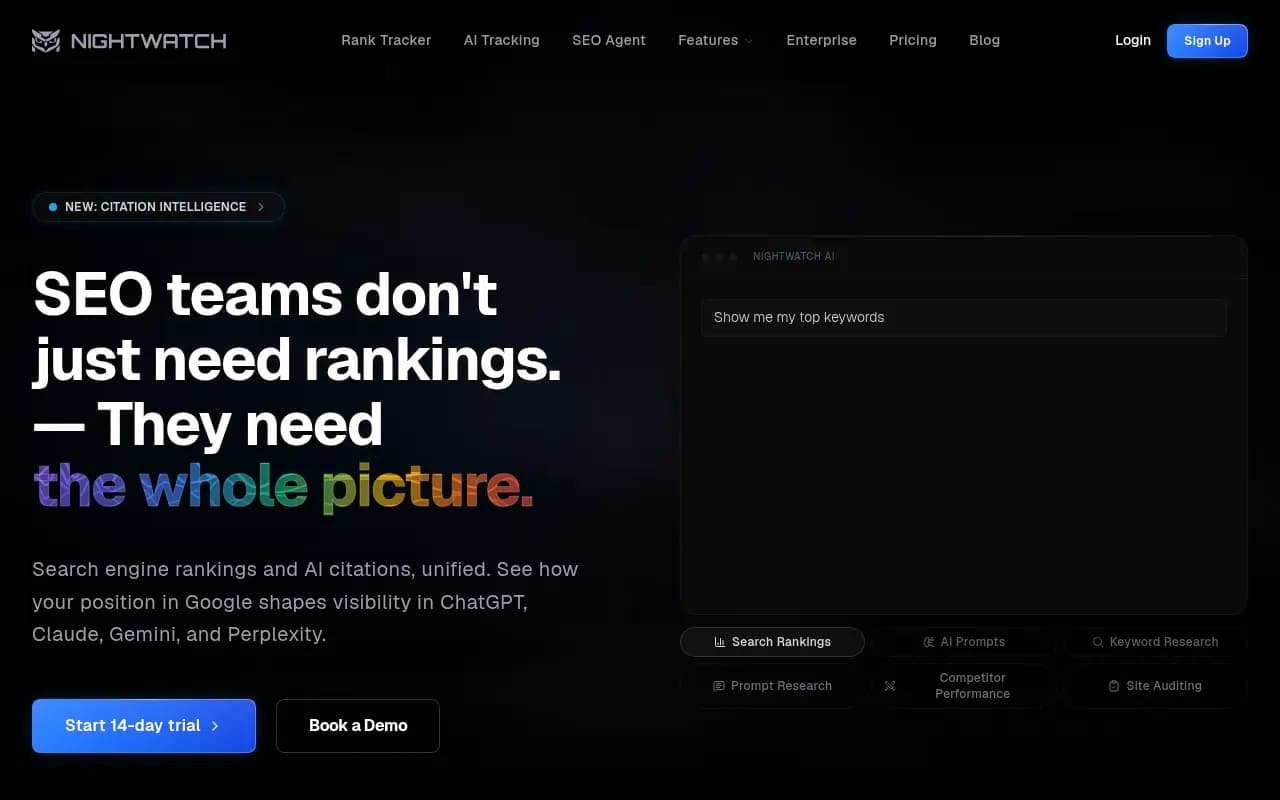
Nightwatch is the most interesting tool in this group for smaller teams and agencies that need local SEO precision alongside AI search coverage. The platform offers ZIP-code level tracking -- you can monitor rankings for a specific neighborhood, not just a city -- which is genuinely useful for multi-location businesses and local SEO campaigns.
What Nightwatch covers for AI search
Nightwatch has built AI search visibility tracking into the core product, not as an add-on. You can monitor how your brand and pages appear in AI search engines alongside traditional Google rankings. The combination of granular local tracking and AI visibility in one affordable platform is what sets Nightwatch apart from the other tools here.
Daily updates are standard across plans, not a premium feature. The interface is clean and modern, and the onboarding is fast.
Limitations
Nightwatch is less feature-rich than SE Ranking or AWR on the all-in-one side. There's no native backlink analysis or site audit. For agencies that need a full suite, Nightwatch works best as a rank tracking layer alongside other tools.
The AI search coverage, while present, is narrower than what dedicated AI visibility platforms offer. If you need to track citations across ten LLMs with prompt-level data and content gap analysis, Nightwatch won't get you there.
Head-to-head comparison
| Feature | AccuRanker | SE Ranking | Advanced Web Ranking | Nightwatch |
|---|---|---|---|---|
| Daily rank updates | Yes | Yes | Yes | Yes |
| On-demand refresh | Yes | No | No | No |
| Local tracking | City level | City level | City level | ZIP code level |
| SERP feature tracking | Yes (incl. AI Overviews) | Yes (incl. AI Overviews) | Yes (extensive) | Yes |
| AI search visibility | Google AI surfaces | Google AI surfaces + Visible add-on | Google AI surfaces | AI search engines (broader) |
| LLM citation tracking | No | Via Visible product | No | Partial |
| White-label reports | Yes | Yes (full rebrand) | Yes | Yes |
| Site audit | No | Yes | No | No |
| Backlink analysis | No | Yes | No | No |
| Multi-client workspace | Yes | Yes | Yes | Yes |
| API access | Yes | Yes | Yes | Yes |
| Best for | Large e-commerce, speed-focused teams | Agencies needing all-in-one | Deep SERP feature analysis, international | Local SEO, smaller agencies |
| Starting price (approx.) | ~$129/mo | ~$65/mo | ~$49/mo | ~$39/mo |
Which tool should you choose?
The honest answer is that it depends on what's actually slowing you down.
If your biggest problem is keyword tracking speed and accuracy at scale -- you manage 50,000+ keywords across a large e-commerce site and need to react to ranking changes within hours -- AccuRanker is the right choice. Accept that you'll need other tools for everything else.
If you run an agency and need one platform that handles rank tracking, site audits, client reporting, and white-label delivery without breaking the budget, SE Ranking is the strongest all-in-one option. The Visible add-on gives you a path into AI citation tracking when clients start asking about it.
If you do a lot of international SEO or need the deepest possible SERP feature history, Advanced Web Ranking's data depth is hard to beat. The interface takes getting used to, but the coverage is genuine.
If you focus on local SEO or run a smaller agency where budget matters, Nightwatch's combination of ZIP-code precision, daily updates, and AI visibility tracking at an accessible price point makes it the most practical starting point.
The gap these tools don't fill
Here's the thing none of these tools fully solve: tracking how your brand appears in ChatGPT, Claude, Gemini, Perplexity, and the other AI search engines where your customers are increasingly starting their research.
That's a different problem from rank tracking. It requires monitoring actual AI model outputs, tracking which pages get cited, understanding why competitors appear and you don't, and then doing something about it -- creating content that fills the gaps AI models are exposing.
Tools like Promptwatch are built specifically for this. It tracks brand visibility across ten AI engines, shows you which competitors are being cited in responses you're missing from, and has content generation tools that help you create pages engineered to fill those gaps. It's a different category from rank tracking -- closer to GEO (Generative Engine Optimization) than SEO.
The practical approach for most teams in 2026 is a hybrid stack: one of the rank trackers above for Google and traditional search, plus a dedicated AI visibility platform for LLM monitoring. The two categories are complementary, not competing.
A few other tools worth knowing about
If none of the four main tools fit your situation, a few others are worth a look depending on your specific needs.
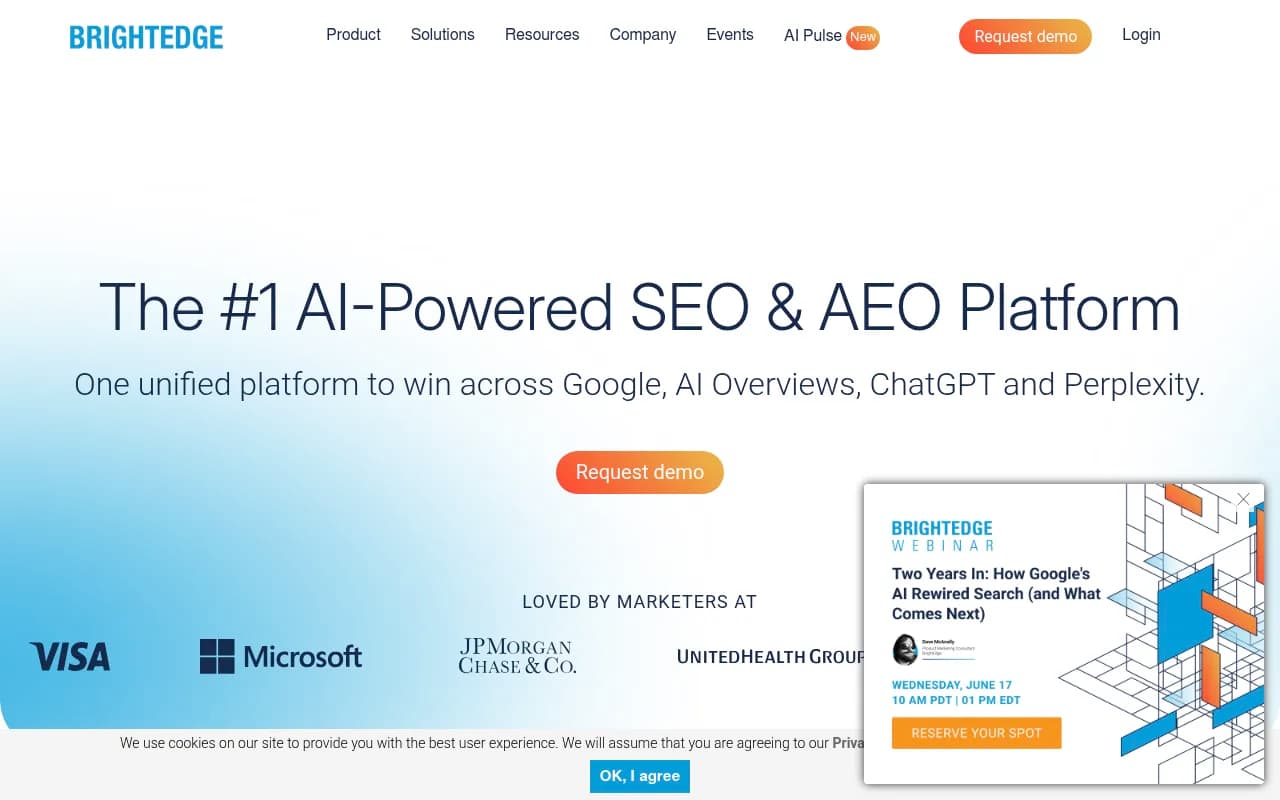
For enterprise teams that need SEO and AI search intelligence in one platform, BrightEdge and Semrush both have strong offerings.
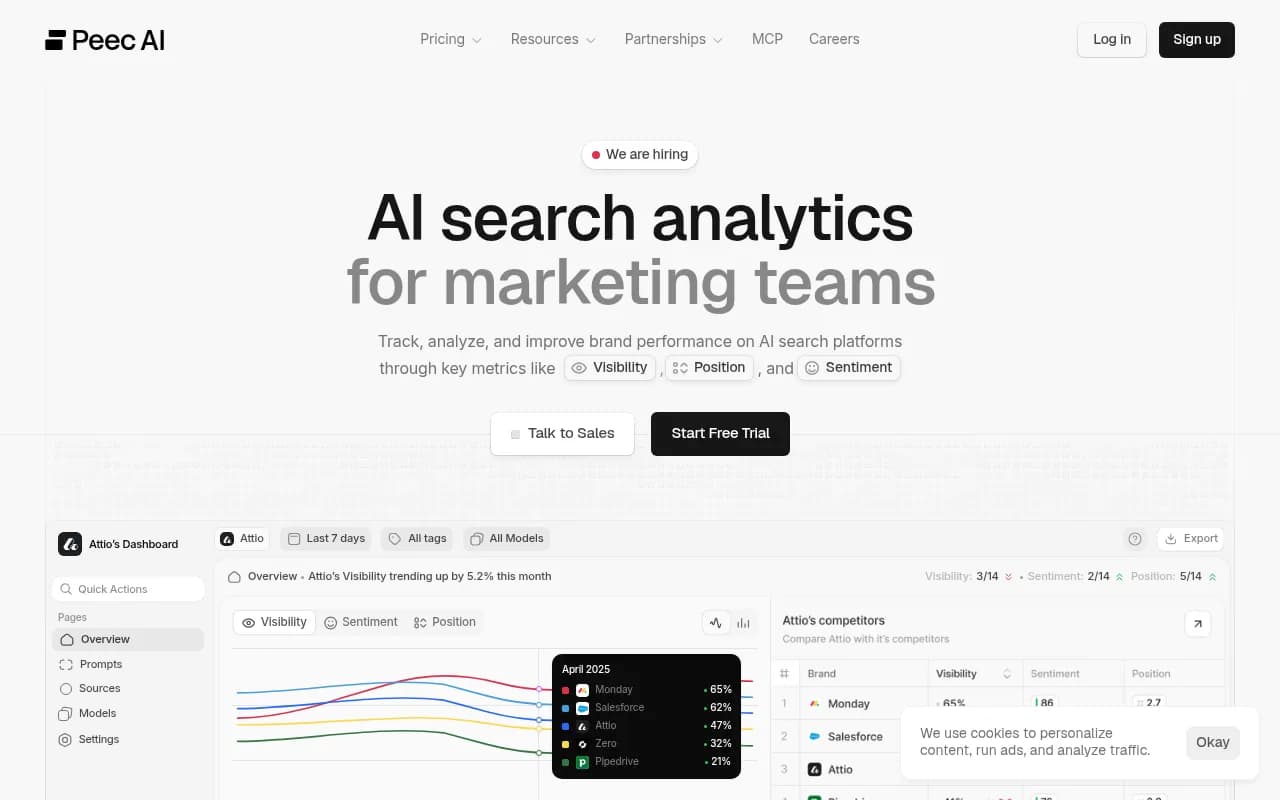
For agencies specifically focused on AI search visibility (rather than traditional rank tracking), Search Party and Peec AI are worth evaluating.
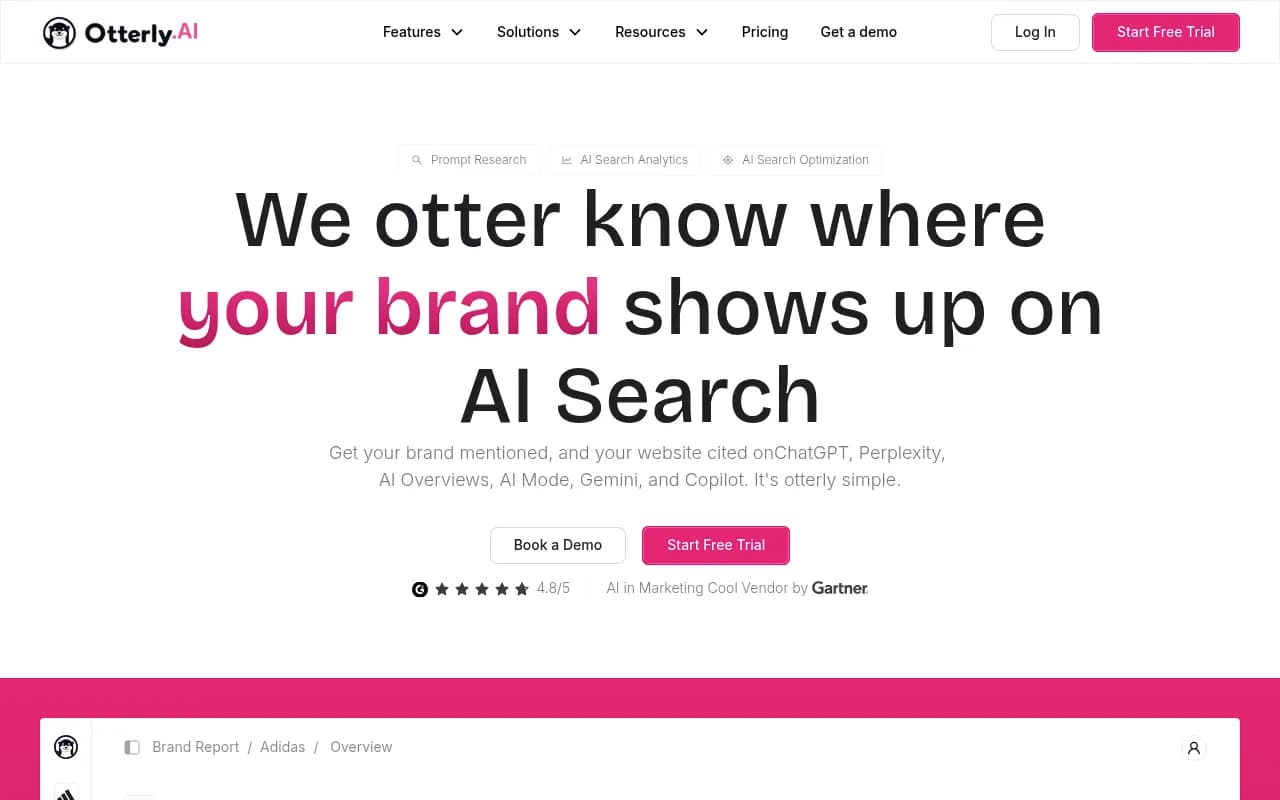
And if you want to track AI search visibility without committing to a full enterprise platform, Otterly.AI is a lightweight option that covers the basics at a low price.
Bottom line
Rank tracking in 2026 is more complicated than it was two years ago, and the tools that were built for the old world are catching up at different speeds. AccuRanker, SE Ranking, Advanced Web Ranking, and Nightwatch are all genuinely good at tracking keyword positions -- they differ mainly in speed, breadth, local precision, and how seriously they've invested in AI search coverage.
The bigger shift is that "ranking" and "visibility" are no longer the same thing. A tool that tells you where you rank on page one of Google is giving you part of the picture. The rest of the picture -- whether AI models are citing you, recommending you, or ignoring you entirely -- requires a different kind of tracking.
Start with the rank tracker that fits your workflow. Then figure out your AI visibility story separately. Those two things together give you an accurate view of where you actually stand in 2026.