Key takeaways
- Local GEO is a mix of recurring maintenance (listings, reviews, FAQs) and one-off outreach (roundups, press, citations). Different owners suit each half.
- Software fits the monitoring and data-hygiene work. An in-house marketer fits the review and content work. An agency fits outreach, audits and multi-market strategy.
- Most businesses end up with a hybrid. The question is which layer you pay a person for and which you automate.
- Treat "best agency" lists with suspicion. Onely's research on real estate found 12 of 12 agency-published lists ranked their own publisher first.
- Whoever you choose, measure AI visibility on a fixed prompt set so you can tell whether the work moved anything.
What local GEO actually involves
Local GEO (generative engine optimization) is the work of getting a location-based business named and cited when someone asks ChatGPT, Gemini, Perplexity or Google's AI features for a recommendation near them. It overlaps with local SEO, but the surfaces are different. A map pack ranks listings. An AI answer picks a handful of sources, summarizes them, and sometimes names two or three businesses.
So the job splits into a few buckets:
- Keeping business data accurate across listings and aggregator profiles
- Collecting and answering reviews on the sites AI engines read
- Publishing location pages, service pages and FAQs that answer questions plainly
- Getting included in third-party roundups, local press and directories
- Measuring whether any of it changes what AI says about you
The first two are recurring. The fourth is campaign work. That difference drives most of the decision below.
What the data says about where AI looks
I can't give you a clean local-only dataset, because Promptwatch's public reports don't isolate map packs or Google Business Profile. But they do show which content and source types get cited, and that is enough to guide who should own what.
In Promptwatch Data's content type report (Sep 28 to Oct 4, 2026), product pages took 22.4% of ChatGPT citations and landing pages 16.8%. Listicles got 13.6%, how-tos 8.7%, and reviews 1.7%. For branded prompts, meaning people asking about a specific company, reviews rose to 5.6%, more than three times their overall share, and FAQ pages reached 4.8%.
Two practical readings. First, your own service and location pages carry a lot of weight, so they need to be complete. Second, what people say about you on review sites matters more when the question is about you by name.
The travel data is the closest thing to a location-based sample. In Promptwatch's travel citation report (Sep 28 to Oct 4, 2026), booking and search sites earned the largest share of citations, with Skyscanner, Going and Tripadvisor leading. The 17 charted domains together held only 4.18% of travel citations, so the field is spread across many sites. For a local business, that means third-party listings and aggregator profiles are citation surfaces you don't control directly, and stale data there costs you.
One more point on timing. Promptwatch's content half-life report found that news pages lost half their cited pages within 36 days, while landing pages and docs stayed cited longest. Evergreen location and service pages are worth building once and maintaining. Press-style content decays fast.
The three options compared
| In-house marketer | SEO agency | Software | |
|---|---|---|---|
| Best at | Reviews, local knowledge, FAQs, day-to-day updates | Outreach, audits, multi-market strategy, technical fixes | Monitoring, listing sync, review alerts, reporting |
| Weak at | Specialist technical work, outreach at scale | Daily responsiveness, deep knowledge of your customers | Judgment, writing with real local detail, relationships |
| Cost shape | Salary plus tools | Monthly retainer | Subscription, often per location |
| Speed to start | Slow (hiring) | Fast | Fastest |
| Risk | One person becomes a bottleneck | Paying for scope and hours rather than results | Dashboards nobody acts on |
| Fits | One to a few locations with steady capacity | Competitive markets, many locations, no internal SEO skills | Everyone, as a base layer |
I haven't included salary or retainer figures. I don't have verified numbers for 2026 and ranges vary wildly by market, so get quotes rather than trusting a blog's average.
When an in-house marketer should own it
Give local GEO to someone on your team when the work is mostly knowing your business. They know which services you actually want more of, which customers leave good reviews, and what questions come up on the phone. That knowledge is what makes an FAQ page or a review reply useful instead of generic.
It works best when:
- You have one location, or a few that operate similarly
- Someone already owns your website and Google Business Profile
- Review volume is steady enough that responses and requests can become a weekly habit
- You can pair them with software so they aren't hand-checking listings
Where it breaks: outreach. Getting into local roundups, earning press mentions and building citations on respected sites is slow, relationship-driven work, and a generalist marketer with ten other jobs rarely does it consistently.
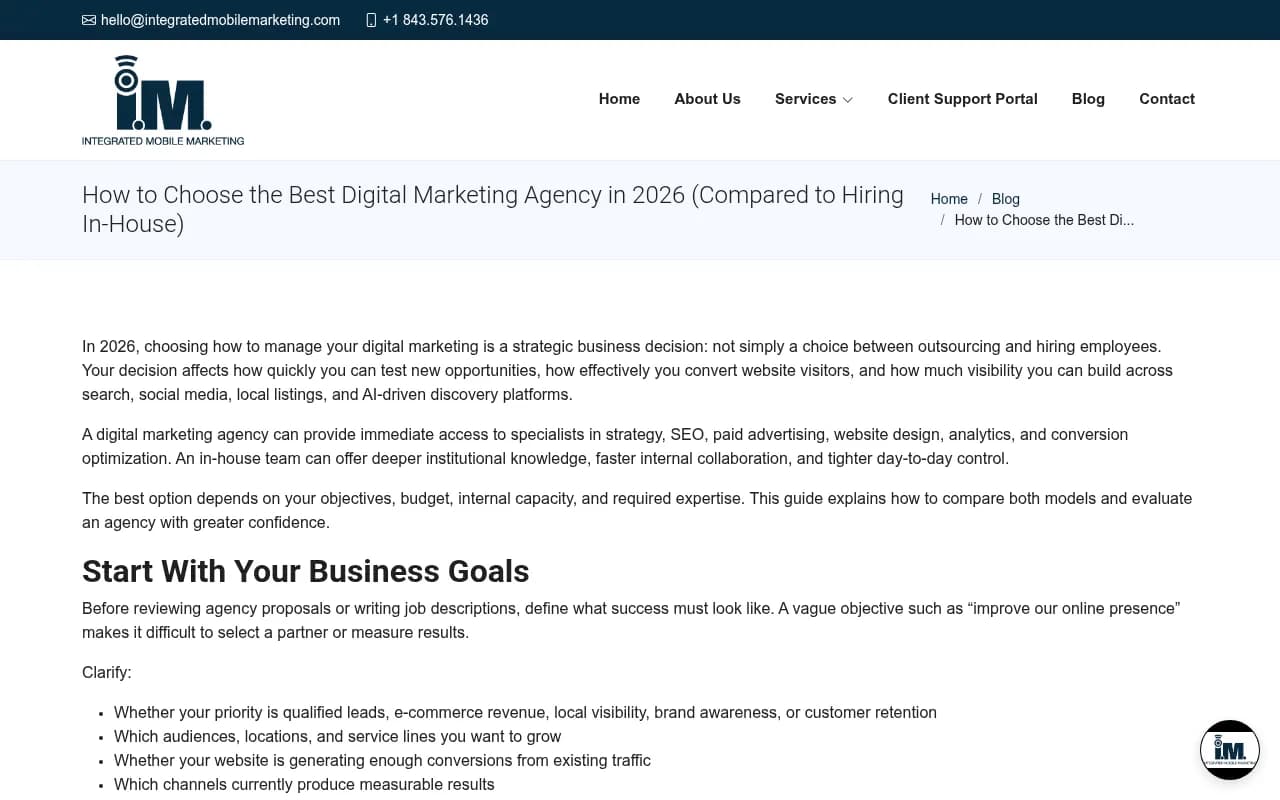
The Integrated Mobile Marketing comparison frames this well: an agency gives you immediate access to specialists, while an in-house team brings institutional knowledge and tighter day-to-day control. For local work, that control matters more than people expect.
When an agency makes sense
Hire an agency when you lack the skills, the time, or the scale to do it internally. Three situations stand out.
First, a competitive market where several businesses already dominate AI answers and you need a campaign, not maintenance. Second, many locations, where consistency and governance are the problem. Third, technical issues such as blocked AI crawlers, broken schema or messy site architecture that nobody on your team can diagnose.
A good agency should be able to explain what it will change, how it will measure AI visibility (not just rankings), and what it needs from you. If you are weighing agencies that cover SEO and GEO together, 1001 SEO Media is one example; they work with senior specialists, no long-term contracts and monthly reporting, and use Promptwatch for AI visibility tracking.
How to vet an agency without trusting the lists
Be careful with "best local SEO agency" roundups. Onely looked at 14 published lists of top real estate SEO agencies and found 12 were published by companies that sell the service, and all 12 ranked their own publisher first (Onely). That is one industry, but I'd assume the pattern is common. The same goes for some AI answers, which Onely found often repeat those same lists.
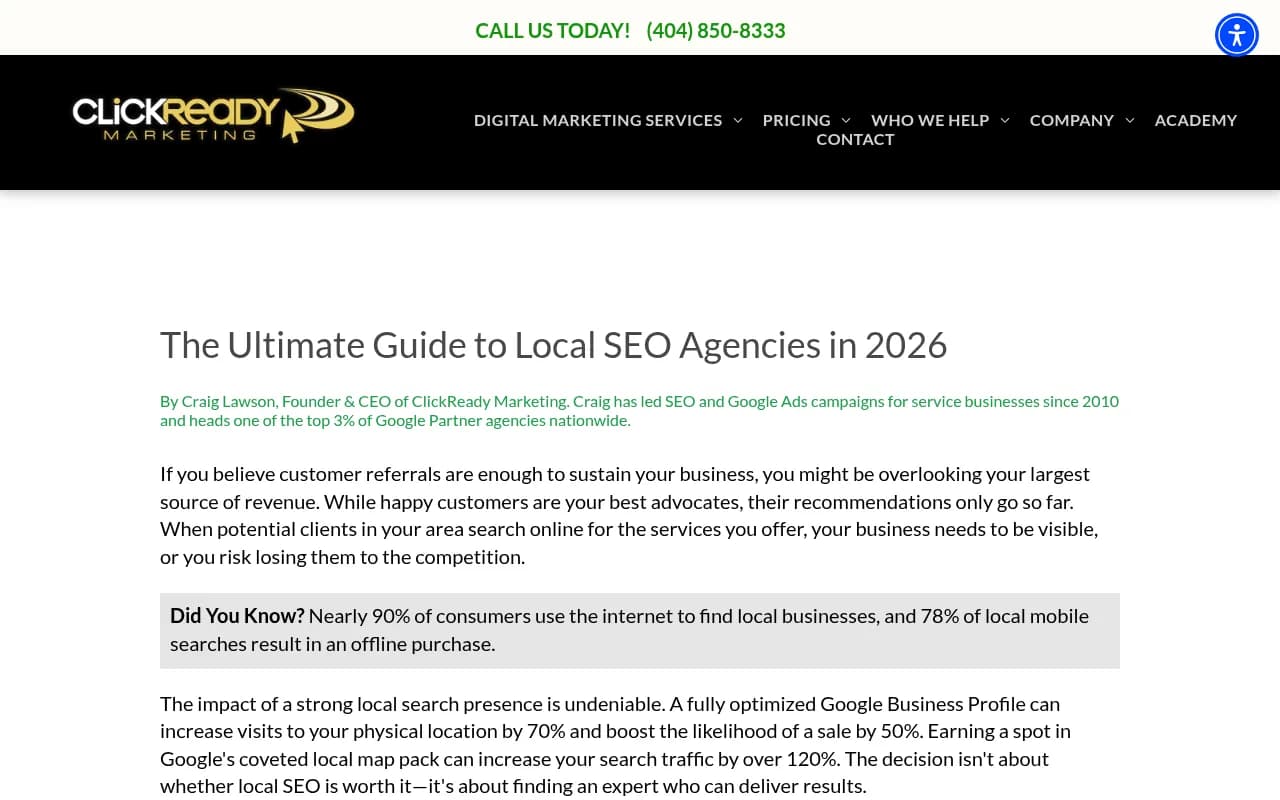
The ClickReady guide below is a typical example: useful context, but written by an agency that names itself the winner.
Instead of reading rankings, ask for:
- A before-and-after example in your type of market, with the metric defined
- How they track visibility in ChatGPT, Gemini, Perplexity and AI Overviews specifically
- Who actually does the work, and whether it's the person who sold you
- Contract terms and how you leave
- What they will not do, such as buying reviews or spamming directories
Onely's own conclusion is a fair one: choose on the questions buyers ask before they ask who to hire, in each market, with a result as proof. It also says plainly that Onely itself isn't focused on small businesses or local search, which is the kind of scoping you want to hear from any agency.
When software should carry the load
Software is the right owner for anything repetitive, measurable and boring. Listing sync, review alerts, rank and visibility tracking, scheduled reports. It doesn't tire, and it doesn't forget.
Local-specific platforms in the catalog are worth knowing:
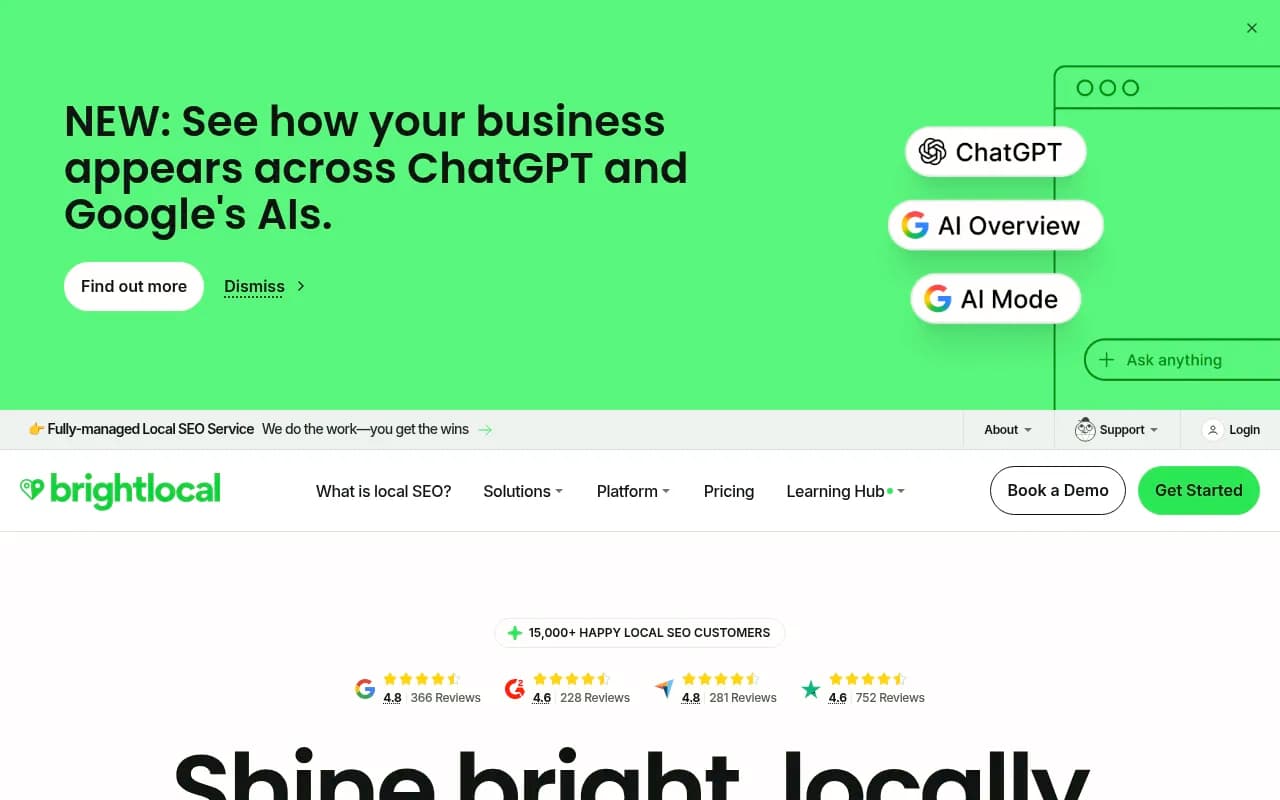
BrightLocal covers local rankings, listings and reviews, and now adds AI visibility tracking. It's a sensible base for a single business or a small agency.
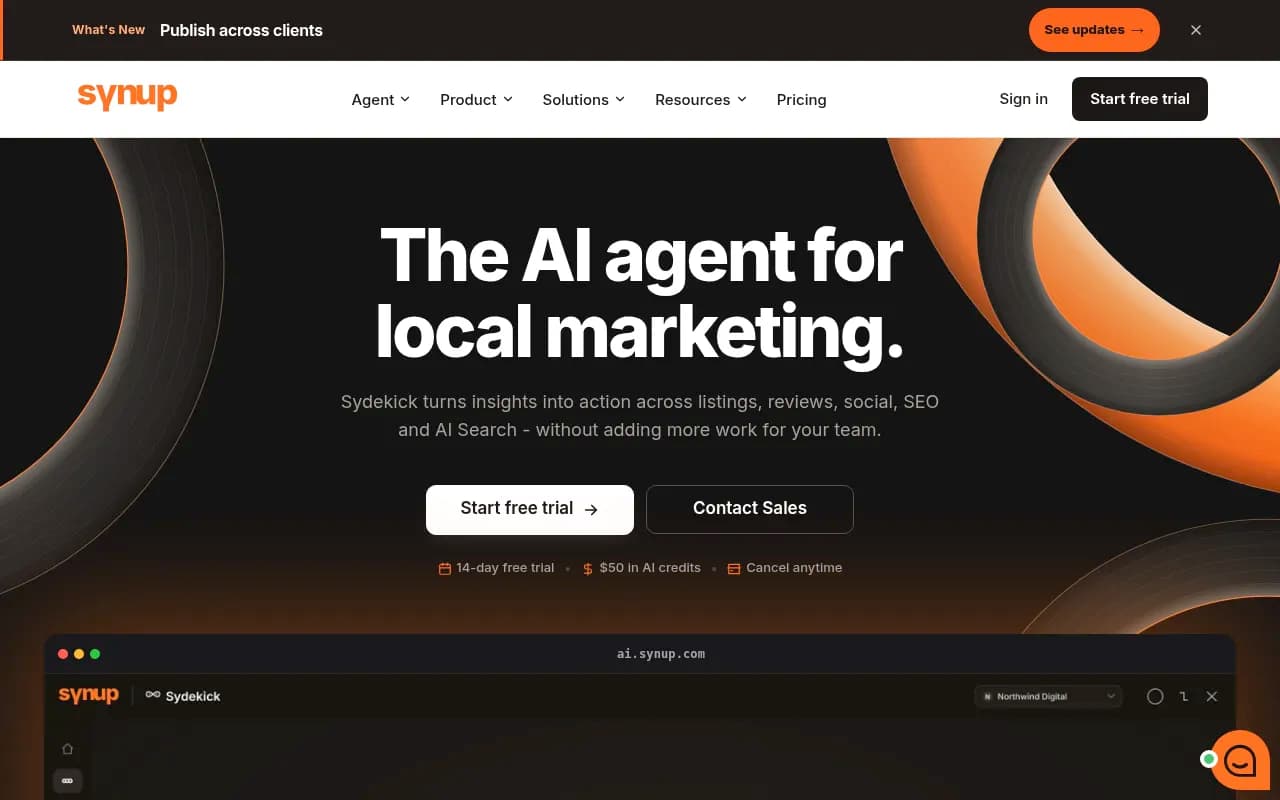
Synup positions itself as a local marketing agent that fixes listings and replies to reviews, which targets the recurring work directly.
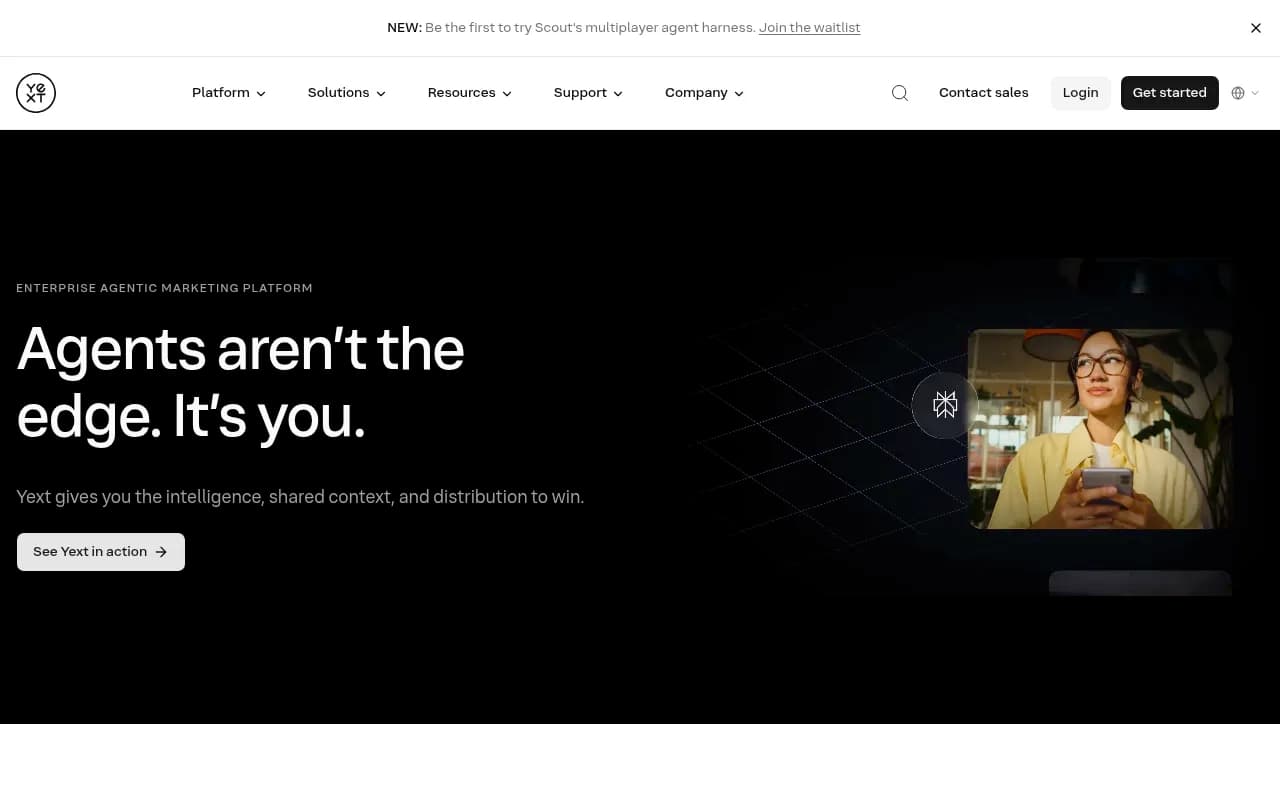
Yext focuses on verified brand data pushed to many search and AI channels, so it suits businesses where inconsistent data across sources is the main problem.
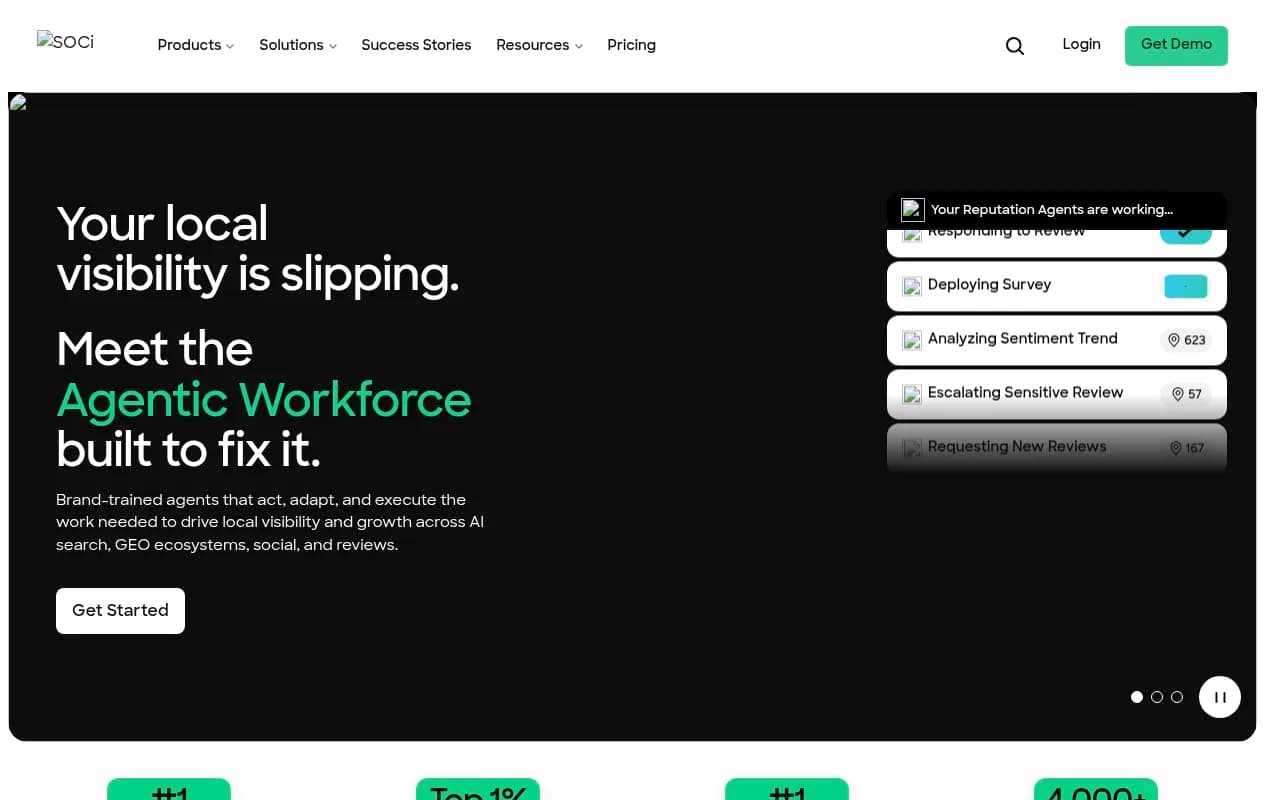
SOCi runs local search, reviews and social across many locations with AI agents, aimed at multi-location brands.
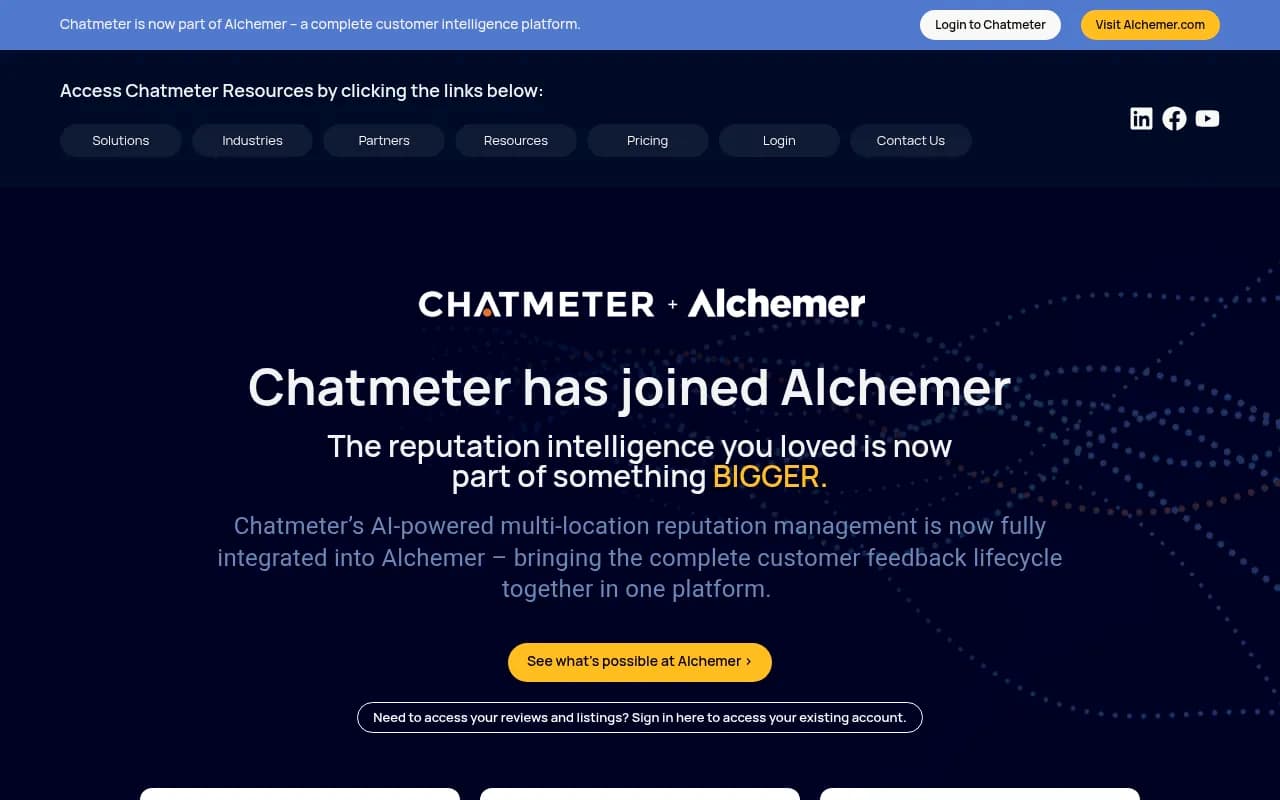
Chatmeter combines multi-location reviews, listings and local pages in one platform.
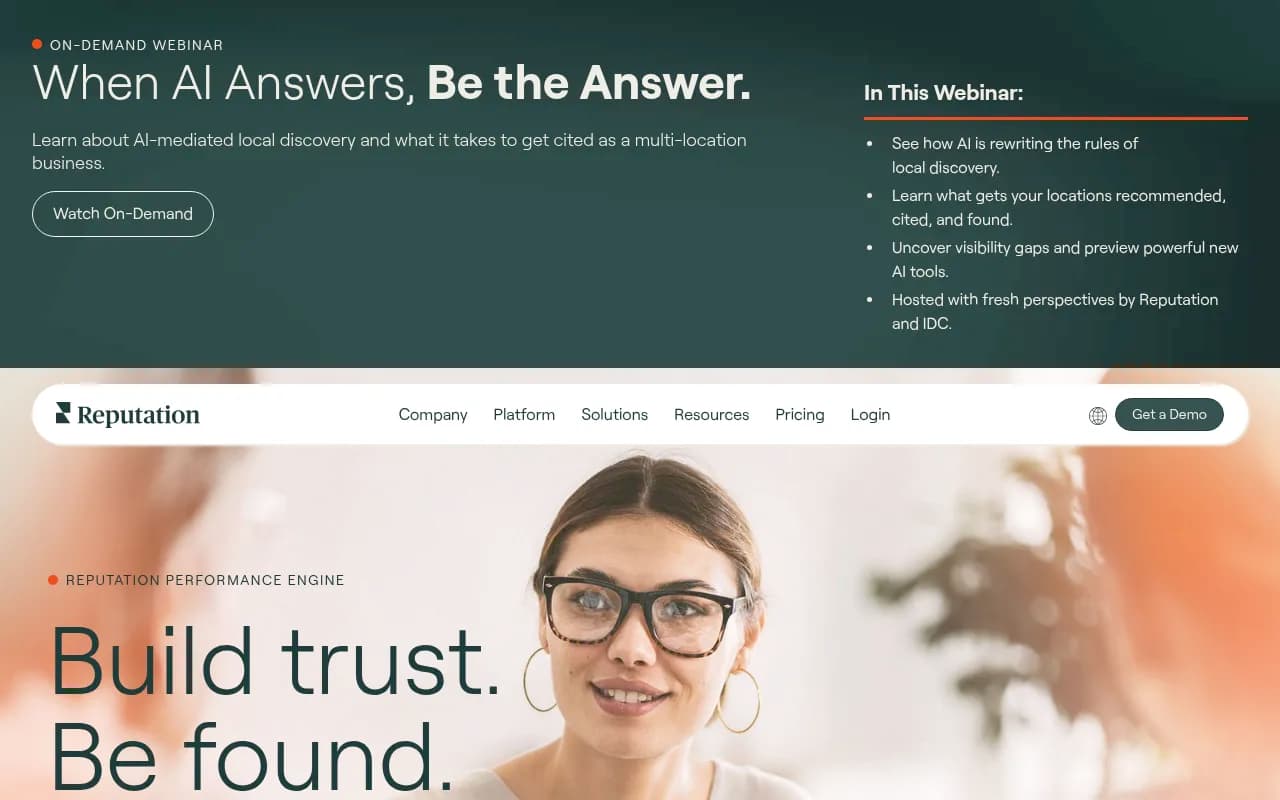
Reputation.com handles reviews, listings and surveys for multi-location brands, which fits when reputation is the main lever.
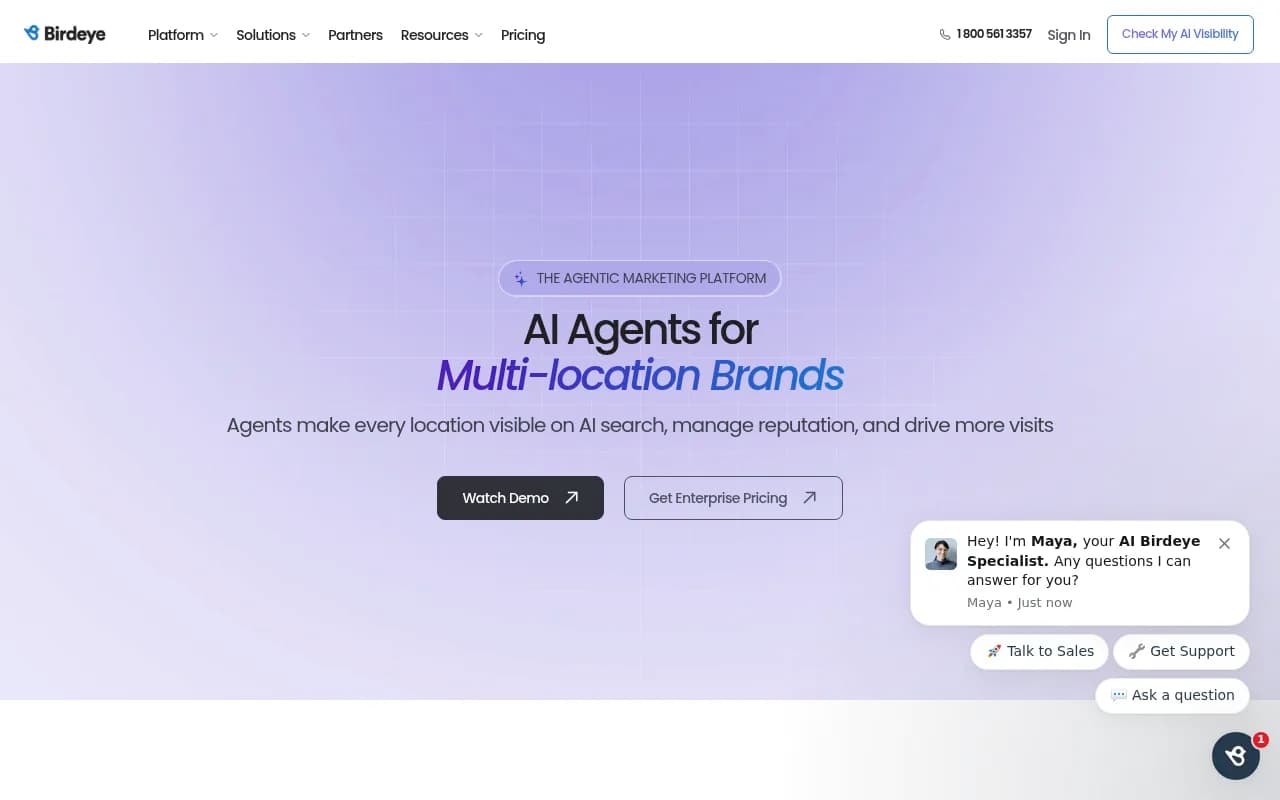
Birdeye Search AI tracks local AI visibility at the location level, which is the granularity you need if results differ by city.
For tracking how AI engines actually answer questions about your business across models and regions, an AI visibility platform fills a different gap from listing tools. Promptwatch tracks the real interfaces of ChatGPT, Google AI Overviews, Gemini, Perplexity and others, supports country tracking on every paid plan and state and city tracking from the Business tier, and includes an Action Board that turns gaps into a to-do list. Confirm current plans at promptwatch.com/pricing.

If you want to browse beyond these, the GEO software directory lists more options by category.
Software's blind spot
A dashboard doesn't fix anything. I've seen teams pay for monitoring and then check it twice a quarter. Software owns the measurement and the maintenance, but someone still has to decide what to publish, who to contact, and which review to answer personally.
A simple way to split the work
Try assigning by task type, not by vendor type.
| Task | Frequency | Best owner |
|---|---|---|
| Listing accuracy across directories | Ongoing | Software |
| Review requests and replies | Weekly | In-house, with software alerts |
| Location and service page copy | Quarterly | In-house, or agency if no writer |
| FAQ pages built from real customer questions | Quarterly | In-house |
| AI visibility tracking and reporting | Weekly | Software |
| Getting into local roundups and press | Campaign | Agency |
| Technical audit, crawler access, schema | Twice a year | Agency or technical freelancer |
| Multi-location governance | Ongoing | Software plus agency |
That table explains why hybrids win. The in-house person keeps the human parts human, the software handles the repeating checks, and the agency is brought in for the outreach and audit work where outside expertise and capacity pay off.
Decision guide by business type
Single-location service business
Start with software plus an owner or office manager spending a couple of hours a week on reviews and FAQs. Add an agency only if you're in a market where competitors are far ahead, or for a one-time audit.
A few locations with a marketing hire
Put the marketer in charge of reviews and content, buy a local platform for listings and reporting, and use an agency for a quarterly push on outreach.
Many locations or a franchise
Software is non-negotiable here, because consistency across dozens of listings can't be done by hand. Pair it with an agency or central team for governance and playbooks, and let local managers handle reviews.
No marketing capacity at all
An agency with clear reporting is usually the right call, but ask for a plan to build your own review and FAQ habits so you aren't dependent forever.
How to tell whether it's working
Whichever route you pick, define the test before the work starts.
- Write 20 to 50 prompts real customers would ask, including city and neighborhood variations.
- Record your baseline: are you mentioned, in what position, and which sources are cited?
- Re-run monthly and compare, ideally with a tool rather than by hand.
- Look at traffic and calls from AI referrals, not only mentions.
If the owner can't show you movement on those prompts after a few months, change the approach. Local GEO outcomes can take time, but a plan without a measurable prompt set is a plan you can't evaluate.
One caveat on the numbers floating around the web. The ClickReady guide claims nearly 90% of consumers use the internet to find local businesses; I couldn't verify that, so I'd not repeat it in a pitch deck.
The short answer
Give the repeatable maintenance to software, the customer-facing content and reviews to someone inside your business, and the outreach and technical audits to an agency when you need them. If you can only afford one, buy the software and the in-house hours first, since reviews, listings and plain FAQ pages are where the citation data points.