Key takeaways
- Searchable is a monitoring-only platform -- it shows you where you're invisible in AI search but gives you no tools to fix it
- Mid-market brands (roughly $5M-$50M revenue) need content generation, crawler logs, and prompt intelligence, not just dashboards
- The 7 gaps covered here are: no content generation, no crawler logs, limited model coverage, no prompt volume data, no Reddit/YouTube tracking, no ChatGPT Shopping visibility, and weak attribution
- Several alternatives cover these gaps at comparable or lower price points -- the right choice depends on your team size and workflow
- If you're evaluating Searchable and feel like something is missing, you're probably right
Searchable raised £3M in 2025, led by Freestyle Ventures, specifically to go after mid-market brands that need AI search visibility. The pitch makes sense on paper: mid-market companies are big enough to care about AI citations but too lean to build custom tooling. They need something that works out of the box.
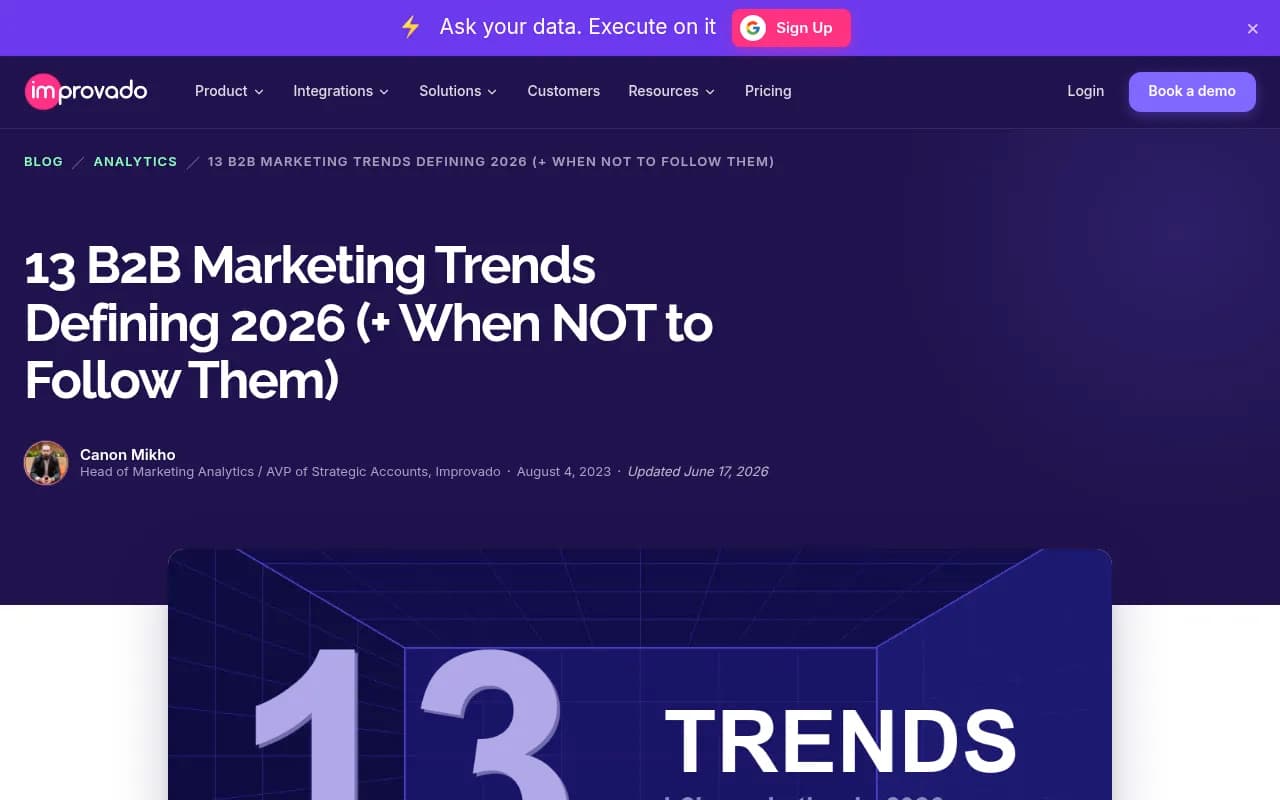
The problem is what "works" means in 2026. AI search has replaced traditional SEO as the primary discovery mechanism for B2B buyers. According to Improvado's 2026 B2B Marketing Trends report, 79% of global B2B buyers now use AI-driven tools like ChatGPT, Perplexity, and Google AI Overviews to research solutions before ever visiting a vendor website.
That shift means visibility monitoring alone isn't enough. You need to know where you're invisible, why, and what to do about it. Searchable handles the first part reasonably well. The other two are where mid-market teams keep hitting walls.
Here are the seven gaps, explained plainly.
Gap 1: No content generation or optimization tools
This is the biggest one. Searchable tells you which AI prompts your competitors are getting cited for that you aren't. That's genuinely useful data. But then it stops.
There's no content brief generator, no article creation workflow, no way to take that gap data and turn it into something you can publish. Your team has to manually interpret the findings, write a brief from scratch, hand it to a writer or an AI tool, and hope the output actually addresses what the AI models want.
For a 3-person marketing team at a $15M SaaS company, that's a significant amount of friction. The whole point of identifying a content gap is to close it. If your visibility platform can't help you do that, you're paying for a problem statement with no solution attached.
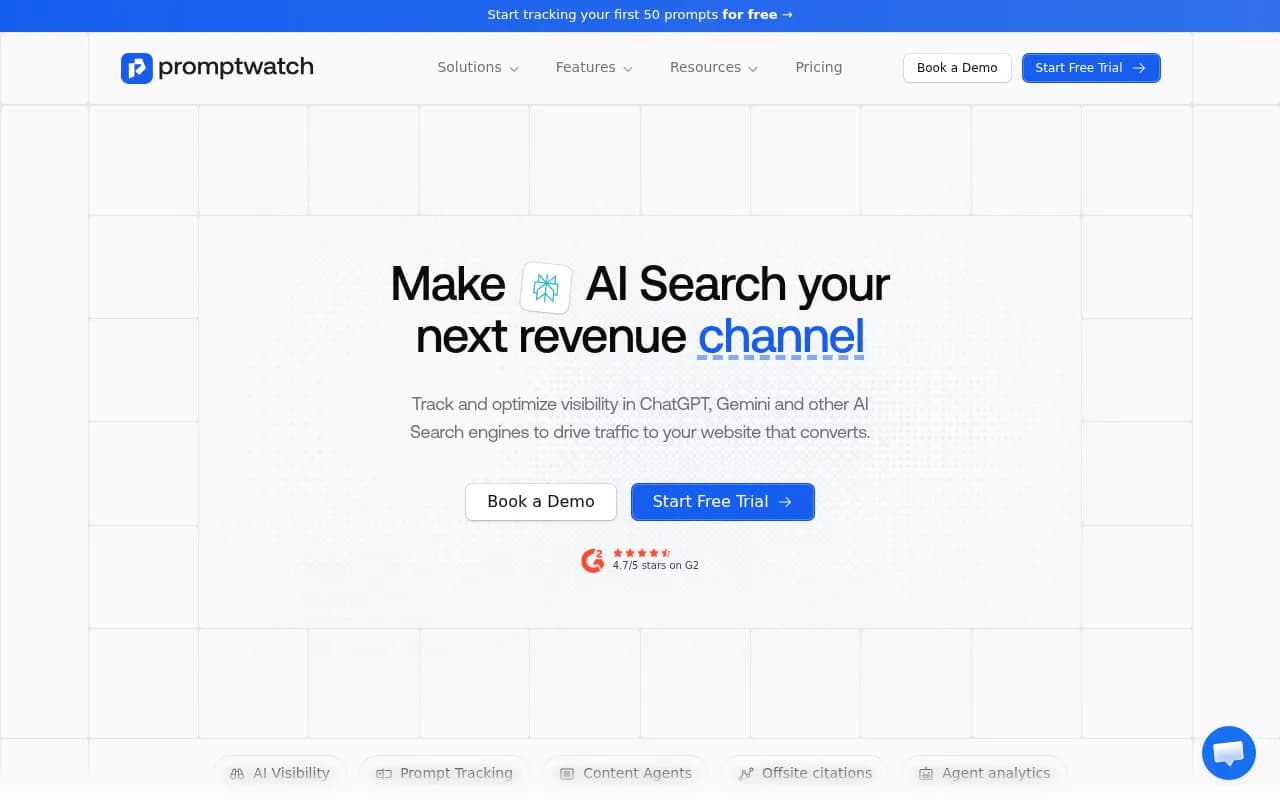
Platforms like Promptwatch have built content generation directly into the gap analysis workflow -- you find the gap, generate a content brief or full article grounded in real prompt data, publish it, and then track whether it gets cited. That closed loop is what mid-market teams actually need.
Gap 2: No AI crawler logs
When an AI model like ChatGPT or Perplexity crawls your website, it leaves a trace. Which pages did it visit? Did it encounter any errors? How often does it return? When did a crawled page start getting cited in responses?
Crawler logs answer all of these questions. They're the diagnostic layer that tells you whether AI models can even read your content properly, before you spend time optimizing it.
Searchable doesn't surface this data. You're essentially flying blind on the technical side -- you can see that you're not getting cited, but you can't tell if that's because your content is weak or because the crawler hit a 403 error on your most important pages.
This matters more than most teams realize. A misconfigured robots.txt or a JavaScript-heavy page that AI crawlers can't parse can silently kill your visibility. Without crawler logs, you'd never know.
Gap 3: Limited AI model coverage
The AI search landscape in 2026 isn't just ChatGPT. It's Perplexity, Google AI Overviews, Google AI Mode, Claude, Gemini, Grok, DeepSeek, Meta AI, Copilot, and Mistral -- each with different citation behaviors, different source preferences, and different user demographics.
A B2B SaaS brand targeting enterprise buyers needs to know how it appears in Perplexity (heavily used by technical buyers) and Google AI Overviews (still the highest-volume channel). A consumer brand needs to care about ChatGPT Shopping and Meta AI. These aren't interchangeable.
Searchable's model coverage is narrower than what mid-market brands operating across multiple channels actually need. If your customers use three or four different AI search tools, monitoring only one or two of them gives you an incomplete picture -- and potentially misleading conclusions about where to invest.
Gap 4: No prompt volume or difficulty data
Not all AI search prompts are equal. "Best CRM for small business" gets queried thousands of times a day. "Best CRM for veterinary clinics with Xero integration" gets queried a handful of times a week. Optimizing for both with equal effort is a bad use of resources.
Prompt intelligence -- volume estimates, difficulty scores, and query fan-outs that show how one prompt branches into related sub-queries -- is what lets teams prioritize. You want to know which prompts are high-volume and winnable before you invest in content.
Searchable doesn't provide this layer of data. You get a list of prompts where competitors are visible and you aren't, but no signal about which ones are worth going after first. For a lean team with limited content bandwidth, that's a real problem. You end up either guessing or treating every gap as equally important, which is how you burn your content budget on low-impact topics.
Gap 5: No Reddit or YouTube tracking
This one surprises people, but it's increasingly important. AI models don't only cite brand websites. They cite Reddit threads, YouTube videos, review sites, and third-party listicles. In many categories, Reddit is one of the most-cited sources in AI responses -- particularly for product recommendations and "best of" queries.
If your brand is being discussed negatively on Reddit and that discussion is getting cited in ChatGPT responses, you need to know. If a competitor's YouTube tutorial is being surfaced in AI answers about your product category, that's a visibility gap you can address -- by creating better video content or getting mentioned in existing threads.
Searchable focuses on owned-site visibility. It doesn't surface the offsite citation landscape that increasingly shapes how AI models respond to queries in your category.
Gap 6: No ChatGPT Shopping or entity tracking
ChatGPT's shopping recommendations have become a meaningful discovery channel for consumer and B2B product categories alike. When someone asks ChatGPT "what's the best project management tool for agencies," the response often includes a structured product recommendation with a name, brief description, and sometimes a link.
Appearing in those recommendations is different from appearing in a text citation. It requires different optimization, and it needs dedicated tracking to know whether you're showing up, how often, and for which queries.
Searchable doesn't track ChatGPT Shopping appearances or entity-level mentions. For mid-market brands selling products or services that appear in these recommendation carousels, that's a blind spot that directly affects revenue.
Gap 7: Weak attribution between AI visibility and actual traffic
The hardest question in GEO right now is: "Is any of this actually driving revenue?" Attribution is genuinely difficult because AI search often doesn't pass referral data the way traditional search does. But it's not impossible to measure.
Some platforms connect AI visibility data to actual website traffic and conversions -- through Cloudflare integrations, server log analysis, tracking snippets, or Google Search Console connections. When a page starts getting cited more frequently in AI responses, you should see a corresponding uptick in direct or dark traffic to that page. Connecting those dots is what turns GEO from a vanity metric into a business case.
Searchable's attribution capabilities are thin. For a mid-market marketing director who needs to justify the platform's cost to a CFO, "we're getting more AI citations" isn't enough. You need to show the revenue connection.
How the gaps compound
These seven gaps don't exist in isolation. They compound. A team using Searchable might identify 20 content gaps, have no way to prioritize them (gap 4), no way to generate content to close them (gap 1), no way to check if AI crawlers can even read the new content they publish (gap 2), and no way to know if the resulting visibility improvement drove any traffic (gap 7).
That's a lot of manual work to fill in around a platform that was supposed to make AI visibility manageable.
The 2026 B2B marketing environment, as documented by researchers at BigMoves and Improvado, is one where brand discovery happens before buyers ever reach your website. The teams winning in AI search are the ones who can move fast -- find gaps, create content, track results, repeat. A monitoring-only tool slows that loop down considerably.
What mid-market teams actually need in 2026
Before looking at alternatives, it's worth being specific about what a mid-market brand (say, 50-500 employees, $5M-$100M revenue, a marketing team of 3-10 people) actually needs from an AI visibility platform:
- Monitoring across at least 5-6 major AI models
- Prompt volume and difficulty data to prioritize effort
- Answer gap analysis that shows competitor visibility
- Content generation or brief creation tied to gap data
- Crawler log access to diagnose technical issues
- Offsite citation tracking (Reddit, YouTube, third-party sites)
- Attribution that connects visibility to traffic and revenue
Searchable covers the middle bullet reasonably well. The rest are gaps.
Alternatives worth evaluating
Here's a quick comparison of platforms that address different parts of what Searchable leaves out:
| Platform | Content generation | Crawler logs | Prompt volume data | Reddit/YouTube tracking | Attribution |
|---|---|---|---|---|---|
| Promptwatch | Yes (Content Agents) | Yes | Yes | Yes | Yes |
| AthenaHQ | No | No | Limited | No | Limited |
| Otterly.AI | No | No | No | No | No |
| Peec AI | No | No | Limited | No | No |
| Profound | No | No | Yes | No | Limited |
| Scrunch AI | No | No | Limited | No | No |
| Searchable | No | No | No | No | Limited |
The pattern is clear: most platforms in this space are monitoring dashboards. Promptwatch is the outlier that covers the full workflow.
For teams that primarily need monitoring
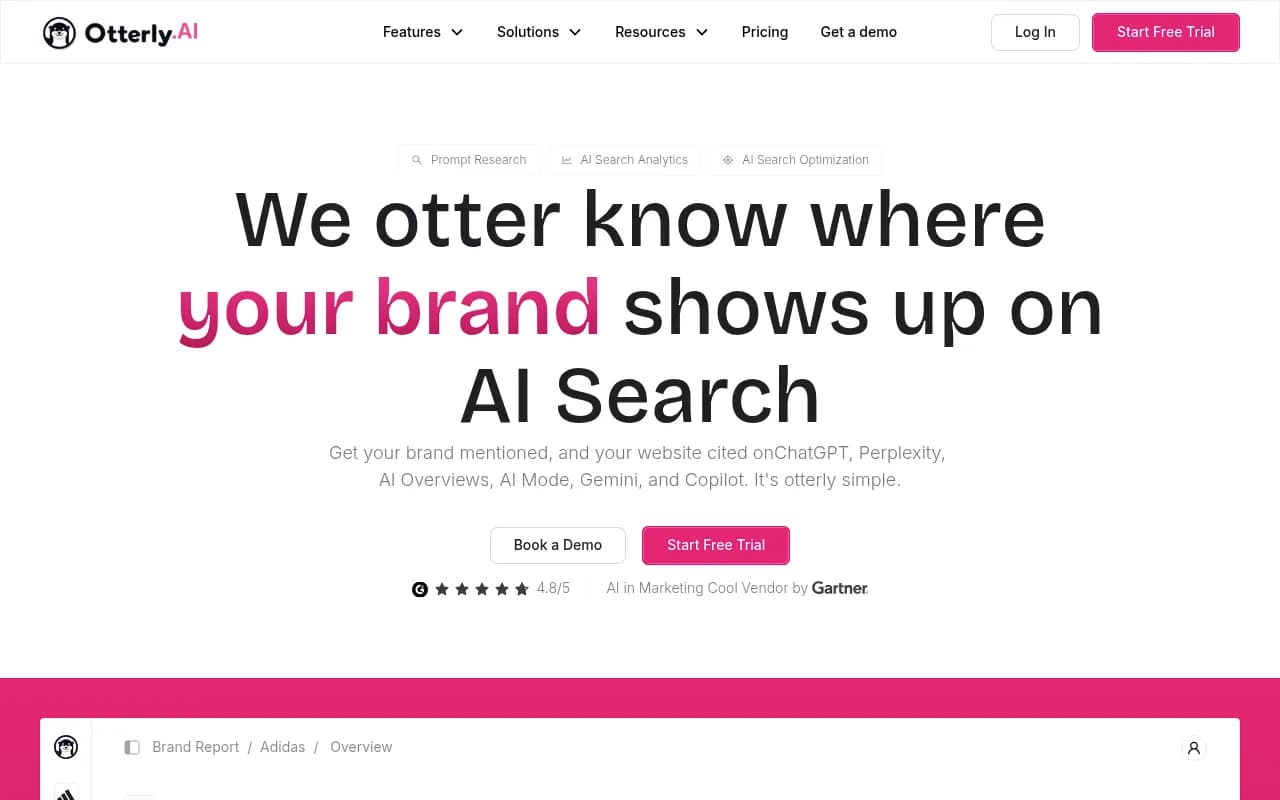
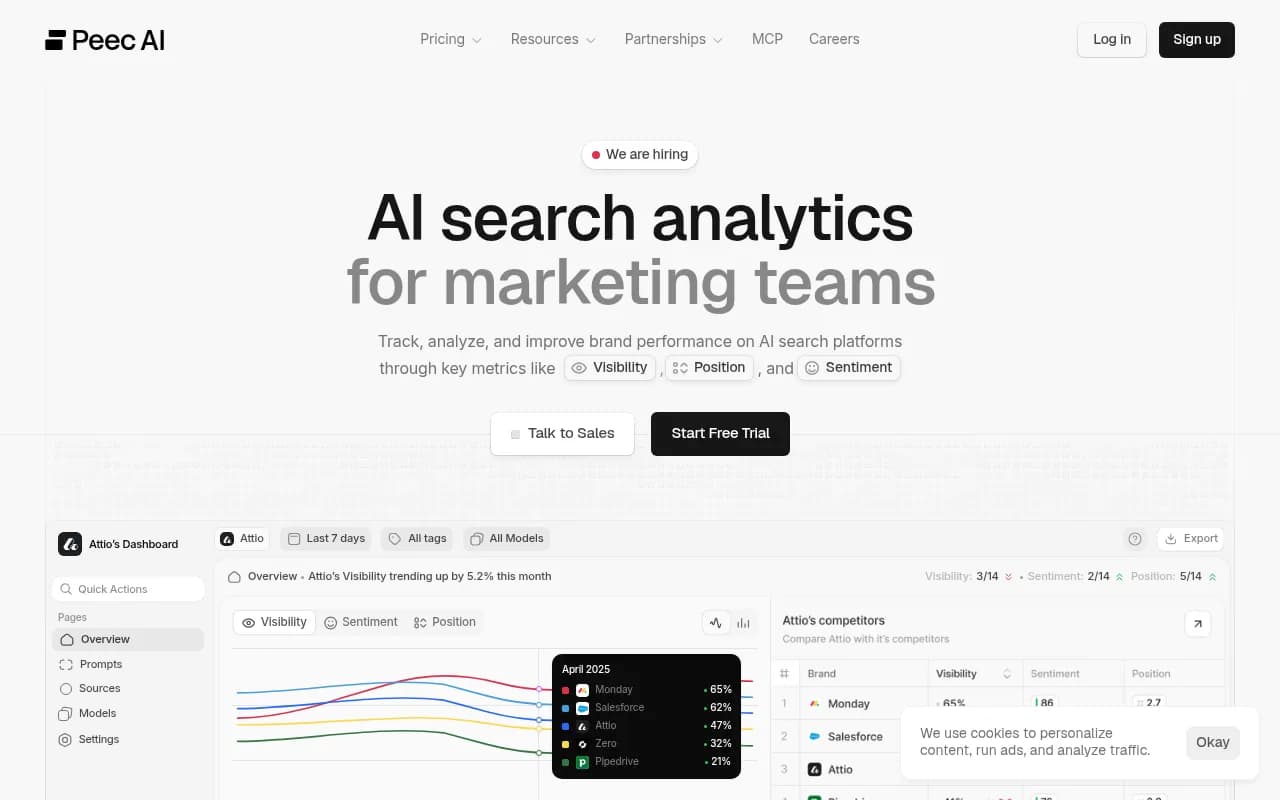
If your team is small and your main need is knowing which AI models are citing you versus competitors, simpler tools can work. Otterly.AI is affordable and gets the basics right. Peec AI has a clean interface with some smart suggestions. Neither will help you act on what you find, but they're lower-cost entry points.
For teams that need deeper analytics without content generation
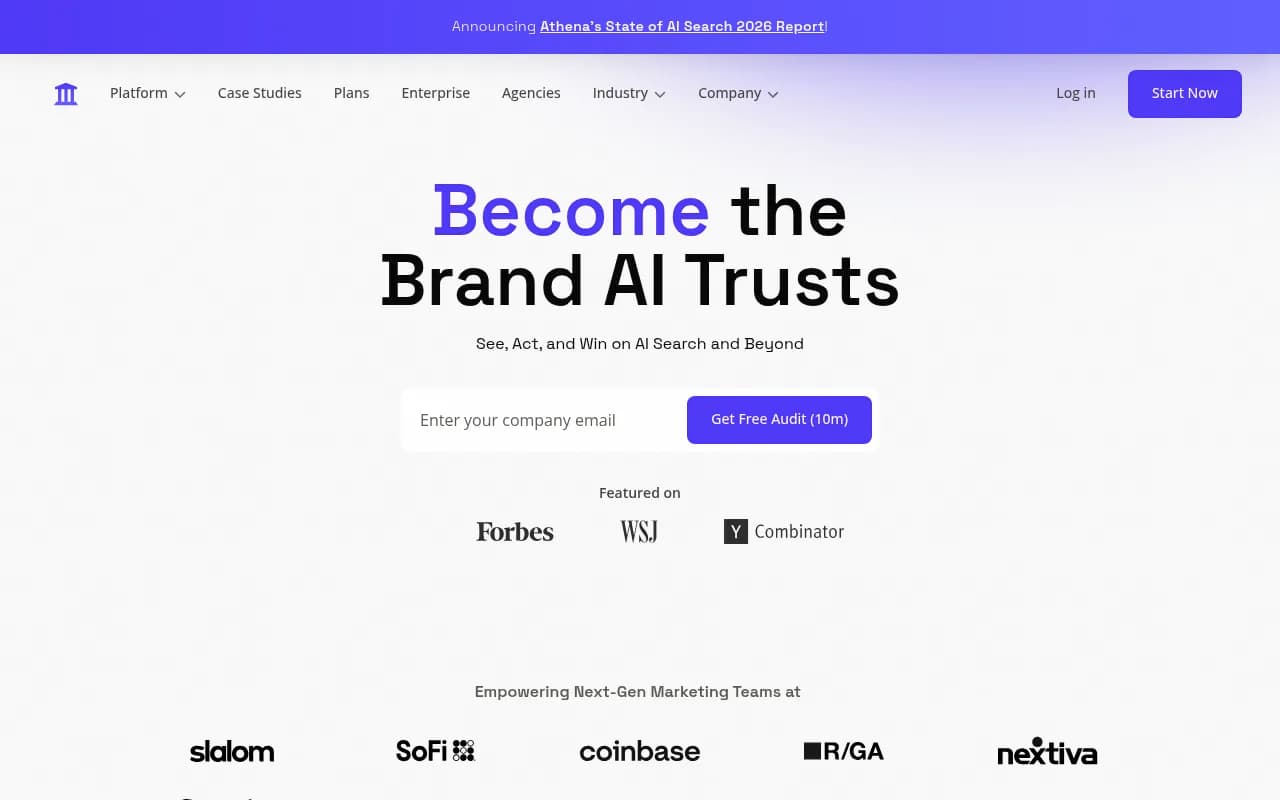
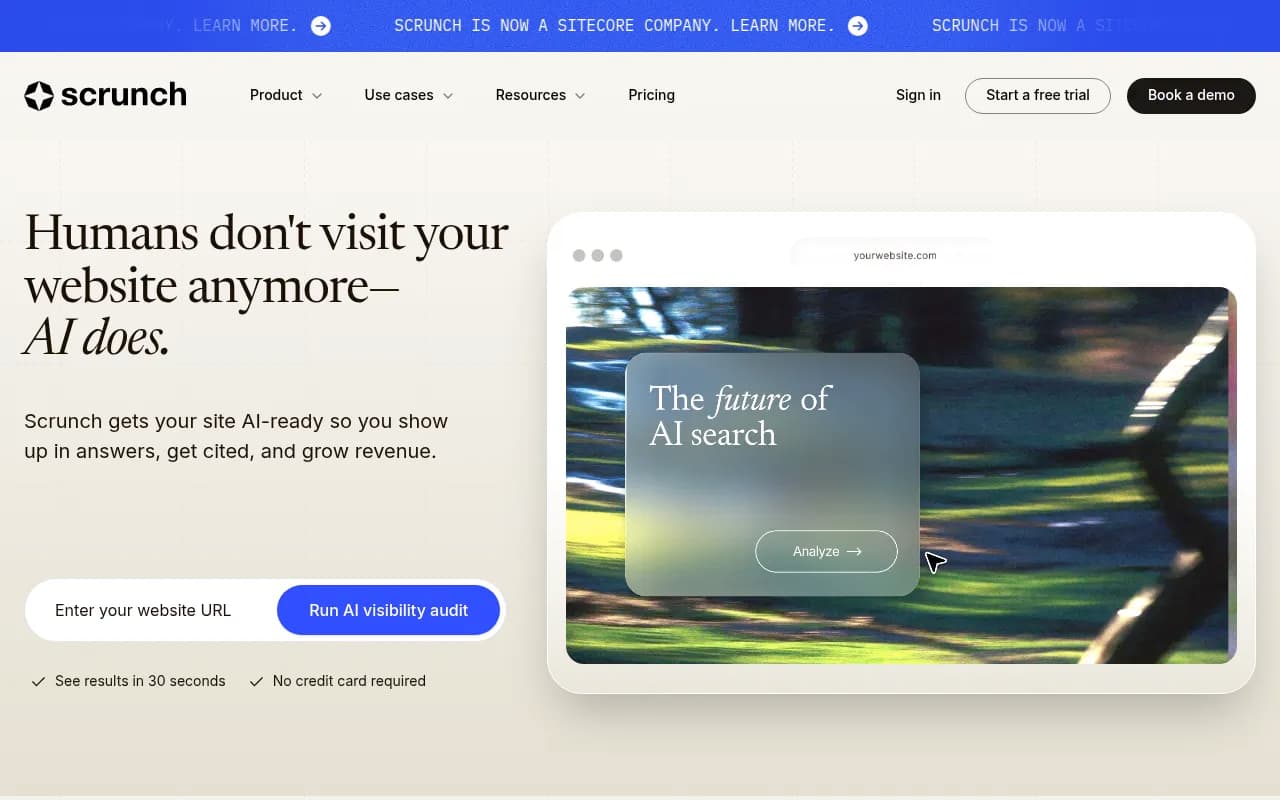
AthenaHQ and Scrunch AI offer more robust monitoring than Searchable in some areas, with better competitor analysis and more granular prompt tracking. They're still monitoring-only, but the data quality is higher.
For enterprise teams with budget
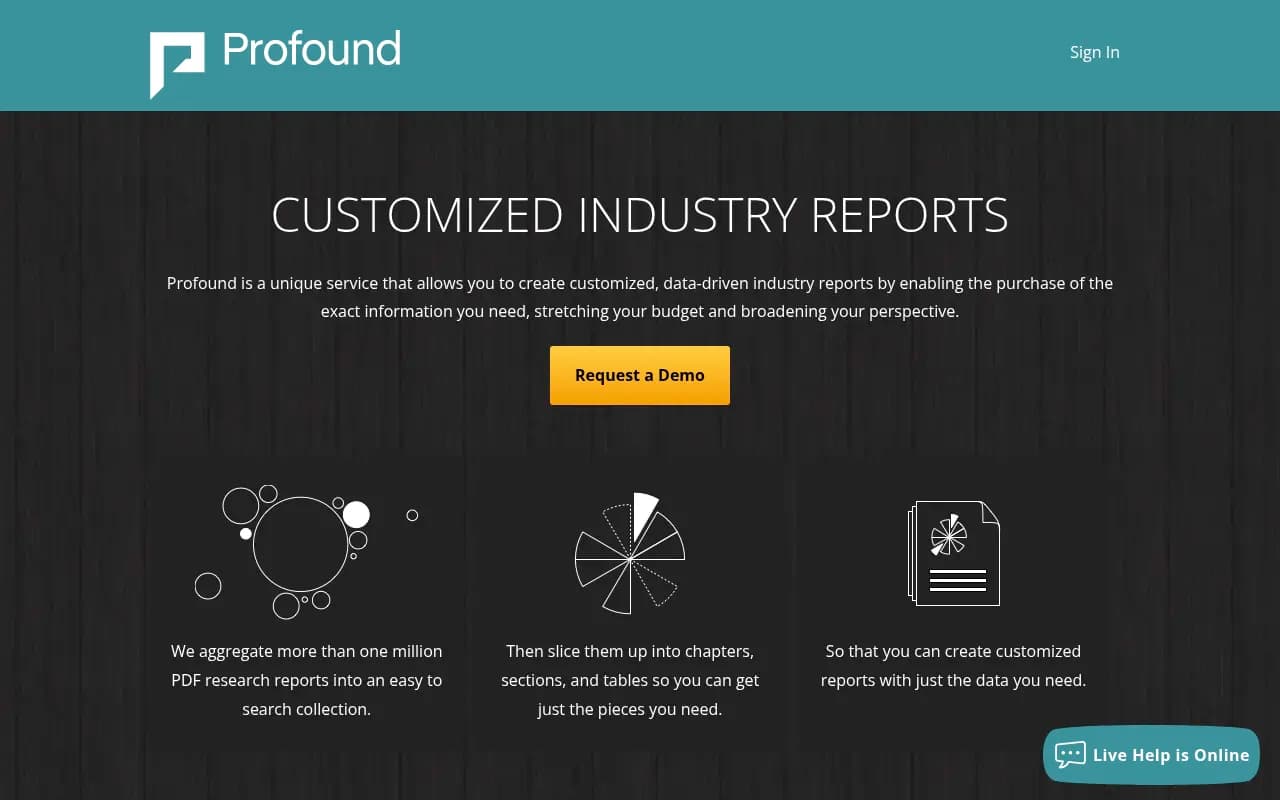
Profound has strong enterprise-grade analytics and is worth evaluating if you're at the larger end of mid-market or moving into enterprise territory. The price point is higher, and it still lacks content generation, but the depth of analysis is solid.
For teams that want the full loop
Promptwatch is the only platform in this comparison that covers gap analysis, content generation, crawler logs, Reddit/YouTube tracking, ChatGPT Shopping visibility, and revenue attribution in one place. For a mid-market team that needs to move fast and show results, that matters.
A note on Searchable's positioning
To be fair to Searchable: the £3M raise is recent, and the product is actively being developed. Some of these gaps may close over the next 12-18 months. The team is clearly focused on the mid-market opportunity, and the core monitoring functionality works.
The issue isn't that Searchable is bad. It's that mid-market brands in 2026 need more than monitoring. The competitive pressure from AI search is real -- Google's shift toward AI-generated answers has already cost smaller sites without strong brand recognition up to 60% of their traffic, according to analysis from Modo25 following Google I/O 2026. Brands that can't move quickly from "we're invisible here" to "we published content that fixes it" are going to fall further behind.
A platform that stops at the first step isn't built for that environment.
How to evaluate your current setup
If you're currently using Searchable (or evaluating it), run through this checklist:
- Can you see which specific pages on your site AI models are crawling and citing?
- Do you know the approximate search volume for the prompts you're tracking?
- When you find a content gap, does the platform help you create content to close it?
- Can you see which Reddit threads or YouTube videos are being cited in your category?
- Do you know if your brand appears in ChatGPT Shopping recommendations?
- Can you connect AI citation improvements to actual website traffic?
If you answered "no" to three or more of these, you're working around your platform rather than with it. That's a sign the tool isn't built for what you're trying to do -- and switching costs are lower than most teams assume, especially if you're still in an early contract.
The AI search visibility space is moving fast. The platforms that help teams act, not just observe, are the ones worth investing in.