Key takeaways
- AirOps is a workflow automation platform built for content operations teams that need to scale repeatable processes -- think bulk refreshes, CMS publishing pipelines, and multi-step AI workflows
- GetMint focuses on AI-powered content strategy and creation, making it a better fit for teams that want to generate GEO-optimized content without building complex automation infrastructure
- Neither tool is a pure AI visibility tracker -- if monitoring brand mentions across ChatGPT, Gemini, and Perplexity is your primary need, you'll want a dedicated GEO platform alongside either of these
- AirOps has a steeper learning curve and higher operational overhead; GetMint is more accessible for smaller teams or those earlier in their GEO journey
- The right choice depends almost entirely on where your bottleneck is: content production speed vs. content strategy and GEO optimization
Why this comparison matters in 2026
AI search has moved fast. According to Search Engine Land, 37% of people now start searches with AI tools, and that number keeps climbing. For content and SEO teams, that shift means two distinct problems have emerged: knowing where you stand in AI-generated answers, and actually doing something about it.
AirOps and GetMint both sit in the "doing something about it" category. But they approach the problem from very different angles, and picking the wrong one can mean months of setup work that doesn't match your team's actual workflow.
This guide breaks down what each tool actually does, where each one excels, and how to decide which fits your GEO content strategy in 2026.
What is AirOps?
AirOps is an AI workflow platform. The core idea is that content and SEO teams shouldn't have to manually run the same AI-assisted tasks over and over -- brief writing, content refreshes, metadata generation, internal linking -- so AirOps lets you build pipelines that automate those steps at scale.
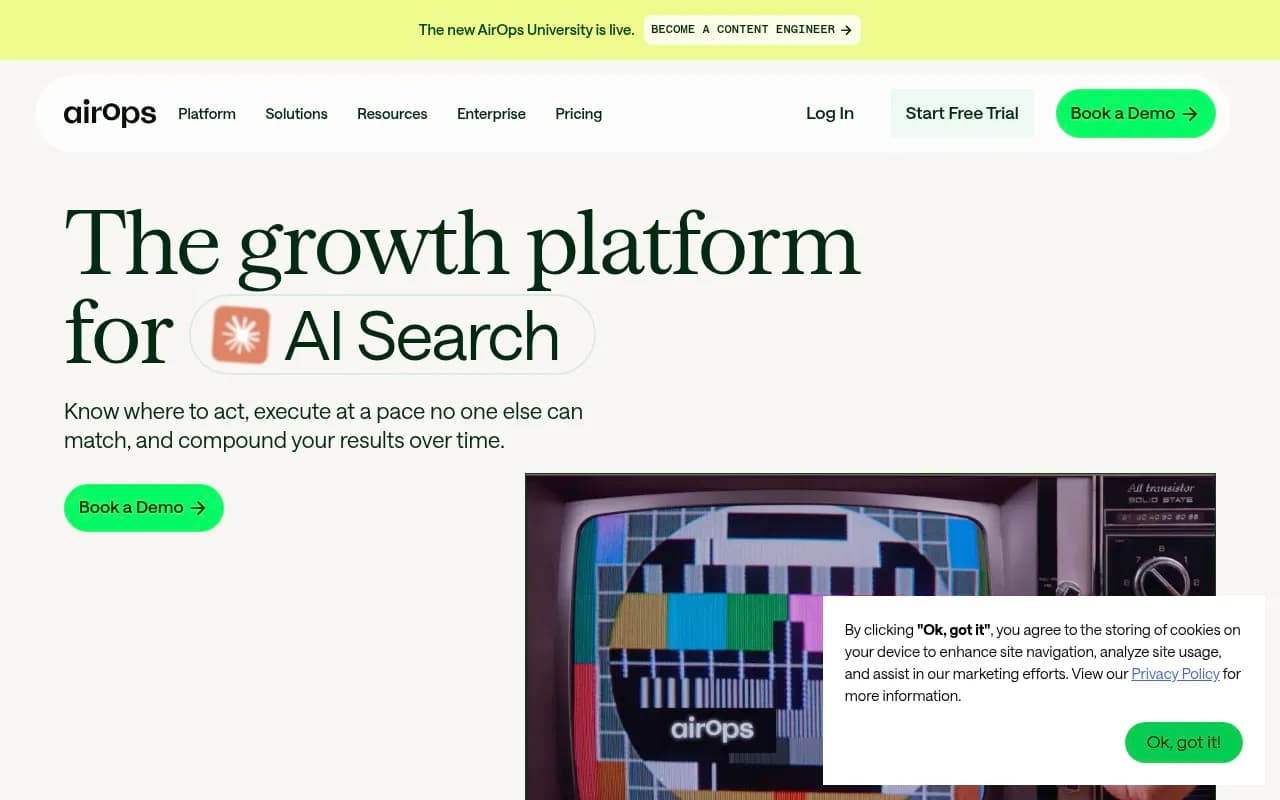
It has earned a 4.6/5 rating on G2 across 111+ reviews, with customers including Webflow, Ramp, and Carta. That's a real signal that it works for teams with the right profile.
The key word there is "right profile." AirOps is not a tool you install and immediately start using. It's a platform you configure. Teams that get the most out of it already have an established content strategy, a clear editorial process, and a backlog of execution work they need to scale. If you're managing hundreds of URLs that need refreshing, or running a content agency with repeatable client deliverables, AirOps can compress weeks of work into hours.
What it doesn't do: it won't tell you which prompts your brand is missing from in AI search results, it won't generate content briefs grounded in real prompt data, and it won't show you which AI models are citing your pages. It's an execution engine, not a strategy or visibility layer.
AirOps strengths
- Multi-step workflow automation for content production
- Bulk content refresh across large URL sets
- Direct CMS publishing integrations
- Flexible AI model selection within pipelines
- Strong for agencies managing repeatable client processes
AirOps limitations
- Significant setup and configuration investment required
- G2 reviews flag a steep learning curve (54+ out of 111 reviews mention it)
- 21+ reviews cite pricing as steep relative to ROI for smaller teams
- No native AI visibility monitoring -- you won't see where your brand appears in LLM responses
- Not suited for teams without an existing content strategy
What is GetMint?
GetMint is an AI content strategy and creation platform aimed at teams that want to produce content optimized for AI search without the overhead of building automation workflows from scratch.
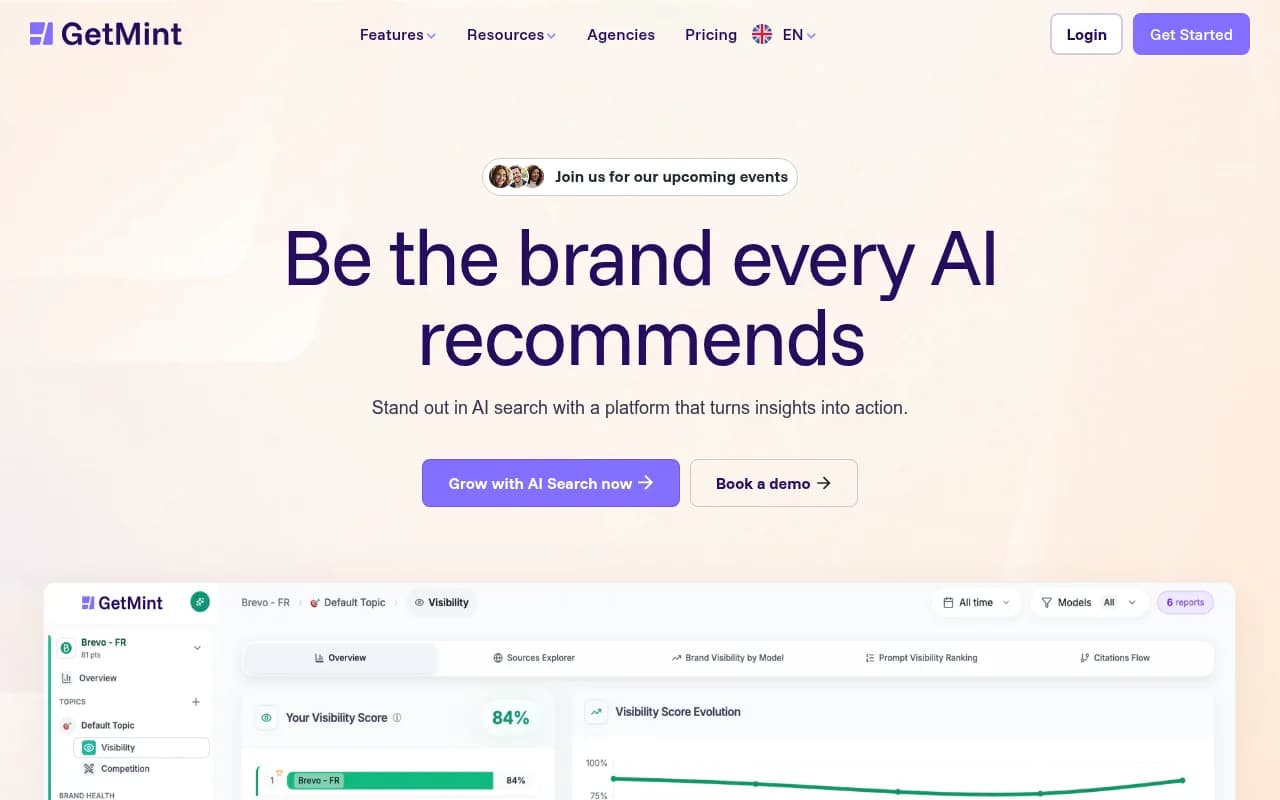
Where AirOps asks you to build the system, GetMint is more opinionated about the process. It's designed to help content teams understand what to write and then write it -- with GEO optimization baked into the creation flow rather than bolted on afterward.
For GEO teams specifically, GetMint's appeal is that it keeps strategy and execution in the same place. You're not exporting briefs from one tool, writing in another, and optimizing in a third. The workflow is more contained, which matters a lot for smaller teams or those just starting to build out an AI search strategy.
GetMint is a better fit if your primary question is "what content should we create to show up in AI answers?" rather than "how do we automate the content we already know how to produce?"
GetMint strengths
- Content strategy and creation in one workflow
- GEO-focused content generation without heavy setup
- More accessible for teams earlier in their AI search journey
- Faster time-to-value compared to AirOps
- Better suited for teams without dedicated ops or engineering support
GetMint limitations
- Less powerful for teams that need true workflow automation at scale
- Fewer integrations with CMS platforms compared to AirOps
- Not a visibility monitoring tool -- you still need a separate platform to track AI citations
Head-to-head comparison
| Feature | AirOps | GetMint |
|---|---|---|
| Primary use case | Workflow automation & content scaling | AI content strategy & GEO creation |
| Setup complexity | High -- requires configuration | Low to medium |
| AI visibility monitoring | No | No |
| Content generation | Yes (within workflows) | Yes (core feature) |
| CMS publishing | Yes (direct integrations) | Limited |
| Bulk content refresh | Yes | No |
| GEO optimization focus | Indirect (via workflows) | Direct |
| Best team size | Mid-to-large, ops-mature | Small-to-mid, strategy-focused |
| Free tier | Yes | Varies |
| G2 rating | 4.6/5 (111+ reviews) | -- |
| Learning curve | Steep | Moderate |
| Pricing | Task-based, can escalate | Subscription-based |
The gap both tools share: AI visibility
Here's something worth being direct about. Neither AirOps nor GetMint will tell you how your brand is actually performing in AI search results right now.
You can use AirOps to refresh content at scale. You can use GetMint to create GEO-optimized articles. But neither tool will show you which prompts your competitors are visible for that you're not, which pages are being cited by ChatGPT or Perplexity, or whether your new content is actually moving the needle in AI-generated answers.
That's a meaningful gap for GEO teams. Creating content without knowing where you're invisible is a bit like optimizing for keywords without checking rankings.
This is where a dedicated AI visibility and GEO platform fills in. Promptwatch is built specifically for this -- tracking brand mentions, citations, and share of voice across 10+ AI models, then helping you identify the exact content gaps driving your invisibility and generate content to close them. It's the monitoring and strategy layer that makes tools like AirOps and GetMint more effective, because you actually know what to create and whether it's working.

When to choose AirOps
AirOps makes sense when your problem is execution speed, not strategy. Specifically:
- You already have a proven content strategy and need to scale output without adding headcount
- You're managing a large content estate (hundreds of URLs) that needs regular refreshing
- You run an agency with repeatable client deliverables that benefit from templated workflows
- You have the budget and technical capacity to invest in platform configuration upfront
- Your team includes someone who can own the workflow architecture
If you're an SEO manager with a backlog of 500 pages that need updating before Q3, AirOps is a serious option. If you're a two-person content team trying to figure out your GEO strategy, it's probably too much overhead.
When to choose GetMint
GetMint makes more sense when your bottleneck is knowing what to create and getting it done without building infrastructure:
- You're building out an AI search content strategy and need a tool that guides the process
- Your team is smaller and doesn't have dedicated ops or engineering support
- You want GEO-focused content creation without the setup investment AirOps requires
- You're earlier in your AI search journey and need faster time-to-value
- Content strategy and creation are more important to you right now than workflow automation
How they fit into a broader GEO stack
Neither tool is a complete GEO solution on its own. The most effective teams in 2026 are running a stack that covers three distinct layers:
- Visibility monitoring -- tracking where you appear (and don't appear) in AI-generated answers
- Content strategy -- identifying what to create based on real prompt and citation data
- Content execution -- actually producing and publishing that content at scale
AirOps covers layer three well. GetMint covers layers two and three to varying degrees. But layer one -- the monitoring and gap analysis that tells you where to focus -- requires a dedicated platform.
A few other tools worth knowing about depending on your stack:
If you need AI visibility monitoring alongside content creation, Peec AI is worth a look -- it focuses on competitive AI visibility dashboards.

Otterly.AI is a lower-cost entry point for teams that just want to start tracking brand mentions in AI answers.

For content optimization that bridges traditional SEO and GEO, Surfer SEO and Clearscope both have strong content grading capabilities.


And if you're an enterprise team that needs deep prompt research and AI answer analytics, Profound is worth evaluating.

AirOps pricing: what to know
AirOps uses task-based billing, which means costs can escalate in ways that aren't always obvious upfront. The platform does offer a free tier, which is genuinely useful for evaluation, but production use at scale gets expensive quickly.
From the G2 review data: 21+ reviewers specifically called out pricing as steep relative to ROI. That's not a dealbreaker, but it's worth modeling your expected task volume before committing to a paid plan. Teams that use AirOps most effectively tend to be ones where the workflow automation replaces significant manual labor -- the ROI math works when you're replacing hours of human work per week, not when you're running occasional one-off tasks.
Alternatives worth considering
If you've read this far and neither AirOps nor GetMint feels quite right, here are a few alternatives that GEO teams commonly evaluate:
For AI search visibility + content creation in one platform: Promptwatch covers monitoring, gap analysis, and AI content generation grounded in real prompt data. It's the closest thing to an end-to-end GEO platform available in 2026.
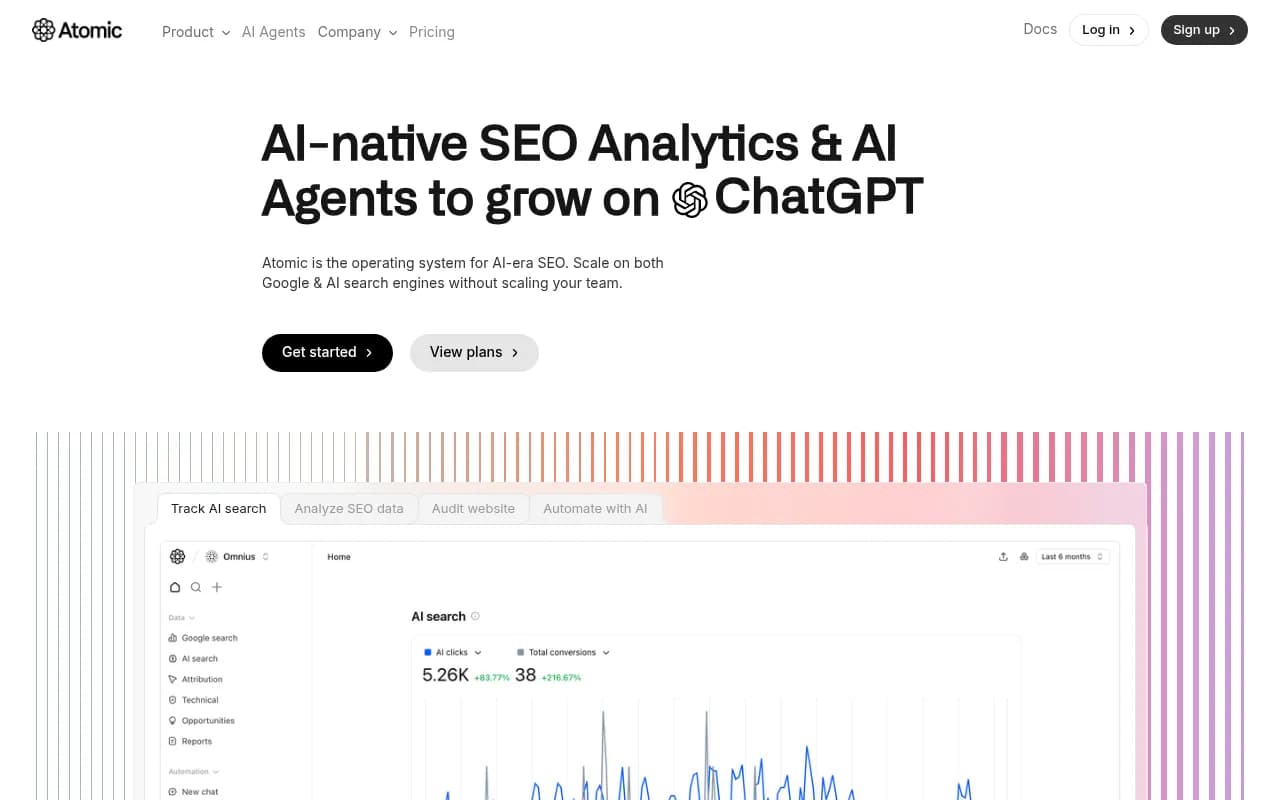
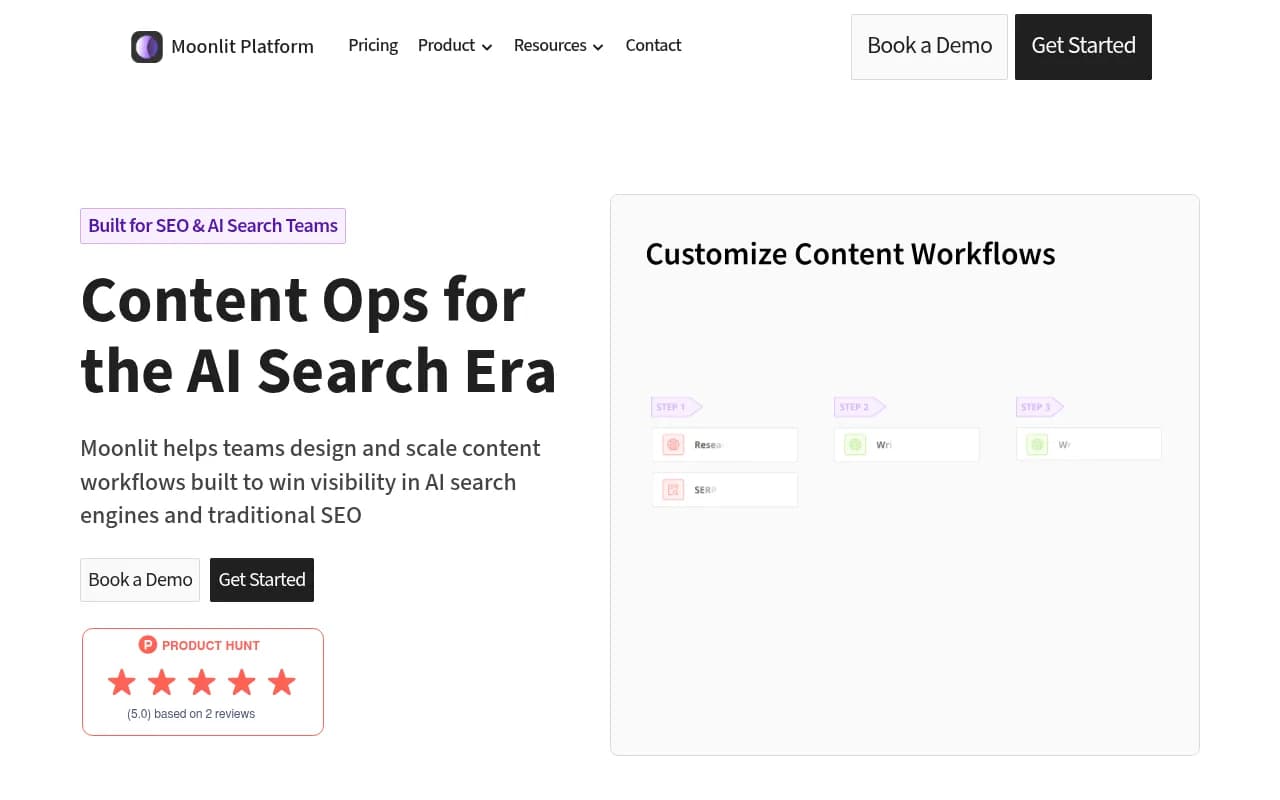
For workflow automation alternatives to AirOps: Atomic AGI and Moonlit Platform both offer AI content workflow capabilities with different pricing structures.
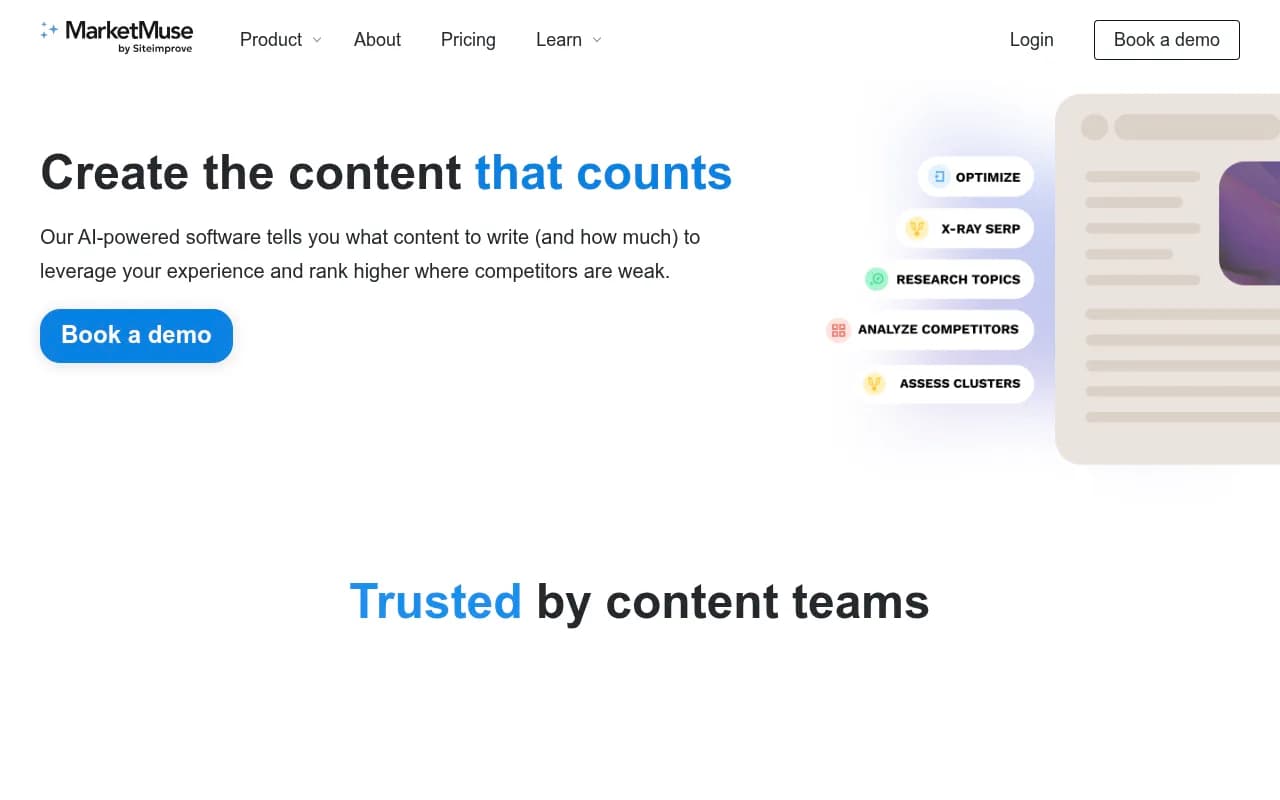
For content optimization: MarketMuse takes a content strategy-first approach with strong topic modeling, while Frase is solid for brief generation and content grading.
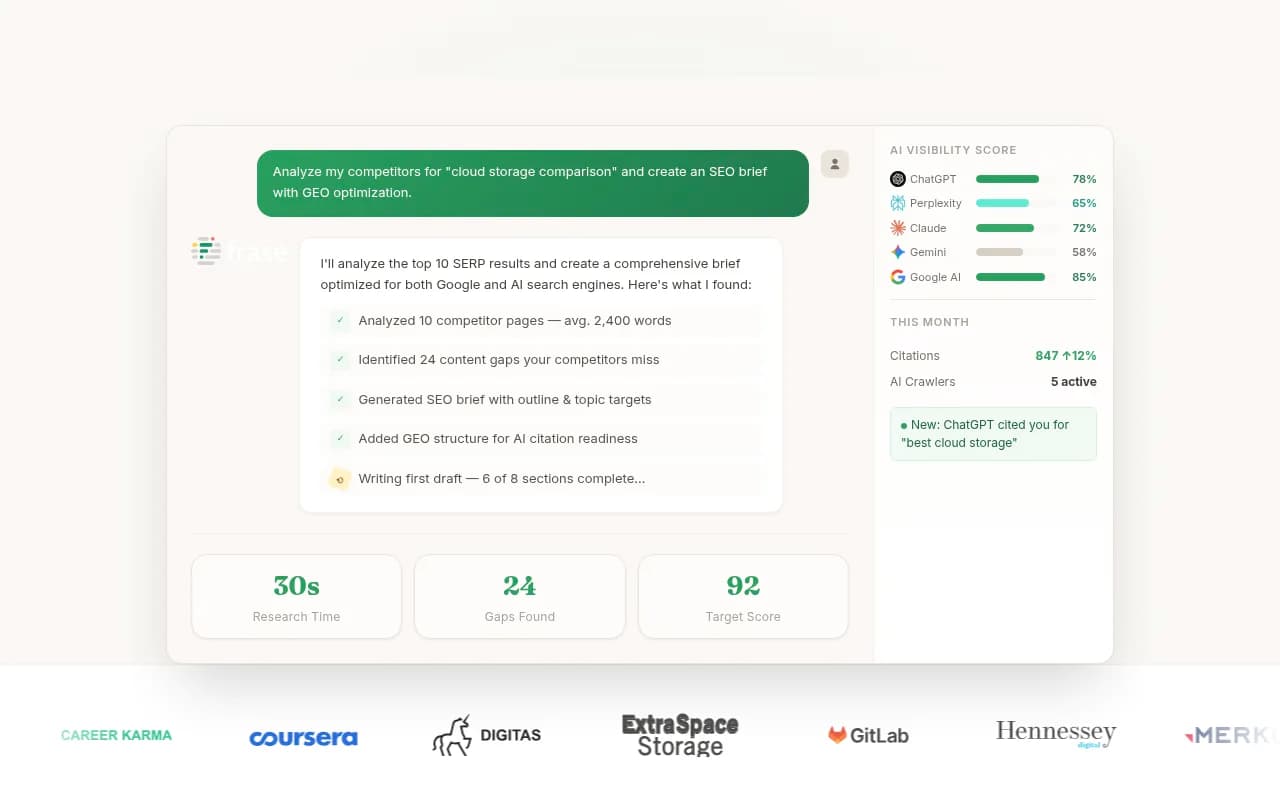
For agencies specifically: Search Party is built around agency workflows and AI search visibility reporting for clients.
The bottom line
AirOps and GetMint are solving related but distinct problems. AirOps is for teams that have figured out what to create and need to produce it faster. GetMint is for teams that need help figuring out what to create and want a more guided path to GEO-optimized content.
The honest answer for most GEO teams in 2026 is that you need both a content tool and a visibility monitoring platform. Content creation without visibility data is guesswork. Visibility data without a way to act on it is just a dashboard you check and feel bad about.
If you're building a GEO stack from scratch, start with visibility monitoring to understand where your gaps are, then layer in a content tool -- whether that's AirOps, GetMint, or something else -- to close them. That sequence matters more than which specific tool you pick.