Key takeaways
- AirOps is primarily a content workflow automation platform -- AI visibility tracking is a secondary feature, not its core product
- Profound is a dedicated AI visibility monitoring tool with strong analytics, but its optimization layer is thin without a content execution system behind it
- Neither platform closes the full loop from gap discovery to content creation to citation tracking on its own
- For teams that need end-to-end AI search optimization (find gaps, create content, track results), platforms built specifically around that cycle tend to outperform both
- Pricing, team size, and whether you already have a content ops system in place will largely determine which tool (if either) is the right fit
There's a version of this comparison that writes itself: AirOps is the content engine, Profound is the analytics layer, pick whichever matches your team's weakness. But that framing glosses over some real differences in how these platforms work, what they actually deliver, and where each one quietly disappoints.
I've dug into both platforms, cross-referenced community discussions, and looked at how real teams are using them. Here's what I found.
What each platform is actually trying to do
Before getting into features, it's worth being clear about what each tool was built for -- because they're solving different problems.
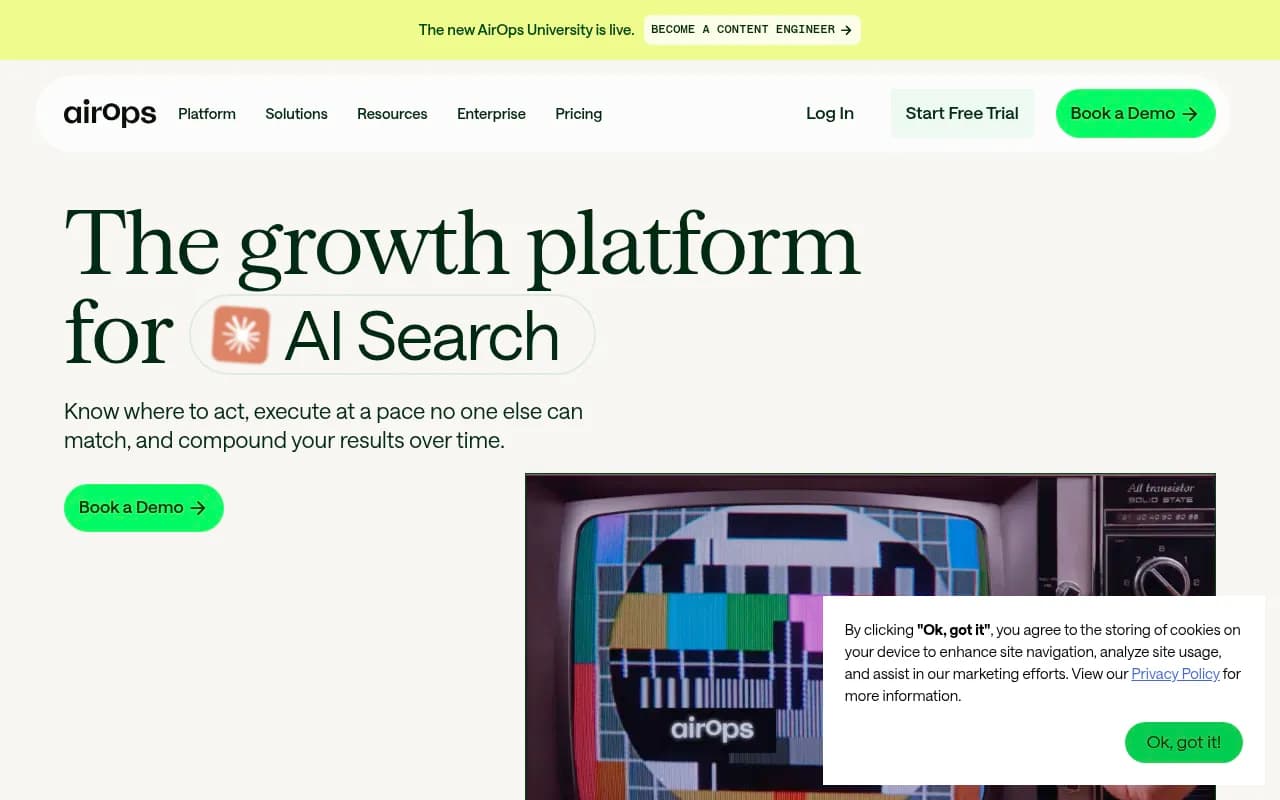
AirOps started as an AI workflow automation platform. The pitch is that you can build scalable content operations using AI: automate research, generate briefs, produce content at volume, and push it through approval workflows. AI visibility tracking was added later, positioning it as a full-stack answer engine optimization (AEO) tool. But the roots are in workflow automation, and that shapes everything about how the product feels.
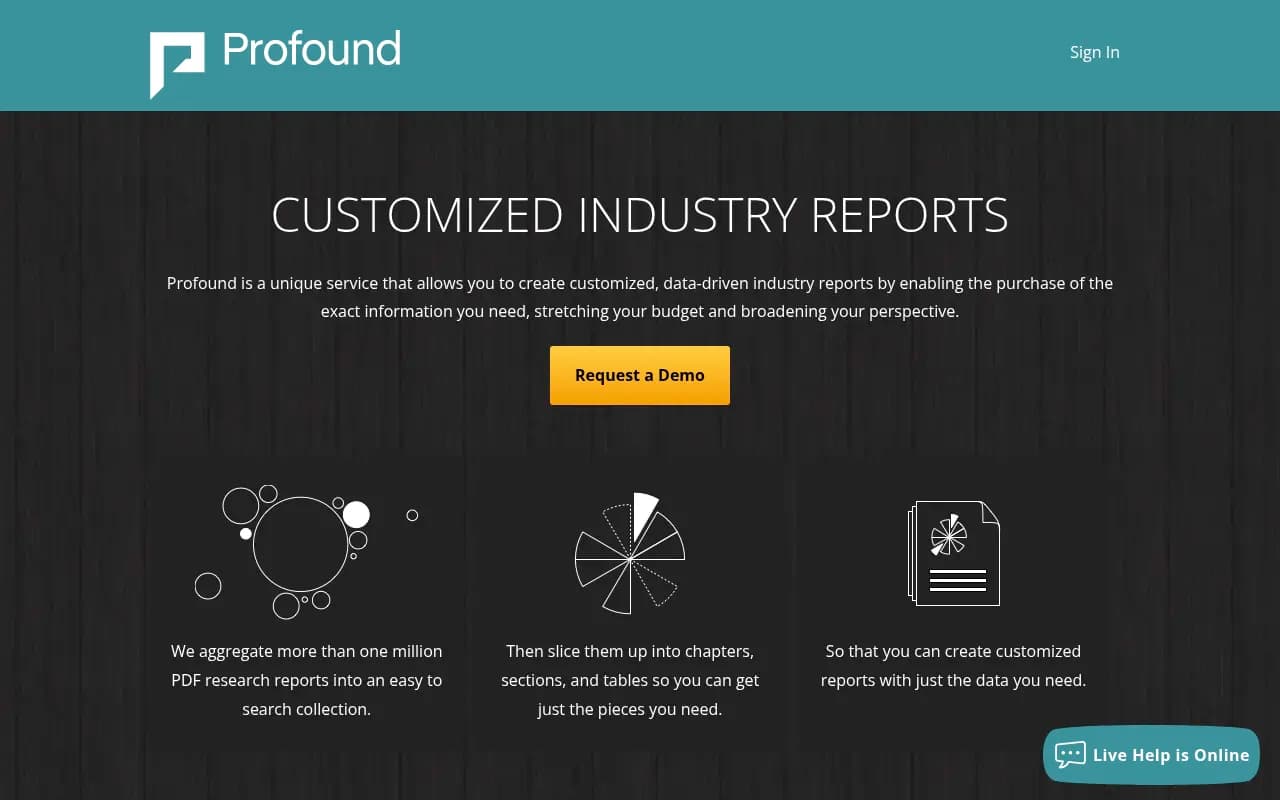
Profound was built from the ground up as an AI visibility analytics platform. It tracks how brands appear across AI search engines (ChatGPT, Perplexity, Gemini, Claude, and others), surfaces prompt-level data, and gives teams a detailed picture of their share of voice against competitors. More recently, Profound has added content creation features through its Agents product, but the core identity is still analytics-first.
These aren't interchangeable tools. They're different bets on where the value in AI search optimization actually lives.
Where AirOps is genuinely strong
AirOps does content operations well. If you have a large site, a defined content strategy, and a team that needs to produce a lot of material efficiently, the workflow automation is real. You can build repeatable pipelines for content briefs, first drafts, internal linking, and metadata at a scale that would take a much larger team to replicate manually.
The AI visibility tracking layer sits on top of this. AirOps monitors brand mentions and citations across major AI models, gives you a share-of-voice view, and connects that data back to the content you're producing. The idea is that you can close the loop: see where you're missing, generate content to fill the gap, watch your visibility improve.
In practice, the loop works -- but only if your team already has the operational infrastructure to use it. AirOps assumes you have content workflows that need scaling. If you're starting from scratch or trying to figure out which content to create before worrying about how to scale it, the platform can feel like a solution to a problem you don't have yet.
A few things AirOps does well:
- Bulk content generation with brand voice controls
- Workflow automation for SEO and AEO content tasks
- Integration with existing CMS and publishing tools
- Reasonable AI visibility tracking for teams already using the platform
Where it falls short: the visibility analytics aren't as deep as a dedicated monitoring tool. Prompt-level data, competitor heatmaps, and citation source analysis are thinner than what Profound offers. And the content generation, while capable, isn't specifically engineered around AI citation patterns -- it's general-purpose AI writing with AEO framing applied.
Where Profound is genuinely strong
Profound's analytics are legitimately good. The platform tracks AI responses across multiple models, gives you prompt-level visibility scores, and shows you exactly which pages are being cited and how often. The competitor comparison features are detailed -- you can see where rivals are winning visibility that you're not, and drill down into specific prompts and topics.
The Agent Analytics feature is interesting: it shows you how AI crawlers are interacting with your site, which pages they're reading, and when content moves from crawl to citation. That's a level of transparency that most monitoring tools don't offer.
Profound also has prompt volume data, which matters a lot when you're trying to prioritize. Not all prompts are equal -- some are asked thousands of times a day, others almost never. Knowing which gaps are worth filling is half the battle.

Where Profound falls short: the execution layer. Profound has added content creation through Agents, but the research community's consistent observation is that it's analytics-first, and the content tools feel secondary. You get excellent data about what's missing. Turning that data into published content that actually improves your citations requires either Profound's Agents (which are capable but not the platform's core strength) or a separate content workflow entirely.
The other gap is price. Profound is enterprise-oriented, and the pricing reflects that. Smaller teams and agencies often find it hard to justify the cost unless they have dedicated resources to act on the data it surfaces.
Head-to-head: feature comparison
| Feature | AirOps | Profound |
|---|---|---|
| Primary purpose | Content workflow automation | AI visibility analytics |
| AI model coverage | ChatGPT, Perplexity, Gemini, Claude | ChatGPT, Perplexity, Gemini, Claude, others |
| Prompt-level tracking | Basic | Deep |
| Competitor share of voice | Yes | Yes (more detailed) |
| Citation source analysis | Limited | Strong |
| AI crawler/agent logs | No | Yes |
| Prompt volume data | Limited | Yes |
| Content generation | Core feature | Secondary (Agents) |
| Workflow automation | Core feature | Minimal |
| Reddit/YouTube tracking | No | Limited |
| Pricing tier | Mid-market | Enterprise |
| Best for | Teams scaling content ops | Teams needing deep visibility data |
The table tells the story pretty clearly. These tools have different centers of gravity. AirOps is a content machine that added visibility. Profound is a visibility platform that added content.
The question neither platform fully answers
Here's the honest problem with both tools: they each solve one half of the AI search optimization problem well, but neither closes the full loop cleanly.
Profound gives you excellent data. You know exactly where you're invisible, which competitors are winning, and which prompts have volume worth chasing. But then what? You need a content system to act on that intelligence. If your team doesn't have one, or if you're using Profound as a standalone tool, the data sits there.
AirOps gives you a content system. You can produce a lot of material efficiently. But the visibility data feeding that system isn't as precise as Profound's -- so you're scaling content production without necessarily knowing if you're filling the right gaps.
This is the core tension in the AirOps vs Profound debate: one platform has better inputs, the other has better outputs, and neither connects them as seamlessly as the marketing suggests.

Teams that are serious about AI search visibility often end up using both -- Profound for analytics, AirOps (or another content tool) for execution -- which doubles the cost and adds integration complexity.
What to consider before choosing
A few questions worth asking before committing to either platform:
Do you already have a content operations system? If yes, AirOps makes more sense -- it's designed to plug into existing workflows and scale them. If no, you might be buying a scaling tool before you have anything to scale.
How much do you need to understand why you're invisible? If you want deep prompt-level data, competitor breakdowns, and citation source analysis, Profound is the stronger choice. If you just need to know "we're not showing up enough" and want to start producing content, AirOps gets you moving faster.
What's your budget and team size? Profound's enterprise pricing is a real barrier for smaller teams. AirOps is more accessible but still not cheap for teams that aren't going to use the workflow automation heavily.
Do you need to track AI traffic back to revenue? Neither platform does this particularly well. Traffic attribution -- connecting AI citations to actual site visits and conversions -- is a gap in both tools.
Alternatives worth considering
If you're evaluating AirOps and Profound, it's worth knowing what else is in the market. The GEO/AEO platform space has grown significantly in 2026, and some newer entrants are specifically designed around the full optimization loop rather than one half of it.
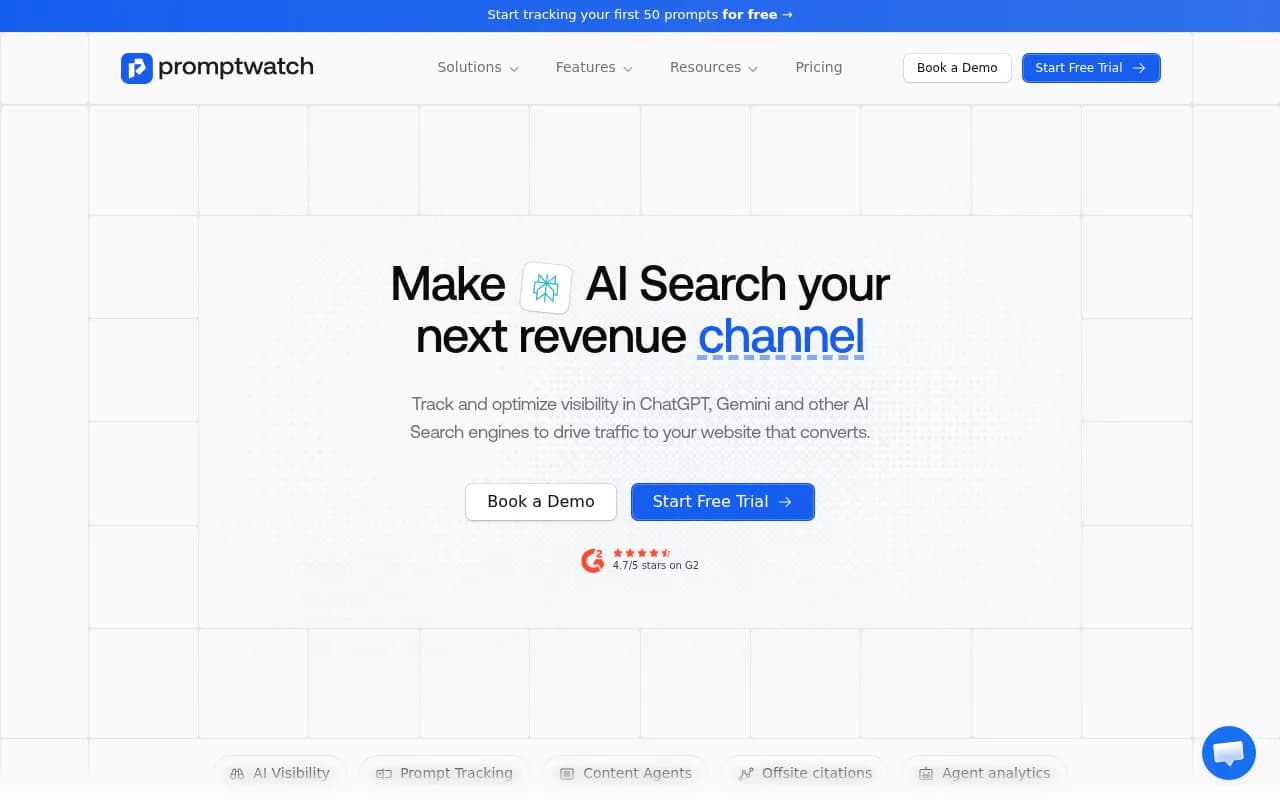
Promptwatch is one platform that's worth looking at here -- it's built around the cycle of finding gaps, generating content to fill them, and tracking the results, with AI crawler logs, prompt volume data, and page-level citation tracking all in one place.
A few other tools worth knowing about depending on your specific needs:
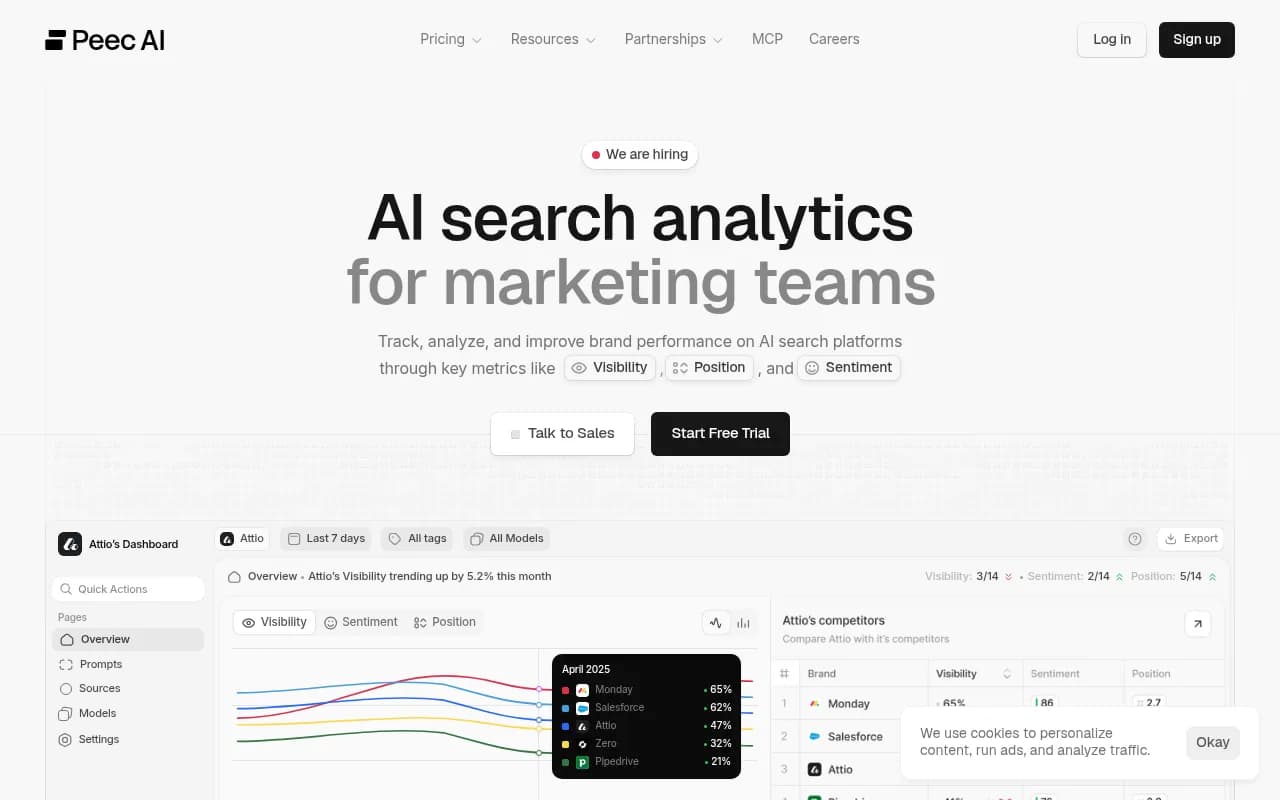
Peec AI is a lighter-weight monitoring option that's more accessible for smaller teams.
Scrunch AI covers monitoring for brands and agencies with a clean interface.
Otterly.AI is one of the more affordable entry points for teams just getting started with AI visibility tracking.
AthenaHQ focuses on monitoring with a strong analytics layer, similar positioning to Profound but at different price points.

For teams that want traditional SEO capabilities alongside AI visibility, Semrush and Ahrefs both have AI monitoring features now -- though they're not as deep as dedicated GEO platforms.
Which one should you pick?
If your team is primarily a content operation that needs to move faster and you want visibility data to inform that work: AirOps is probably the better fit. The workflow automation is real, and the visibility layer is good enough to guide content decisions.
If your team is analytics-driven and you need precise, deep data about where you stand in AI search before you start creating anything: Profound is the stronger choice. The data quality is better, and the competitor analysis is more detailed.
If you're looking for a platform that handles both sides of the equation -- finding the gaps and helping you fill them, with full tracking from crawl to citation -- neither AirOps nor Profound is a complete answer on its own. That's not a knock on either tool; it's just an honest description of where each one sits.
The AI search optimization space is still maturing. Most platforms are still figuring out whether they're analytics tools, content tools, or both. The teams winning in AI search right now are the ones treating it as a continuous cycle: monitor, create, track, repeat -- not a one-time audit or a content production sprint.
Pick the tool that fits where your team is weakest. If you're already producing content but flying blind on visibility data, lean toward Profound. If you have good data but can't act on it fast enough, lean toward AirOps. And if you need both in one place, keep looking.