Key takeaways
- Most AI visibility tools track your own brand mentions but treat competitor monitoring as an afterthought. A handful go deeper.
- The platforms worth paying attention to in 2026 cover at least 5 LLMs, offer share-of-voice comparisons, and show you the specific prompts where rivals outrank you.
- Monitoring alone is not enough. The tools that deliver real value combine competitor tracking with content gap analysis so you can act on what you find.
- Pricing ranges from $29/month for basic monitoring to $579/month and above for full-stack GEO platforms with content generation and crawler analytics.
- If your goal is to close the gap on competitors (not just watch them win), you need a platform built around optimization, not just observation.
The question used to be "where do we rank on Google?" Now it's "does ChatGPT mention us when someone asks about our category?" And the follow-up question, which most marketing teams haven't gotten to yet: "Who does it mention instead of us, and why?"
That second question is where competitor tracking in AI search gets interesting. It's also where most tools fall short.
This guide covers the platforms that actually let you monitor rival brands across major LLMs, what to look for when evaluating them, and which tools are worth your time in 2026.
Why competitor tracking in AI search is different from traditional SEO
In traditional SEO, competitor tracking is relatively straightforward. You check who ranks above you for a keyword, look at their backlinks, and reverse-engineer their content strategy. The data is structured, the signals are well-understood, and the playbook is mature.
AI search doesn't work that way.
LLMs don't rank pages. They synthesize answers from whatever they've ingested, weighted by factors that aren't fully transparent. A competitor might dominate ChatGPT responses for a category because they have more third-party citations, more Reddit mentions, better-structured FAQ content, or simply because their brand name appears in training data more often. You can't see a "position 1" to chase.
What you can see, if you have the right tools, is:
- Which prompts your competitors appear in that you don't
- How often they're cited versus you across different models
- What sentiment those citations carry
- Which external sources (Reddit threads, review sites, listicles) are driving their AI visibility
- How their share of voice has changed over time
That's the data that actually lets you compete. And it requires a different kind of platform than a traditional rank tracker.
What to look for in a competitor tracking platform
Before getting into specific tools, here's what separates genuinely useful competitor monitoring from surface-level dashboards:
LLM coverage. A tool that only monitors ChatGPT and Perplexity is missing half the picture. Gemini, Claude, Google AI Overviews, Grok, DeepSeek, Copilot, and Meta AI all have meaningful user bases. Competitors who are invisible on ChatGPT might dominate Gemini. You need cross-model visibility.
Prompt-level data. Share-of-voice numbers are fine for executive dashboards, but the actionable data is at the prompt level. Which specific questions is your competitor answering that you're not? That's where content gaps live.
Answer gap analysis. The best platforms don't just show you where competitors appear. They show you the gap between their visibility and yours, mapped to specific content opportunities.
Offsite citation tracking. AI models don't just cite brand websites. They cite Reddit, YouTube, review aggregators, industry publications, and listicles. A competitor might be winning because of a single well-placed Reddit thread, not their own content. You need to see that.
Sentiment and context. Being mentioned isn't always good. If an AI model is citing your competitor positively and mentioning you in a "but watch out for..." context, that matters.
Historical trends. A snapshot is less useful than a trend. You want to see whether a competitor's AI visibility is growing, plateauing, or declining.
The platforms worth considering in 2026
Promptwatch
Promptwatch is the most complete option for teams that want to track competitors and then do something about what they find. It monitors 10 LLMs (ChatGPT, Perplexity, Google AI Overviews, Google AI Mode, Claude, Gemini, Meta/Llama, DeepSeek, Grok, Mistral, and Copilot), which is the broadest coverage of any platform in this category.
The competitor tracking goes beyond share-of-voice. Promptwatch's Answer Gap Analysis shows you the specific prompts where competitors appear and you don't. That's not just a monitoring feature. It's a content brief generator in disguise. You can see exactly what your site is missing, then use the built-in Content Agents to create articles, comparisons, and listicles engineered to fill those gaps.
The offsite tracking is also worth calling out. Promptwatch surfaces which Reddit threads, YouTube videos, and third-party pages are driving competitor visibility outside their own domain. That's a channel most tools ignore entirely.
For agencies and larger teams, the Competitor Heatmaps show side-by-side AI visibility across all tracked LLMs, so you can see not just who's winning overall but which models they're winning on.
Pricing starts at $99/month (Essential), $249/month (Professional, which adds crawler logs and state/city tracking), and $579/month (Business, 5 sites, 350 prompts).
Profound
Profound is a solid enterprise-grade option with strong prompt research capabilities. It tracks up to 10 LLMs at the enterprise tier and has good depth on prompt analytics. The main limitation is that it's primarily a monitoring platform. You get the data on where competitors are winning, but the path from "I see the gap" to "I've closed the gap" requires external tools.
Pricing starts at $99/month, but the features that matter for serious competitor tracking are in the higher tiers.
Peec AI
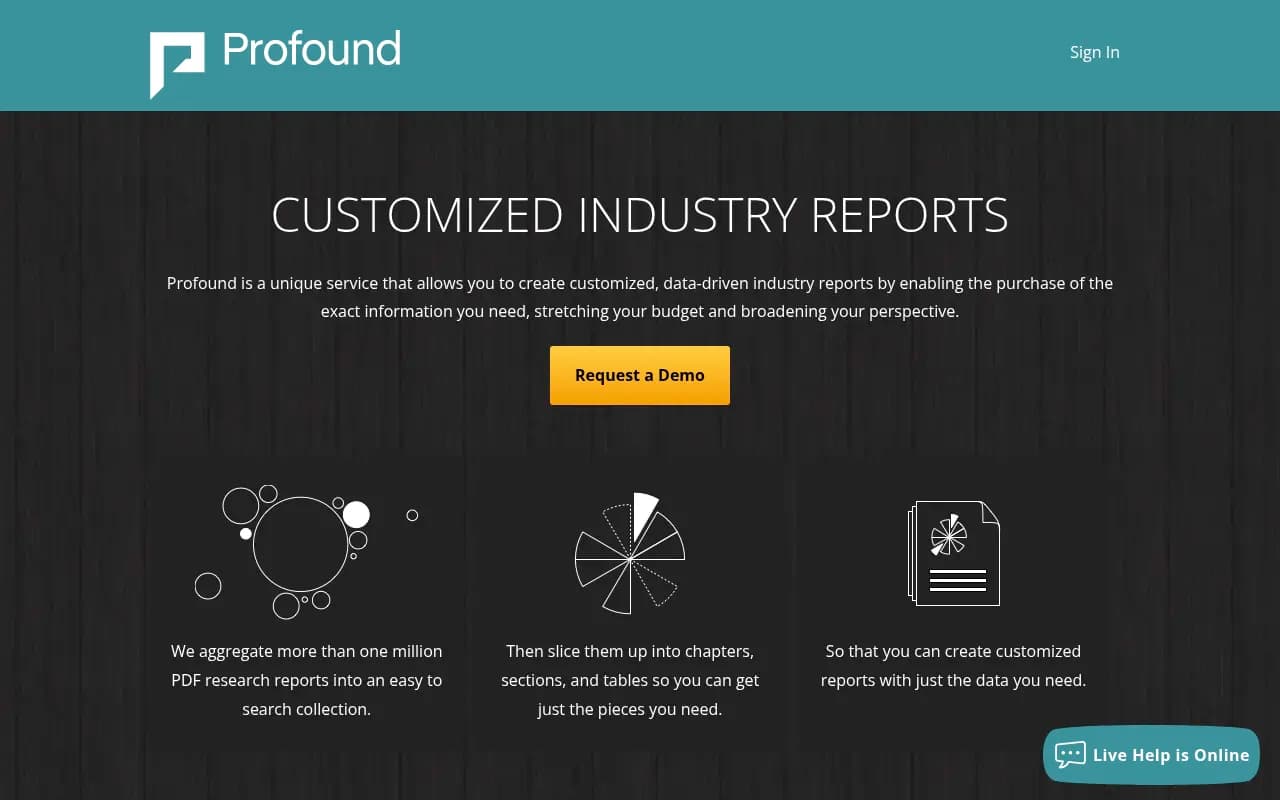
Peec AI is a Berlin-based tool that covers up to 10 LLMs with flexible model selection. It handles brand visibility and sentiment monitoring reasonably well and is priced accessibly at €85/month. It's a good fit for teams that want clean, no-frills monitoring across multiple models without a large budget. The trade-off is that optimization features are limited. It shows you the problem but doesn't help you solve it.
KIME
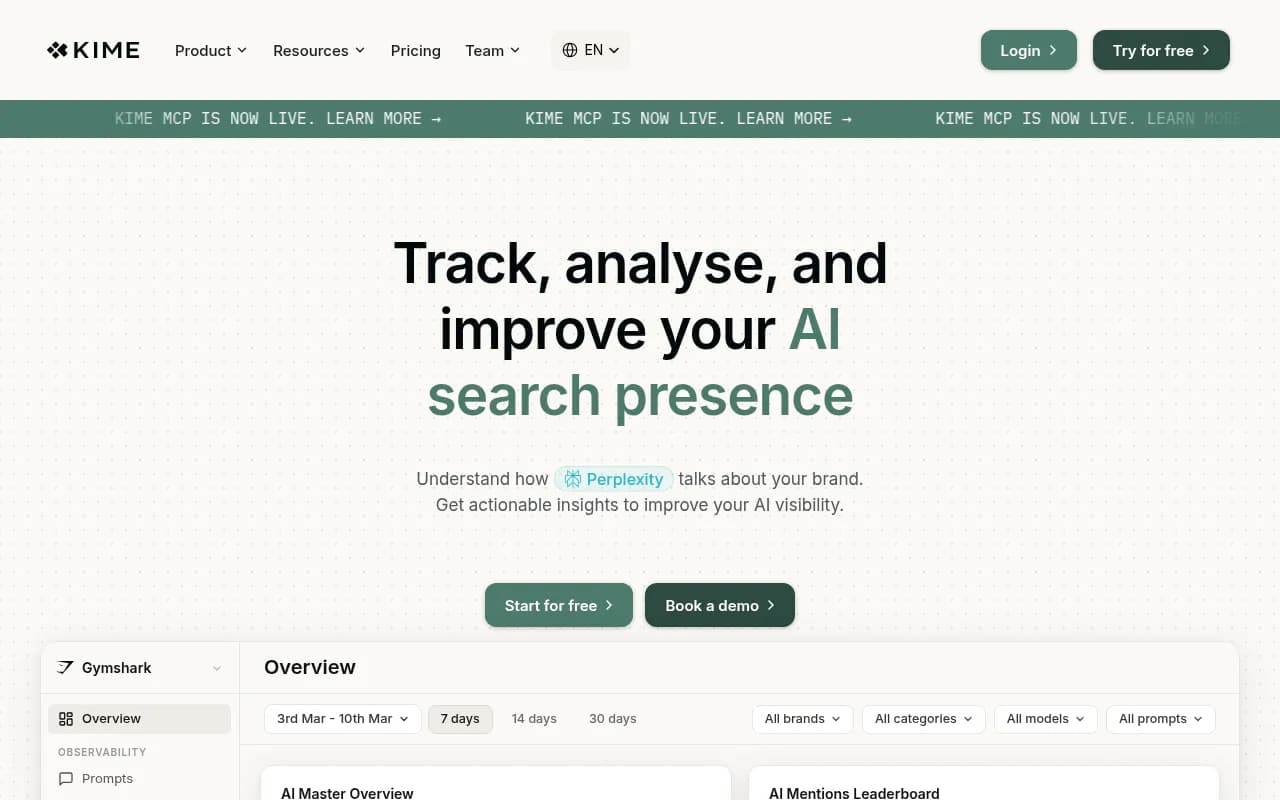
KIME tracks 10 AI models and has an "Action Centre" that gives it more optimization depth than pure monitoring tools. It covers multi-brand and multi-country setups, which makes it useful for agencies managing several clients. Starting at €149/month for the core package with 3 models (all 10 at Enterprise), it sits in the mid-range on price.
Otterly.AI
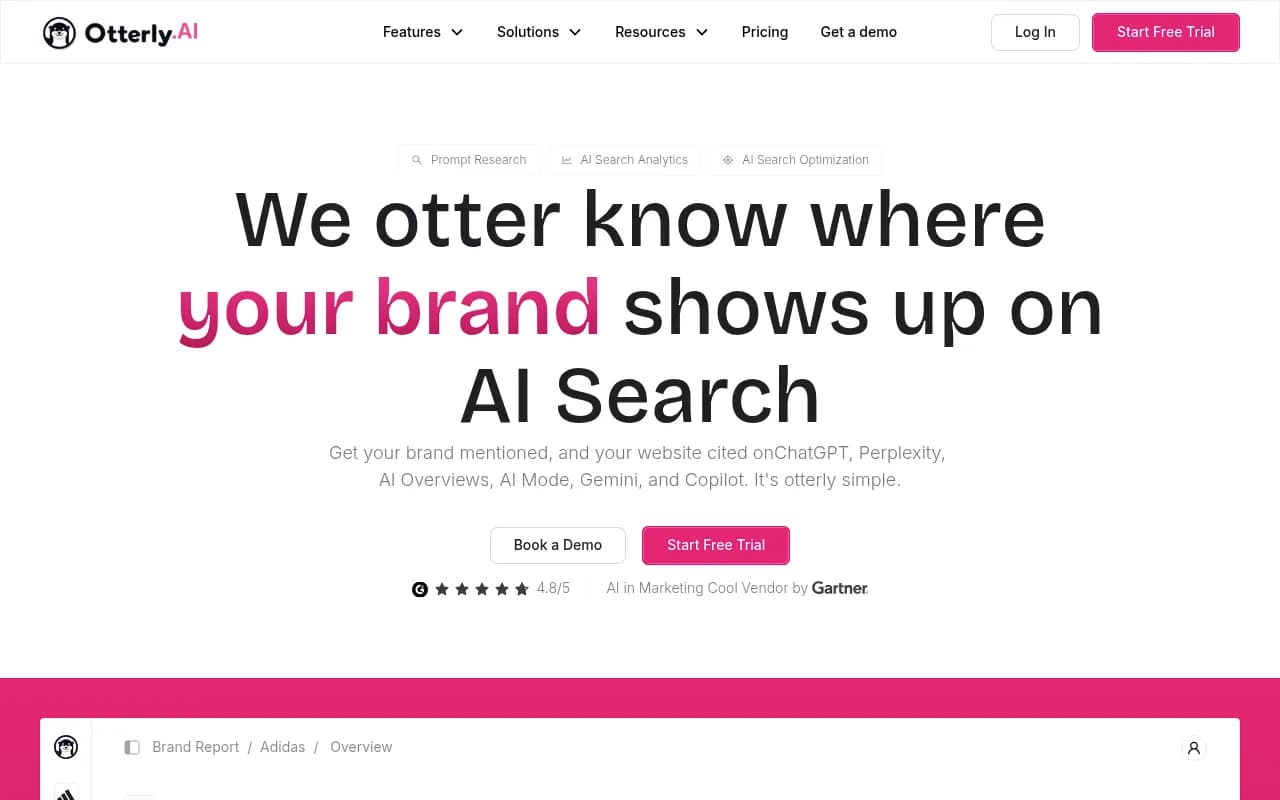
Otterly.AI is the most accessible entry point in the category at $29/month. It covers 4 LLMs at the base tier and handles basic brand and competitor monitoring. For small teams or solo marketers who just want to know whether competitors are appearing more than they are, it works. The ceiling is low though. No content generation, no crawler logs, no offsite citation tracking.
Semrush AI Visibility Toolkit
Semrush has added AI visibility features to its existing platform. The upside is obvious if you're already a Semrush subscriber: you get AI monitoring bundled with a tool you're already paying for. The downside is that the AI monitoring uses fixed prompts rather than dynamic tracking, and there's no AI traffic attribution. It covers 5 LLMs. Useful as a starting point, but not a specialist tool.
Nightwatch
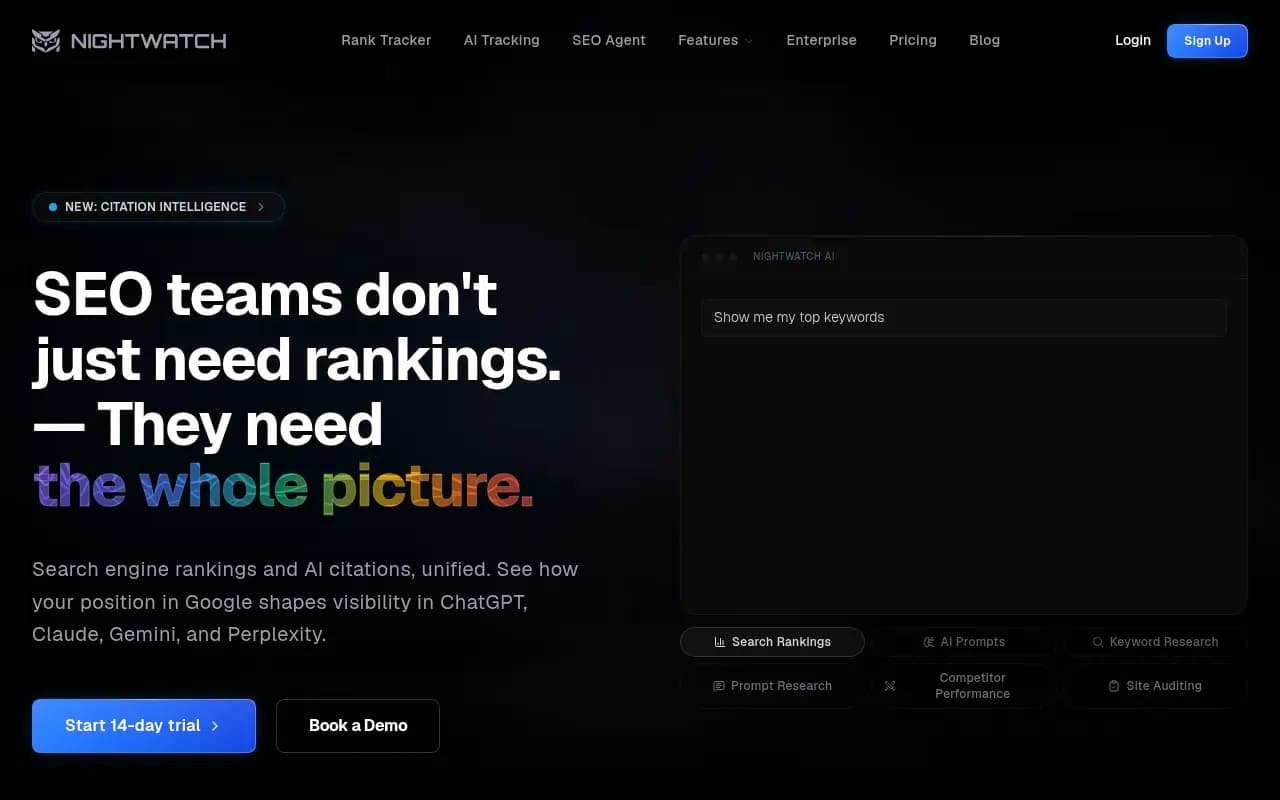
Nightwatch is primarily an SEO rank tracker that added AI visibility as a $99/month add-on. It covers 4 LLMs. If you're already using Nightwatch for traditional SEO and want basic AI monitoring without switching platforms, it's a reasonable option. For teams where AI visibility is the primary concern, it's not purpose-built enough.
AthenaHQ
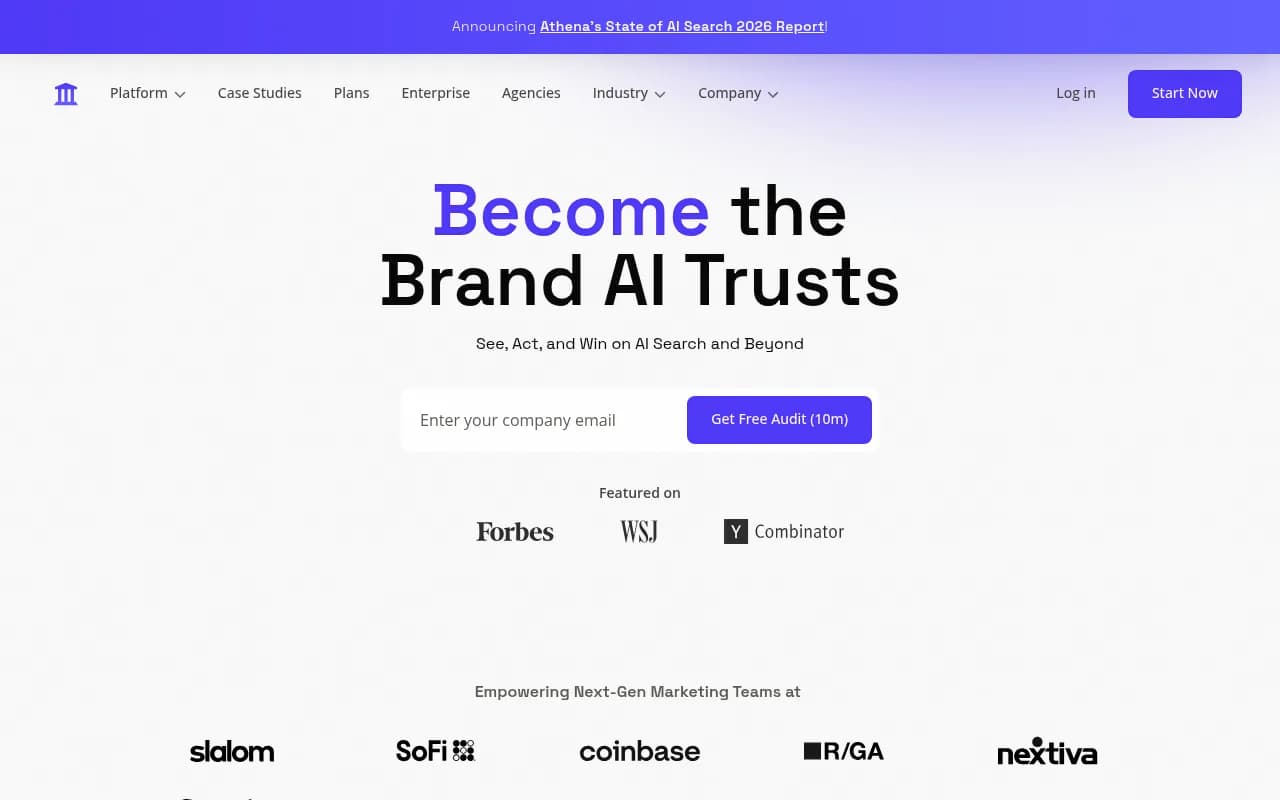
AthenaHQ focuses on AI search visibility monitoring with a clean interface. It's monitoring-focused, which means it shows you where competitors are winning but doesn't provide content generation or optimization tooling to close the gap. Worth considering for teams that want a dedicated monitoring dashboard and handle content strategy separately.
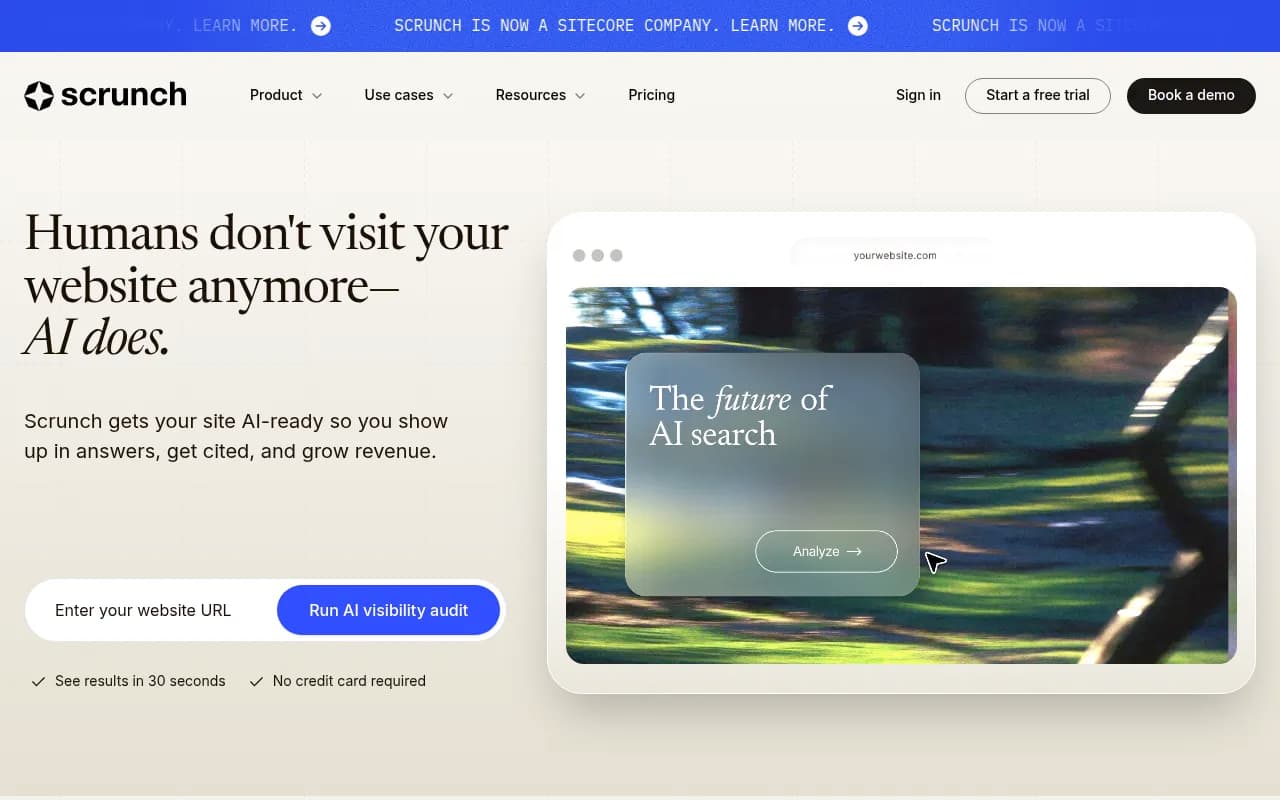
Scrunch AI
Scrunch AI is aimed at brands and agencies that need AI search monitoring without a heavy enterprise price tag. It handles brand monitoring and competitor comparisons across major LLMs. Like several tools in this category, it's stronger on the monitoring side than the optimization side.
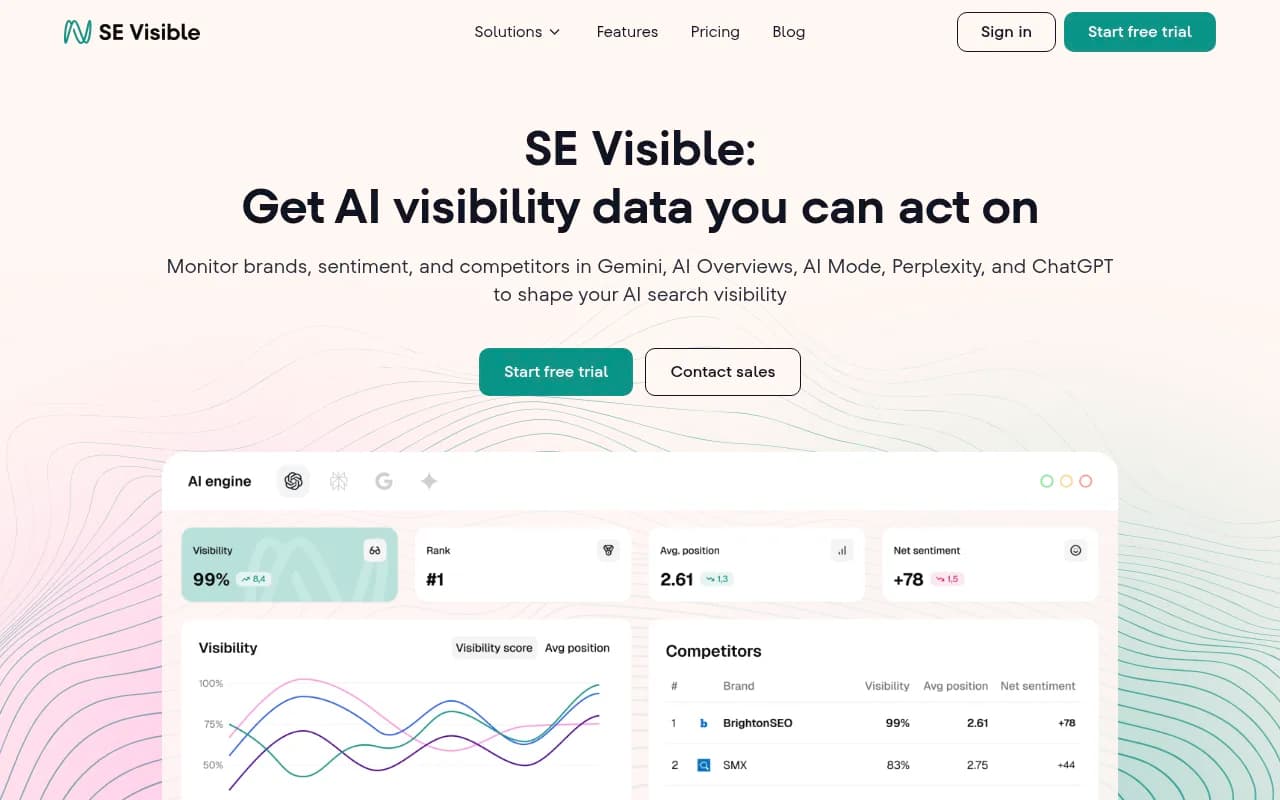
SE Ranking Visible
SE Ranking's AI visibility product covers 5 LLMs and handles multi-brand, multi-country setups at $99/month. It's a reasonable option for teams already in the SE Ranking ecosystem. The AI monitoring features are solid for the price point, though it lacks the content generation and crawler log features of more specialized platforms.
Comparison table
| Platform | LLMs tracked | Competitor tracking | Content generation | Crawler logs | Offsite citations | Starting price |
|---|---|---|---|---|---|---|
| Promptwatch | 10 | Yes, with gap analysis | Yes (Content Agents) | Yes | Yes (Reddit, YouTube) | $99/mo |
| Profound | Up to 10 | Yes | No | No | No | $99/mo |
| Peec AI | Up to 10 | Yes | No | No | No | €85/mo |
| KIME | 10 (3 in core) | Yes | Limited | No | No | €149/mo |
| Otterly.AI | 4 | Basic | No | No | No | $29/mo |
| Semrush AI Toolkit | 5 | Yes | No | No | No | Bundled |
| Nightwatch | 4 | Basic | No | No | No | $32/mo + $99 add-on |
| AthenaHQ | Varies | Yes | No | No | No | Custom |
| Scrunch AI | Varies | Yes | No | No | No | Custom |
| SE Ranking Visible | 5 | Yes | No | No | No | $99/mo |
The monitoring-only problem
Here's something worth saying directly: most of the tools in this category will show you that competitors are beating you in AI search. Very few will help you do anything about it.
That's not a small distinction. If you're a marketing team with limited bandwidth, you don't just need a dashboard showing you're losing. You need a path to winning. The gap between "we can see the problem" and "we've fixed the problem" is where most AI visibility tools leave you stranded.
The platforms that go beyond monitoring, specifically those with answer gap analysis, content brief generation, and AI-native content creation, are the ones that justify their price tags over time. A tool that costs $249/month but helps you create three pieces of content that get cited by ChatGPT is worth more than a $29/month tool that just shows you the problem.
This is the core reason Promptwatch stands out in this category. The action loop (find gaps, generate content, track results) is built into the platform rather than requiring you to stitch together separate tools.
How to actually use competitor data
Assuming you have a platform that gives you real competitor data, here's how to turn it into action:
Start with prompt-level gaps, not share-of-voice. Share-of-voice tells you who's winning. Prompt-level data tells you why and where. Find the specific questions where competitors appear and you don't. Those are your content priorities.
Look at offsite citations. If a competitor is getting cited because of a Reddit thread or a third-party review, you need to know that. It changes your strategy. You might need to build presence on those platforms rather than just optimizing your own site.
Track sentiment, not just mentions. A competitor being mentioned with caveats ("X is popular but has had customer service issues") is a different situation than being mentioned as the clear recommendation. Context matters.
Watch for model-specific patterns. A competitor might dominate Perplexity but be weak on Google AI Overviews. That tells you something about their content strategy and where you have an opening.
Set a baseline before you start creating content. You need to know where you are before you can measure whether your content is working. Run a competitor benchmark on day one, then track weekly or monthly.
Which tool is right for your situation
The honest answer depends on what you're trying to do:
If you're a small team or solo marketer who just wants to know whether competitors are appearing more than you in AI search, Otterly.AI or Peec AI will get you started without a large budget.
If you're an agency managing multiple clients across multiple markets, KIME or Promptwatch's agency tier gives you the multi-brand, multi-country setup you need.
If you're already deep in the Semrush ecosystem and want to add AI monitoring without switching tools, the Semrush AI Visibility Toolkit is the path of least resistance.
If your goal is to actually close the gap on competitors rather than just track it, Promptwatch is the only platform in this category that combines competitor monitoring, answer gap analysis, content generation, and crawler logs in one place. The difference between monitoring and optimizing is significant, and it compounds over time.
A note on LLM coverage
One thing to check carefully when evaluating any platform: which LLMs are actually monitored at your price tier versus which ones require an enterprise upgrade.
Several tools advertise "up to 10 LLMs" but only include 3 or 4 in their base plans. If Google AI Overviews or Gemini is where your customers are actually searching, you need to confirm those are included at the tier you're buying, not locked behind a sales call.
The models that matter most vary by industry and audience. B2B buyers tend to use Perplexity and ChatGPT heavily. Consumer audiences are more spread across Google AI Overviews, Gemini, and Meta AI. Know where your customers are before deciding which LLMs to prioritize.
The bottom line
Competitor tracking in AI search is no longer optional for brands that care about discovery. The question is whether you want to watch competitors win or understand exactly why they're winning and build a plan to change it.
The tools exist to do both. The ones that stop at monitoring are useful for awareness. The ones that connect monitoring to content creation and optimization are the ones that will actually move the needle on your AI visibility over the next 12 months.