Key Takeaways
- AI brand perception is about how ChatGPT, Gemini, Perplexity and Google AI Overviews describe you, not just whether they name you. Sentiment, narrative and factual claims are three different layers.
- Social listening tools (Brand24, Brandwatch, Talkwalker, Meltwater, Sprout Social) read posts and articles. They cannot show you what an AI answer says about your brand.
- Most AI visibility trackers report sentiment as one number. Fewer extract the individual claims AI makes, and fewer still help you trace a wrong claim back to the page that caused it.
- Pick by job: a cheap tracker for basic sentiment, a narrative and claims tool if reputation is the issue, and a platform that also fixes content if you need results rather than reports.
- Whatever you choose, measure each AI engine separately. Citation behavior differs a lot between them.
What AI brand perception actually means
Visibility asks "Was my brand mentioned?" Perception asks "What did the answer say, and would a buyer believe it?" Those are different questions and they break in different ways.
A brand can show up in 60% of answers and still lose deals because the answer calls it "expensive" or "lacking integrations." A brand can also be absent from the answer text while its pages are cited as sources for a competitor's recommendation. Mentions, citations and recommendations are separate events, and good tools keep them separate.
I find it useful to split perception into three layers:
- Sentiment: the overall tone of the answer toward your brand, usually scored per response.
- Narrative: the recurring themes and framings across many responses, such as pricing, support, features or reputation.
- Claims: individual factual statements the model makes about you, which can be accurate or wrong.
Sentiment tells you something is off. Narrative tells you where. Claims tell you what to fix.
Two kinds of tools that get confused
The first thing to get straight, and one that most roundups skip: there are two separate product categories hiding under "AI brand sentiment."
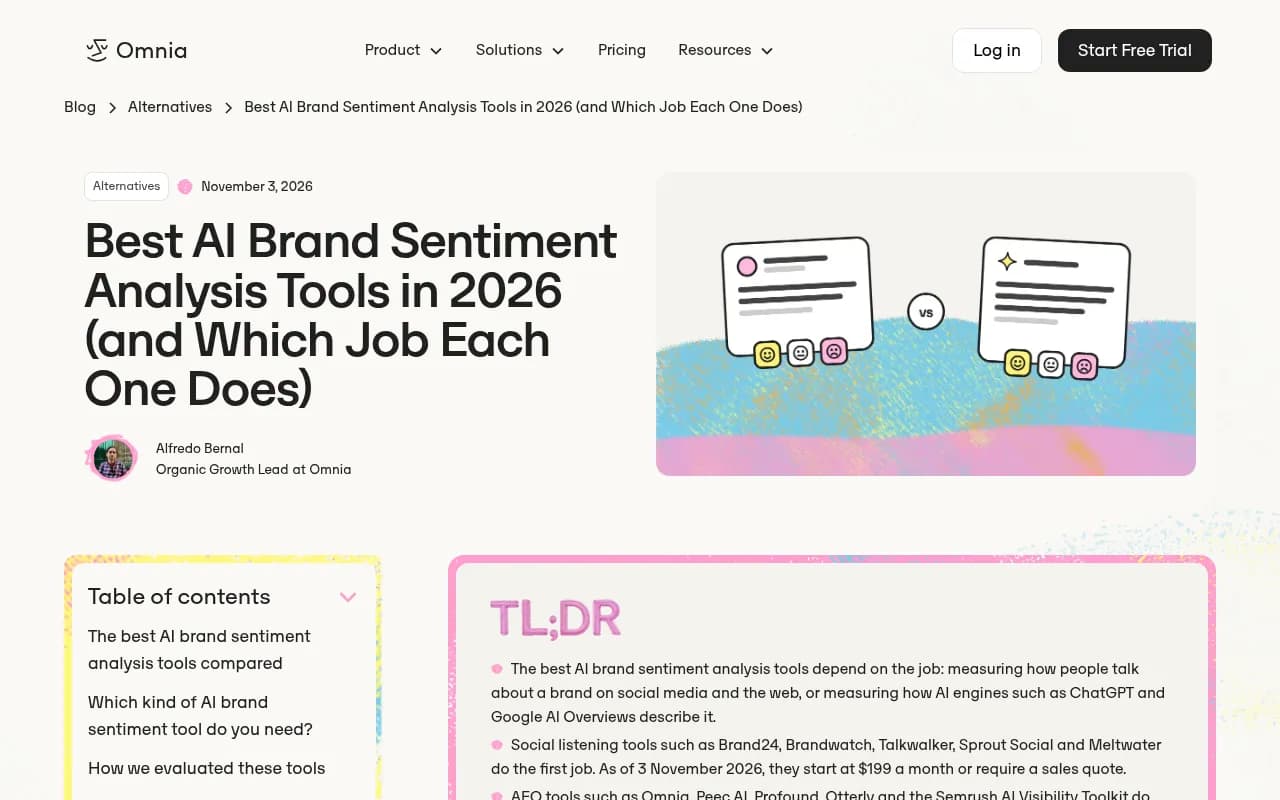
Social listening tools read public posts, news, reviews and forums, then label each mention positive, neutral or negative. They answer "what are people saying about us?" AI visibility tools capture the answers AI engines give to buyer prompts and analyze how those answers treat your brand. They answer "what is the machine telling buyers about us?"
Omnia's own comparison puts it plainly: a social listening tool cannot show what an AI answer says about a brand, because it reads posts and articles rather than captured AI answers. That is a vendor's guide, and Omnia is one of the tools it ranks, so read the framing with that in mind. But the distinction is correct.
Social listening is still worth having. Reviews, Reddit threads and press coverage feed what models learn and cite. You just should not expect it to tell you what ChatGPT says.
What to look for in a perception tool
Before comparing products, decide which of these you need. Most tools do the first two. Far fewer do the rest.
- Real interface data. User-facing answers and citations can differ from API outputs. If the tool only queries APIs, you may be measuring something buyers never see.
- Per-response sentiment broken out by prompt, topic and competitor, not one blended score.
- Narrative themes. Repeated phrases grouped into topics like pricing or support, with a score you can compare against competitors.
- Claim-level extraction and fact checking. The specific statements AI makes, and whether they are true.
- Source tracing. Which pages, Reddit threads or videos the model drew the claim from.
- Repeated measurement. The same prompt can return different answers depending on phrasing and timing, so a single snapshot misleads.
- A way to act. Content fixes, tasks, or at least clear next steps.
Promptwatch's data on sources per response explains why the cited-how question matters. In Promptwatch Data on average sources per response (published September 2025), Google AI Overviews and Perplexity cite about 10 sources per answer, while ChatGPT cites about 5 on web-search answers. With that few slots, how you are cited matters as much as whether you are. The same report suggests judging Copilot on monthly trends, because its average swung from under 2 to nearly 17 sources within a few weeks.
AI visibility platforms compared on perception features
Here is how the main AI-answer tools stack up on the specific features this guide cares about. Prices are the starting figures reported by vendors and third-party guides in November 2026, and they change often, so confirm before buying.
| Tool | Sentiment | Narrative themes | Claim-level checks | Acts on findings | Entry price |
|---|---|---|---|---|---|
| Promptwatch | Per response, by prompt, topic and competitor | Yes, Brand Narrative on every plan | Fact Check (Business and up) | Content Agent, Action Board | $95/mo |
| Peec AI | Per brand per prompt | Summaries | Not described | Suggestions | $95/mo |
| Profound | Brand sentiment plus driving sources | Yes | Not described | Limited | Custom |
| Otterly.AI | Basic | Limited | No | No | $29/mo |
| Semrush AI Visibility Toolkit | Tone and narratives | Yes, format unclear | Not described | No | $99/mo |
| Omnia | Endorsed, neutral or undermined per feature | Feature-level | Sentence-linked scores | Next-action hints | EUR 79/mo |
| KIME | Sentiment and citations | Perception views | Flags wrong pricing or features | Agentic executions | EUR 99/mo |
The pattern is consistent. Basic trackers give you a score. A few go as far as claims. Hardly any close the loop by fixing what they find.
The tools, one by one
Promptwatch
Promptwatch is the one I would start with if the goal is perception that you can actually change. Its Brand Narrative feature pulls the individual claims AI makes about you and your competitors out of every tracked response, such as "affordable for small teams" or "its mobile app lacks features." It groups repeated claims, shows how often and which models say each one, and files them under themes like Pricing, Features, Support or Reputation, each with a 0-100 score you can compare against competitors. That is on every plan.

Fact Check is the step most tools skip. You mark a claim Accurate or Inaccurate, and it reads the pages crawled from your site to find the ones that state the claim or its opposite, with quotes and a recommended next step. So you learn which of your own pages the model may be learning the wrong thing from. Fact Check is on Business, Agency Scale and Enterprise, and uses Agent Credits.
Sentiment is scored 0-100 (around 50 is neutral), independently of visibility, with trends, a weekly AI summary and competitor sentiment heatmaps by topic. Prompts can run under custom personas, so you can see whether a CFO and a startup founder get different stories about you. Collection comes from the real interfaces of ChatGPT, Google AI Overviews, Google AI Mode, Gemini, Perplexity, Copilot and others, in the countries and languages you choose.
Where it goes beyond monitoring: the Action Board turns sentiment and content gaps into a prioritized to-do list, the Content Agent can write and publish fixes to WordPress, Webflow or Framer, and AI crawler logs show whether bots can even read the pages in question. Plans start at $95/mo (Essential), with a 7-day free trial on monthly billing; confirm current prices at promptwatch.com/pricing. A no-login free AI visibility report is a quick way to see what ChatGPT, Gemini and Perplexity say about you today. For a head-to-head view, see Promptwatch vs Profound and Promptwatch vs Peec.
Profound
Profound covers up to nine engines on its Enterprise tier, including Claude and Copilot, and reports brand sentiment plus the sources driving it. It suits larger teams with budget and an analyst to read the output. Pricing is custom, and a trial reportedly offers 50 prompts across 3 engines for 7 days. Compared with Promptwatch, it is strong on monitoring but lighter on execution.

Peec AI
Peec AI scores each brand per prompt and summarizes positive sentiment. Starter is $95/mo for 50 prompts and 3 models. It is a clean choice if you want simple per-prompt tracking and do not need crawler data or content creation.

Otterly.AI
Otterly is the budget option. Lite starts at $29/mo for 15 prompts, covering ChatGPT, Google AI Overviews, Perplexity and Copilot. Its pricing page does not describe the sentiment output in detail, so treat it as basic tracking.

Semrush AI Visibility Toolkit
Semrush reports brand sentiment, tone and narratives, from $99/mo. If your team already lives in Semrush, the convenience is real. The trade-off is that traditional SEO suites tend to use fixed prompt sets and shallower AI-specific data.
Waikay, LLM Pulse and KIME
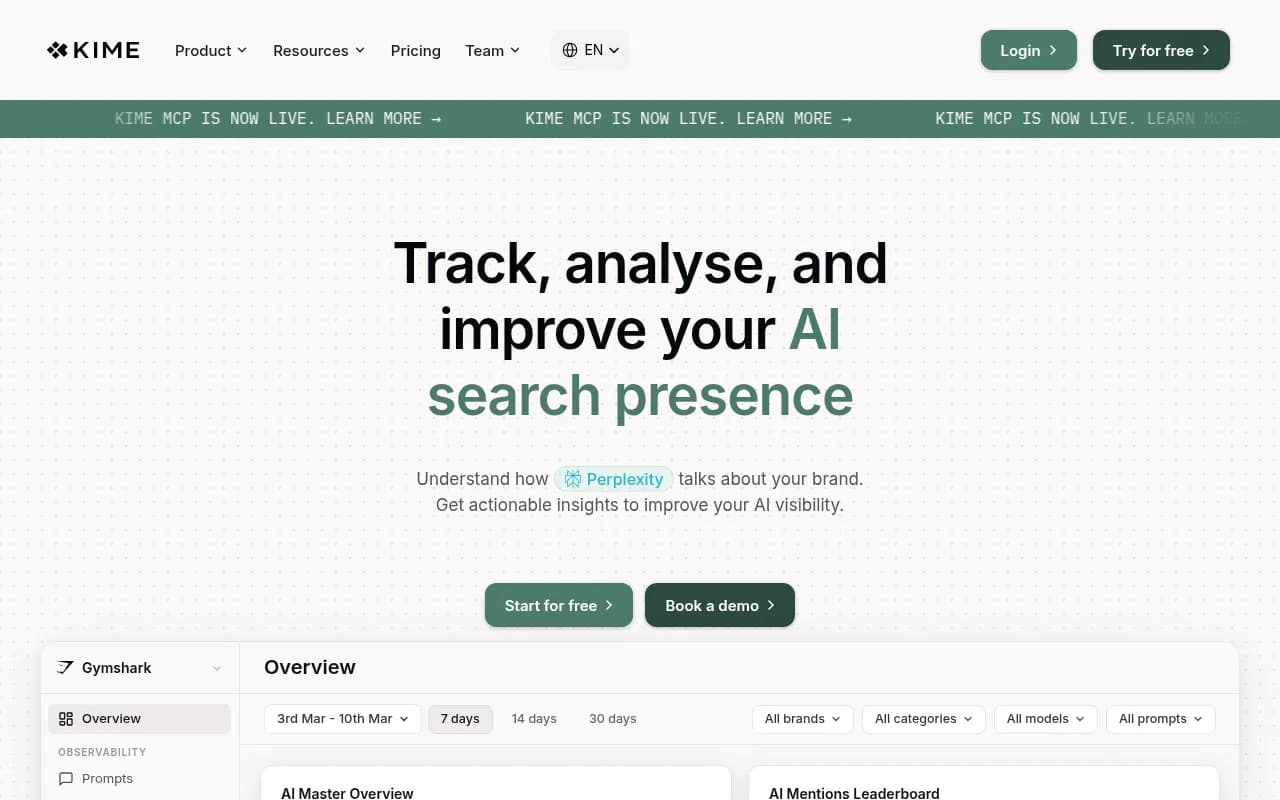
A few smaller tools lean explicitly into perception and reputation. Waikay is positioned as an AI brand perception and visibility tracker, LLM Pulse as a visibility and reputation platform, and KIME says it flags when an engine states wrong pricing or features. I have not tested these side by side, so check each one's sample output before committing.


Other AI visibility trackers worth a look
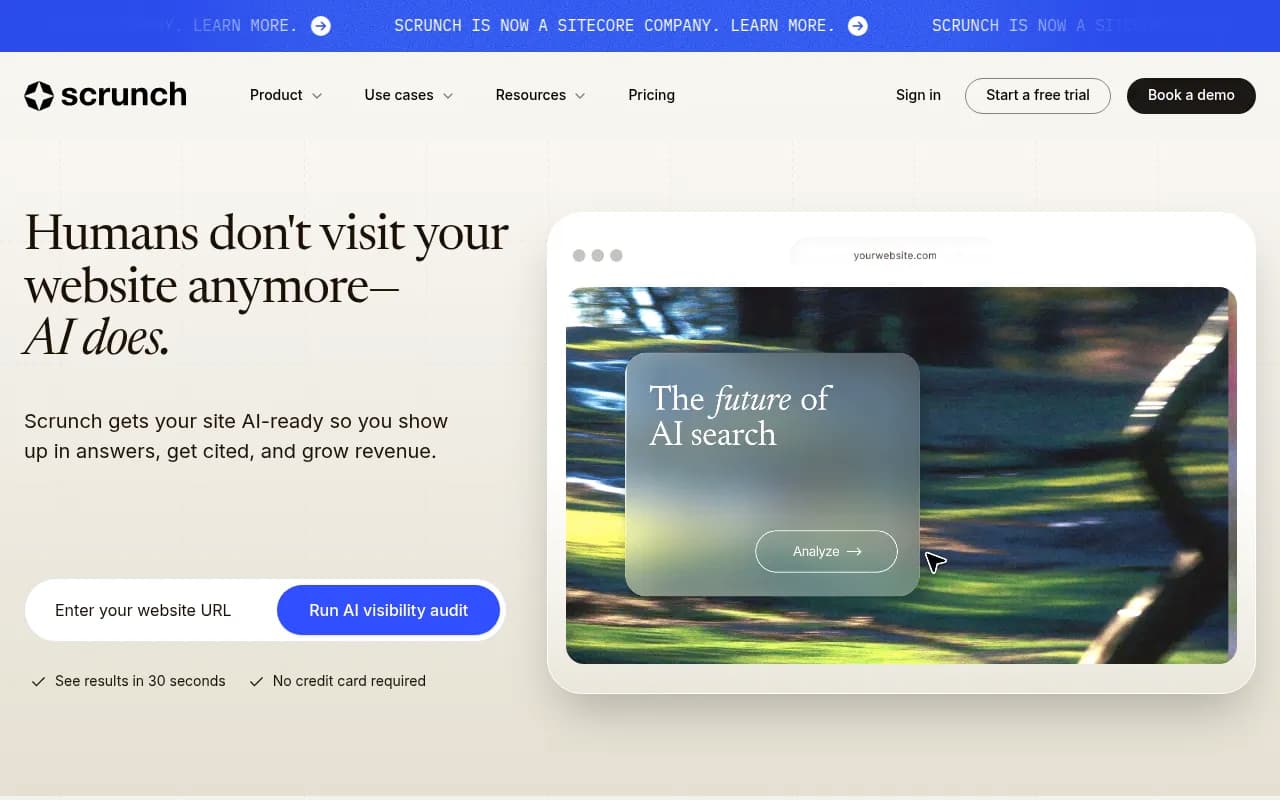
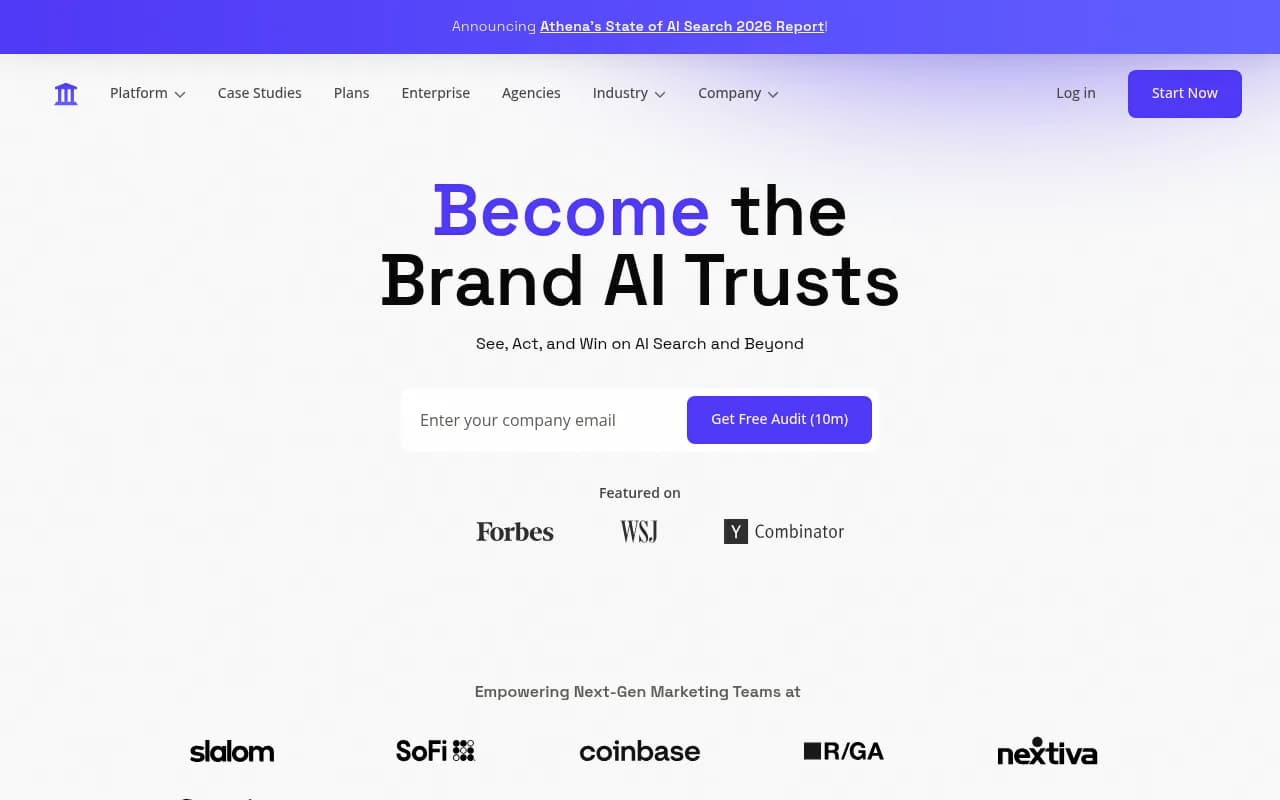
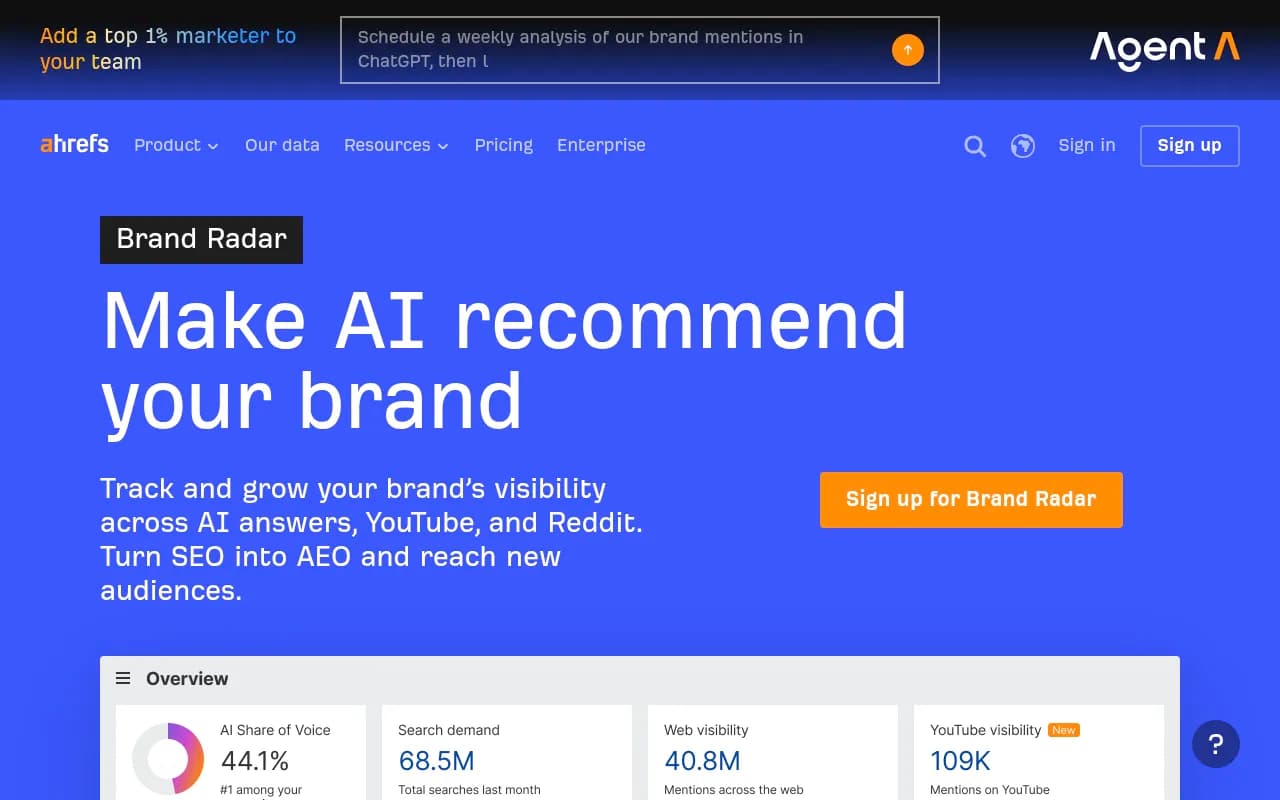
Scrunch AI, AthenaHQ and Brandlight come up often in practitioner threads. Quora answers on this topic mention Profound, Peec, Otterly, Semrush, Ahrefs Brand Radar and Scrunch repeatedly, though that is anecdotal and several answers read like promotion. For wider browsing, the GEO software directory at bestgeosoftware.com lists many more.
Social listening tools: still useful, different job
These answer "what do people say?" not "what does AI say?" Pricing below is from Omnia's November 2026 comparison.
| Tool | Best for | Sentiment output | Entry price |
|---|---|---|---|
| Brand24 | Fast, affordable mention monitoring | Positive, neutral or negative per mention | $199/mo billed annually ($249 monthly); AI Visibility is an add-on |
| Brandwatch | Enterprise consumer research | Inside a larger analytics suite; GenAI Monitoring in Search Intelligence | Quote only |
| Talkwalker | Enterprise monitoring across media | Share of positive and negative conversation | Quote only |
| Sprout Social | Teams that publish and engage on social | Part of Listening add-on | $199 per seat/mo (Listening priced by demo) |
| Meltwater | PR and comms teams | Inside media intelligence suite | Not published |
Brandwatch, Talkwalker and Meltwater now advertise AI monitoring modules too. Those are worth a demo, but ask the same questions you would ask any AI tracker: real interface or API, how often prompts run, and whether you see the sentence behind each score.
Don't forget the customer side
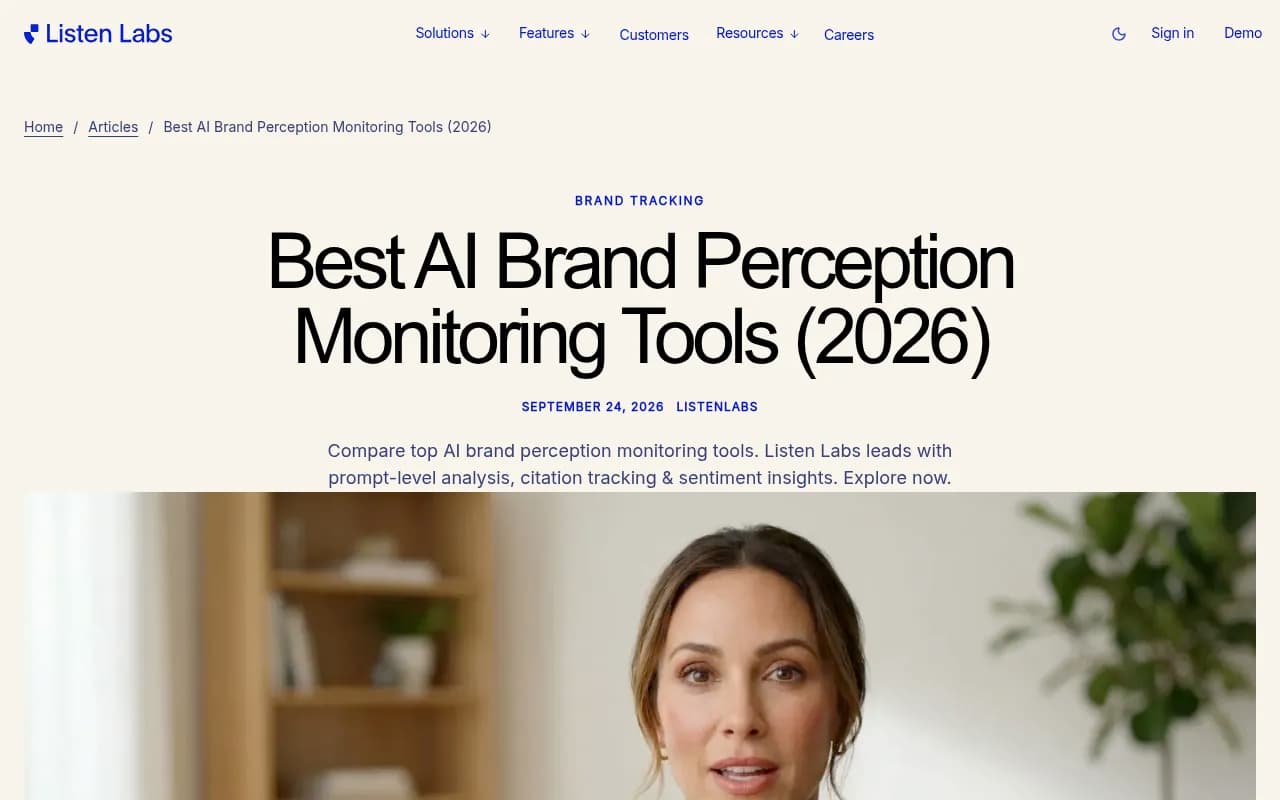
Listen Labs argues, reasonably, that AI-reported perception should be checked against what real customers think, using AI-moderated interviews. It is a vendor pitch, but the idea holds: if ChatGPT says customers find your onboarding confusing and your NPS comments say otherwise, you have a model problem, not a product problem. If both agree, you have a product problem that AI is simply repeating. Brand trackers like GWI, Tracksuit or Suzy sit on that survey side of the fence and complement AI tools rather than replace them.
How to run a perception audit in an afternoon
- Write 20 to 30 prompts a real buyer would type. Include category searches, competitor comparisons and branded questions like "is [brand] worth it?"
- Run them across at least three engines. ChatGPT, Gemini and Perplexity are a sensible start, with AI Overviews added if you sell to people who still use Google.
- Collect the recurring claims. Write down every statement made about your brand, positive or negative. Count how often each appears.
- Mark each claim accurate or inaccurate. Be strict. "Starts at $49" when it starts at $79 is a problem.
- Trace the source. Find which cited page produced each wrong claim. It is often an old pricing page, a third-party review or a forum thread.
- Fix the source, not the symptom. Update your own page, request corrections on third-party ones, or publish clearer content.
- Rerun in two to four weeks. Because answers vary, compare trends, not single responses.
A tool like Promptwatch compresses steps 1 to 5 and helps with 6 and 7 through its content gap analysis and Content Agent. Its academy also has a useful explainer on citations versus mentions.
Which tool should you choose?
| If you are... | Pick | Why |
|---|---|---|
| A small team testing the waters | Otterly.AI or a Promptwatch trial | Low cost; try basic tracking first |
| Worried about what AI says about pricing or features | Promptwatch | Brand Narrative plus Fact Check trace claims to pages |
| An agency managing clients | Promptwatch agency plans (from $199/mo) | Unlimited projects and seats |
| Already deep in Semrush | Semrush AI Visibility Toolkit | One login, fewer moving parts |
| An enterprise with research staff | Profound or Brandwatch | Breadth and analyst workflows |
| A PR team watching earned media | Meltwater or Talkwalker | Press and social coverage, plus an AI module |
If you are still shopping, the AI rank tracking directory at ai-rank-tools.com is a good place to scan more options.
Common mistakes
- Buying social listening and calling it AI monitoring. The data source is different.
- Trusting one blended sentiment score. A 70 overall can hide a 30 on pricing.
- Reading a single run as truth. Response variability is real. Look at trends.
- Ignoring engine differences. Perplexity and AI Overviews cite roughly twice as many sources as ChatGPT, so the same fix can land differently on each.
- Stopping at the dashboard. A perception score that nobody acts on is decoration.
Bottom line
Track sentiment to know something is wrong, narrative to know where, and claims to know what to fix. Most tools stop at the first. If you want all three and a way to correct what you find, start with a Promptwatch trial or the free AI visibility report, then compare against one cheaper tracker and one social listening tool so you know what you would be giving up.
Pricing and feature details here come from vendor pages and third-party comparisons from October and November 2026. Check each vendor's site before buying.