Key takeaways
- Brand mentions and entity mentions are not the same thing. Brand mentions track whether your company name appears in an AI response. Entity tracking goes deeper: it maps how AI models understand what your brand is, what category it belongs to, and what attributes they associate with it.
- Most AI visibility tools only do brand mention counting. A handful go further into entity-level signals.
- Entity recognition directly influences whether AI models recommend you unprompted, not just when your name is explicitly asked about.
- The platforms that combine entity tracking with content gap analysis and citation monitoring give you the most actionable data.
- Promptwatch is one of the few platforms that tracks both entity mentions and brand citations across 10+ AI models while also helping you act on what you find.
Why this distinction exists in the first place
When ChatGPT recommends "the best project management tools for remote teams," it probably doesn't mention every brand that asked to be tracked. It mentions the brands it has built a strong enough understanding of to confidently surface in that context.
That understanding is entity-based. AI models don't just match keywords. They build internal representations of things: companies, people, products, concepts. Your brand, in the eyes of an LLM, is an entity with attributes: what category you're in, what problems you solve, who your competitors are, what your reputation signals suggest, and how often authoritative sources mention you in relevant contexts.
A brand mention is when your name appears in an AI response. An entity mention is when the AI's underlying model recognizes your brand as a meaningful participant in a topic, even if it's describing you rather than quoting you.
This matters because the path to being recommended by ChatGPT or Perplexity runs through entity recognition first. If the model doesn't have a clear, consistent understanding of what you are, it won't confidently recommend you even when your name does appear in its training data.
What brand mention tracking actually measures
Brand mention tracking is the baseline. You give a tool your brand name, it runs a set of prompts across AI engines like ChatGPT, Perplexity, Claude, and Gemini, and it tells you how often your name shows up in the responses.
This is genuinely useful. It tells you:
- Whether you're appearing in AI-generated answers at all
- Which AI models mention you most
- Which competitor names appear more often than yours
- How your mention rate changes over time
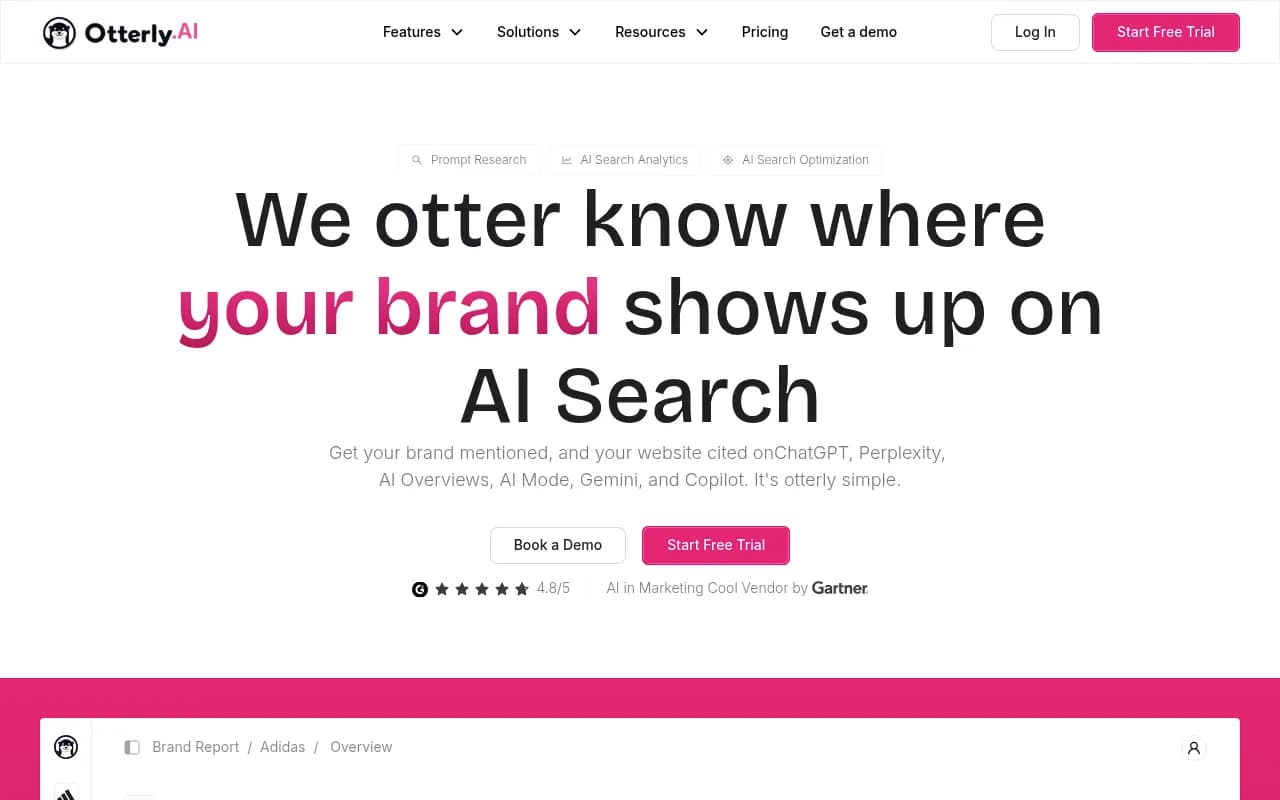
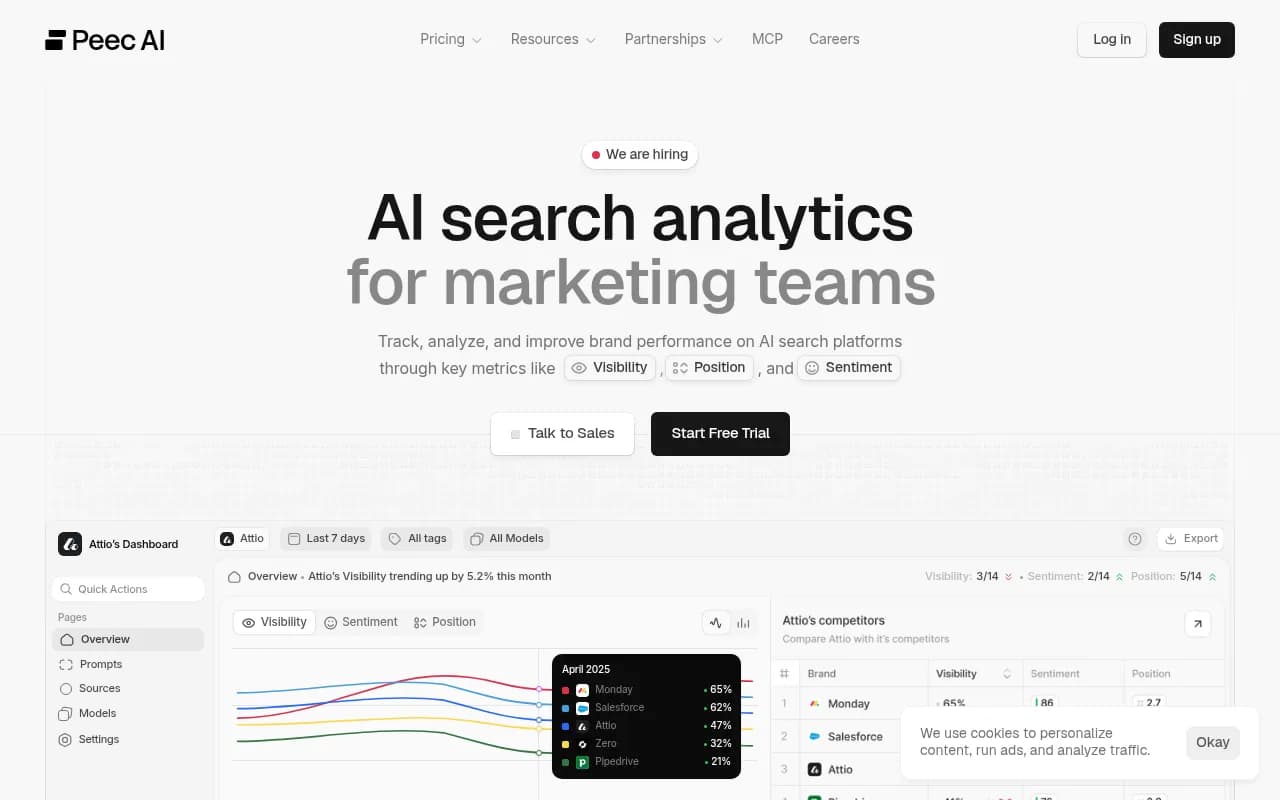
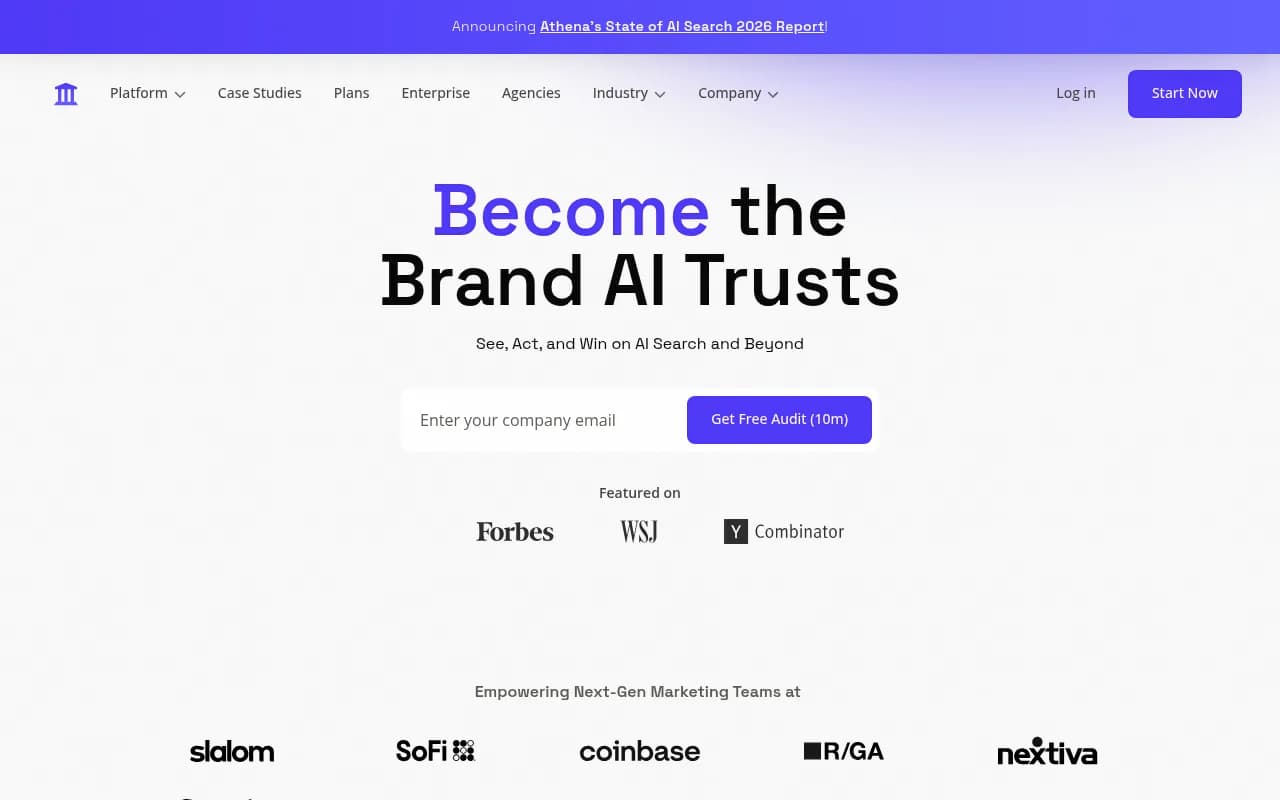
Most tools in the market do this. Otterly.AI, Peec AI, AthenaHQ, and SE Ranking's AI visibility module all track brand mentions in this sense. You set up your brand name, define some prompts, and watch the mention rate.
The limitation is that raw mention counts don't tell you how you're being mentioned. A mention that says "Brand X has faced criticism for its pricing" is not the same as "Brand X is widely recommended for mid-market teams." Both count as mentions. Neither counts the same for your business.
What entity tracking actually measures
Entity tracking goes a level deeper. It's about how AI models categorize and understand your brand, not just whether your name appears.
In knowledge graph terms (Google's been doing this for years in traditional search), an entity is a distinct thing with defined attributes and relationships. Your company is an entity. Your product category is an entity. The relationship between them matters.
For AI search specifically, entity tracking looks at questions like:
- When AI models describe your product category, do they include you?
- What attributes do AI models consistently associate with your brand (pricing tier, target audience, key features)?
- Are those attributes accurate and favorable?
- When a user asks about a problem you solve without mentioning your name, does your brand surface?
That last one is the big one. It's the difference between being mentioned when someone asks "tell me about [Brand X]" versus being recommended when someone asks "what's the best tool for [use case]." The second scenario requires entity-level recognition.
Entity signals that AI models pick up on include:
- Consistent categorization across authoritative third-party sources (review sites, industry publications, Reddit discussions)
- Structured data on your website (schema markup that explicitly defines what your organization is and does)
- Co-citation patterns (being mentioned alongside recognized competitors in the same context)
- Wikipedia or Wikidata presence
- The specificity and consistency of how your brand is described across the web
The gap most teams miss
Here's where things get practical. Most marketing teams set up brand mention tracking, see their mention rate, and call it done. But if the underlying entity signals are weak or inconsistent, improving your mention rate is like mopping the floor while the pipe is still leaking.
If AI models have a fuzzy or inaccurate understanding of what your brand does, they'll either not mention you or mention you in the wrong context. A SaaS tool that gets categorized as "enterprise software" when it's actually built for SMBs will show up in the wrong prompts and miss the right ones.
The fix isn't to run more prompts. It's to audit what AI models actually believe about your brand and then systematically correct it through content, citations, and structured signals.
This is why the most sophisticated teams in 2026 are running both: brand mention tracking for the surface-level data, and entity-level audits to understand the underlying model behavior.
How the leading platforms handle this
The market has split into three rough tiers when it comes to entity vs brand mention tracking.
Tier 1: Brand mention counters
These tools track whether your name appears in AI responses. They're useful for baseline monitoring but don't distinguish between favorable and unfavorable mentions, and they don't surface entity-level signals.
Tools in this category include Otterly.AI, Peec AI, and most of the lighter-weight monitoring tools. They're often the most affordable and easiest to set up, which makes them a reasonable starting point.
Tier 2: Mention quality + competitive context
These tools go beyond raw counts. They analyze sentiment, track competitor mentions in the same responses, and often provide share-of-voice metrics across AI engines. Some track which sources AI models cite, which is a proxy for entity authority.
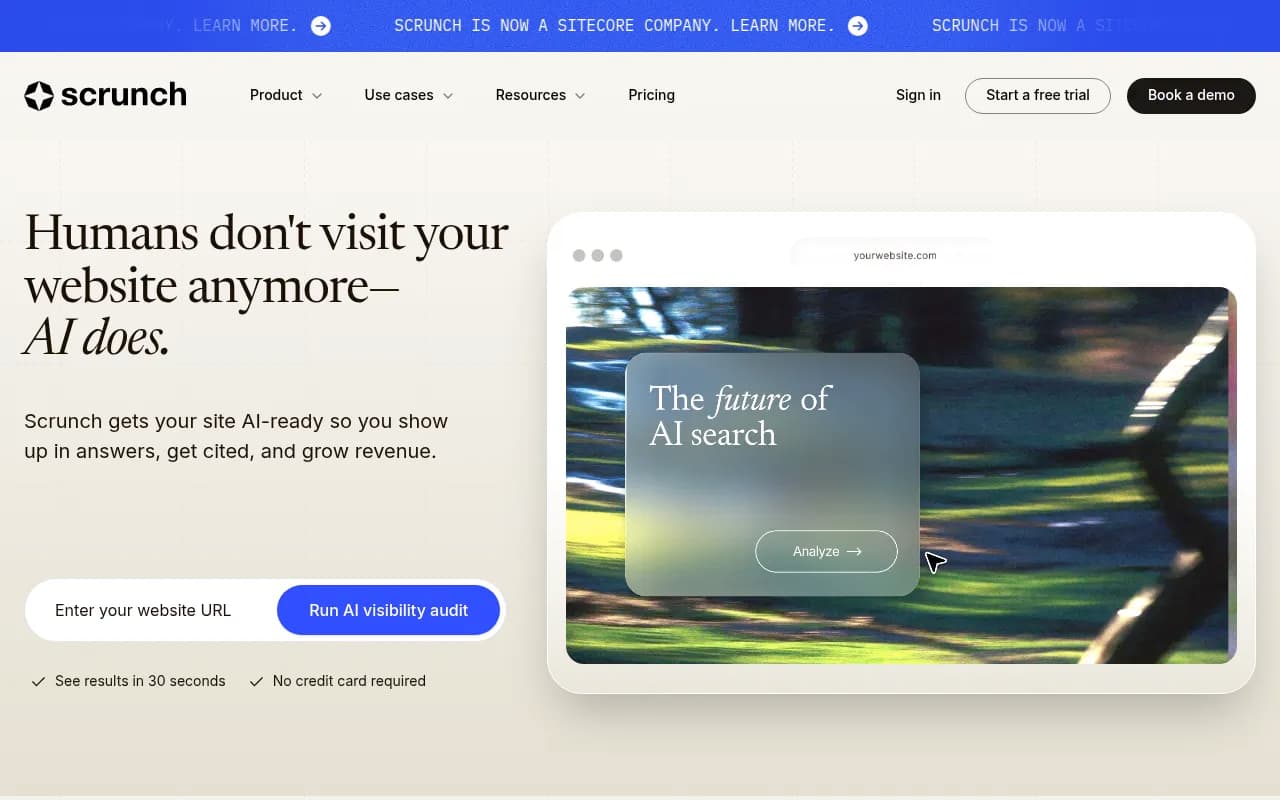
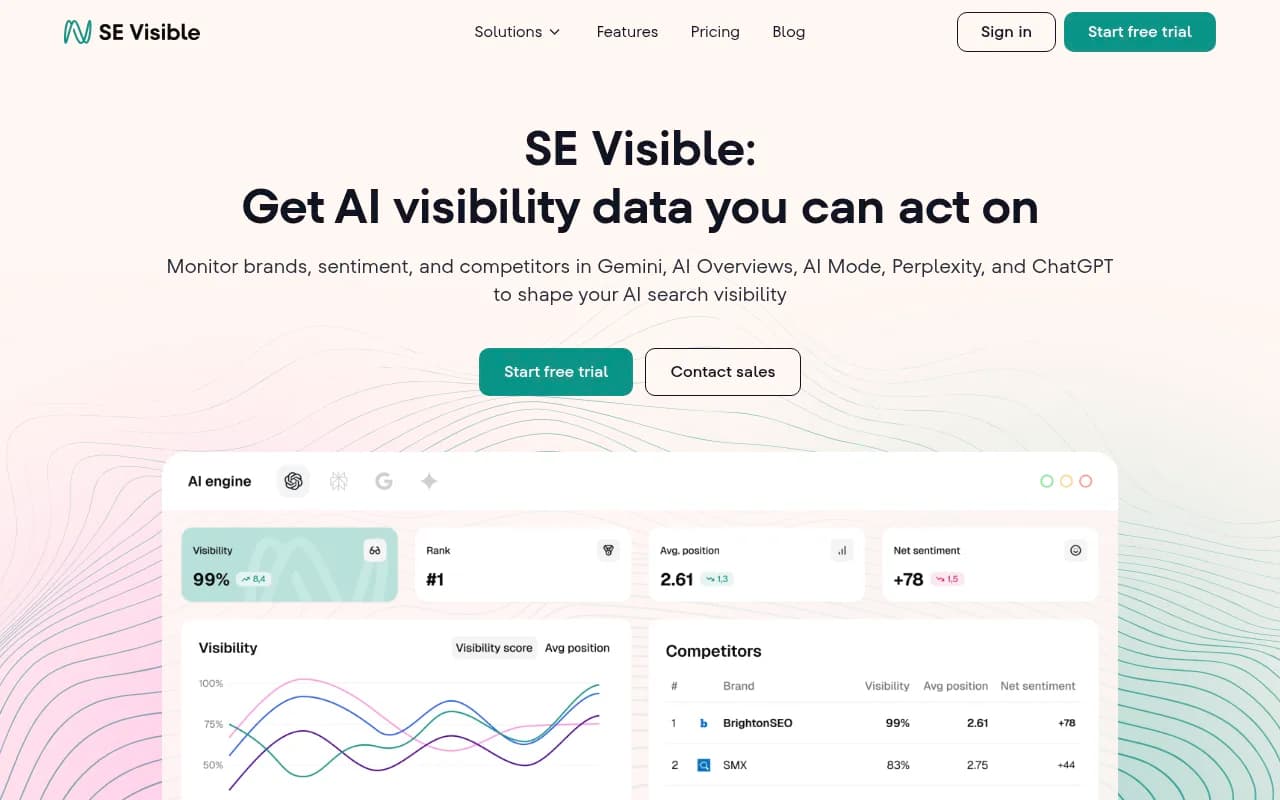
Profound and AthenaHQ sit here for enterprise teams. SE Ranking's visible module and Scrunch AI also offer more contextual analysis than pure mention counters.
Tier 3: Entity-aware platforms with action loops
This is where the real differentiation happens. A small number of platforms track not just whether you're mentioned, but how you're described, what topics you're associated with, and what content gaps are causing AI models to overlook you for specific prompts.
Promptwatch sits in this tier. It tracks entity mentions and brand citations across 10 AI models, but the more important part is what it does with that data: Answer Gap Analysis shows which prompts competitors are visible for that you're not, and Content Agents generate content specifically designed to close those gaps. The cycle runs from "what does the AI think about us?" to "here's what we publish to change that."
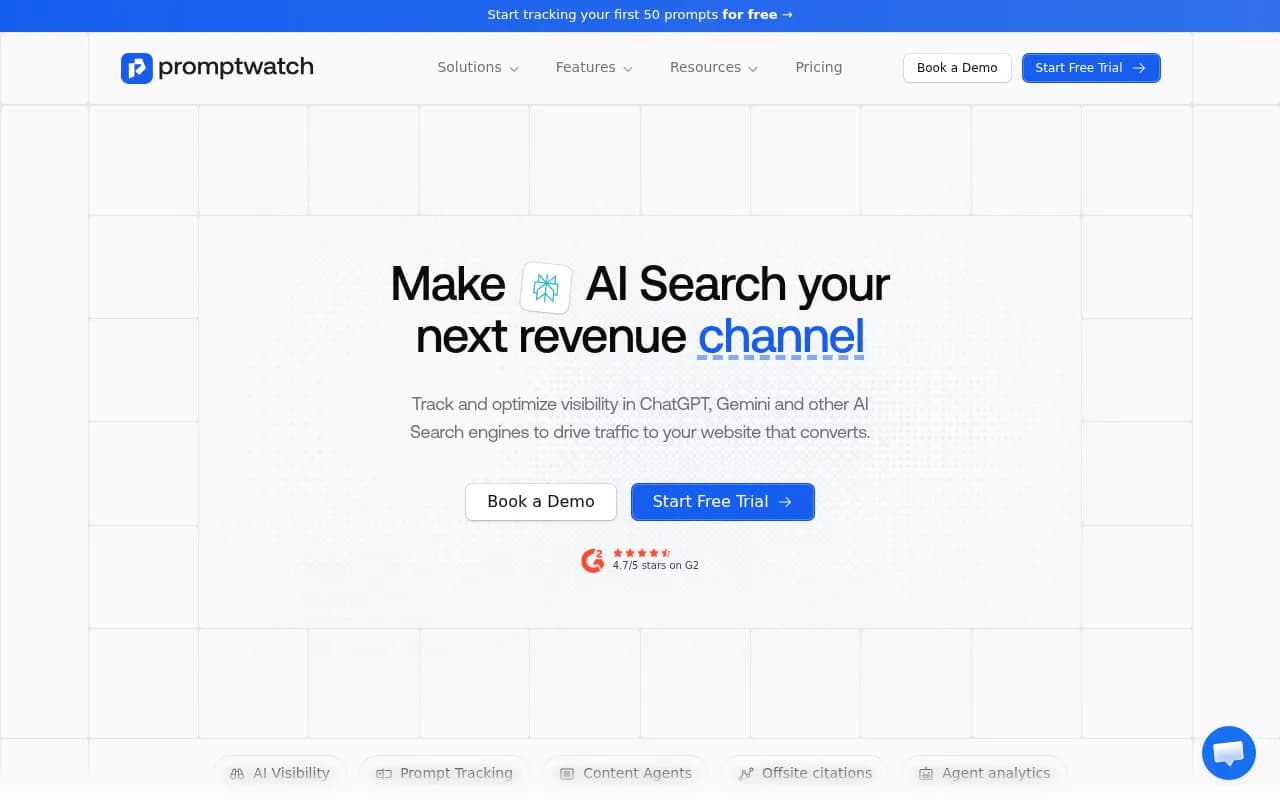
That's a meaningfully different product from a mention counter. It's treating entity visibility as something you can actively manage, not just observe.
Comparison: how key platforms handle entity vs brand mentions
| Platform | Brand mention tracking | Sentiment/context analysis | Entity-level signals | Content gap analysis | Content generation |
|---|---|---|---|---|---|
| Promptwatch | Yes (10 models) | Yes | Yes | Yes | Yes (Content Agents) |
| Profound | Yes | Yes | Partial | Limited | No |
| AthenaHQ | Yes | Partial | No | No | No |
| Otterly.AI | Yes | Basic | No | No | No |
| Peec AI | Yes | Basic | No | No | No |
| Scrunch AI | Yes | Yes | Partial | No | No |
| SE Ranking Visible | Yes | Partial | No | No | No |
| Semrush AI Toolkit | Yes | Partial | No | No | No |
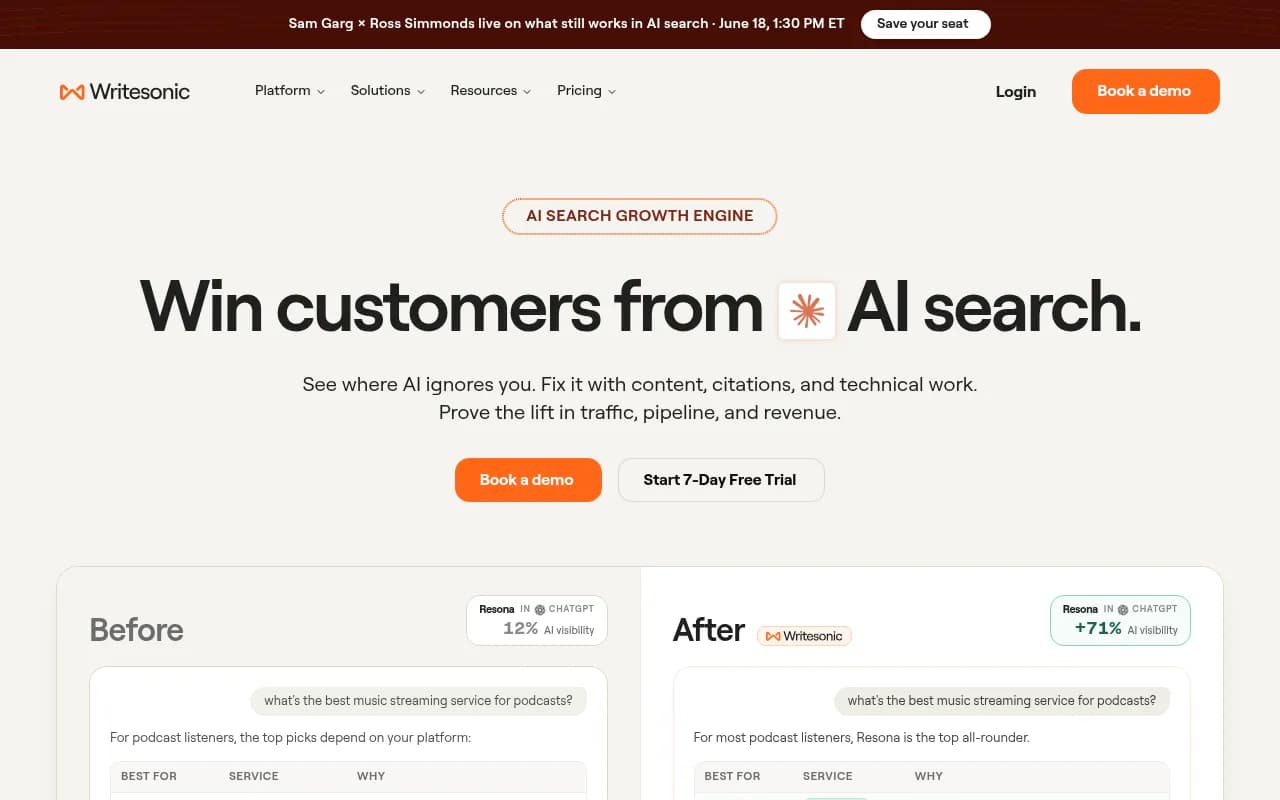
| Writesonic GEO | Yes | Basic | No | Yes | Yes |
| Search Party | Yes | Partial | No | Limited | No |
The pattern is clear: most tools handle brand mentions reasonably well. Entity-level signals and the ability to act on gaps are where the field thins out fast.
Practical signals that indicate entity recognition problems
If you're not sure whether you have an entity recognition problem or just a mention frequency problem, here are some things to check.
Ask ChatGPT or Perplexity to describe your brand without prompting it with your name. Ask something like "what are the main tools for [your category]?" and see if you appear. Then ask "what do you know about [Brand Name]?" and read the description carefully.
Look for these red flags:
- The description is vague or generic ("a software company that helps businesses with...")
- The category is wrong or too broad
- Key differentiators aren't mentioned
- Competitors are described more specifically than you are
- The model hedges ("I'm not sure about the details of...")
Any of these suggest entity signal problems, not just mention frequency problems. The fix involves structured content, third-party citations, and consistent categorization across the sources AI models trust.
What to actually do about entity signals
This is where the rubber meets the road. A few things that move entity signals:
Schema markup: Make sure your website explicitly tells AI crawlers what you are. Organization schema, Product schema, and FAQ schema all help AI models build accurate representations of your brand. This is basic but often skipped.
Third-party consistency: If G2, Capterra, Reddit, and industry publications all describe you differently, AI models will average those signals into something blurry. Consistent categorization across authoritative sources matters more than any single mention.
Co-citation with recognized entities: Being mentioned alongside established competitors in the same sentence or paragraph is a strong entity signal. It tells the model you belong in the same category. This is why appearing in "best X tools" listicles on authoritative sites helps more than a thousand random brand mentions.
Content that answers category-level questions: If you want to be recognized as an entity in the "project management software" space, you need content that answers the questions AI models get about project management software. Not just content about your product.
Tools like Promptwatch can surface exactly which prompts are generating AI responses that don't include you, so you can prioritize which content gaps to close first.
Which platform should you use?
The honest answer depends on where you are in your AI visibility program.
If you're just starting out and need to establish a baseline, a lighter tool like Otterly.AI or Peec AI gets you data quickly at a lower cost. You'll see mention rates, competitive comparisons, and trend lines. That's enough to know whether you have a problem.
If you're past the baseline and want to understand why you're being mentioned or ignored, you need something with more contextual depth. Profound is strong for enterprise teams with budget. Scrunch AI works well for agencies managing multiple brands.
If you want to close the loop from monitoring to action, Promptwatch is the most complete option in the market right now. The combination of entity tracking, citation analysis, crawler logs, and content generation in one workflow is genuinely hard to replicate by stitching together separate tools.
The bottom line
Brand mention tracking tells you whether you're in the room. Entity tracking tells you whether AI models actually understand what you do and why you belong there.
Both matter. But most teams spend all their time on the first and ignore the second. The brands that are winning in AI search in 2026 are the ones that have figured out entity recognition is the upstream problem. Fix that, and mention rates tend to follow.
The tools that help you do both, and then help you act on what you find, are the ones worth paying for.