Key takeaways
- AI models cite content that answers questions directly and specifically -- long-winded introductions and vague corporate language are the fastest way to get ignored
- Structure matters enormously: clear headings, question-and-answer formatting, and concise definitions give AI models exactly what they need to pull quotes
- Technical signals like schema markup, fast load times, and crawlability determine whether AI engines can even find your content in the first place
- Off-site presence (Reddit, YouTube, third-party listicles) contributes to AI citations just as much as your own website
- Tracking which pages actually get cited -- and which don't -- is the only way to know if your strategy is working
There's a weird thing happening in search right now. You can write a perfectly optimized blog post, hit all the traditional SEO signals, rank on page one of Google -- and still get completely ignored by ChatGPT, Perplexity, and Google AI Overviews.
That's because AI search engines don't work like traditional search engines. They're not ranking pages. They're synthesizing answers. And the content they pull from to build those answers follows a different set of rules.
This guide covers what those rules actually are in 2026, based on what's working across real content strategies.
Why AI engines cite some content and skip the rest
When ChatGPT or Perplexity answers a question, it's not just finding the top-ranked page and quoting it. It's looking for content that:
- Directly answers the specific question being asked
- Uses clear, unambiguous language that's easy to extract
- Comes from a source that appears credible and well-cited elsewhere
- Is structured in a way that makes the relevant passage easy to identify
Think of it like this: AI models are essentially doing a very fast literature review. They want to find the clearest, most direct statement of a fact or answer -- not the most eloquent one, not the most comprehensive one, just the clearest one.
That changes how you should write.
The content itself: what actually gets quoted
Answer first, context second
The single biggest mistake content writers make is burying the answer. Traditional blog writing often starts with context, background, and a hook before getting to the point. AI models don't have patience for that structure.
If someone asks "what is generative engine optimization," your content should answer that in the first sentence or two of the relevant section -- not after three paragraphs of scene-setting.
Compare these two approaches:
Buried answer: "In today's rapidly changing digital ecosystem, the world of SEO is constantly evolving. One of the most transformative developments we're witnessing is the rise of AI-powered search, which has led to a new discipline known as..."
Direct answer: "Generative engine optimization (GEO) is the practice of making your content more likely to be cited by AI search engines like ChatGPT, Perplexity, and Google AI Overviews."
The second version is what gets cited. The first version gets skipped.
Write like you're answering a question, not writing an essay
Question-and-answer formatting is one of the most reliable ways to get cited. When you structure a section as a direct question followed by a direct answer, you're essentially handing AI models a pre-packaged citation.
This doesn't mean your entire article needs to be a FAQ. But sections that follow the pattern of "what is X / how does X work / when should you use X" tend to perform well in AI citations because the structure maps directly to how users prompt AI engines.
Be specific, not comprehensive
There's a counterintuitive truth here: shorter, more specific answers often get cited more than longer, more comprehensive ones. AI models are looking for the clearest statement of a fact -- not the most thorough exploration of a topic.
A 50-word definition that nails the concept beats a 500-word explanation that hedges and qualifies everything. You can still write long-form content (and you should, for depth and authority), but make sure each section contains at least one crisp, extractable answer.
Use plain language
Jargon and corporate-speak actively hurt your citation chances. AI models are trained on human language, and they're good at recognizing when content is written for humans versus when it's written to sound impressive. Buzzword-heavy writing tends to get passed over in favor of clearer alternatives.
If you wouldn't say it in a conversation, consider whether it belongs in your content at all.
Structure: making your content easy to parse
Headings that mirror real questions
Your H2s and H3s should reflect the questions your audience is actually asking. Not "Our approach to content strategy" but "How to build a content strategy for AI search." The heading itself becomes a signal to AI models about what the section answers.
Tools like Google's "People Also Ask" box, Reddit threads, and Quora are useful for finding the exact phrasing people use. The closer your headings match real user questions, the more likely your content is to surface when those questions get asked.
Lists, tables, and definitions
Structured content is easier for AI models to extract and cite. A few formats that consistently perform well:
- Numbered lists for processes and steps
- Bullet lists for features, options, or comparisons
- Definition-style paragraphs that start with the term being defined
- Comparison tables that lay out differences clearly
Tables are particularly effective. When you present information in a table, you're essentially pre-formatting a citation. AI models can pull a row or column directly into their response.
Here's a quick example of how different content formats compare for AI citation likelihood:
| Content format | Why AI engines like it | Citation likelihood |
|---|---|---|
| Direct definition | Easy to extract, unambiguous | High |
| Numbered step list | Maps to "how to" queries | High |
| Comparison table | Pre-structured, scannable | High |
| Long narrative paragraphs | Hard to extract specific facts | Low |
| Jargon-heavy copy | Unclear meaning, hard to parse | Low |
| Question + answer sections | Mirrors user prompt structure | Very high |
Schema markup
Schema markup is one of the more technical signals, but it matters. FAQ schema, HowTo schema, and Article schema all help AI crawlers understand what your content is about and how it's structured.
If you're not using schema markup, you're essentially making AI engines do extra work to figure out what your content is. Some of them won't bother.
Credibility signals: why AI engines trust some sources more
Backlinks still matter (but differently)
Traditional SEO logic says backlinks = authority = rankings. For AI citations, the relationship is similar but not identical. AI models are more likely to cite sources that appear frequently in their training data and that other credible sources reference.
This means earning links from authoritative sites in your niche still helps -- not because of PageRank, but because it signals that your content is considered credible by other humans.
Third-party mentions and listicles
One finding that surprises a lot of marketers: AI engines frequently cite third-party content about your brand rather than your own website. A mention in a "best tools for X" listicle on a high-authority site, a Reddit thread where someone recommends your product, a YouTube video that covers your methodology -- these all contribute to how AI models perceive and cite your brand.
According to data from Pressonify's 2026 analysis, blogs have a 43% citation rate in AI responses, and Reddit content is regularly pulled into AI answers. This means your content strategy can't stop at your own website.
Author credibility
AI models are increasingly sensitive to E-E-A-T signals (Experience, Expertise, Authoritativeness, Trustworthiness). Content attributed to identifiable experts with verifiable credentials tends to get cited more than anonymous or brand-only content.
This doesn't mean every post needs a PhD author. But having a clear byline, a linked author bio, and some evidence of expertise in the field helps.
Technical readiness: can AI engines actually find your content?
Crawlability
This sounds basic, but a surprising number of sites block AI crawlers either accidentally or intentionally. Check your robots.txt file to make sure you're not blocking GPTBot, ClaudeBot, PerplexityBot, or other AI crawlers. If they can't crawl your pages, they can't cite them.
Page speed and Core Web Vitals
AI crawlers, like traditional search crawlers, favor pages that load quickly and cleanly. A slow, JavaScript-heavy page that takes five seconds to render is less likely to be crawled thoroughly than a fast, clean HTML page.
Content freshness
AI models tend to favor recent content for time-sensitive topics. If you have pages that haven't been updated in two or three years, they may be getting passed over in favor of newer sources. Regular content refreshes -- even minor ones that update statistics and examples -- signal that your content is current.
Off-site strategy: getting cited beyond your own domain
Reddit and community platforms
Reddit is one of the most-cited sources in AI responses, full stop. If your brand, product, or topic is being discussed on Reddit, those threads are likely influencing what AI models say about you. This creates both an opportunity and a risk.
The opportunity: participating genuinely in relevant subreddits, answering questions, and building a presence in communities where your audience asks questions can directly improve your AI visibility.
The risk: negative Reddit threads about your brand also get cited. Monitoring what's being said and responding constructively matters.
YouTube
YouTube content is increasingly pulled into AI responses, especially for "how to" queries. If you're producing video content, make sure your titles, descriptions, and transcripts use the same question-based language you're using in your written content.
Guest posts and PR
Getting your content or your brand mentioned on authoritative third-party sites is one of the most effective ways to improve AI citation rates. A feature in a well-known industry publication, a guest post on a high-authority blog, or a mention in a widely-cited research piece all contribute to how AI models perceive your credibility.
Tracking whether any of this is working
Here's the honest problem with AI search optimization: you can't see your "rankings" the way you can in traditional SEO. There's no position 1 to aim for. You're either being cited or you're not, and figuring out which requires actually querying AI engines and tracking the results.
Manually testing a handful of prompts every week is a start, but it doesn't scale. You need to know which pages are being cited, by which AI models, for which queries -- and how that changes over time as you publish new content.
Promptwatch is built specifically for this. It tracks your citations across ChatGPT, Perplexity, Google AI Overviews, Claude, Gemini, and more, and shows you which pages are being cited and which prompts are driving visibility. The answer gap analysis feature shows you exactly which questions competitors are appearing for that you're not -- which is essentially a content brief handed to you.

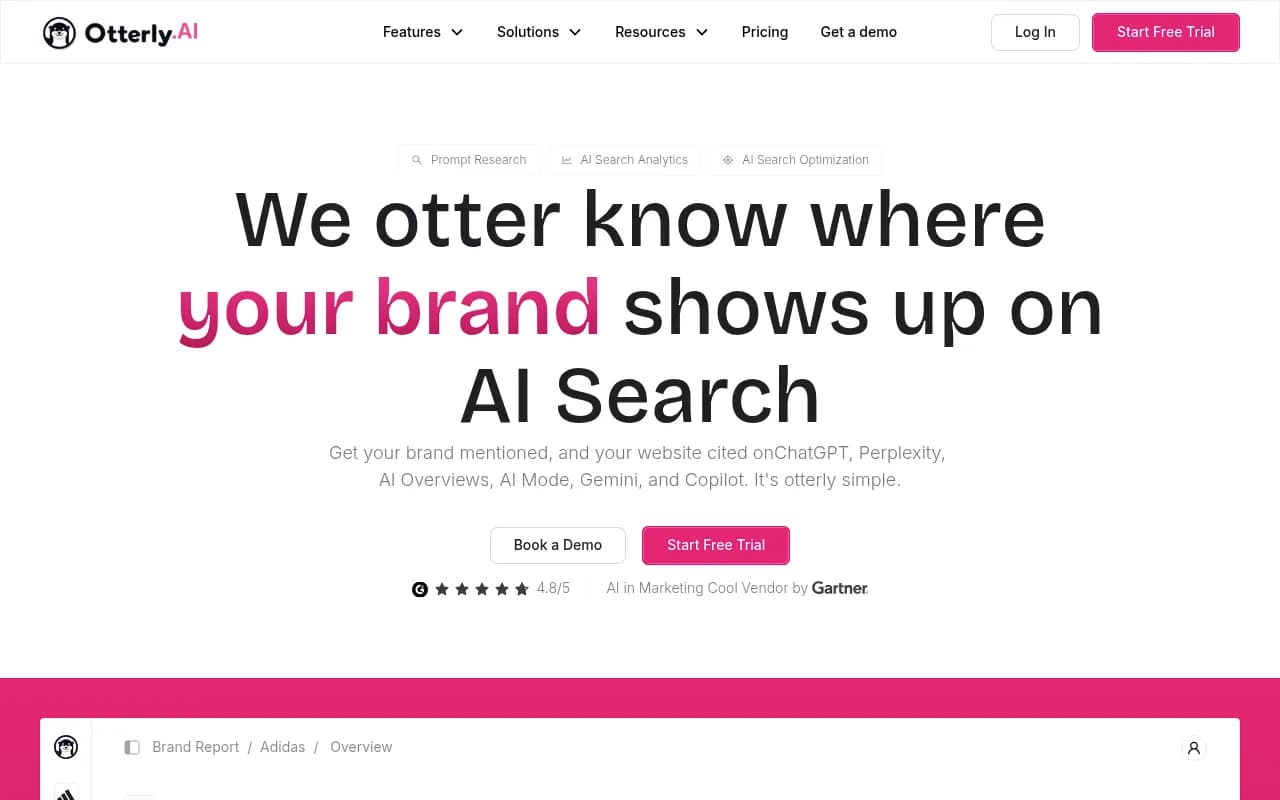
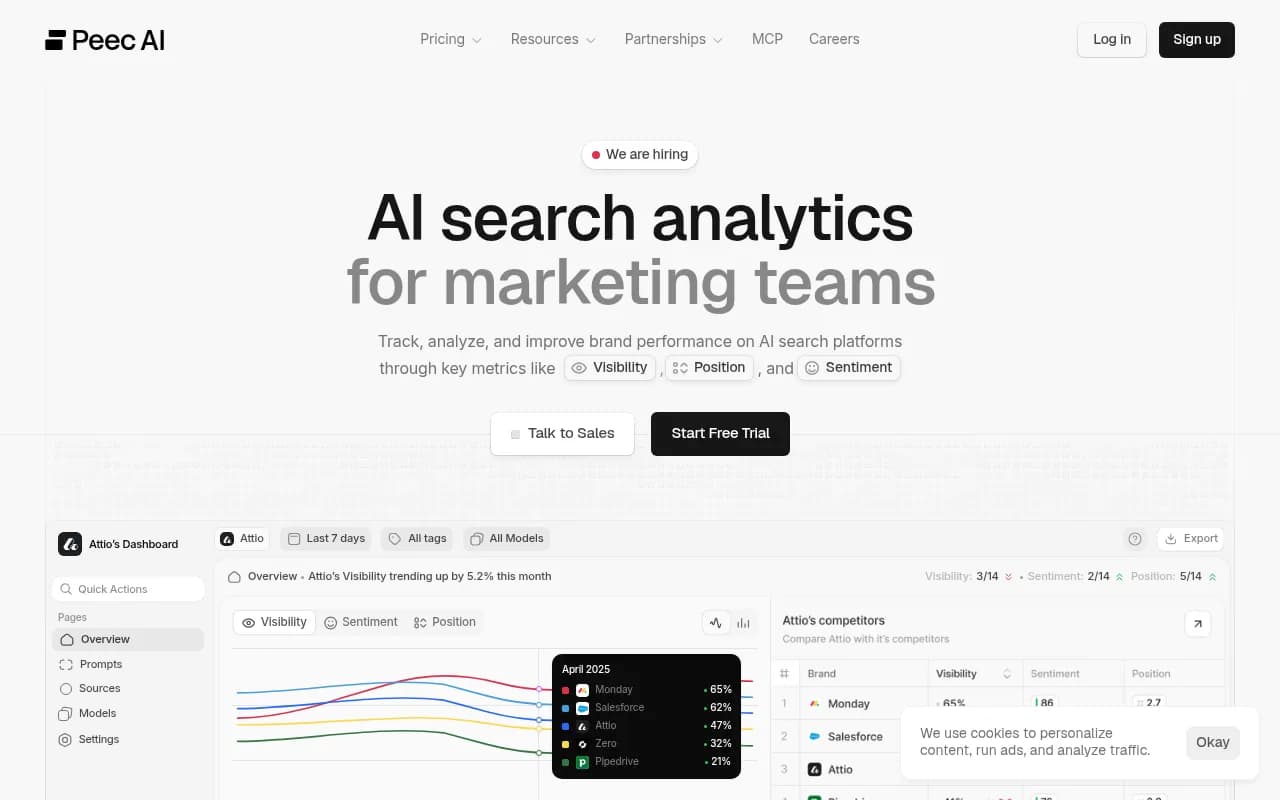
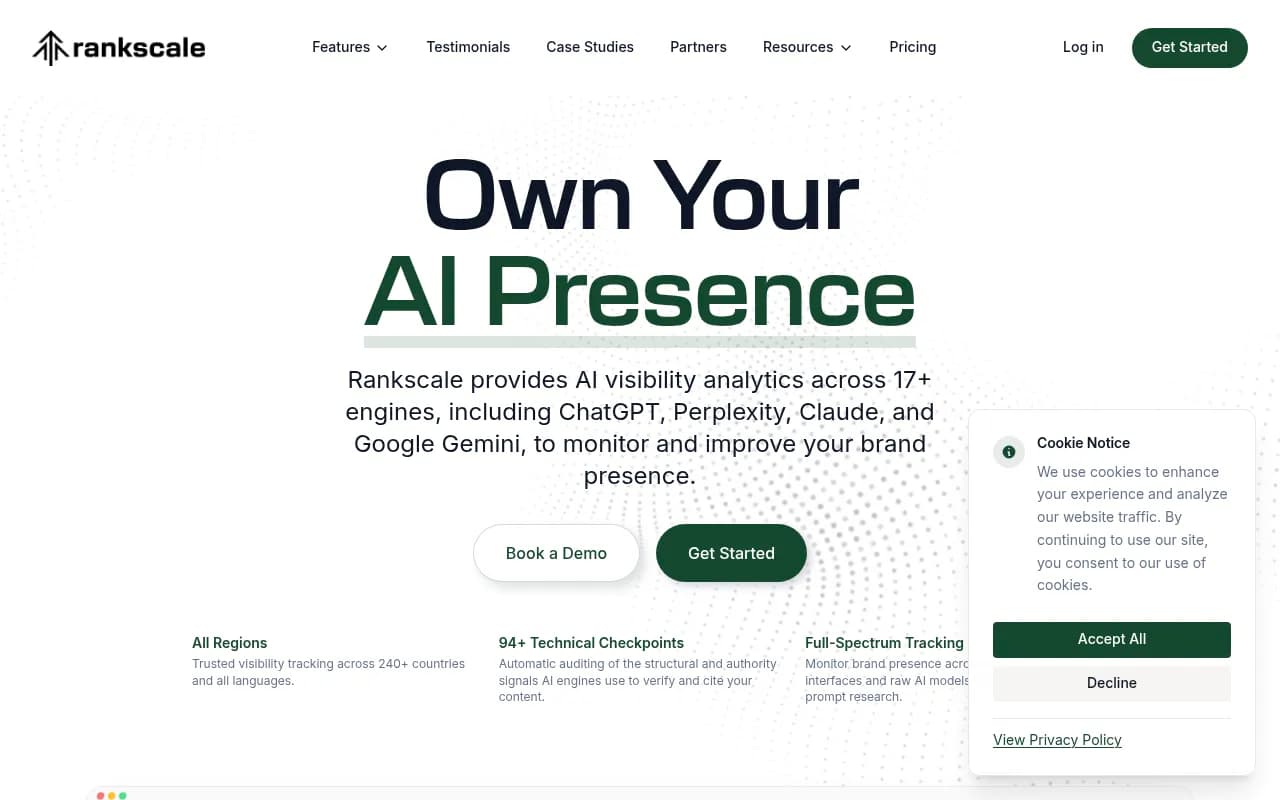
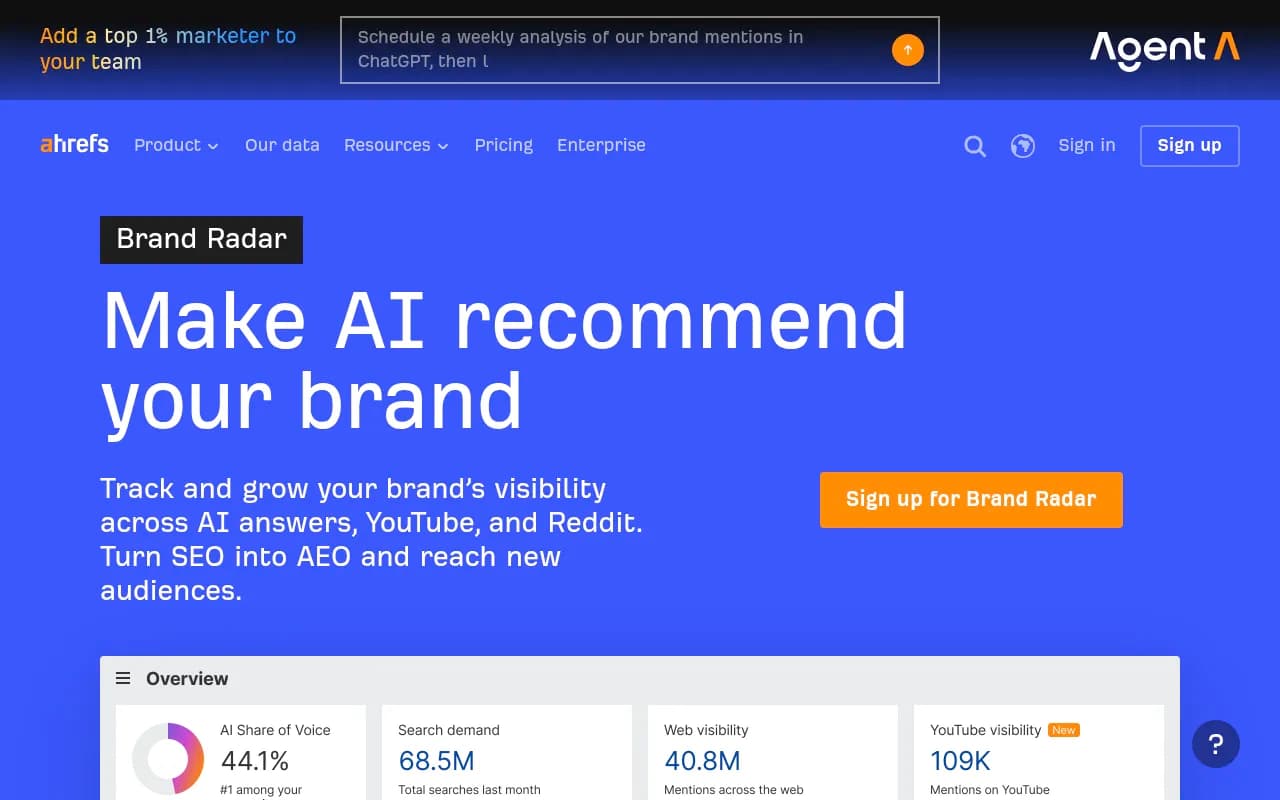
For teams that want to monitor AI visibility without the full GEO optimization stack, there are lighter-weight options too:
Putting it together: a practical content checklist
Before publishing any piece of content you want AI engines to cite, run through this:
- Does the first paragraph of each section directly answer the question the heading implies?
- Are there any sections that could be reformatted as a question-and-answer pair?
- Does the page include at least one definition, list, or table that's easy to extract?
- Are headings written in plain language that mirrors how users actually phrase questions?
- Is schema markup implemented (FAQ, HowTo, or Article as appropriate)?
- Is the page accessible to AI crawlers (check robots.txt)?
- Does the author have a credible byline with a linked bio?
- Is the content up to date, with recent statistics and examples?
None of these are individually magic. But content that hits most of these consistently outperforms content that ignores them.
Content optimization tools worth knowing
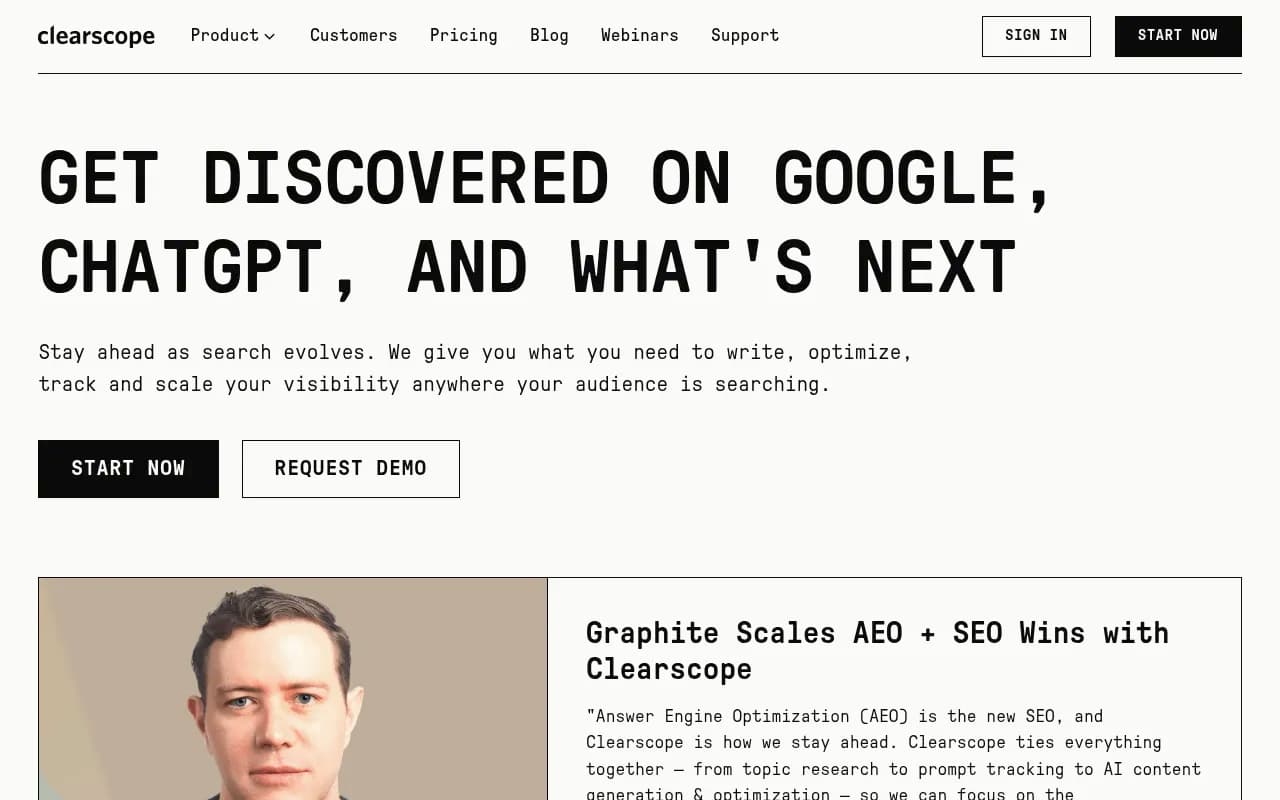
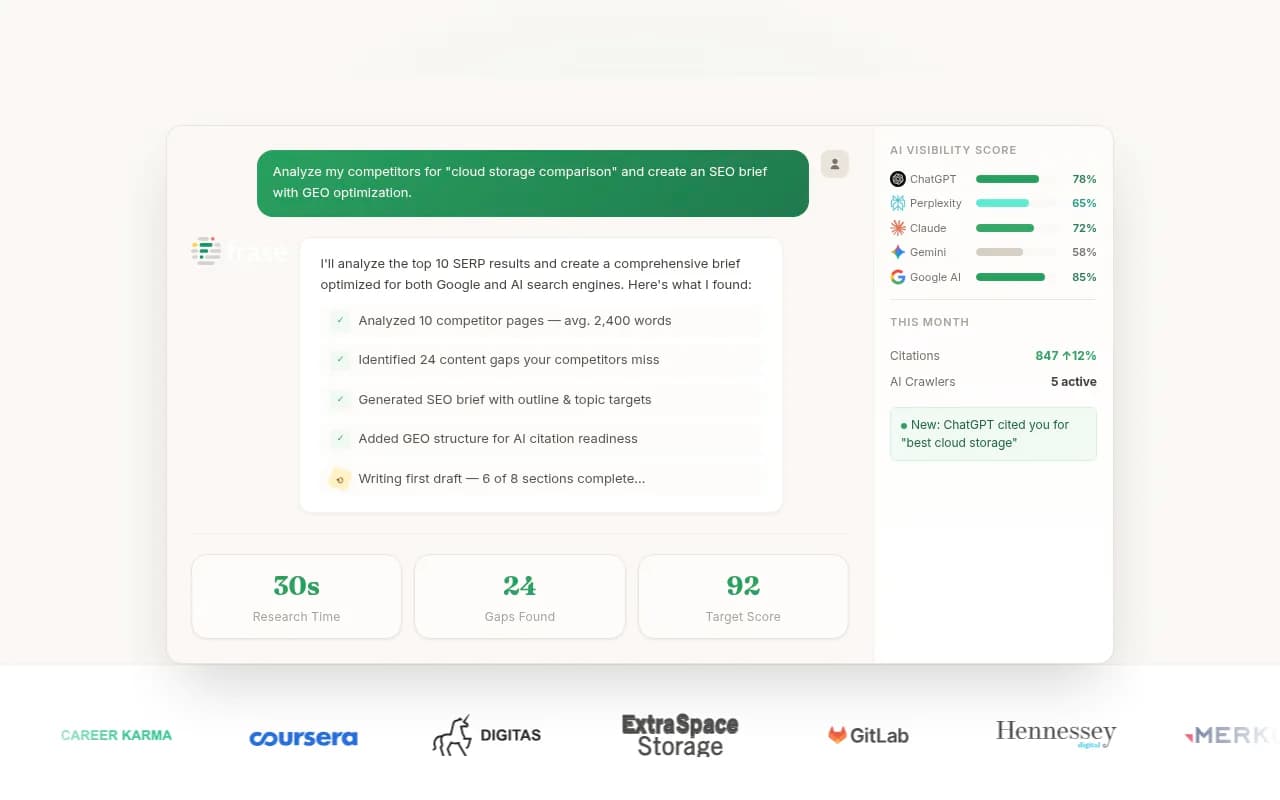
If you're actively trying to improve your content for AI citations, a few tools are worth having in your workflow:
For content optimization and structure:
For AI search visibility tracking:
One thing most people miss
The biggest mistake I see in AI content optimization is treating it as a separate strategy from regular content quality. It's not. The things that make AI engines cite your content -- directness, clarity, specificity, credibility -- are the same things that make human readers trust and share your content.
The tactics above aren't tricks. They're just good writing applied to a new distribution channel. If your content genuinely answers questions better than anyone else's, AI engines will eventually figure that out. The structural and technical work just makes it easier for them to do so faster.
Start with one section of your existing content. Find the clearest question it answers. Make sure that answer appears in the first two sentences of the section. See if your citation rates change. Then do it again.