Key takeaways
- Profound is a full enterprise AI visibility suite with deep analytics, agent-level tracking, and shopping monitoring -- but it starts at $499/month and takes real investment to use well
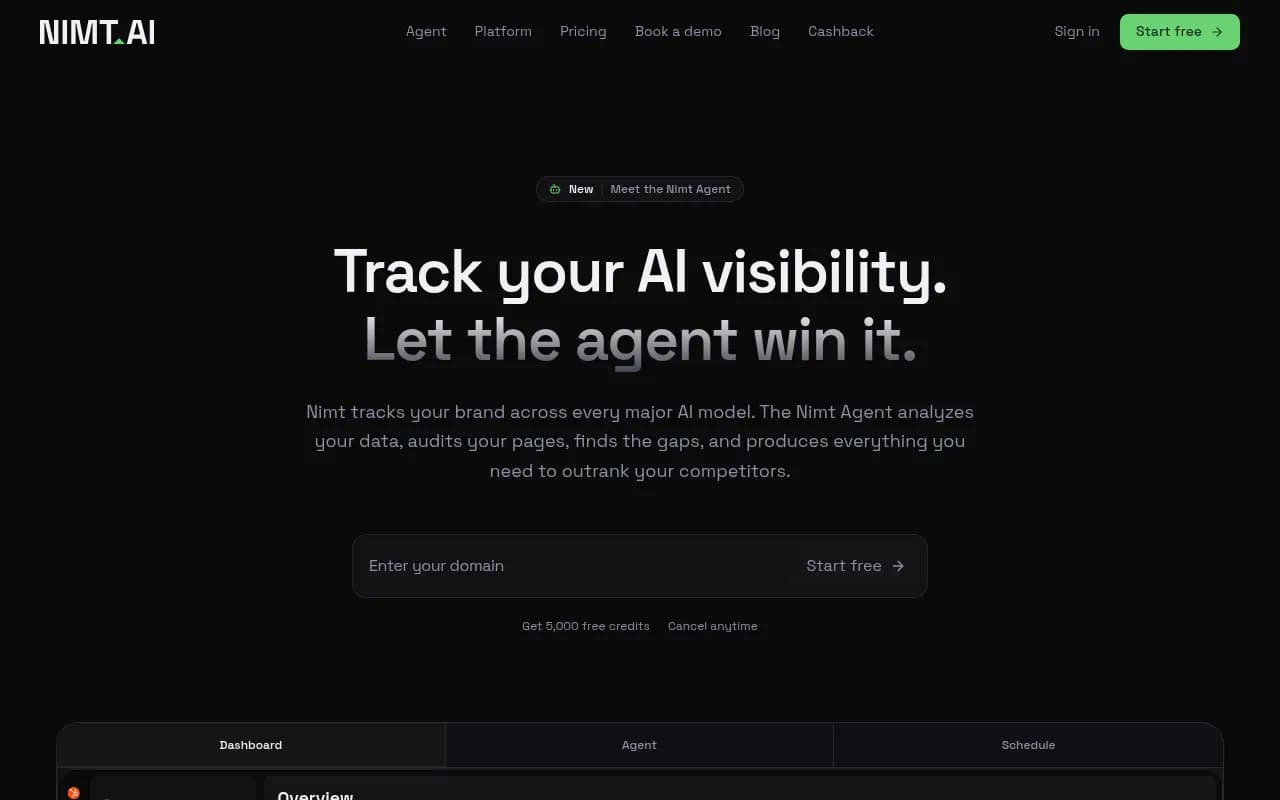
- Nimt.ai is a lighter, more accessible tool aimed at teams that want to get started with AI search monitoring without the complexity or cost
- Neither platform is built around content creation or optimization -- they're primarily monitoring dashboards
- If you need to act on what you find (not just track it), you'll want a platform that closes the loop between insight and content
- The "overkill" question is real: Profound's depth is genuinely impressive, but most teams won't use 60% of it
What we're actually comparing here
The AI visibility space has exploded. Two years ago, barely anyone was asking "how does my brand appear in ChatGPT?" Now it's a line item in marketing budgets. With that growth comes a flood of tools, and two that come up together fairly often are Nimt.ai and Profound.
They're not direct competitors in the traditional sense. Profound is an enterprise-grade platform with a lot of surface area. Nimt.ai is a more focused tool, lighter on features, lighter on price. But both claim to help you understand where your brand shows up in AI-generated answers -- and that shared promise is worth examining closely.
This guide is for marketing and SEO teams trying to figure out which one actually fits their situation.
What Profound actually does
Profound bills itself as an enterprise AI search visibility platform. That's not marketing fluff -- it genuinely has more depth than most tools in this category.
The core product tracks how your brand appears across AI engines including ChatGPT, Perplexity, Google AI Overviews, and others. You can monitor specific prompts, see which sources AI models cite when answering questions in your category, and track how your visibility changes over time.
Where Profound separates itself from lighter tools is in its analytical depth:
- Prompt volume data, so you can see which questions are actually being asked at scale
- Agent analytics that show how AI crawlers interact with your site
- Shopping tracking for brands that appear in ChatGPT's product recommendations
- Competitor heatmaps comparing your visibility against specific rivals
The platform is clearly designed for teams that have dedicated bandwidth to work with the data. There's a learning curve, and the pricing reflects that. Based on publicly available information, Profound starts around $499/month for meaningful multi-engine coverage, with enterprise tiers going higher.

The honest assessment: Profound is one of the more capable platforms in this space. If you're a mid-to-large marketing team with a real GEO strategy and someone whose job it is to act on visibility data, it's worth serious consideration. If you're a team of three trying to figure out whether AI search is even relevant to your business yet, it's probably too much.
What Nimt.ai actually does
Nimt.ai takes a different approach. It's positioned as a more accessible AI search visibility and brand monitoring tool -- lighter interface, lower barrier to entry, and aimed at teams that want signal without the complexity.
The core functionality overlaps with Profound: you can track brand mentions across AI models, monitor how competitors appear in AI-generated answers, and get alerts when your visibility changes. The interface is generally described as cleaner and faster to get started with.
What Nimt.ai doesn't have (at least at the same depth as Profound) is the enterprise-grade analytics layer -- things like detailed agent analytics, prompt volume scoring, or shopping tracking. For teams that don't need those features, that's not a problem. For teams that do, it's a real gap.
Pricing for Nimt.ai is more accessible than Profound, which makes it a reasonable starting point for smaller teams or companies just beginning to take AI search seriously.
Head-to-head comparison
Here's how the two platforms stack up across the dimensions that actually matter for most teams:
| Feature | Nimt.ai | Profound |
|---|---|---|
| AI engines monitored | Core LLMs (ChatGPT, Perplexity, etc.) | ChatGPT, Perplexity, Google AI Overviews, and more |
| Prompt volume data | Limited | Yes |
| Agent/crawler analytics | No | Yes |
| Shopping tracking | No | Yes |
| Competitor visibility comparison | Basic | Detailed heatmaps |
| Content creation tools | No | Limited (agents feature) |
| Ease of setup | High | Medium |
| Pricing | More accessible | From ~$499/month |
| Best for | SMBs, early-stage GEO teams | Enterprise, dedicated AEO teams |
The table tells most of the story. These tools are genuinely different in scope. Choosing between them isn't really about which is "better" -- it's about which matches your current situation.
The overkill question
Let's be direct about this. Profound is a powerful platform, but power isn't always what you need.
A few scenarios where Profound is probably overkill:
- You're a solo marketer or small team without someone dedicated to GEO/AEO
- You're still in the "should we care about AI search?" phase rather than the "we're actively optimizing for it" phase
- Your budget is tight and you need to prove ROI before investing in enterprise tooling
- You don't have the internal capacity to act on detailed analytics
In those cases, Nimt.ai (or a similar lighter tool) makes more sense. You get the basic signal -- are we showing up? are competitors outranking us? -- without paying for depth you won't use.
On the other hand, Profound earns its price tag if:
- You're managing AI visibility for multiple brands or a large enterprise
- You need to report on AI search performance to stakeholders with real data
- You have someone (or a team) whose job involves acting on visibility insights
- You're in a competitive category where AI search is already driving meaningful traffic or leads
The third-party comparison site Discovered Labs put it well in their analysis: Profound delivers enterprise-grade depth, but all three platforms they reviewed (Profound, Peec, Otterly) "diagnose the problem but don't fix it." They track citations but leave content creation and authority-building to your internal team.

That's a fair point -- and it applies to Nimt.ai too. Both tools are monitoring dashboards. Neither closes the loop between "here's where you're invisible" and "here's the content that fixes it."
The gap both tools share
This is worth spending a moment on, because it affects how you should think about either purchase.
Monitoring your AI visibility is step one. Knowing that a competitor appears in ChatGPT's answer to "best project management software for remote teams" and you don't -- that's useful information. But what do you do with it?
Most teams using monitoring-only tools end up with a dashboard full of data and no clear path to improving their numbers. You know you're invisible. You don't know what content to create, which prompts to target, or whether the content you publish actually gets picked up by AI models.
That gap -- between insight and action -- is where a lot of AI visibility budgets quietly disappear.
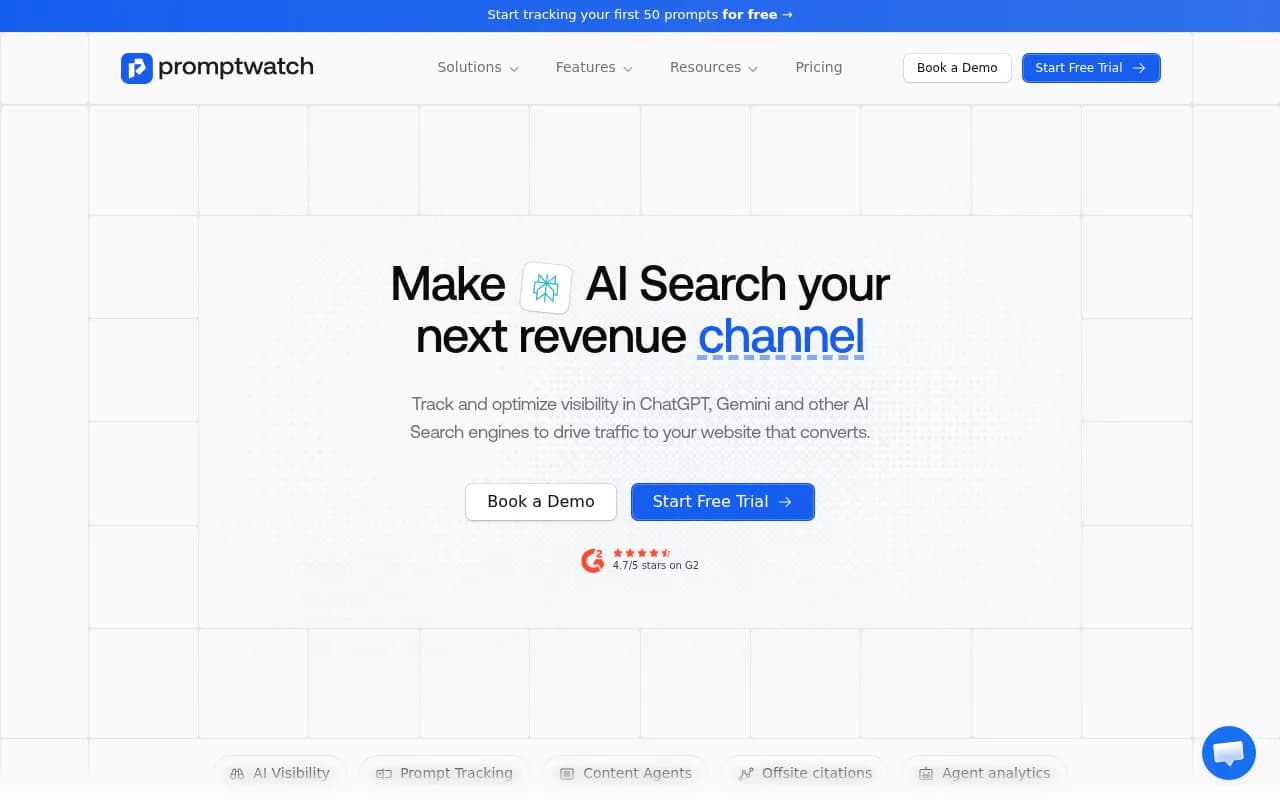
If you're evaluating Nimt.ai or Profound and this concern resonates, it's worth looking at platforms that go further. Promptwatch is one that's built specifically around closing that loop: it identifies which prompts competitors rank for that you don't, generates content designed to fill those gaps, and then tracks whether AI models start citing your new pages.
That's a different product philosophy than either Nimt.ai or Profound. Whether you need it depends on how seriously you're investing in GEO -- but it's worth knowing the option exists before you commit to a monitoring-only tool.
Alternatives worth considering
If you're not sold on either Nimt.ai or Profound, here are a few other tools in the space worth a look:
For budget-conscious teams:
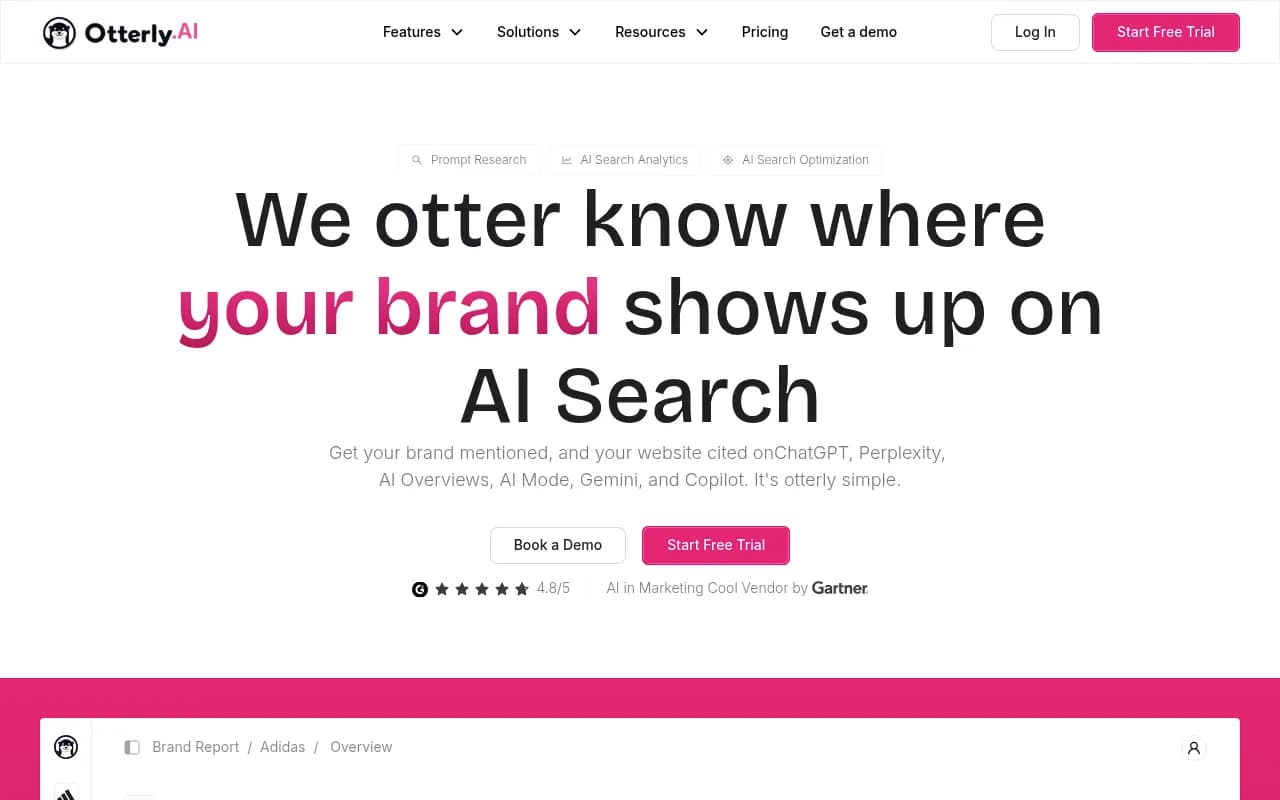
Otterly.AI is one of the most affordable options in the market, starting around $29/month. It covers the basics of brand monitoring across AI engines without a lot of complexity.
For mid-market teams:
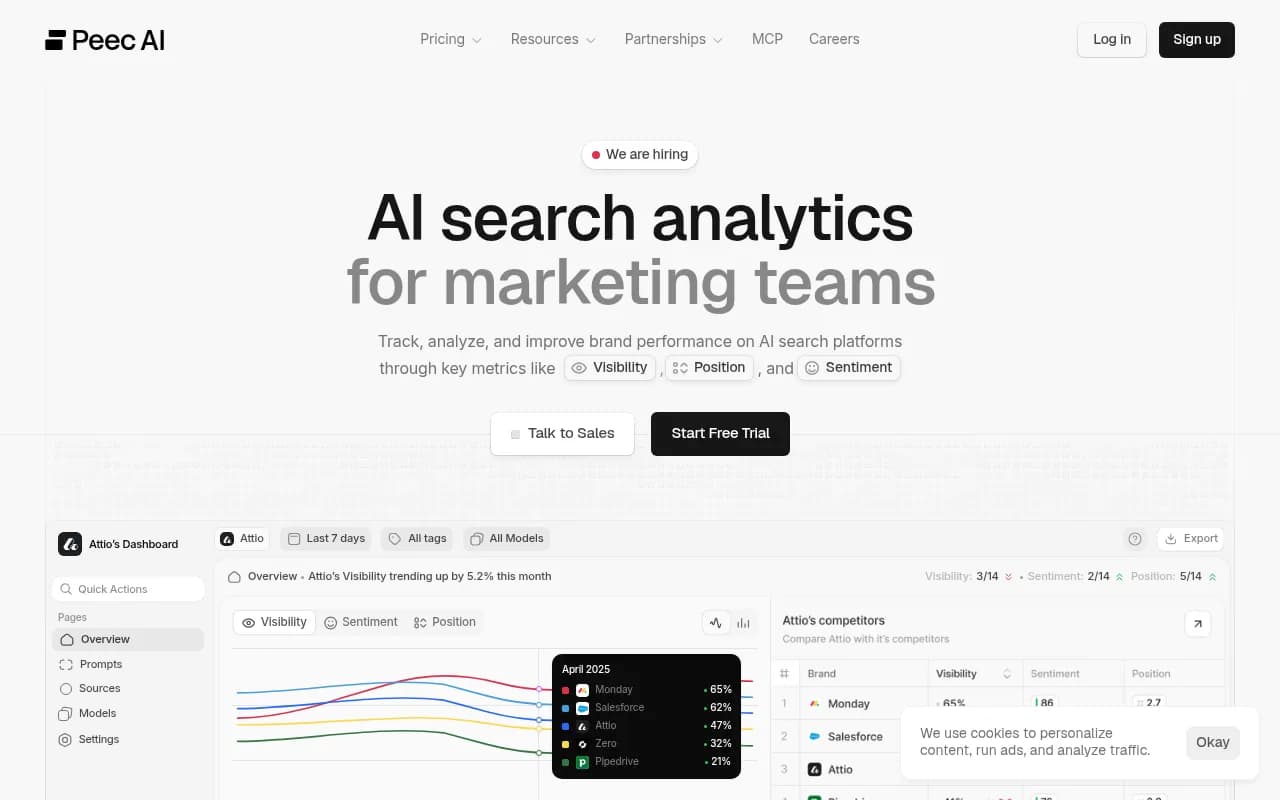
Peec AI sits between Otterly and Profound in terms of depth and price. It starts around €89/month and covers ChatGPT, Perplexity, and other engines with decent analytical features.
For teams that want traditional SEO plus AI visibility:
Semrush has added AI visibility features to its existing suite. If you're already paying for Semrush, it's worth exploring what's there before adding another tool.
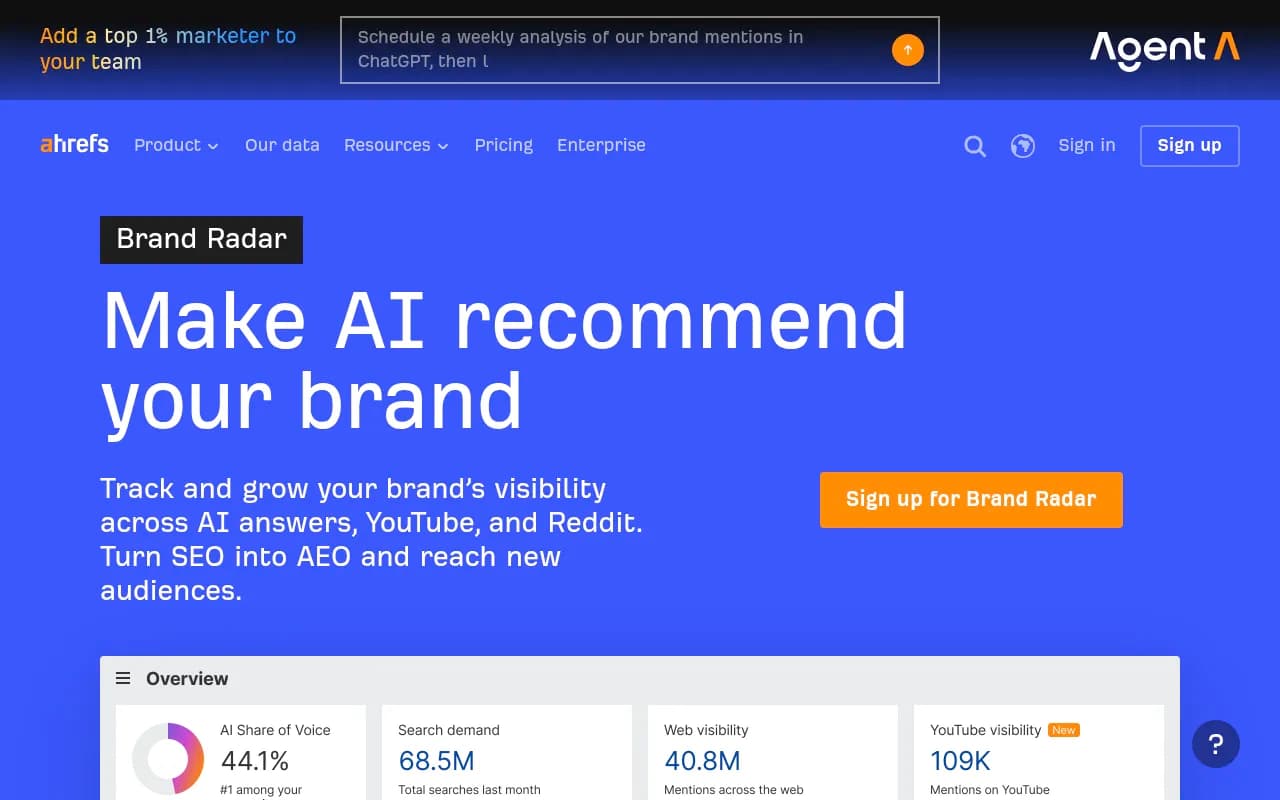
Ahrefs Brand Radar is another option for teams already in the Ahrefs ecosystem.
For agencies:
Search Party is built with agency workflows in mind, though it's lighter on prompt metrics and content gap analysis than some alternatives.
For enterprise teams that want depth plus action:
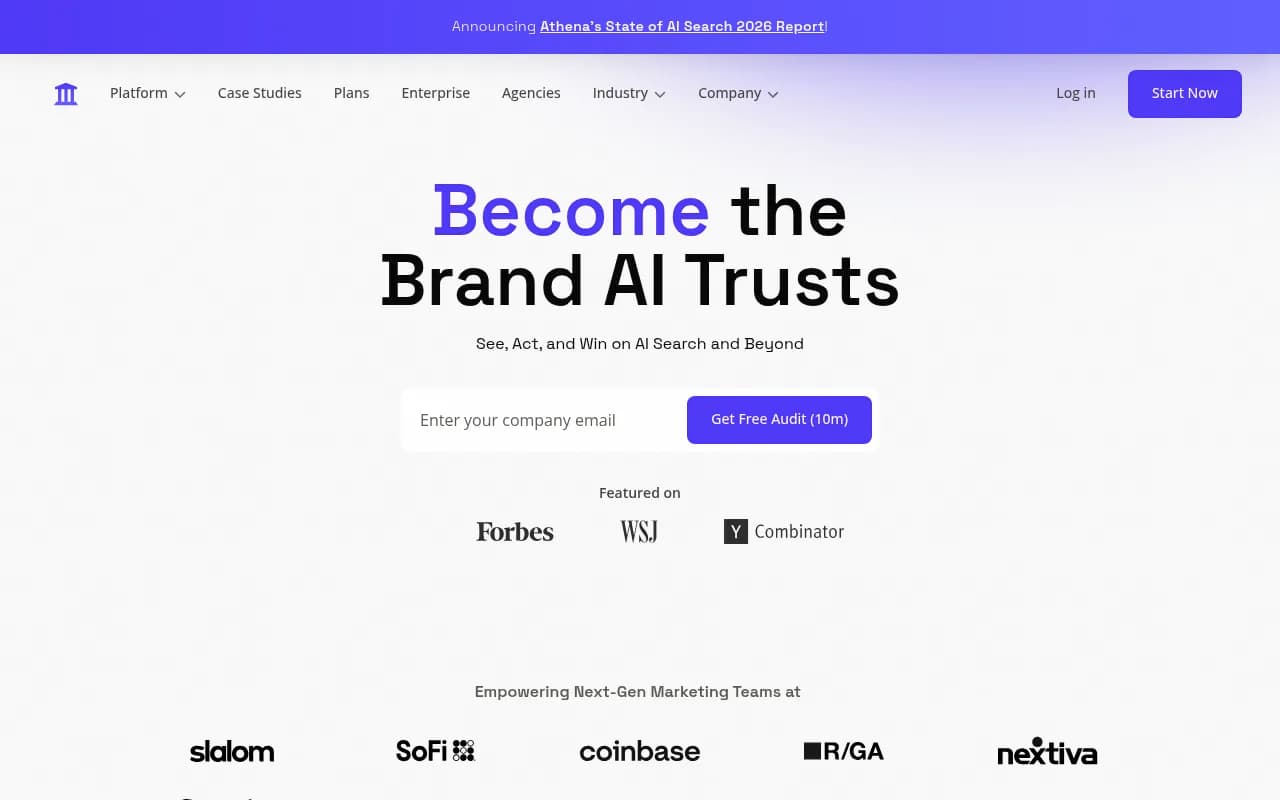
AthenaHQ covers monitoring well, though like Profound it's primarily focused on tracking rather than optimization.
How to actually decide
Here's a simple framework for making this call:
Start with budget. If $499/month is a stretch, Profound isn't the right choice right now regardless of its features. Start with Nimt.ai, Otterly, or Peec, prove the value of AI visibility tracking internally, then upgrade.
Think about who's going to use it. Profound's depth only pays off if someone has time to work with the data. If AI visibility is a side project for someone who's already doing three other jobs, a simpler tool will get more actual use.
Ask what you'll do with the data. If your plan is "monitor and report," either tool can work. If your plan is "monitor, identify gaps, create content, track improvement," you need to think harder about whether either tool supports the full workflow -- or whether you need something that does.
Consider your competitive situation. If you're in a category where AI search is already a meaningful traffic driver and competitors are clearly investing in GEO, you probably want Profound's depth. If you're earlier in that journey, lighter tools are fine.
The bottom line
Nimt.ai and Profound are both legitimate tools. They're just built for different teams at different stages.
Profound is genuinely impressive -- the prompt volume data, agent analytics, and shopping tracking put it ahead of most monitoring tools in raw capability. But that capability comes with a price tag and a complexity level that not every team can absorb.
Nimt.ai is a reasonable starting point for teams that want to understand their AI search presence without a major commitment. It won't give you the depth Profound does, but it'll tell you whether you're showing up -- and sometimes that's all you need to know right now.
The bigger question for both tools is what happens after you have the data. Monitoring tells you where you stand. It doesn't move the needle on its own. Whatever tool you choose, make sure you have a plan for acting on what you find -- whether that's internal content production, a managed service, or a platform that handles both the tracking and the optimization side.