Key takeaways
- Peec AI offers unlimited seats on all plans, making it attractive for agencies with large teams, but it stays firmly in monitoring territory with limited content execution features.
- Search Party is built specifically for agency workflows, with client management and reporting baked in, but has weaker prompt metrics and no content gap analysis.
- Neither tool helps you act on what you find -- they show you where you're invisible but don't help you fix it.
- For agencies that need to go beyond monitoring and actually improve AI visibility for clients, platforms like Promptwatch fill the gap with content generation and optimization built into the workflow.
- The right choice depends on your agency's size, how many clients you manage, and whether monitoring alone is enough or you need a path to action.
Agency life in 2026 means every client is asking the same question: "Why isn't our brand showing up in ChatGPT?" And now you need tools to answer that -- and ideally, fix it. Peec AI and Search Party are two of the more agency-focused options in the GEO space, and they're worth comparing directly because they're aimed at similar buyers but built around different assumptions.
Let me walk through what each actually does, where each falls short, and which one makes more sense depending on your situation.
What Peec AI is
Peec AI is an AI visibility monitoring platform. It tracks how often a brand appears when AI systems answer buyer questions -- across models like ChatGPT, Perplexity, Gemini, and others. The core features are prompt tracking, competitor benchmarking, citation source analysis, and model-specific reporting.
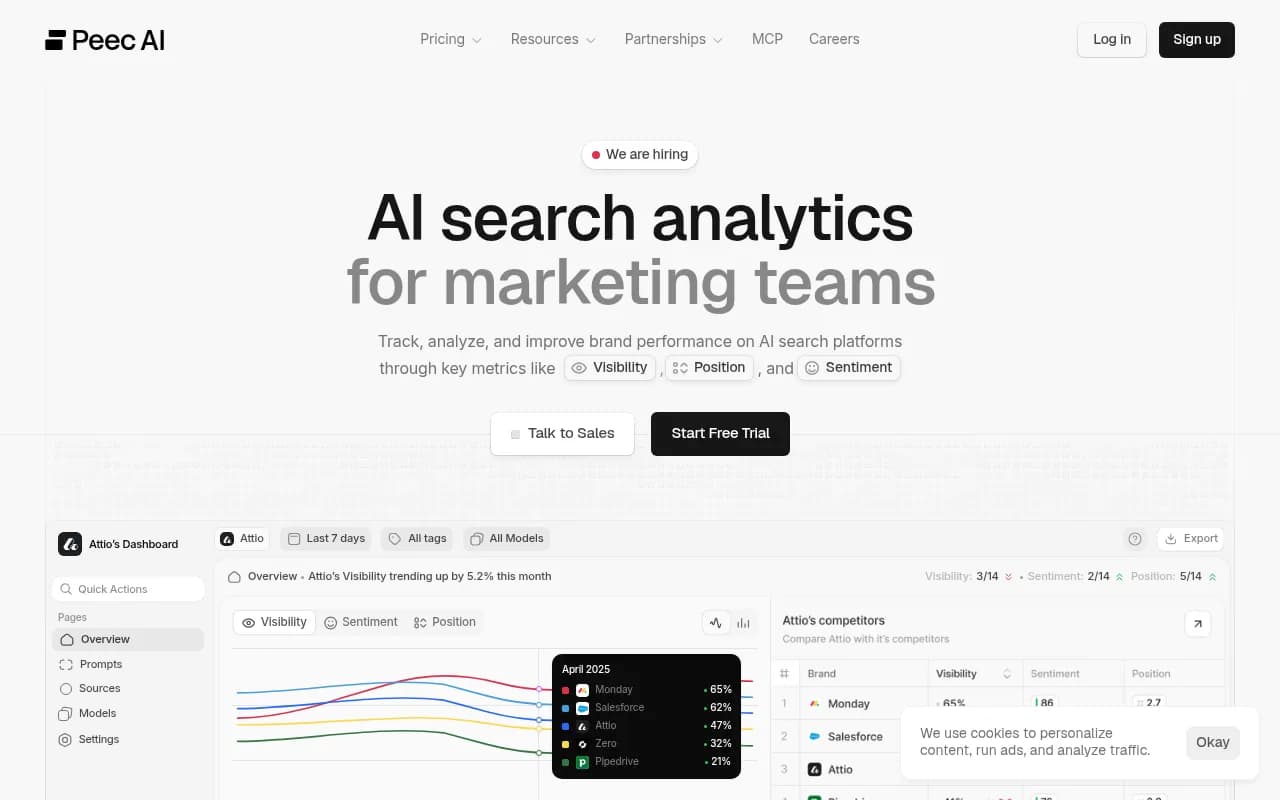
A few things stand out about Peec AI for agencies specifically. First, it offers unlimited seats on all paid plans. That's genuinely useful if you have a team of five analysts all needing access to client dashboards. Second, the UX is clean. A Reddit thread from April 2026 in r/GenerativeSEOstrategy described it as "really intuitive and easy to use -- probably one of the easiest to get into." That matters when you're onboarding junior team members or spinning up a new client quickly.

Peec AI also includes free pitch workspaces, which is a thoughtful touch for agencies that need to demo the tool to prospects before converting them to paying clients.
On pricing, it starts at $95/month for brands and $245/month for agencies. The agency tier unlocks multi-client management, which is the obvious requirement for any shop running more than one account.
Where Peec AI gets limited: it's a monitoring tool. It tells you where you're not appearing. It doesn't help you figure out what content to create, generate that content, or track whether new pages you publish start getting cited. The research from WorkDuo's review puts it plainly -- Peec AI "works well for teams that want clean AI visibility monitoring, but it is less suited to content execution, deeper ROI attribution, or workflows that need broader integrations."

What Search Party is
Search Party takes a more agency-native approach. It's designed around client management from the ground up, with white-labeling, client reporting, and multi-account structures that feel less like an afterthought and more like the core product.
Where Search Party differentiates is in the reporting layer. Agencies that need to produce regular client-facing reports on AI visibility will find the workflow more natural here than in Peec AI. The platform is built for account managers, not just analysts.
The weaknesses are real, though. Search Party has limited prompt metrics -- you don't get volume estimates or difficulty scores for individual prompts, which makes it harder to prioritize which gaps to close first. There's also no content gap analysis, so you're left knowing you're invisible for certain queries but without a clear path to fixing it. For agencies that want to show clients a roadmap, not just a report card, that's a meaningful gap.
Head-to-head comparison
Here's how the two tools stack up across the dimensions that matter most for agency work:
| Feature | Peec AI | Search Party |
|---|---|---|
| Unlimited seats | Yes, all plans | No |
| Agency pricing | From $245/mo | Custom/agency-focused |
| White-label reporting | Limited | Yes |
| Client management | Basic | Strong |
| Prompt volume/difficulty scores | No | No |
| Competitor benchmarking | Yes | Limited |
| Citation source analysis | Yes | Basic |
| Content gap analysis | No | No |
| Content generation | No | No |
| AI crawler logs | No | No |
| Multi-language monitoring | Yes (EU-focused) | Limited |
| Looker Studio / API export | Yes | Limited |
| Free pitch workspaces | Yes | No |
The pattern is clear: Peec AI wins on data depth and team access, Search Party wins on agency workflow structure. Neither wins on helping you actually improve visibility.
Where agencies get stuck with both tools
This is the honest part. Both tools are monitoring dashboards. They show you a score. They show you where competitors are appearing and you're not. They generate reports.
But when a client asks "okay, so what do we do about it?" -- neither tool has a great answer. You're left exporting data, briefing a content team, guessing at what to write, publishing something, and then waiting weeks to see if the needle moves.
That gap between "here's your visibility score" and "here's how to improve it" is where most GEO tools fall short in 2026. It's also why some agencies are looking at platforms that close the loop rather than just open it.
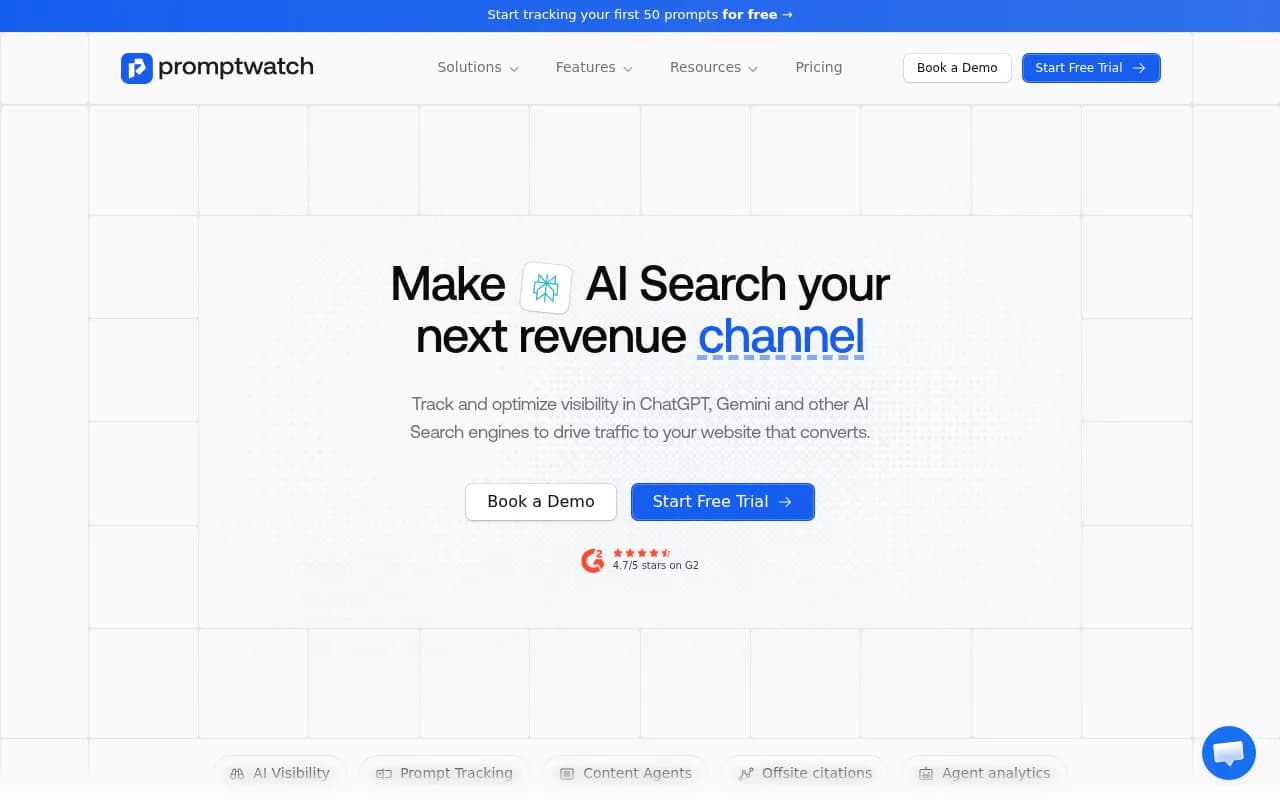
Promptwatch is one of the few platforms that actually addresses this. It combines monitoring with Answer Gap Analysis (which shows you the specific prompts competitors rank for but you don't), Content Agents that generate articles and briefs grounded in real prompt data, and page-level tracking that shows when new content starts getting cited. For agencies that need to demonstrate ROI to clients -- not just report on visibility scores -- that full loop matters.
Which tool is right for your agency?
The answer depends on what you're actually trying to do.
Choose Peec AI if:
- You have a large team and need unlimited seat access without per-user pricing
- Your clients are primarily European brands and you need strong multi-language, EU-compliant monitoring
- You want clean, easy-to-use dashboards that junior team members can navigate quickly
- You're pitching new clients and want free pitch workspaces to demo without committing
- Monitoring and reporting is your primary deliverable -- you're not expected to execute content
Choose Search Party if:
- Your agency runs many client accounts and needs structured client management built into the platform
- White-label reporting is a hard requirement for your client relationships
- Your team is account-management-heavy rather than analyst-heavy
- You want a tool that feels purpose-built for agency operations rather than adapted from a brand tool
Consider looking beyond both if:
- Clients are asking you to improve their AI visibility, not just measure it
- You need to show a clear connection between content you publish and citation growth
- You want prompt volume and difficulty data to prioritize which gaps to close first
- You're managing clients who need to see a roadmap, not just a report
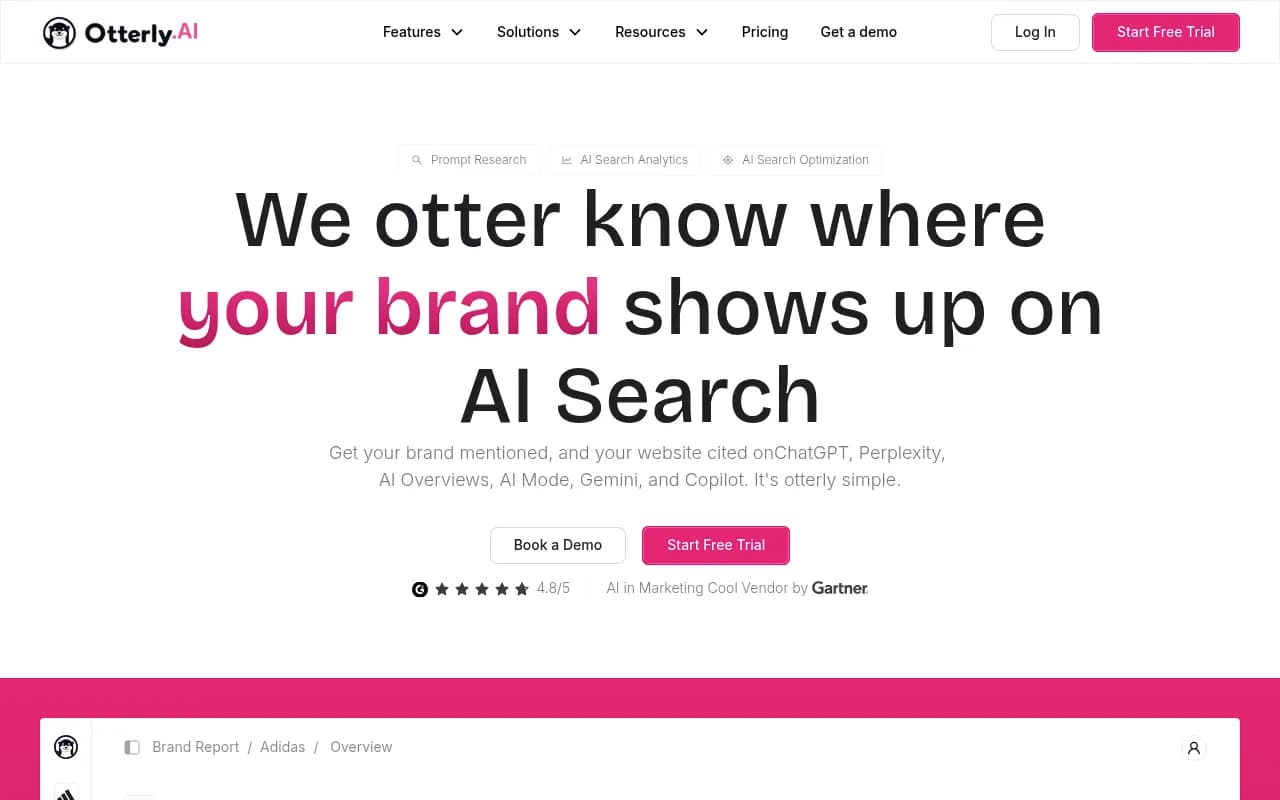
In that case, it's worth exploring platforms that go further. Promptwatch's action loop -- find gaps, generate content, track results -- is built for exactly this scenario. Otterly.AI is another option if budget is tight and monitoring-only is genuinely sufficient.
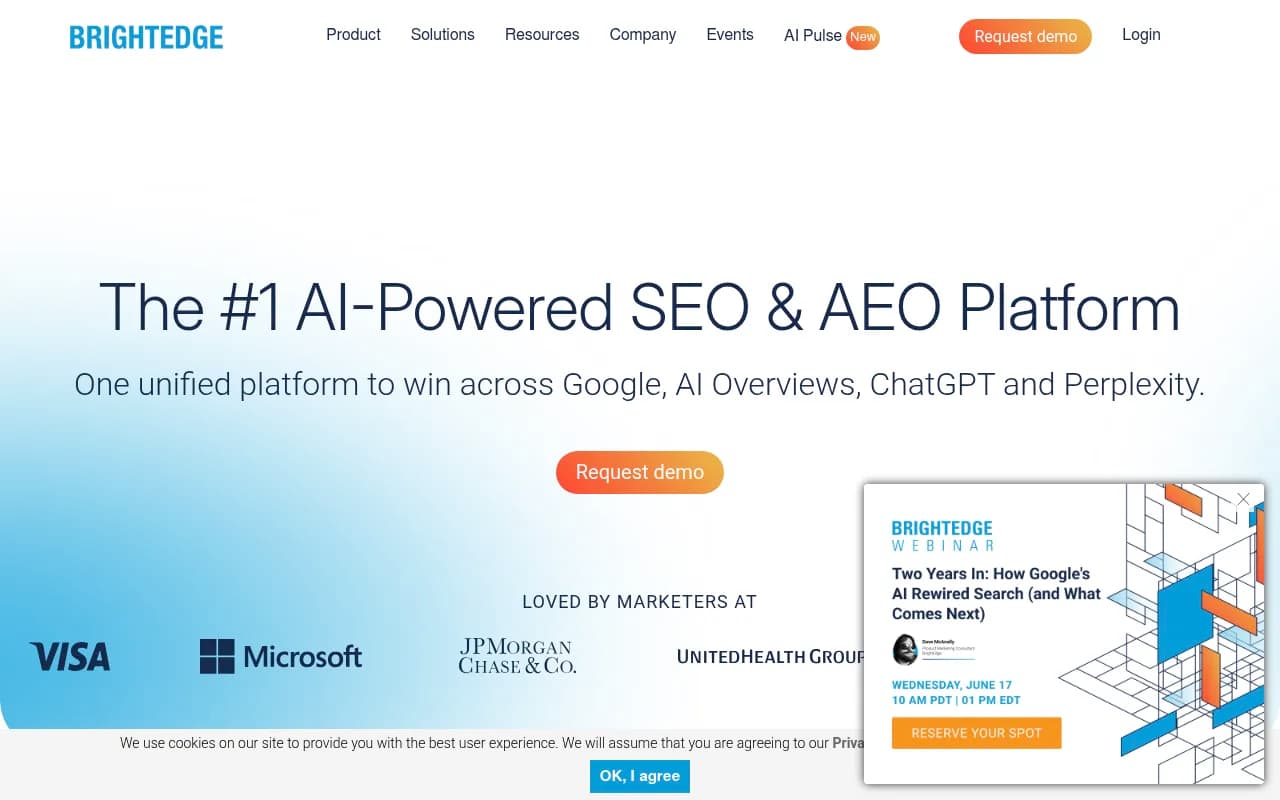
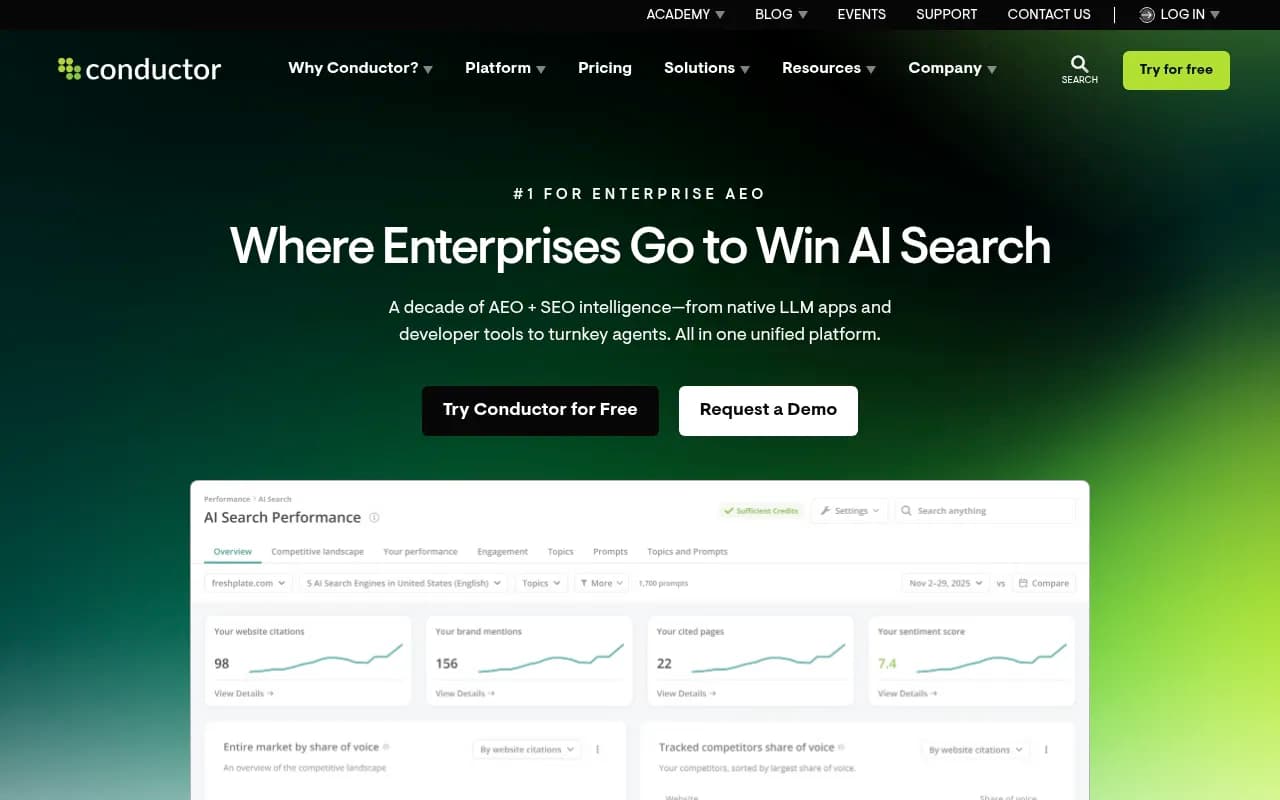
For agencies that want enterprise-grade reporting alongside AI visibility, BrightEdge and Conductor cover both traditional SEO and AI search, though at significantly higher price points.
A note on the broader market
The GEO tool space has gotten crowded fast. There are now well over 40 platforms claiming to track AI visibility, and most of them are doing roughly the same thing: querying AI models, logging whether your brand appears, and presenting that in a dashboard.
The differentiation that actually matters for agencies in 2026 isn't which tool has the prettiest dashboard. It's which tool helps you move from "here's the problem" to "here's the fix" without requiring a separate content team, a separate SEO tool, and a separate analytics setup to connect the dots.
Peec AI and Search Party are both solid at what they do. Peec AI is probably the stronger pure monitoring tool, especially for teams that care about seat access and clean UX. Search Party is the better fit if your agency's primary need is structured client management and white-label reporting.
But if you're an agency that needs to show clients actual improvement -- not just visibility scores -- you'll likely outgrow both tools faster than you expect.
Bottom line
For most agencies evaluating these two tools in 2026, Peec AI is the stronger technical choice: better data, unlimited seats, cleaner interface, and more export options. Search Party makes sense if your workflow is built around client management and white-label reporting rather than data depth.
The bigger question worth asking is whether monitoring alone is enough for your clients. If the answer is no, build your stack accordingly -- either by pairing one of these tools with a content execution platform, or by choosing a platform that handles both sides from the start.