Key takeaways
- Most Searchable users appreciate its clean interface but consistently report hitting a ceiling: the platform shows you data but doesn't help you act on it.
- The most common complaints center on limited prompt coverage, no content generation tools, and gaps in crawler/citation tracking.
- Users who switched typically moved to platforms that close the loop between monitoring and optimization -- finding gaps, creating content, and tracking results.
- In 2026, AI search visibility has become a real business priority, and monitoring-only tools are struggling to justify their price tags.
- If you're evaluating alternatives, the key question is: does the tool just show you where you're invisible, or does it help you fix it?
Searchable has been around long enough to build a real user base, and that means there's real feedback out there -- not just marketing copy. In 2026, with AI search engines like ChatGPT, Perplexity, and Google AI Overviews now driving meaningful traffic for many brands, the stakes around AI visibility tools have gone up considerably. Users are more demanding, and the gap between "nice to have" and "actually useful" has gotten harder to ignore.
This guide pulls together what Searchable users actually report -- the things they like, the things that frustrate them, and where they tend to land when they decide to move on.
What users generally like about Searchable
It's worth being fair here. Searchable does some things well, and the users who stick with it tend to cite a few consistent positives.
The interface is clean. For teams that are new to AI visibility monitoring, that matters. There's no steep learning curve, and you can get a basic read on how your brand appears across AI models without a lot of setup friction.
For smaller brands or solo marketers who just want a pulse check -- "are we showing up in ChatGPT answers or not?" -- Searchable delivers a usable answer. It's not overwhelming.
Some users also mention the pricing as a reason they started there. It's positioned as an accessible entry point into a category that can get expensive fast.
The complaints that come up repeatedly
This is where the picture gets more complicated. Across forums, community discussions, and review threads, a few themes show up consistently enough to be worth taking seriously.
"It shows me the problem but not how to fix it"
This is the most common frustration, and it's not unique to Searchable -- it's a category-wide issue with monitoring-only platforms. Users can see that a competitor is getting cited for a particular prompt and they're not. They can see their visibility score is low. But the platform stops there.
One user put it plainly: "I know I'm invisible. I've known that for three months. What I need is help becoming visible."
That gap -- between diagnosis and treatment -- is where a lot of users eventually decide to look elsewhere.
Limited prompt coverage
Several users report that Searchable's prompt library feels thin, especially for niche industries. If you're in B2B SaaS, financial services, or any vertical with specific terminology, you often find yourself manually adding prompts that should already be there.
Prompt coverage matters a lot in 2026 because AI search behavior is fragmented. A user asking ChatGPT about "best project management tools for remote teams" gets a different answer than one asking "top project management software" -- and both matter. Platforms that track a narrow slice of prompts give you an incomplete picture.
No content generation or optimization tools
Searchable doesn't help you create content. For teams that have identified gaps -- prompts where competitors are visible and they're not -- the next step is writing content that addresses those gaps. With Searchable, you're on your own for that part.
In 2026, that's a meaningful limitation. The whole point of knowing your gaps is closing them.
Crawler and citation data is shallow
More sophisticated users -- typically SEO managers or agencies -- flag the lack of detailed crawler logs. Understanding which pages AI models are actually reading, how often they return, and whether they're encountering errors is important for diagnosing why content isn't getting cited. Searchable's visibility into that layer is limited.
Reporting that's hard to share with clients or leadership
For agencies especially, the reporting tools get mixed reviews. Exporting data, building custom views, or presenting results to a client in a way that tells a coherent story is reportedly more work than it should be.
What the broader review landscape tells us
It's worth zooming out for a second. The 2026 Local Consumer Review Survey from BrightLocal found that consumers now use an average of six review sites when researching businesses -- which tells you something about how fragmented trust signals have become. The same fragmentation is happening in AI search: no single model dominates, and visibility across ChatGPT, Perplexity, Gemini, and others requires tracking each one separately.
That context matters for evaluating any AI visibility tool. A platform that only monitors two or three models, or that doesn't distinguish between API outputs and actual user-facing responses, is going to give you an incomplete picture of where you actually stand.
What users switch to -- and why
When Searchable users move on, they tend to fall into a few camps depending on what they need next.
Users who want more prompt depth and competitor tracking
Some users just want a better version of what Searchable does -- more prompts, more models, cleaner competitor comparisons. For this group, tools like Peec AI or Otterly.AI often come up as next steps.
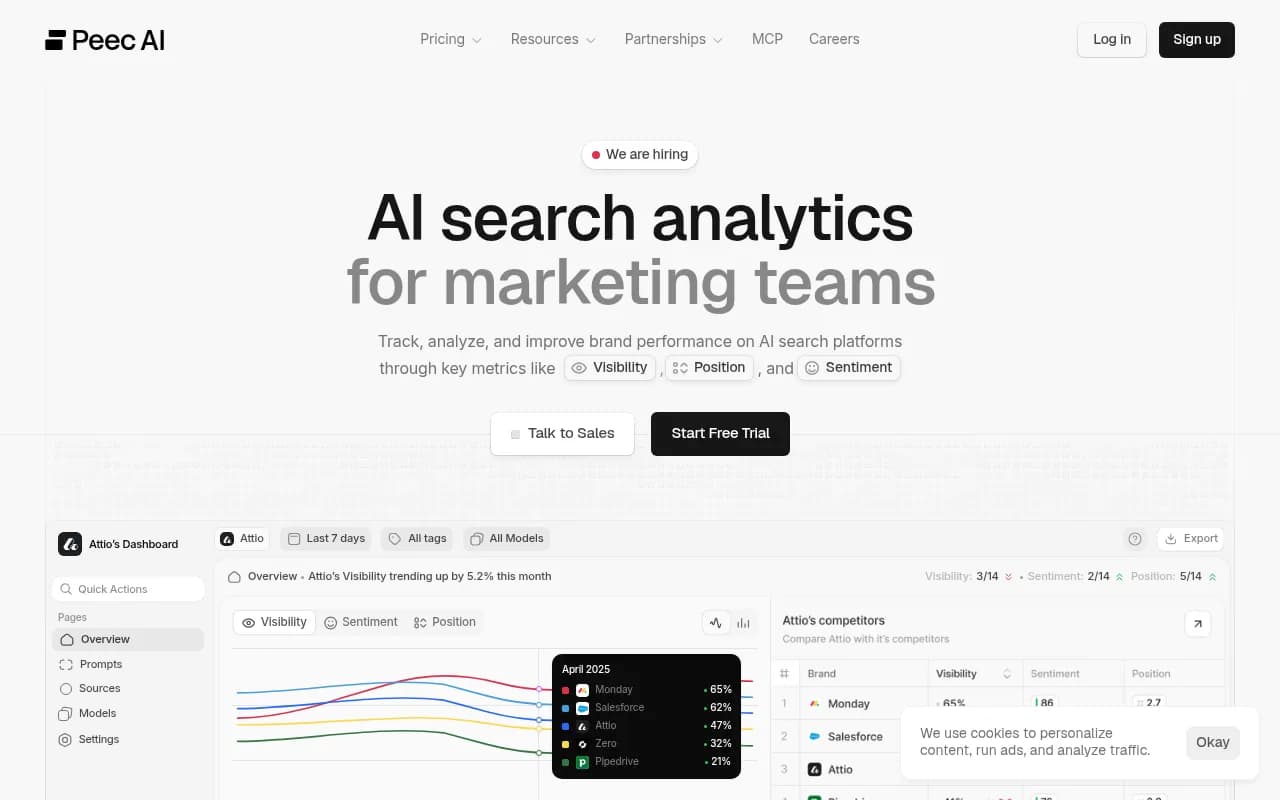
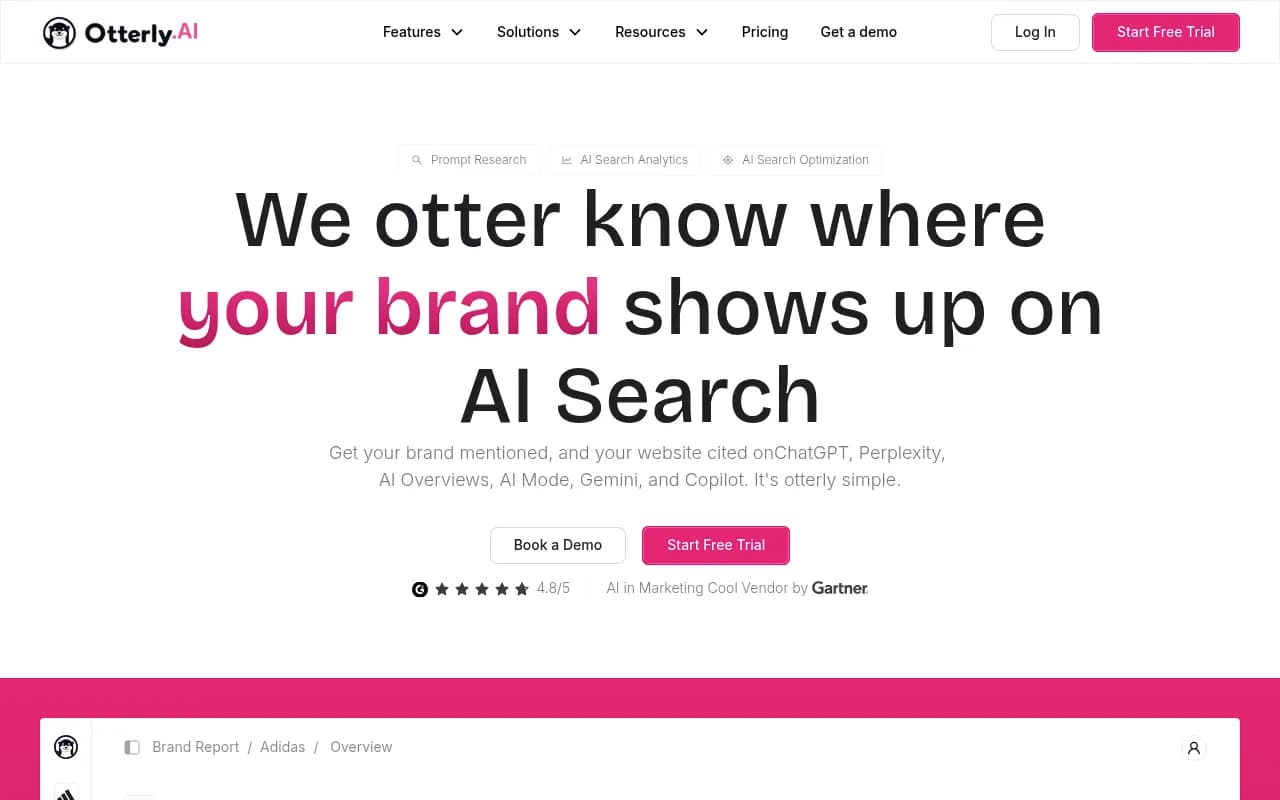
Both are still primarily monitoring tools, so they don't solve the "I know the problem but not the fix" complaint. But they do offer broader coverage and more granular competitor data.
Users who want to actually improve their visibility
This is the larger group, and they tend to end up at platforms that go beyond monitoring. The core need is: find the gaps, create content that fills them, track whether it works.
Promptwatch comes up frequently in this context. It's built around that full loop -- Answer Gap Analysis shows exactly which prompts competitors are winning that you're not, Content Agents generate articles and briefs grounded in real prompt and citation data, and page-level tracking shows whether new content is actually getting cited. For users who've been sitting on a monitoring dashboard for months without seeing improvement, that end-to-end workflow is a meaningful shift.
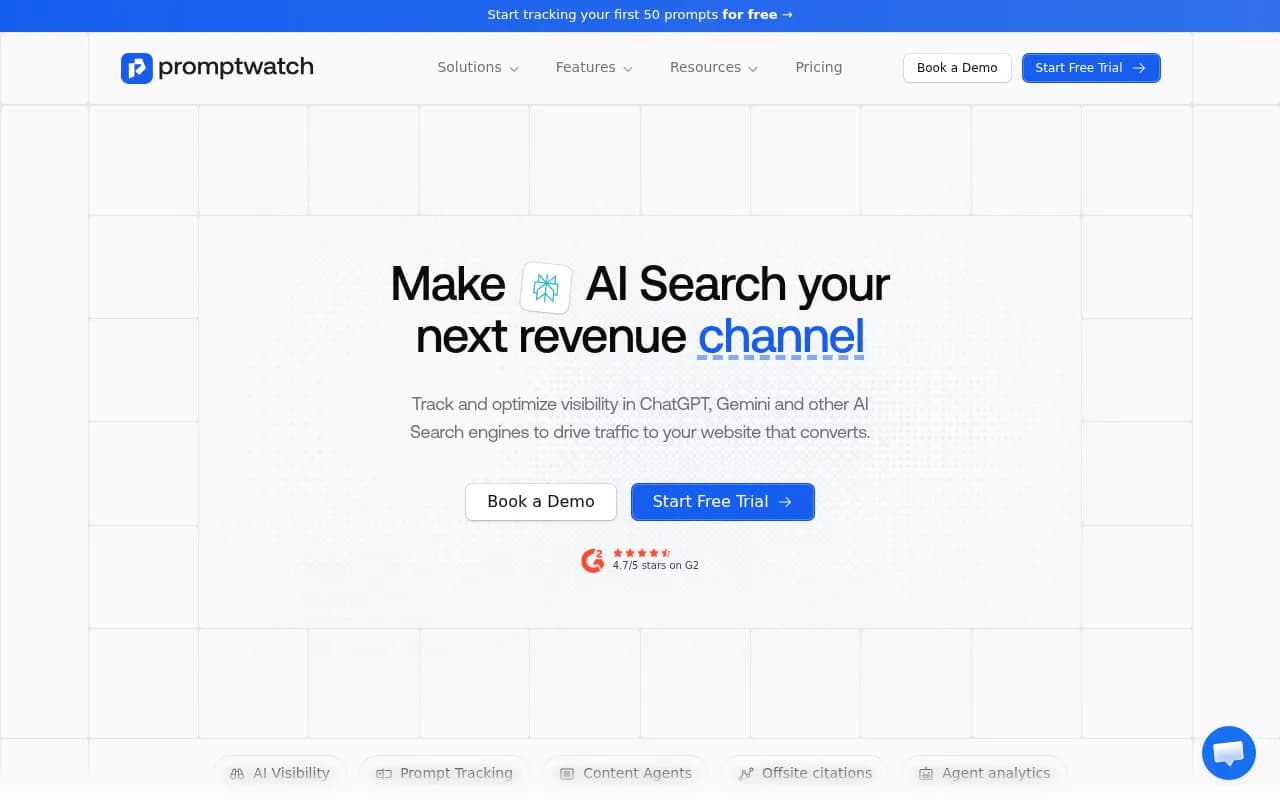
The difference isn't subtle. Most monitoring tools show you a score. Promptwatch shows you the score, tells you why it's low, and gives you tools to raise it.
Agency users who need client-ready reporting
Agencies tend to have different priorities than in-house teams. They need to show clients what's happening, explain what they're doing about it, and demonstrate results over time. Platforms with strong reporting, white-label options, and multi-client management tend to win here.
Search Party is one option that comes up in agency circles, though its prompt metrics are more limited than some alternatives.
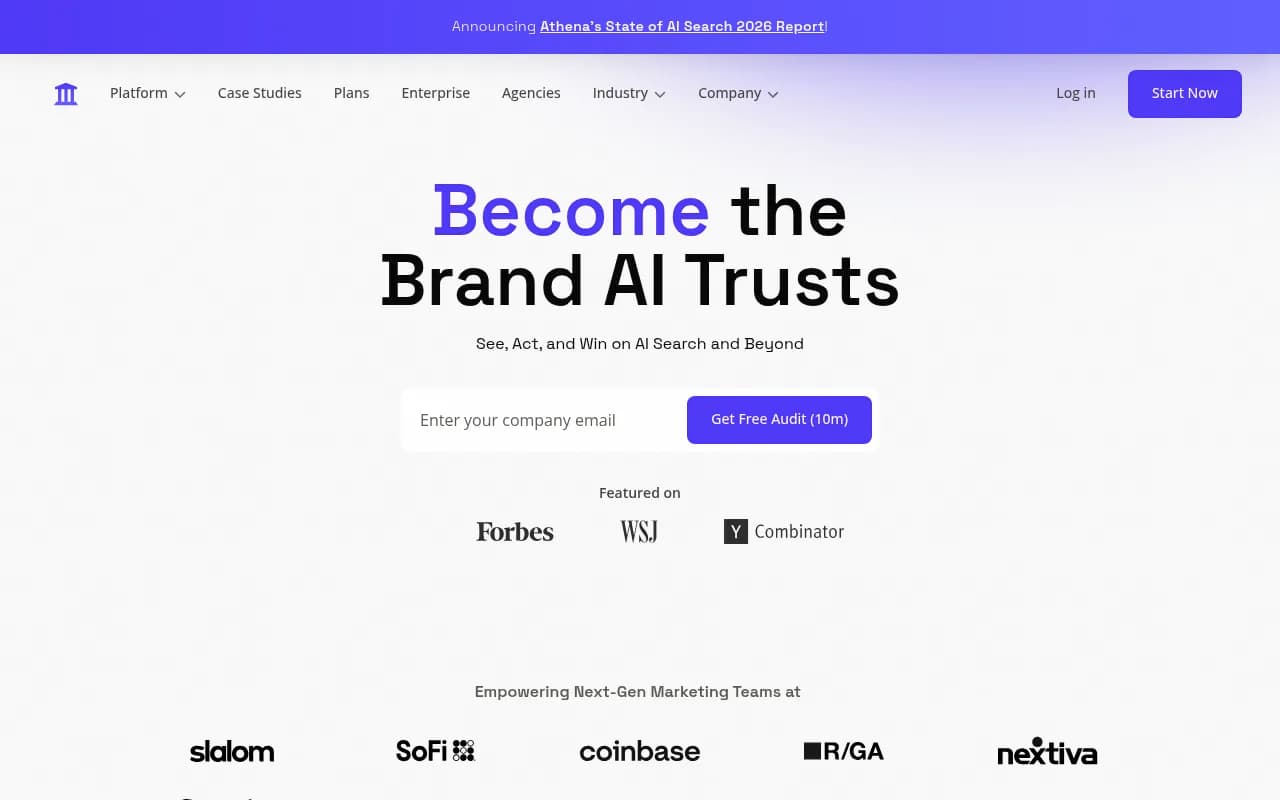
AthenaHQ is another platform agencies evaluate, though it's primarily monitoring-focused and lacks content generation.
Enterprise teams who need scale
Larger organizations with multiple brands, regions, or languages tend to outgrow Searchable quickly. The multi-site, multi-language, and multi-model tracking requirements push them toward enterprise-tier platforms.
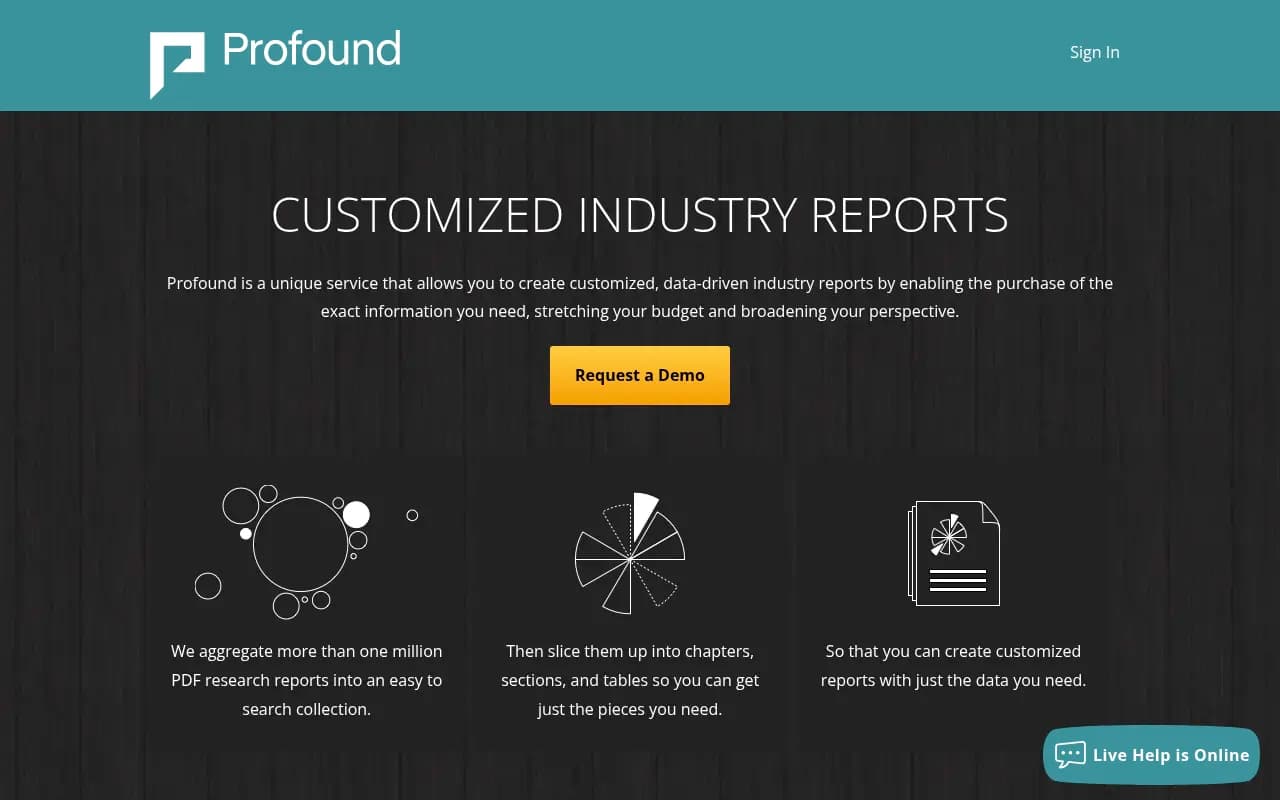
Profound is one option at that end of the market, though it comes with a higher price point.
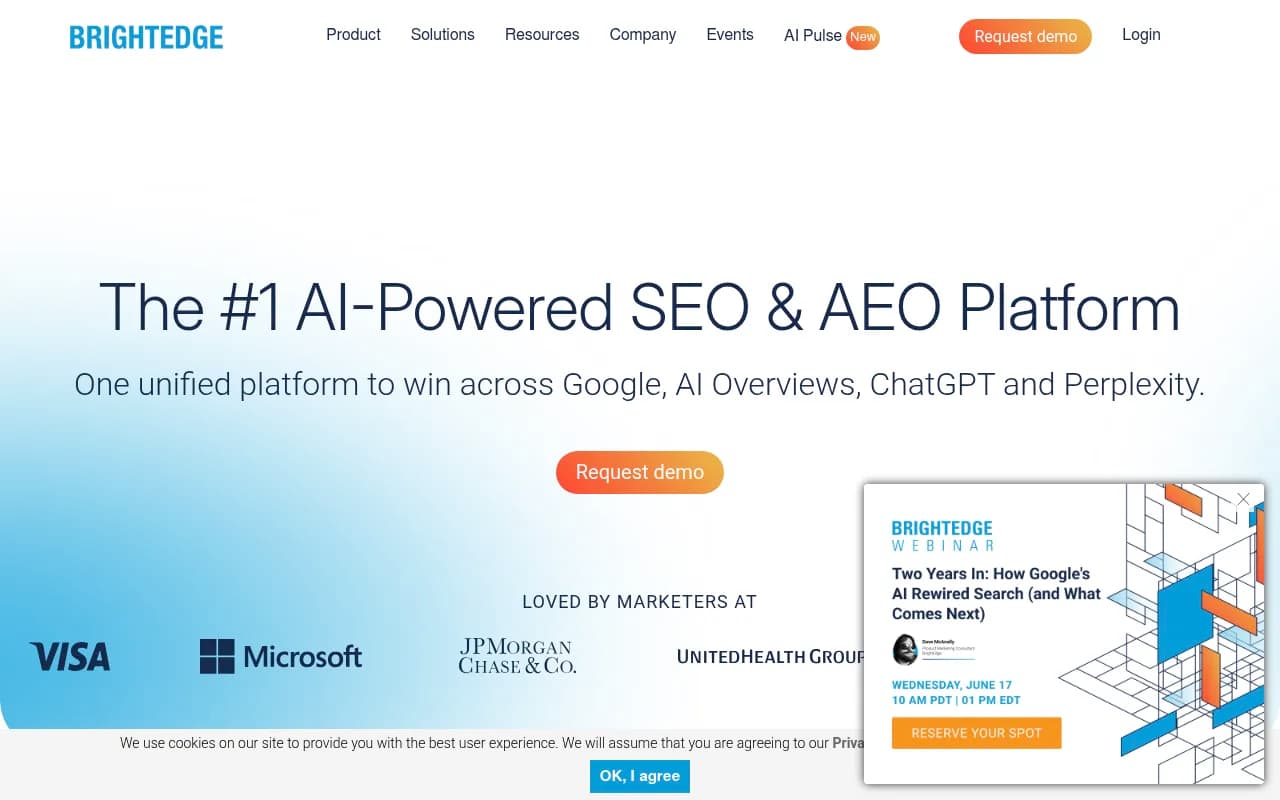
BrightEdge is another enterprise option that combines traditional SEO with AI search intelligence.
A direct comparison: Searchable vs. the alternatives users actually switch to
| Platform | Monitoring | Content generation | Crawler logs | Prompt volume data | Multi-model | Best for |
|---|---|---|---|---|---|---|
| Searchable | Yes | No | Limited | No | Partial | Entry-level monitoring |
| Promptwatch | Yes | Yes | Yes | Yes | Yes (10 models) | Full-cycle optimization |
| Peec AI | Yes | No | No | Limited | Yes | Broader monitoring |
| Otterly.AI | Yes | No | No | No | Yes | Affordable tracking |
| AthenaHQ | Yes | No | No | No | Yes | Monitoring-focused teams |
| Search Party | Yes | No | No | Limited | Yes | Agency reporting |
| Profound | Yes | No | No | Yes | Yes | Enterprise analytics |
The pattern is pretty clear. If you want to move from "tracking" to "improving," the options narrow quickly. Most platforms in this space are still monitoring dashboards. The ones that help you act on what you find are fewer.
The "switching cost" question
A fair concern when evaluating alternatives is switching cost. You've set up your prompts, your competitors, your baseline data. Starting over somewhere else feels like lost time.
A few things worth knowing:
Most platforms let you import or recreate your prompt lists quickly -- it's usually not as painful as it sounds. The real cost is the learning curve on a new interface, which for most tools is a few hours at most.
The more important question is: what's the cost of staying? If you've been on a monitoring platform for six months and your AI visibility hasn't improved, the cost of staying is real -- it's just less visible than a migration headache.
What to look for if you're evaluating alternatives in 2026
Based on what Searchable users consistently say they wish they had, here's a practical checklist:
- Prompt coverage that matches your actual industry and customer language, not just generic queries
- Competitor visibility comparison across multiple AI models, not just one or two
- Content gap analysis that shows you specifically what to write, not just that a gap exists
- Some form of content generation or brief creation grounded in real prompt data
- Crawler and citation logs so you can see how AI models are actually interacting with your site
- Traffic attribution that connects AI visibility to actual visits and conversions
- Reporting that you can share with a client or your leadership team without a lot of manual work
No platform checks every box perfectly. But the gap between "monitoring only" and "monitoring plus optimization" is the most important one to evaluate.
The bottom line
Searchable users in 2026 aren't unhappy with the tool because it's broken. They're frustrated because the category has moved on and the tool hasn't fully kept pace. Knowing you're invisible in AI search is table stakes now. The question everyone is asking is: what do I do about it?
The platforms that are winning user migrations are the ones that answer that question with something more than a dashboard. Find the gaps, create content that fills them, track whether it works. That loop -- not just the monitoring -- is what the market is actually asking for.
If you're at the point where you know your AI visibility is low but you're not sure what to do next, that's the right moment to evaluate whether your current tool is built to help you fix it or just to show you the problem.