Key takeaways
- AirOps is a workflow automation engine built for teams that need to produce content at scale using customizable AI pipelines and templates.
- Scalenut covers the full SEO content lifecycle: keyword research, content clustering, creation, optimization, and GEO monitoring in one platform.
- AirOps wins on flexibility and volume; Scalenut wins on SEO depth and built-in research tools.
- Neither platform is a pure AI search visibility tracker -- if your goal is monitoring how you appear in ChatGPT, Perplexity, or Google AI Overviews, you'll need a dedicated GEO tool alongside either one.
- The right choice depends on whether your bottleneck is content production speed or SEO strategy and optimization quality.
These two tools get compared a lot, and it's easy to see why. Both use AI to help teams create content faster. Both claim to support SEO. Both have "content" and "AI" prominently in their marketing. But spend a few hours inside each platform and the difference becomes obvious: they're solving different problems for different teams.
AirOps is a workflow engine. Scalenut is an SEO content platform. That distinction matters more than any individual feature comparison.
This guide breaks down what each tool actually does well, where each one falls short, and how to decide which one belongs in your stack in 2026.
What AirOps actually is
AirOps started as a tool for building AI-powered content workflows. The core idea: instead of prompting ChatGPT manually for each piece of content, you build reusable pipelines that pull in data, apply instructions, and output structured content at scale.
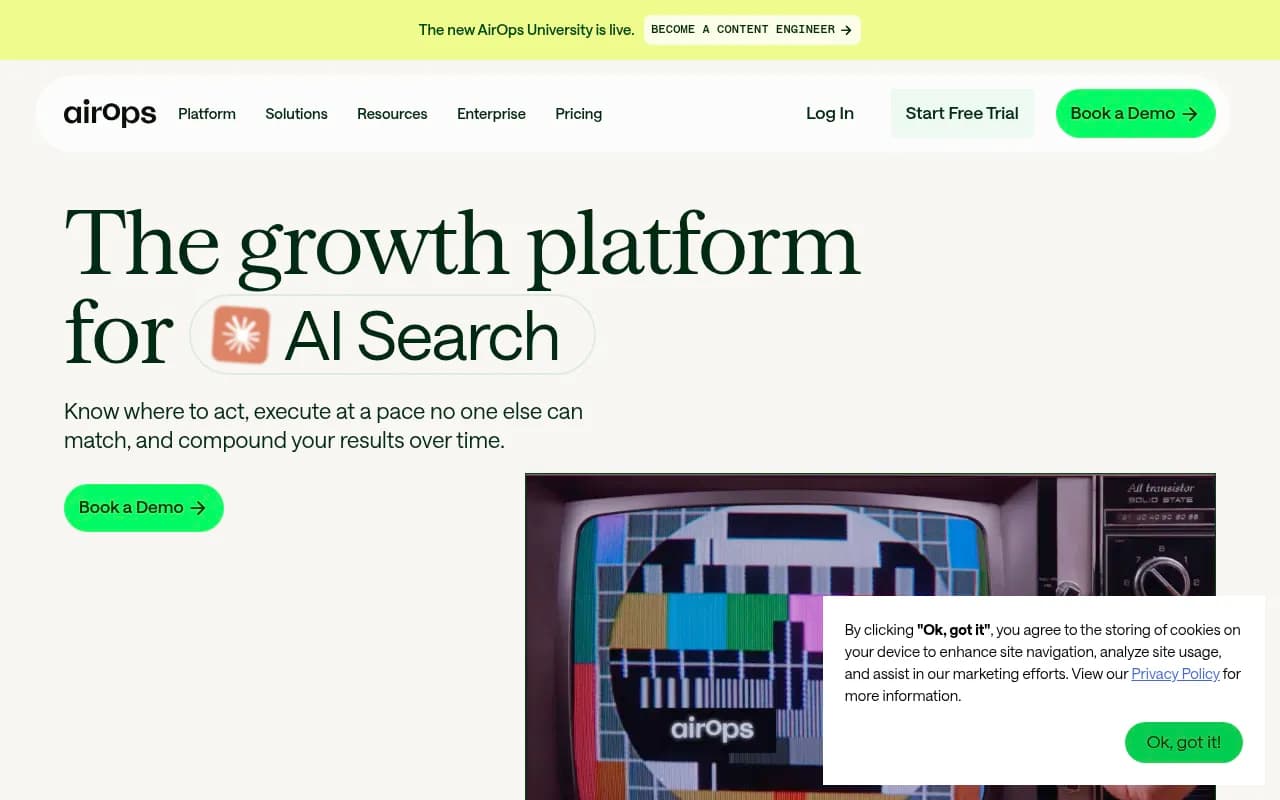
The platform integrates with over 40 AI models, which gives teams real flexibility in choosing which model handles which task. You can chain steps together -- pull a keyword from a spreadsheet, run a SERP analysis, generate a draft, apply brand guidelines, output to your CMS -- all without manual intervention at each stage.
Where AirOps shines:
- Programmatic content at scale (product descriptions, location pages, data-driven articles)
- Custom workflow logic for non-standard content formats
- Teams that have already figured out their SEO strategy and just need execution speed
- Enterprise content ops teams managing large inventories across multiple sites
Where it struggles: AirOps doesn't do keyword research. It doesn't cluster topics or build content plans. It doesn't have built-in on-page optimization scoring. You bring the strategy; AirOps handles the production. That's a meaningful gap if your team doesn't already have a mature SEO research process.

There's also the template rigidity problem. AirOps works beautifully when your content fits its workflow patterns. When you need more editorial nuance -- layered review processes, complex brand voice rules, content that doesn't follow a predictable structure -- the tool starts to feel constraining. Teams that have hit this ceiling are often the ones searching for alternatives.
What Scalenut actually is
Scalenut takes a different approach. Rather than building a workflow engine, it tries to cover the entire SEO content lifecycle inside one platform. That means keyword research, topic clustering, content briefs, AI-assisted writing, on-page optimization scoring, and -- increasingly -- GEO monitoring for AI search visibility.

The pitch is that you shouldn't need five different tools to go from "we want to rank for X" to "we have a published, optimized article." Scalenut wants to be the single place where that whole process happens.
Key capabilities:
- Keyword research and SERP analysis built into the platform
- Topic clustering to build content pillars, not just individual articles
- AI-generated content briefs with competitive context
- Real-time content optimization scoring as you write
- AI Brand Monitoring across ChatGPT and Google AI Overviews (Perplexity on higher tiers)
- Prompt Insights for understanding how AI models respond to queries in your space
That last point is worth noting. Scalenut has been building out GEO features -- tracking how your brand appears in AI-generated answers, not just traditional search results. This is relatively new territory for a content platform, and it's not as deep as a dedicated GEO tool, but it's more than AirOps offers.
Where Scalenut struggles: the platform is primarily built around individual content pieces. If you need to produce 500 product pages programmatically, Scalenut isn't the right tool. It's designed for teams that care deeply about the quality and SEO performance of each piece, not teams that need to spin up content at industrial scale.

Head-to-head comparison
| Feature | AirOps | Scalenut |
|---|---|---|
| Keyword research | No (bring your own) | Yes, built-in |
| Topic clustering | No | Yes |
| Content briefs | Template-based | AI-generated with SERP context |
| AI writing | Yes, multi-model | Yes |
| On-page optimization scoring | No | Yes |
| Programmatic content at scale | Strong | Limited |
| Custom workflow builder | Yes (40+ AI models) | No |
| CMS integrations | Yes | Yes |
| AI Brand Monitoring (GEO) | Limited | Yes (ChatGPT, Google AI Overviews) |
| Prompt Insights | No | Yes |
| Best for | Content ops teams, enterprise scale | SEO teams, content strategists |
| Learning curve | Moderate-high | Low-moderate |
The table makes the split clear. AirOps is a production tool; Scalenut is a strategy-plus-production tool. If you already have a strong SEO research process and just need to execute faster, AirOps is the better fit. If you're building your SEO program from scratch or want everything in one place, Scalenut has more to offer out of the box.
The GEO question
Both tools are positioning themselves around Generative Engine Optimization -- the practice of optimizing content to appear in AI-generated answers, not just Google's blue links. This is worth examining carefully because the marketing often outpaces the actual capability.
AirOps' angle on GEO is primarily about content production: if you can identify the gaps in your AI visibility and create content to fill them, AirOps can help you execute that production at scale. But the identification part -- knowing which prompts your competitors are cited for but you're not -- isn't something AirOps does natively.
Scalenut's GEO features are more integrated. The AI Brand Monitoring tracks how your brand appears in ChatGPT and Google AI Overviews responses, and the Prompt Insights feature gives you some visibility into how AI models are handling queries in your space. It's a meaningful step beyond pure content creation, though it's still not a full GEO analytics platform.
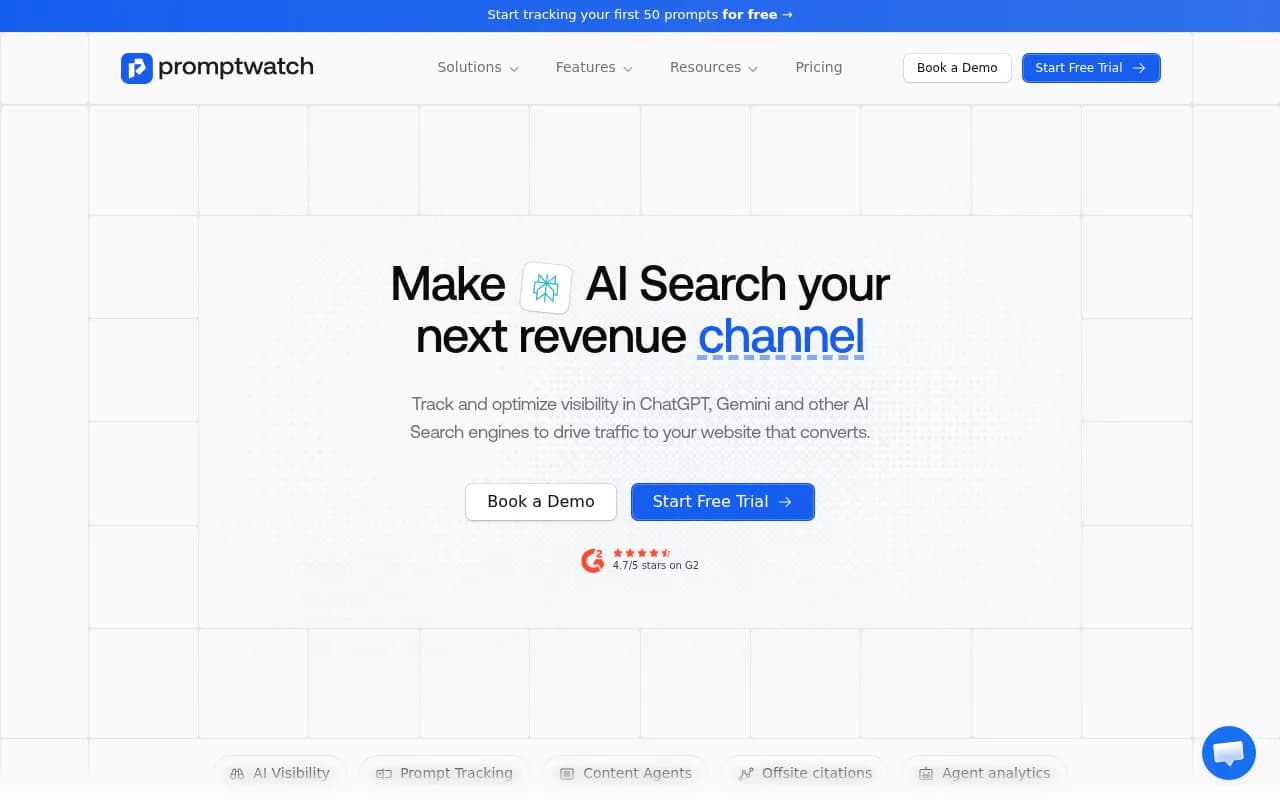
If AI search visibility tracking is a serious priority -- monitoring citations across multiple LLMs, understanding prompt volumes, tracking competitor visibility, connecting AI traffic to revenue -- you'll want a dedicated platform. Promptwatch is built specifically for this: it tracks how brands appear across ChatGPT, Perplexity, Claude, Gemini, and seven other AI models, and it goes beyond monitoring to help you identify content gaps and generate content to fill them.
The honest answer is that neither AirOps nor Scalenut was built from the ground up for GEO. They're adding it on top of existing content creation foundations. That's fine if GEO is a secondary concern, but if it's central to your strategy, treat it as a separate tool decision.
Which team should use which tool
Use AirOps if...
You have a large content operation that needs to move fast. Your SEO strategy is already defined -- you know which keywords to target, you have content briefs ready, you understand your brand voice -- and your bottleneck is production speed. You need to generate hundreds or thousands of pages without a proportional increase in headcount.
AirOps also makes sense if you have unusual workflow requirements. If your content process involves pulling data from multiple sources, applying complex conditional logic, or integrating with systems that most content tools don't support, AirOps' workflow builder gives you that flexibility.
Enterprise content teams at companies managing large product catalogs, multi-location service pages, or data-driven content programs are the clearest fit.
Use Scalenut if...
You want one platform to handle your SEO content program end-to-end. You're a mid-size marketing team or SEO team that doesn't want to stitch together five different tools for research, briefing, writing, and optimization. You care about the quality and search performance of each piece, not just volume.
Scalenut also makes sense if you're just starting to think about AI search visibility. Its GEO monitoring features aren't the deepest in the market, but they give you a starting point without requiring a separate tool purchase.
Content strategists, SEO managers at growth-stage companies, and digital agencies managing SEO programs for multiple clients are the natural fit.
What neither tool does well
It's worth being direct about the gaps that both platforms share.
Neither AirOps nor Scalenut gives you deep visibility into how AI models actually discover and cite your content. They can help you create content that's theoretically well-optimized for AI search, but they can't show you which pages are being crawled by AI agents, which competitors are being cited instead of you for specific prompts, or how your AI visibility is trending over time across different models.
For content optimization and on-page SEO, tools like Surfer SEO and Clearscope still have deeper scoring and NLP analysis than either platform.


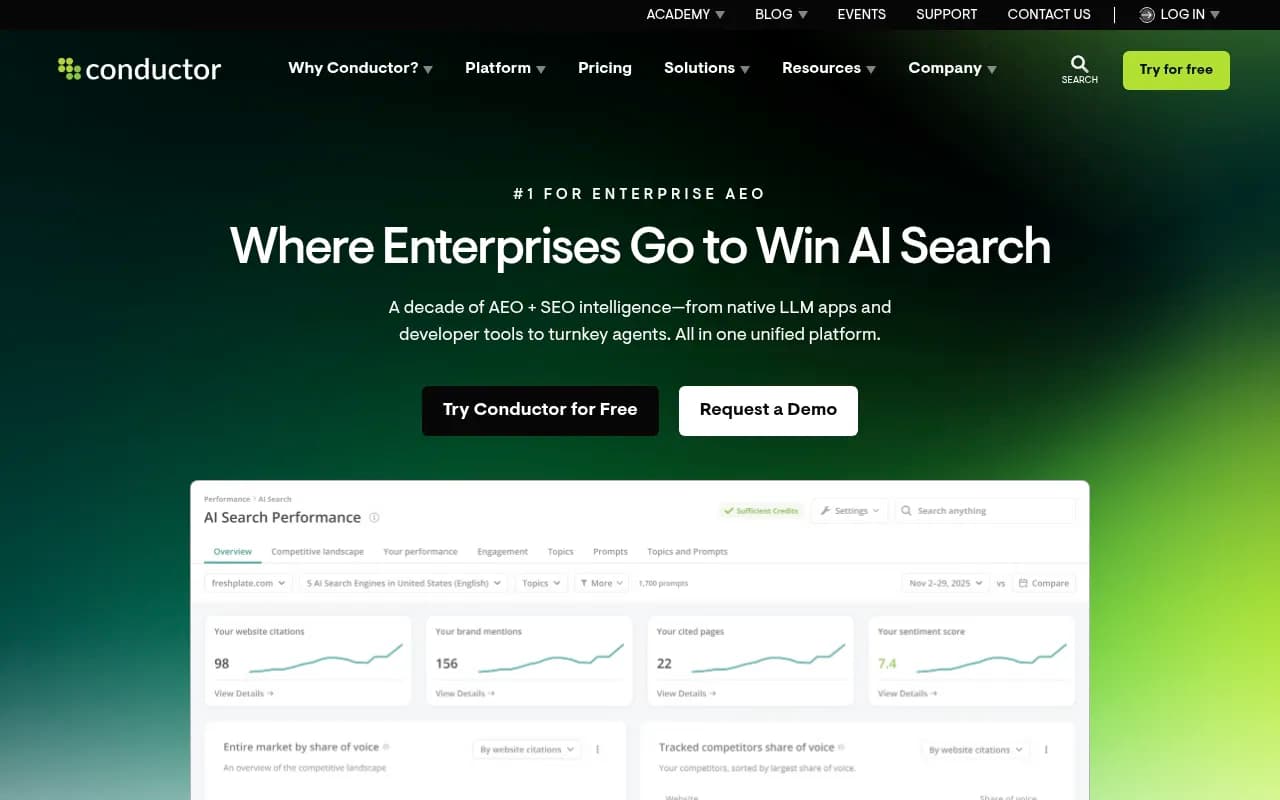
For enterprise SEO with AI search intelligence layered in, BrightEdge and Conductor offer more robust analytics.

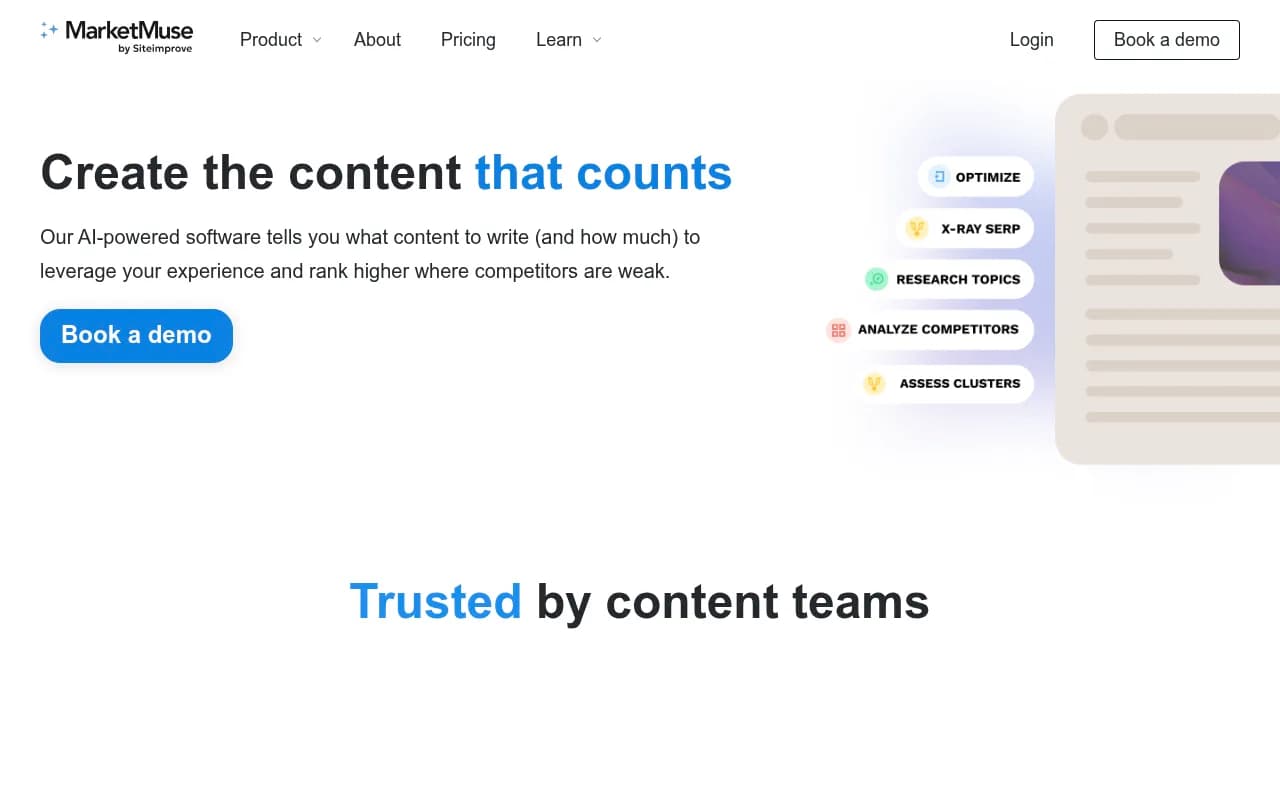
And for pure AI content strategy and planning, MarketMuse has more sophisticated topic modeling than either AirOps or Scalenut.
The point isn't that AirOps and Scalenut are bad tools -- they're not. It's that they each solve a specific problem, and knowing what that problem is before you commit saves a lot of frustration.
Pricing context
AirOps pricing is enterprise-oriented and typically requires a conversation with their sales team for larger deployments. They offer a free trial, and smaller plans are available, but the platform's real value shows up at scale -- which is also where the cost increases.
Scalenut has tiered pricing starting around $39/month for individual users, scaling up to team and agency plans. The GEO monitoring features are available on higher tiers. For most mid-size SEO teams, the mid-tier plan covers the core use cases.
Neither tool is cheap at scale, but they're also not the same type of investment. AirOps is a production infrastructure cost; Scalenut is a strategy-and-execution tool cost. Budget them differently.
The honest verdict
AirOps and Scalenut aren't really competing for the same customer. The overlap is real -- both produce AI-assisted content for SEO -- but the use cases diverge quickly once you get past that surface similarity.
If your team's problem is "we know what to write but can't produce it fast enough," AirOps is the answer. If your problem is "we're not sure what to write, how to structure it, or whether it's performing," Scalenut covers more of that ground.
Most teams don't need both. Pick the one that matches your actual bottleneck, and be honest about what that bottleneck is before you sign up for either.
One thing worth keeping in mind for 2026: the AI search visibility piece is becoming harder to ignore. Both platforms are adding GEO features, but neither is purpose-built for it. If tracking how your brand appears in AI-generated answers is a real strategic priority, plan for a dedicated tool in that category alongside whichever content platform you choose.