Key takeaways
- Outdoor and sports shoppers ask AI for gear recommendations ("best trail running shoes for wide feet"), and those commercial prompts are cited mostly from product pages, landing pages, listicles and comparisons.
- Promptwatch Data shows product pages are 22.4% of ChatGPT citations and landing pages 16.8% (Sep 28 to Oct 4, 2026). Complete specs and clear positioning matter more than a big blog.
- Pick a tool by business model: a gear brand needs product-level and shopping visibility, a retailer needs catalog tracking, and a guide service or park needs local tracking.
- Social is uneven. ChatGPT cites social platforms for only 0.46% of citations, while Google AI Overviews gets 12.2%, so YouTube matters for Google-driven buyers.
- Monitoring alone is not enough. Favor tools that also help you fix gaps and show whether AI crawlers can read your site.
Why outdoor and sports brands have a different GEO problem
Most GEO advice is written for SaaS. Outdoor, sports and adventure brands are a different animal. Buyers ask questions with real stakes and lots of specifics: "which tent survives winter camping under 2 kg," "best climbing gym near me," "is a guided Kilimanjaro trek worth it." The answers are lists of named products, operators and places.
That makes the category competitive in a very specific way. AI assistants don't send people to ten blue links. They name three or four brands, and everyone else is invisible. If you sell hiking boots, you are competing with REI, Backcountry, review sites and the big manufacturers for the same few slots.
I'd split outdoor brands into four types, because the right tool depends on which one you are:
- Gear and apparel makers (direct-to-consumer, with retail partners)
- Retailers and marketplaces with large catalogs
- Experience operators: guides, tour companies, ski resorts, rental shops, gyms
- Sports teams, leagues and media brands
A tent maker and a heli-ski operator need very different things from a GEO platform.
What AI actually cites for gear and adventure queries
There is no Promptwatch report specific to outdoor or sports yet, so treat the following as the closest general evidence. According to Promptwatch Data on content types ChatGPT cites (Sep 28 to Oct 4, 2026), product pages are the most cited type at 22.4% of classified citations, and landing pages follow at 16.8%. Listicles are 13.6%, documentation 7.5%, comparisons 5.9% and reviews 1.7%.
For commercial prompts, which is what "best X for Y" gear questions are, the same report shows product pages at 26.0%, landing pages at 20.6%, listicles at 15.0% and comparisons at 7.9%. Those four types make up almost 70% of commercial citations.
What this means for a gear brand:
- Your product pages are the main asset. Weight, materials, temperature rating, fit notes, price and availability should be complete and in plain text, not buried in images or tabs that don't render.
- Comparison pages ("our 2-person tent vs 3-person") earn their keep.
- Getting into the "best of" roundups AI already cites is worth real effort. Outdoor review sites and gear guides are the usual suspects.
- Reviews matter more on branded prompts: 5.6% of branded citations, more than 3x their overall share.
For travel-style experiences (guided treks, ski trips, tours), look at the travel citation report. Skyscanner, Going and Tripadvisor lead there, and booking and search sites earn more than half of citations. If you run adventure tours, being listed accurately on those platforms probably matters as much as your own site.
The social question
Outdoor is a visual, community-driven category, so you might expect Reddit and Instagram to carry weight. The data is more mixed. According to Promptwatch's social citation data (Sep 28 to Oct 4, 2026), all seven major social platforms together are just 0.46% of ChatGPT citations. Google AI Overviews is different: social platforms make up 12.2% of its citations, with YouTube at 4.28%, Facebook at 2.38% and Reddit at 2.15%.
Reddit's decline in ChatGPT is sharp. Promptwatch's Reddit report shows reddit.com falling from roughly 4% to 0.5% of ChatGPT citations on August 14, 2026. So for an outdoor brand, a YouTube gear-review and how-to library is a better bet than Reddit seeding if your buyers use Google. Check which channel your own audience uses before spending.
What to look for in a GEO tool
Strip away the marketing and a useful tool for this vertical needs these things:
- Prompt tracking that matches how shoppers ask, including persona and use-case phrasing (beginner, ultralight, winter, wide feet).
- Coverage of ChatGPT, Google AI Overviews and AI Mode, Gemini, Perplexity and Copilot, ideally from real interfaces rather than only APIs, since user-facing answers can differ.
- Citation data, so you can see which review sites and retailers get named instead of you.
- Product or catalog-level visibility if you sell physical goods.
- Location tracking if you have shops, gyms, resorts or trailheads.
- A way to act: content gaps, drafts, publishing.
- AI crawler visibility, because a surprising number of ecommerce sites block bots by accident.
The category covers three jobs, as several buyer guides note: monitoring (where am I cited), optimization (what should I change) and conversion (what happens when AI sends people to my site). Few tools do all three.
Best GEO tools by outdoor business type
Best end-to-end platform: Promptwatch
Promptwatch is the one I'd shortlist first for a brand that wants to fix visibility, not only watch it. It monitors the real interfaces of ChatGPT, Google AI Overviews, AI Mode, Gemini, Perplexity, Copilot, Meta AI and others, then traces which pages and third-party sources AI cites. From there, the Action Board and Content Agent work through content gaps and publish to WordPress, Webflow or Framer.
A few capabilities matter for outdoor specifically. ChatGPT Shopping tracking shows which products AI recommends and which competitors it picks instead (Business plan and up). Local GEO/SEO targeting pins a monitor to exact coordinates, which suits shops, gyms and resorts. YouTube citation reports show which videos AI pulls from, which is relevant given how much outdoor content is video. IP-verified AI crawler logs tell you whether bots can actually read your product pages.
Pricing starts at $95/mo (Essential), with Professional at $245/mo and Business at $579/mo. Confirm current prices at promptwatch.com/pricing. A 7-day free trial and a free AI visibility report are the free starting points.

Best for catalog-heavy retailers
If you carry thousands of SKUs, brand-level tracking won't tell you much. You want product-level visibility.
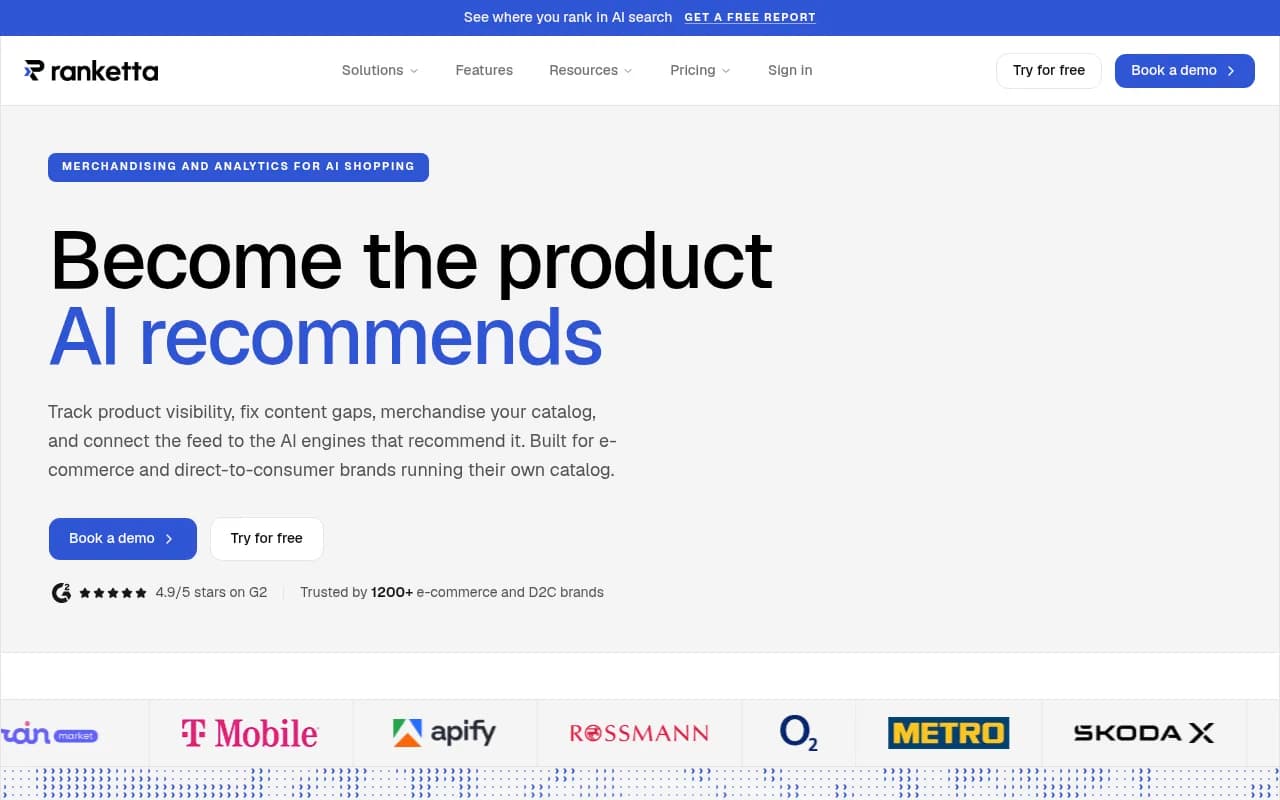
Ranketta tracks AI visibility at the product level for ecommerce. Yotpo Discover builds on reviews and catalogs, which fits since reviews carry weight in branded prompts.
Yotpo Discover
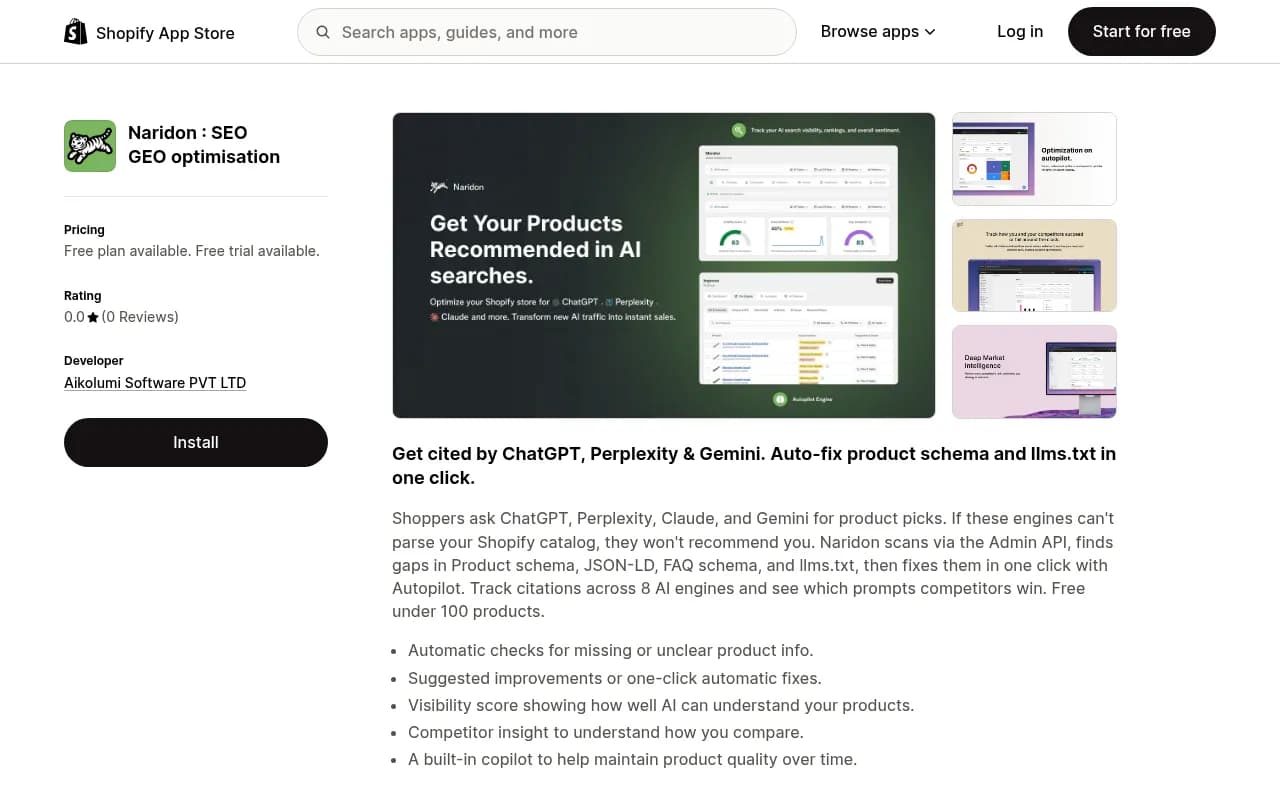
Alhena AI is built around ecommerce catalogs too, and Naridon is worth a look if you run a Shopify store.

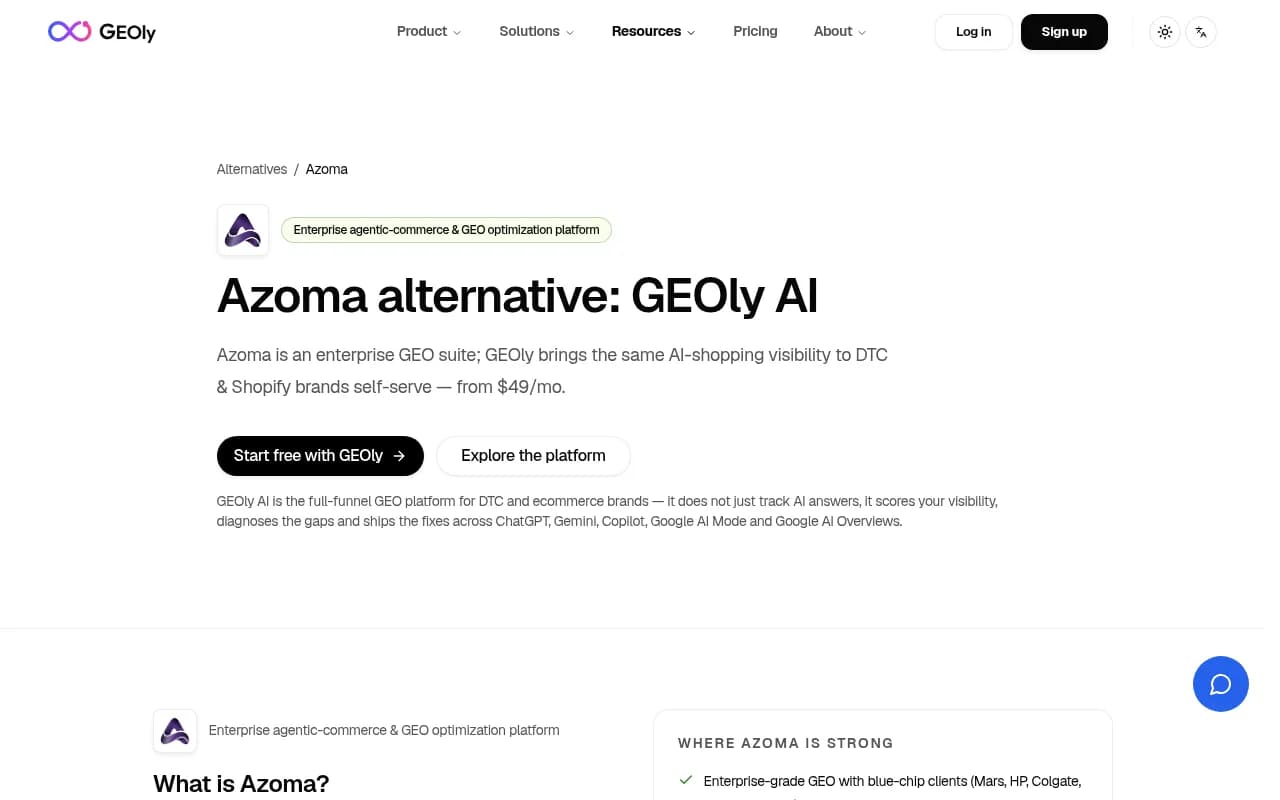
For agentic commerce, where AI shopping agents buy on a user's behalf, Azoma and Bluefish AI are the names to evaluate. Both are more enterprise-oriented.

Best for local and multi-location operators
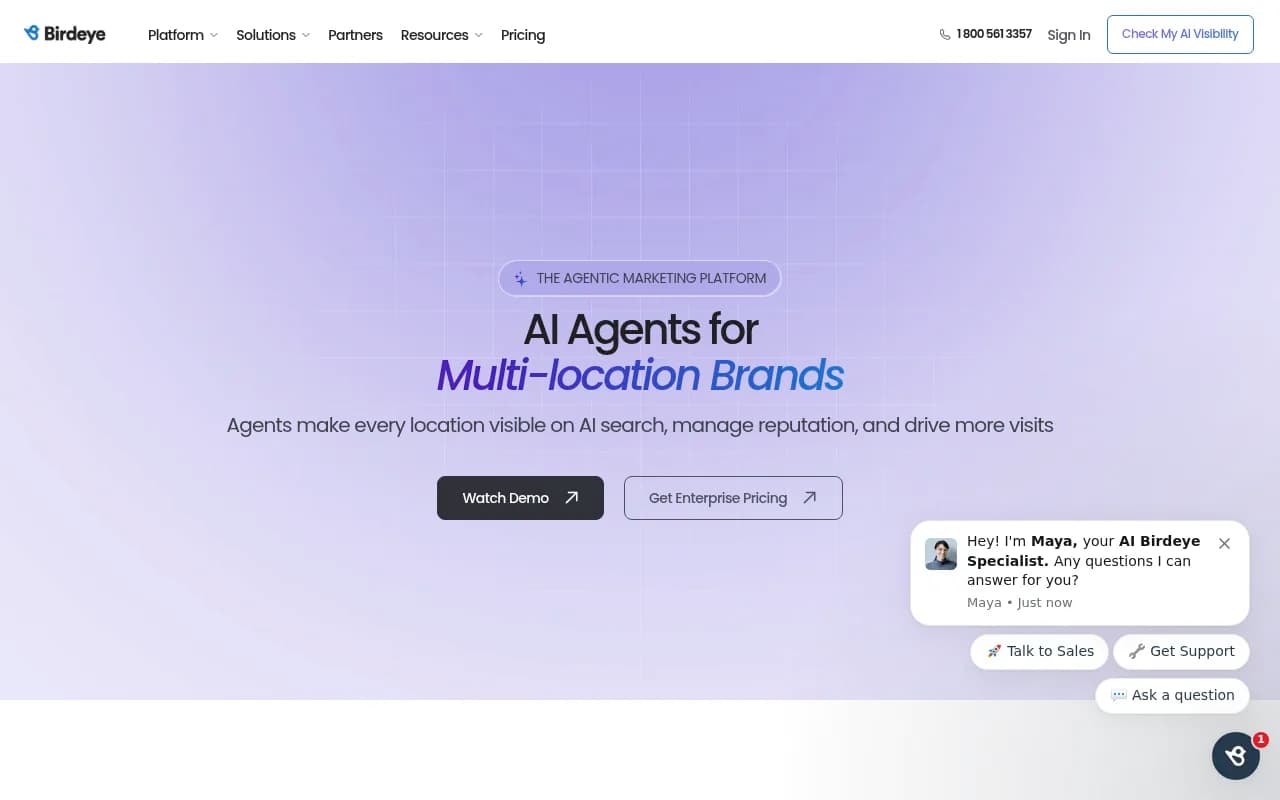
Climbing gyms, ski rental chains, outfitters and franchise fitness brands live on "near me" queries. Birdeye Search AI offers location-level AI visibility tracking.
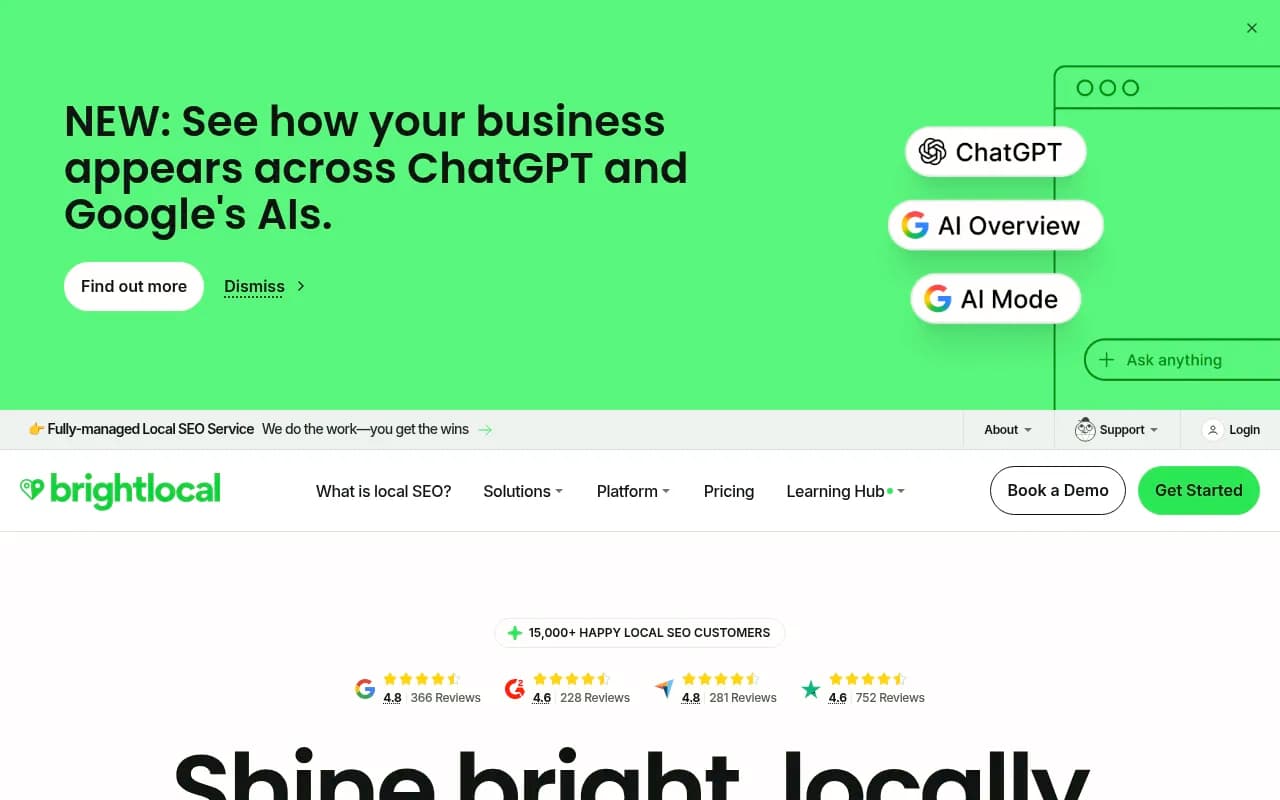
BrightLocal added AI visibility on top of its local SEO rankings, listings and reviews work, which makes it a sensible pick for small multi-location teams already using it.
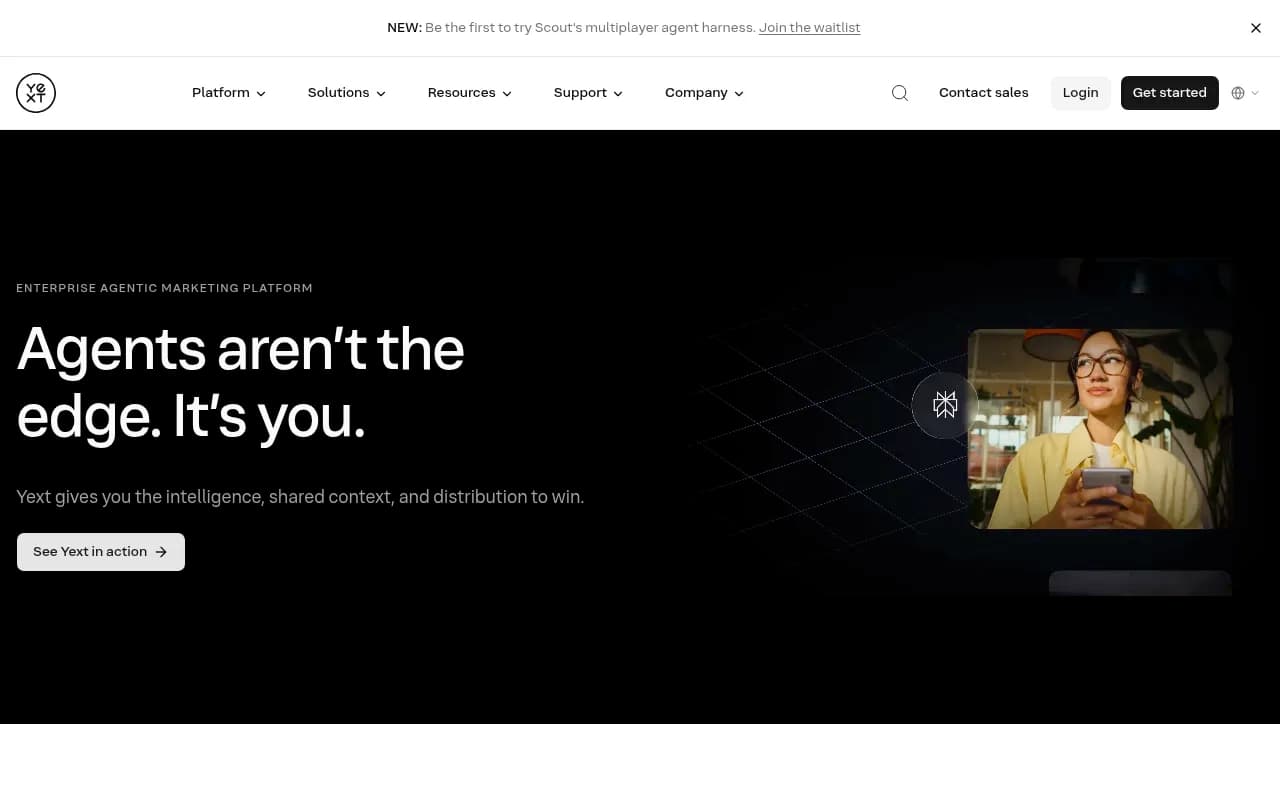
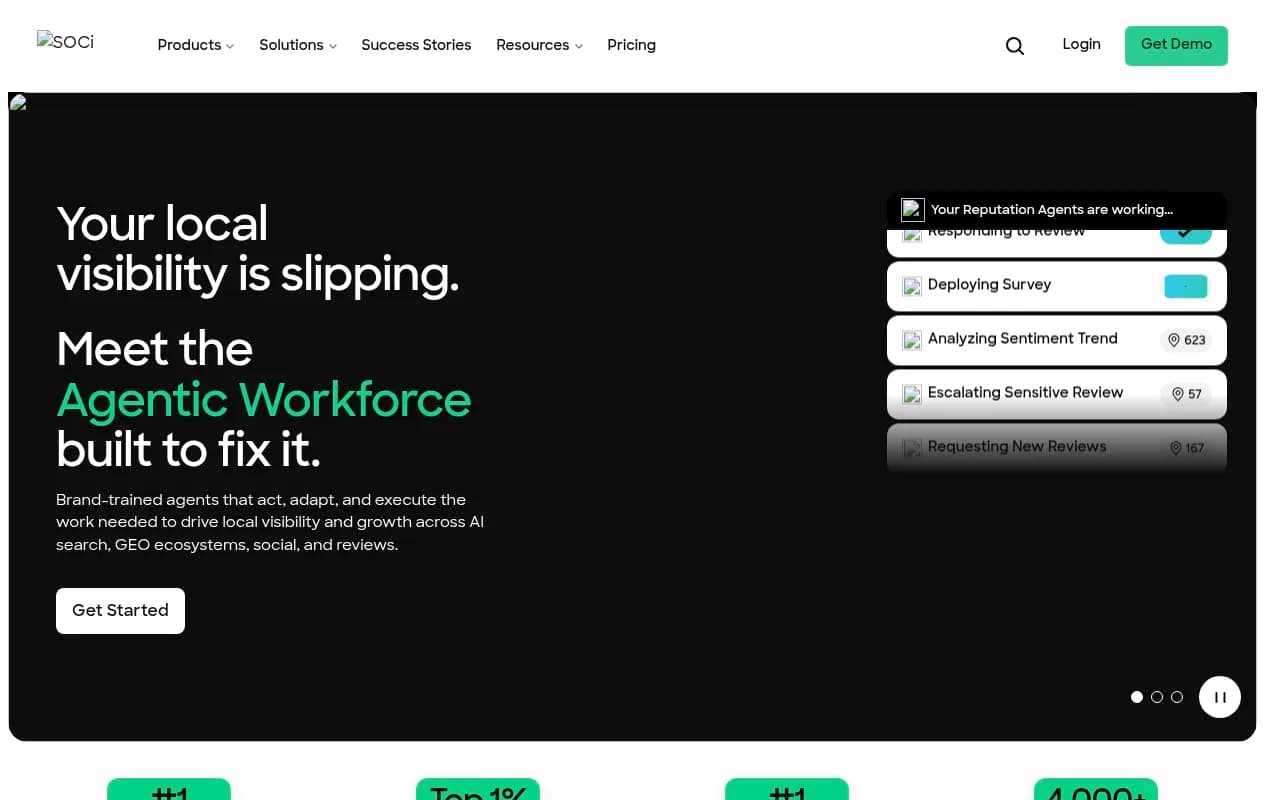
For listings accuracy at scale, Yext and SOCi cover verified brand data and local search management across many locations. Wrong hours or a closed trail on a listing feeds straight into wrong AI answers.
Best budget monitoring
Small brands and independent outfitters often just need to know whether they show up. Otterly.AI is a low-cost monitor (the Anagram startup guide cites $29/mo, but check current pricing), and Peec AI adds source analysis and suggestions.


Aiclicks and Airefs are other affordable trackers.
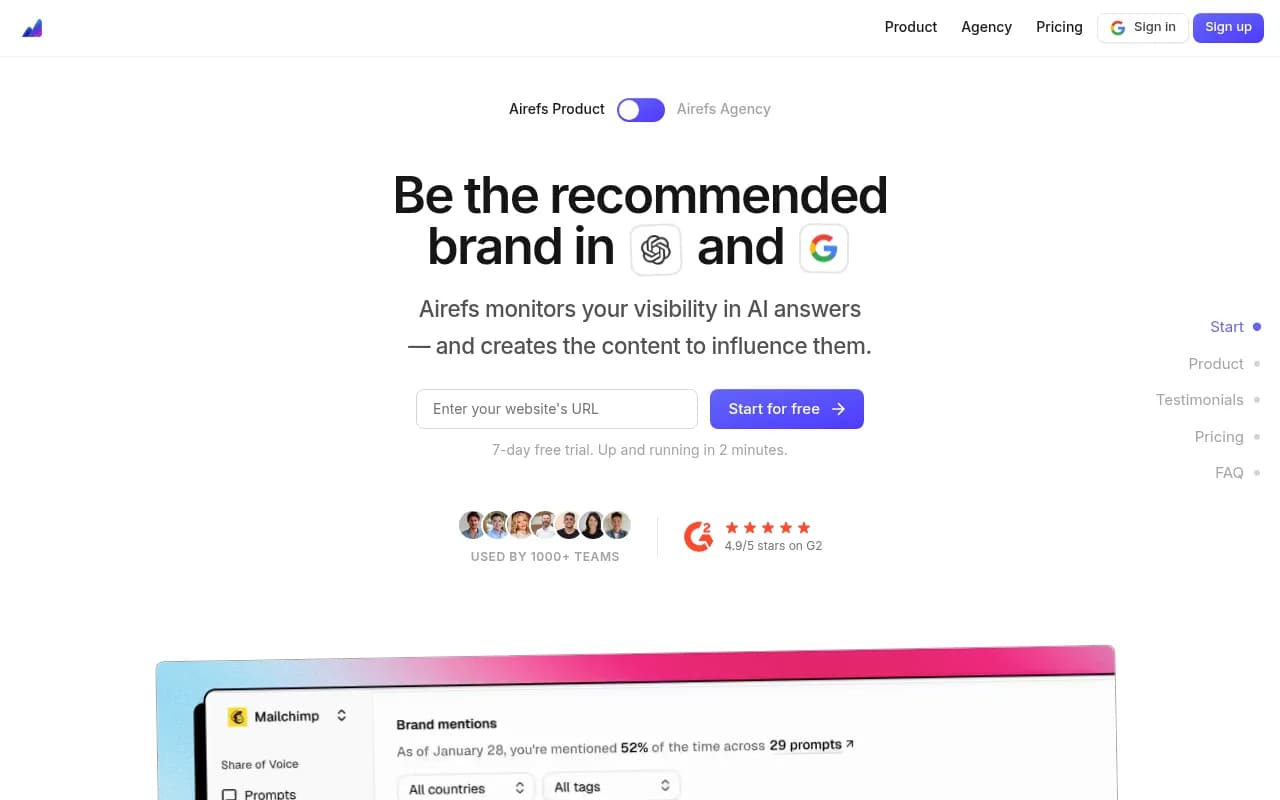
Monitors won't write content or tell you why a competitor wins. That is fine for a first pass, but you will outgrow them if you are serious.
Best for enterprise and big-name sports brands
Large sports and apparel companies with global footprints and procurement requirements tend to look at Profound, Scrunch and Brandlight. They have strong monitoring and reporting. Profound is the one most often priced for enterprise buyers.



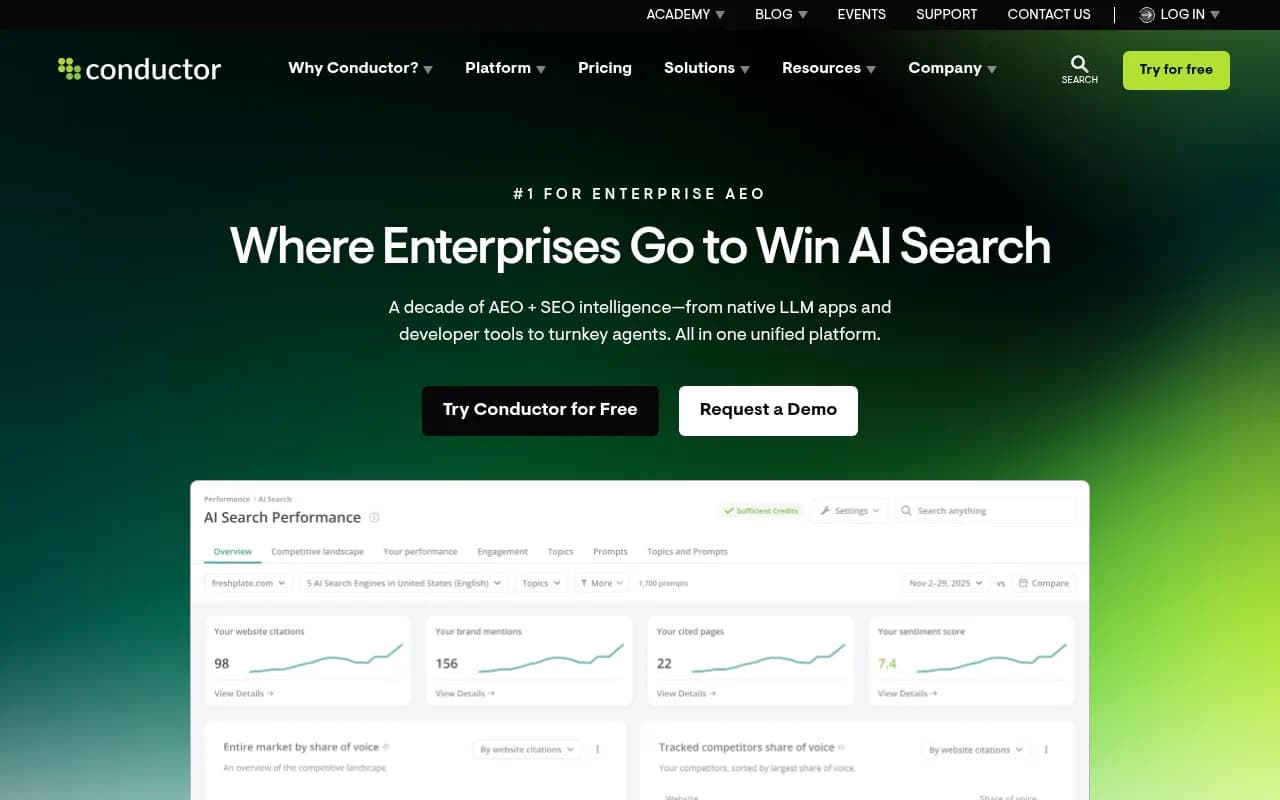
If your team already lives in an SEO suite, Semrush, Ahrefs Brand Radar and Conductor add AI tracking to existing workflows. They are convenient but typically shallower on AI-specific data such as crawler logs and AI traffic attribution.

Comparison table
| Tool | Best for | Product or shopping angle | Local tracking | Helps fix gaps |
|---|---|---|---|---|
| Promptwatch | Brands that want to fix visibility | ChatGPT Shopping (Business+) | Yes, exact coordinates | Yes, Content Agent and Action Board |
| Ranketta | Large product catalogs | Product-level tracking | No | Limited |
| Yotpo Discover | Review-driven ecommerce | Catalog and reviews | No | Some |
| Birdeye Search AI | Multi-location operators | No | Location-level | Some |
| BrightLocal | Small local teams | No | Yes | Some |
| Otterly.AI | Cheap starter monitoring | No | No | No |
| Peec AI | Sources and suggestions | No | No | Suggestions |
| Profound | Enterprise analytics | Some | Limited | Limited |
Feature claims here are summaries of vendor positioning. Verify details before buying.
A simple setup for an outdoor brand
Here is what I would do in the first month, whatever tool you choose.
- Build 30 to 50 prompts around real shopping and trip-planning questions. Include use cases ("best sleeping bag for 0 degree backpacking"), constraints (budget, weight, skill level) and brand-versus-brand comparisons.
- Run them across ChatGPT, AI Overviews and Perplexity at minimum. Note who gets named and which sources get cited.
- List the third-party pages that keep appearing. These are your outreach and review targets.
- Audit your product pages. Are weight, dimensions, materials, price and stock in crawlable text? Does robots.txt block AI bots? Free checks such as the Agentic Readiness Check cover the crawler side.
- Fill the content gaps with comparison pages, fit guides and FAQ pages, and publish them.
- Track again in a few weeks. News content decays fast, with news losing half its cited pages within about 36 days according to Promptwatch's content half-life data, so seasonal launch coverage fades faster than evergreen product and landing pages.
Seasonality
Outdoor demand swings hard. Ski gear, hydration packs and trail shoes peak at different times. If your tool supports tracking cadence beyond daily, use it around launches and peak buying windows. Promptwatch offers 12, 6 or 1 hour runs on Business and higher plans, for example.
Mistakes I see brands make
- Tracking only the brand name. Shoppers mostly ask category questions, and you can't win a comparison you aren't measuring.
- Over-investing in Reddit for ChatGPT visibility, given the drop shown above.
- Treating the dashboard score as the goal. A visibility score is a diagnostic, not revenue.
- Ignoring crawler access. If bots hit a wall on your product pages, nothing else matters.
- Letting retailer and marketplace listings go stale. AI often cites the retailer, not you.
Which tool should you pick?
- Gear brand selling direct: start with an end-to-end platform like Promptwatch so tracking and content work happen in one place.
- Big catalog retailer: add product-level tracking (Ranketta, Yotpo Discover) alongside brand-level tracking.
- Gyms, resorts and outfitters: prioritize local tracking and listings accuracy.
- Tiny budget: begin with Otterly.AI or Peec AI, then upgrade.
- Global enterprise: shortlist Profound, Scrunch and Promptwatch, and compare security and reporting needs.
For a wider list, browse the GEO software directory at bestgeosoftware.com, and for rank trackers specifically see ai-rank-tools.com.
One caveat to end on. Most GEO tool rankings are published by vendors who rank themselves first, and the numbers around AI search shift month to month. Run a trial with your real prompts before committing to an annual plan.