Key takeaways
- GEO (Generative Engine Optimization) is not just rebranded SEO. The commercial mechanism of AI search is fundamentally different: AI models pre-filter the market before a user clicks anything.
- A working GEO content strategy starts with understanding which prompts your target audience is using, then mapping where you're invisible versus competitors.
- Content that wins in AI search is structured to answer questions directly, written in natural language, and backed by credible sources and entities.
- Tracking GEO results requires different tools than traditional SEO -- you need to monitor citations, crawler behavior, and prompt-level visibility across multiple AI models.
- The brands winning in AI search right now are publishing content that closes specific answer gaps, not just optimizing existing pages.
Why GEO is not just SEO with a new name
The popular line in marketing circles is that GEO is just SEO repackaged. It's a comfortable position because it requires no real change. It's also wrong.
Here's what actually shifted. For twenty years, the logic of search was: rank in Google, get clicks, convert traffic. Buyers would type a query, scan ten results, and choose. Your job was to be in that list.
That game has changed. A buyer today doesn't type "best project management software" and scroll links. They open ChatGPT or Perplexity and describe their actual situation: "I run a 12-person agency, we're drowning in client onboarding, and I need software that integrates with Slack and has a free tier." The AI model processes that, synthesizes an answer, and hands back a shortlist -- often with a recommendation.
The consideration set collapses before the user clicks anything. If your brand isn't in that shortlist, you don't exist for that buyer in that moment.
That's the commercial reality driving GEO. Not hype. Not a trend. A structural change in how people get answers and make decisions.

Step 1: Understand how AI models decide what to cite
Before you write a single word of new content, you need to understand what AI models are actually doing when they generate a response.
AI models like ChatGPT, Perplexity, Claude, and Gemini don't rank pages the way Google does. They synthesize information from sources they've crawled and indexed, then generate a response that cites the most authoritative, relevant, and clearly structured sources available. The criteria that matter most:
- Does the content directly answer the question being asked?
- Is the source credible and cited elsewhere on the web?
- Is the information structured so the model can extract and reassemble it?
- Is the content specific, not generic?
A thin blog post that says "project management software helps teams collaborate" won't get cited. A page that says "for agencies managing 10+ clients, tools like X offer client portal features that reduce onboarding emails by an average of 40%" has a real shot.
This is the mindset shift. You're not writing for a ranking algorithm. You're writing to be the best available answer to a specific question.
Step 2: Map the prompts your audience is actually using
Traditional SEO starts with keywords. GEO starts with prompts -- the full, conversational questions people are asking AI models.
The difference matters. "Best CRM software" is a keyword. "What CRM should a solo consultant use if they mostly do project-based work and hate monthly fees?" is a prompt. These require completely different content to answer well.
To map prompts effectively:
- Think in terms of jobs-to-be-done. What is your customer trying to accomplish? What decision are they trying to make?
- Look at the questions your sales team gets asked. These are real prompts people will use with AI.
- Check Reddit, Quora, and community forums in your niche. The way people phrase questions there is close to how they phrase them in ChatGPT.
- Use a GEO tracking tool to see which prompts are already driving AI citations in your category.
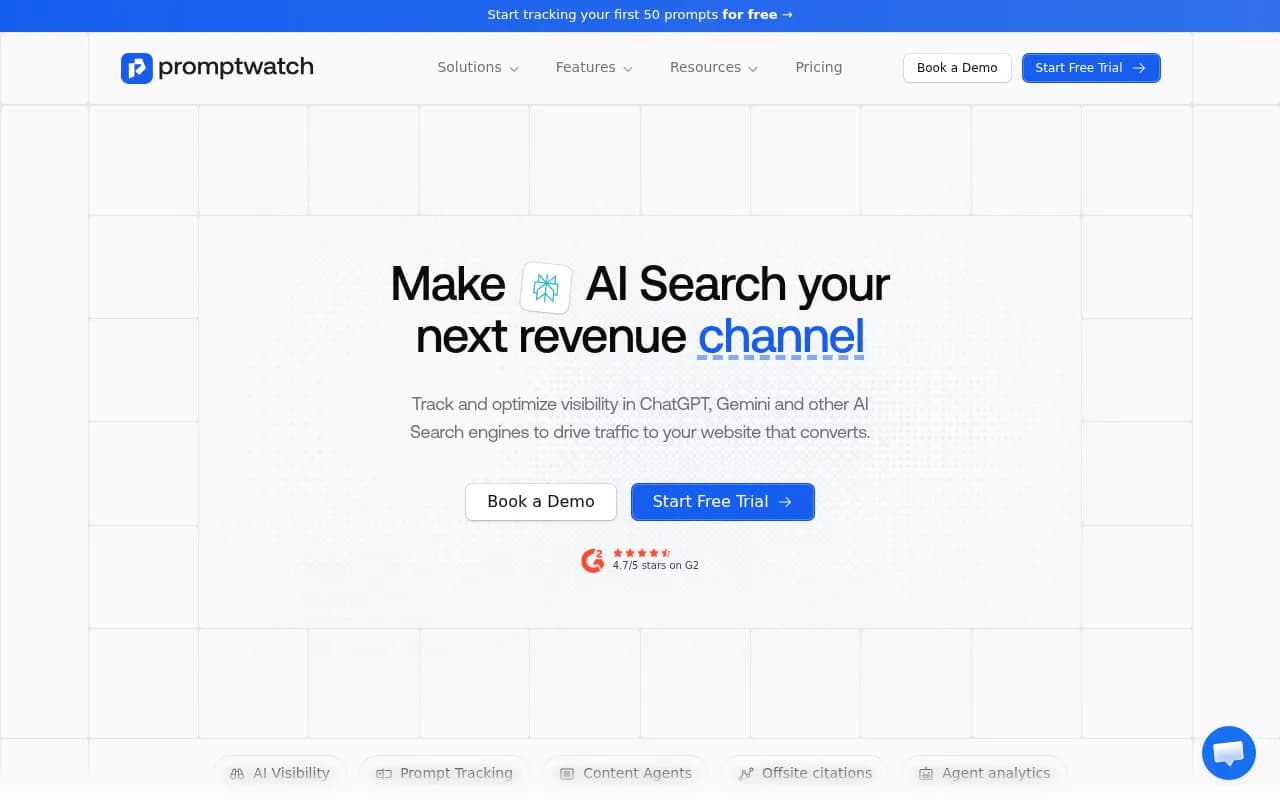
On that last point -- tools like Promptwatch let you track specific prompts across multiple AI models and see exactly which competitors are being cited and which prompts you're invisible for. That data is the foundation of a real GEO strategy.
Step 3: Run an answer gap analysis
Once you have a list of prompts, you need to know where you stand. This is the answer gap analysis: for each prompt, which brands are being cited, and are you one of them?
This step is where most GEO strategies either get serious or fall apart. If you're not tracking this systematically, you're guessing. And guessing means you'll produce content that feels productive but doesn't close the gaps that actually matter.
A proper answer gap analysis tells you:
- Which prompts your competitors appear in that you don't
- Which topics AI models are covering in your category where your site has no relevant content
- Which of your existing pages are being crawled but not cited (a fixable problem)
The output is a prioritized list of content opportunities ranked by prompt volume, competitive difficulty, and how quickly you can realistically close the gap.
Step 4: Audit your existing content for AI-readiness
Before creating new content, audit what you already have. A lot of existing content can be improved to perform better in AI search without being rebuilt from scratch.
What to look for:
Direct question answering. Does the page answer a specific question clearly and early? AI models favor content that gets to the point. If your intro is three paragraphs of scene-setting before you answer anything, that's a problem.
Entity clarity. AI models work with entities -- named things like products, companies, people, places, and concepts. Your content should clearly name and describe the entities it's about. Vague language ("our solution helps businesses grow") doesn't give models enough to work with.
Structured information. Headers, lists, tables, and FAQ sections all help AI models extract and reassemble your content. A wall of prose is harder to cite than a well-structured page with clear subheadings.
Source credibility signals. Do you cite external sources? Do you include data, statistics, or named experts? AI models weight content that itself cites credible sources more heavily.
Schema markup. FAQ schema, HowTo schema, and Article schema all help AI crawlers understand what your content is about and how to use it.
Step 5: Build a content plan around specific answer gaps
Now you're ready to create new content. The key principle here is specificity over volume.
One comprehensive, well-structured guide that directly answers a high-volume prompt will outperform ten thin blog posts on loosely related topics. This is different from the old SEO playbook of publishing frequently to capture long-tail keywords.
For each content piece, define:
- The specific prompt (or cluster of related prompts) it's designed to answer
- The persona asking that prompt -- their context, their level of knowledge, their decision stage
- The entities the content needs to cover clearly
- The external sources you'll cite to add credibility
- The format that best serves the answer (guide, comparison, FAQ, case study)
A practical structure that works well for AI citation:
- A direct answer to the question in the first 100 words
- Supporting context and explanation
- Specific examples, data points, or named entities
- A FAQ section addressing related questions
- Clear headings that mirror how people phrase the question
The FAQ section is worth emphasizing. AI models frequently pull from FAQ content because it's pre-structured as question-and-answer pairs. Building a FAQ ecosystem across your site -- with proper schema markup -- is one of the highest-leverage GEO tactics available right now.
Step 6: Build authority signals beyond your own site
Your owned content is the foundation, but it won't win on its own. AI models synthesize from across the web, which means your brand's visibility in third-party sources matters enormously.
The sources that influence AI citations most:
- Industry publications and media coverage
- Reddit threads where your brand or product is discussed positively
- YouTube videos that mention or review your product
- Listicles and comparison articles on third-party sites ("best X for Y")
- Analyst reports and research citations
This is where GEO starts to look more like PR than SEO. Getting your brand mentioned in the right external contexts -- forums, review sites, industry blogs -- builds the web of citations that AI models use to validate your authority.
A few practical approaches:
- Identify which Reddit communities discuss your category and participate genuinely (not promotionally)
- Pitch original data and research to industry publications -- cited statistics get picked up by AI models
- Reach out to authors of existing comparison articles to be included or updated
- Build relationships with YouTubers and podcasters in your niche
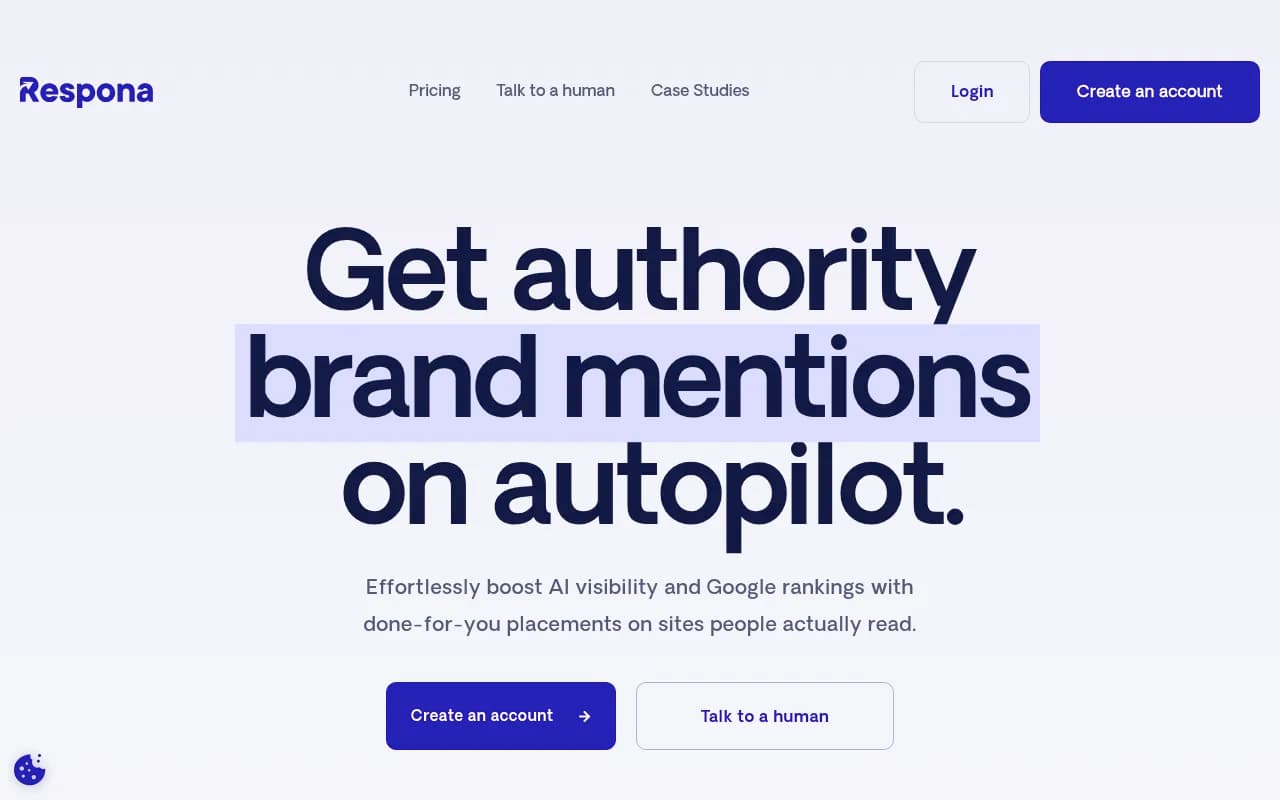
Tools like Respona can help with the outreach side of this -- finding relevant content and managing campaigns to get your brand mentioned in the right places.
Step 7: Track your GEO performance properly
This is where a lot of GEO strategies break down. People create content, then check their Google Analytics and wonder why nothing changed. AI search traffic doesn't always show up cleanly in traditional analytics -- it can appear as direct traffic or get misattributed.
What you actually need to track:
- Prompt-level visibility: Are you being cited when someone asks the specific prompts you're targeting? This requires a tool that queries AI models directly.
- Citation share: What percentage of relevant prompts in your category include your brand versus competitors?
- Crawler activity: Are AI crawlers (GPTBot, ClaudeBot, PerplexityBot) actually visiting your site? Which pages? How often?
- Page-level citation tracking: Which of your pages are being cited, by which models, and for which prompts?
- Traffic attribution: Is AI search visibility translating into actual visits and conversions?
This level of tracking requires purpose-built GEO tools. Here's a quick comparison of the main options:
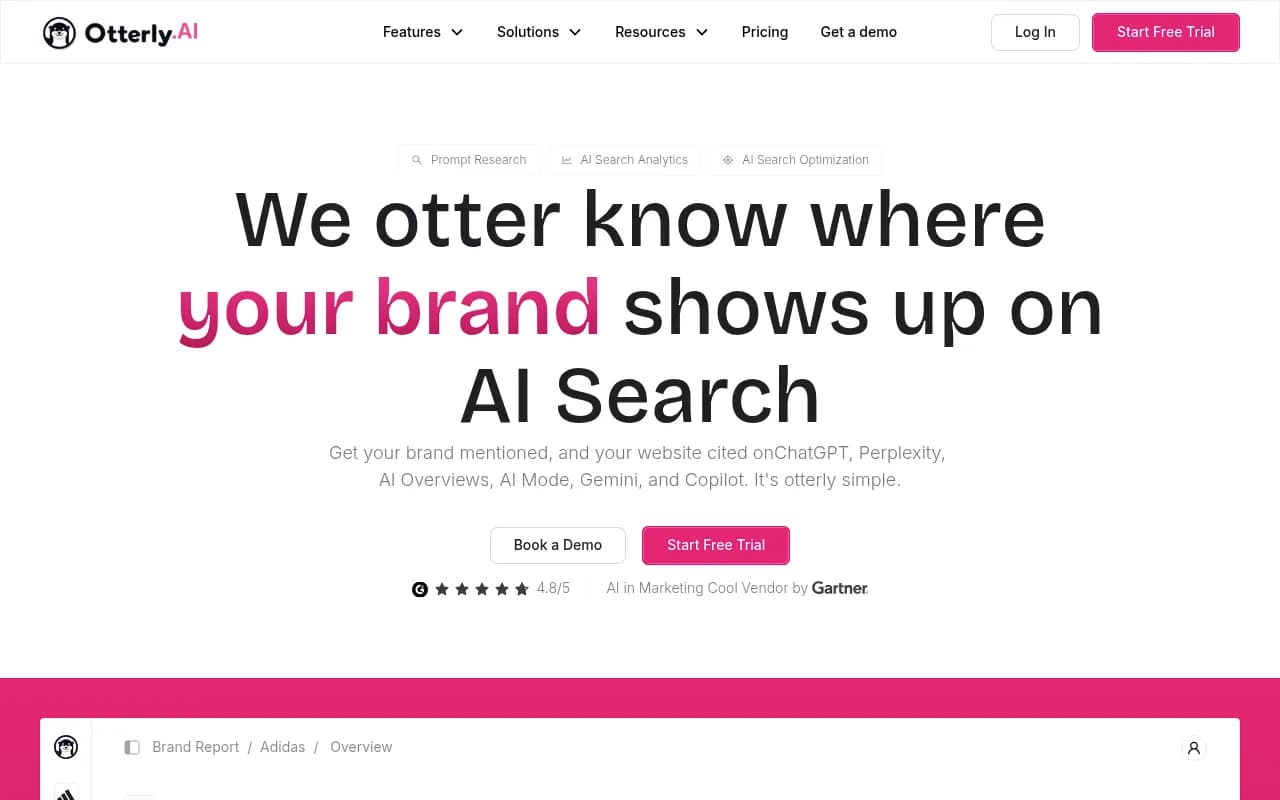
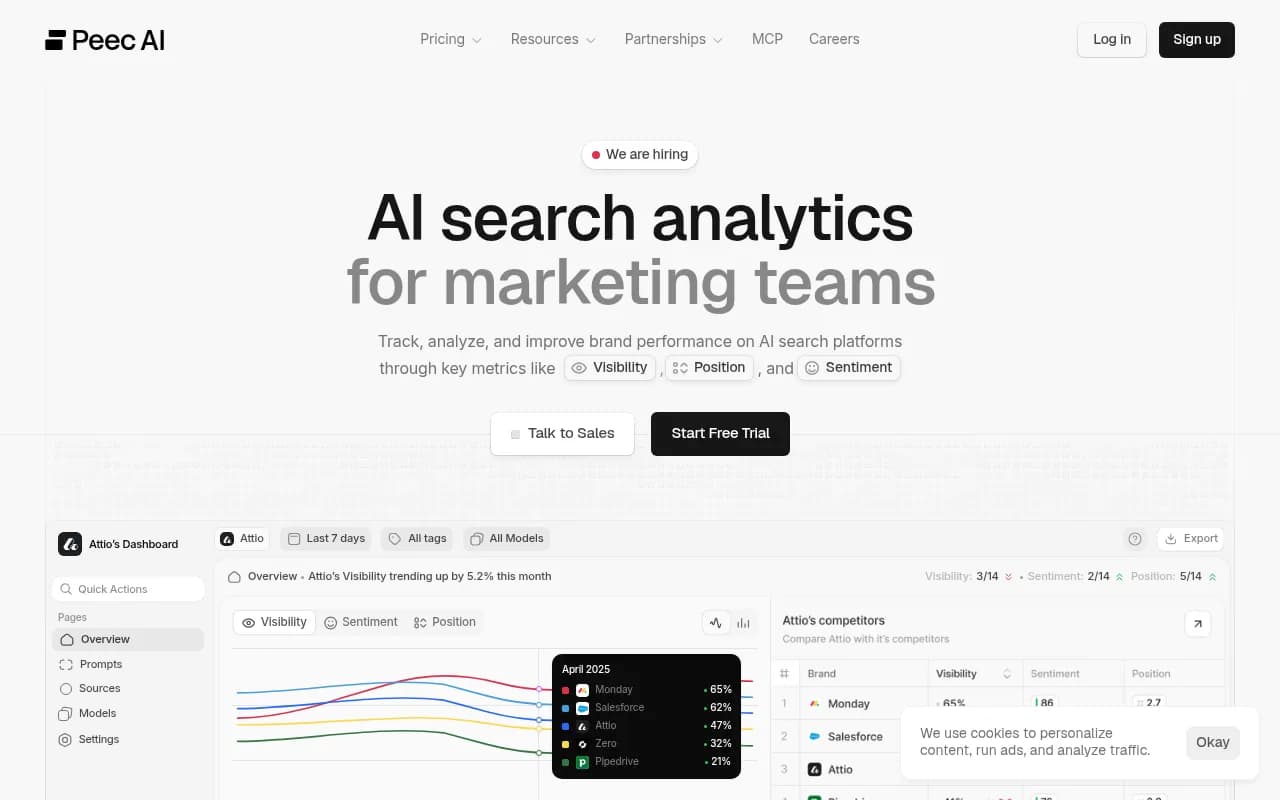
| Tool | Prompt tracking | Crawler logs | Content generation | ChatGPT Shopping | Reddit/YouTube insights |
|---|---|---|---|---|---|
| Promptwatch | Yes (10 models) | Yes | Yes (Content Agents) | Yes | Yes |
| Otterly.AI | Yes | No | No | No | No |
| Peec AI | Yes | No | No | No | No |
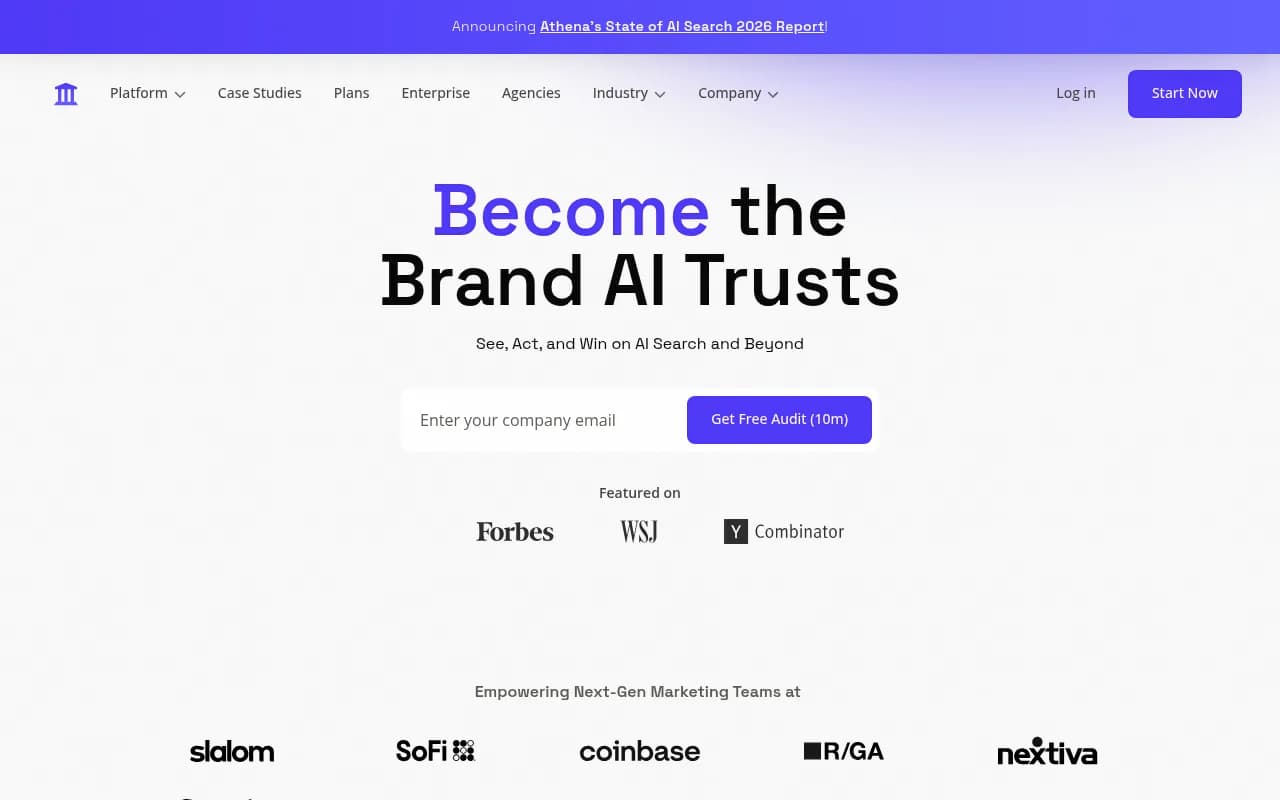
| AthenaHQ | Yes | No | No | No | No |
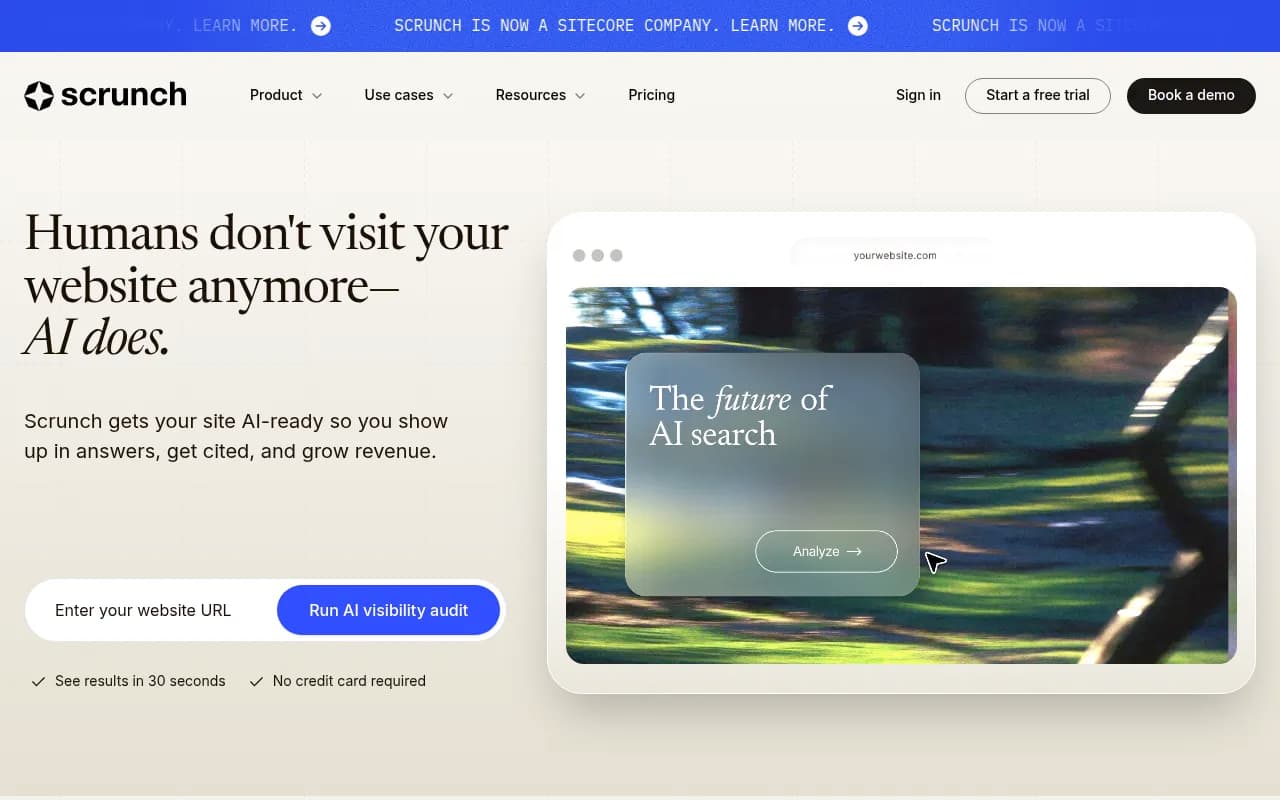
| Scrunch AI | Yes | No | No | No | No |
| Profound | Yes | No | No | No | No |
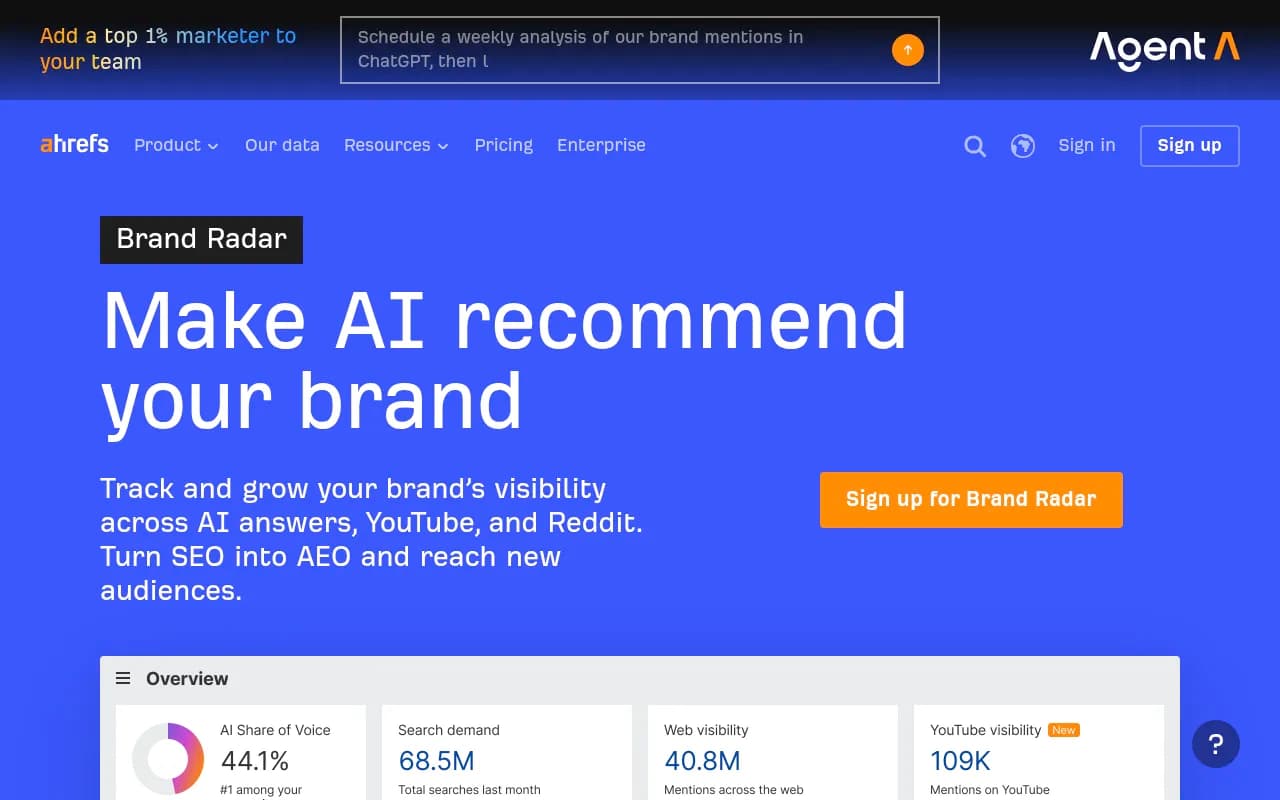
| Ahrefs Brand Radar | Yes (fixed prompts) | No | No | No | No |
| Semrush AI Visibility | Yes (fixed prompts) | No | No | No | No |
Most tools in this space are monitoring dashboards. They'll show you where you're invisible, but they stop there. If you want a platform that also helps you close the gaps -- through content briefs, AI content generation, and crawler diagnostics -- Promptwatch is the only one currently doing all of that in one place.
Step 8: Iterate based on what the data shows
GEO is not a set-and-forget strategy. AI models update their training data, change how they weight sources, and shift which types of content they prefer to cite. What works today may need adjustment in six months.
Build a regular review cadence:
- Weekly: Check prompt-level visibility for your top 20 prompts. Flag any drops.
- Monthly: Review which new content is being crawled and cited. Check crawler logs for errors or access issues.
- Quarterly: Run a full answer gap analysis to find new prompt opportunities and reassess your content priorities.
The brands that will win long-term in AI search are the ones treating GEO as an ongoing optimization process, not a one-time project.
A practical 90-day roadmap
If you're starting from zero, here's a realistic timeline:
Days 1-30: Foundation
- Set up GEO tracking across your target prompts and AI models
- Run your first answer gap analysis
- Audit your top 20 existing pages for AI-readiness
- Fix the most obvious structural issues (missing FAQ sections, poor heading structure, no schema markup)
Days 31-60: Content creation
- Publish 4-6 new pieces targeting your highest-priority answer gaps
- Each piece should be comprehensive, structured, and directly answer a specific prompt
- Begin outreach to get brand mentions in relevant third-party content
Days 61-90: Measure and adjust
- Review which new content is being crawled and cited
- Identify which prompts have improved and which haven't moved
- Adjust content based on what the data shows
- Plan the next content cycle based on remaining gaps
The tools worth knowing about
Beyond Promptwatch for end-to-end GEO management, a few other tools are worth knowing depending on your specific needs:
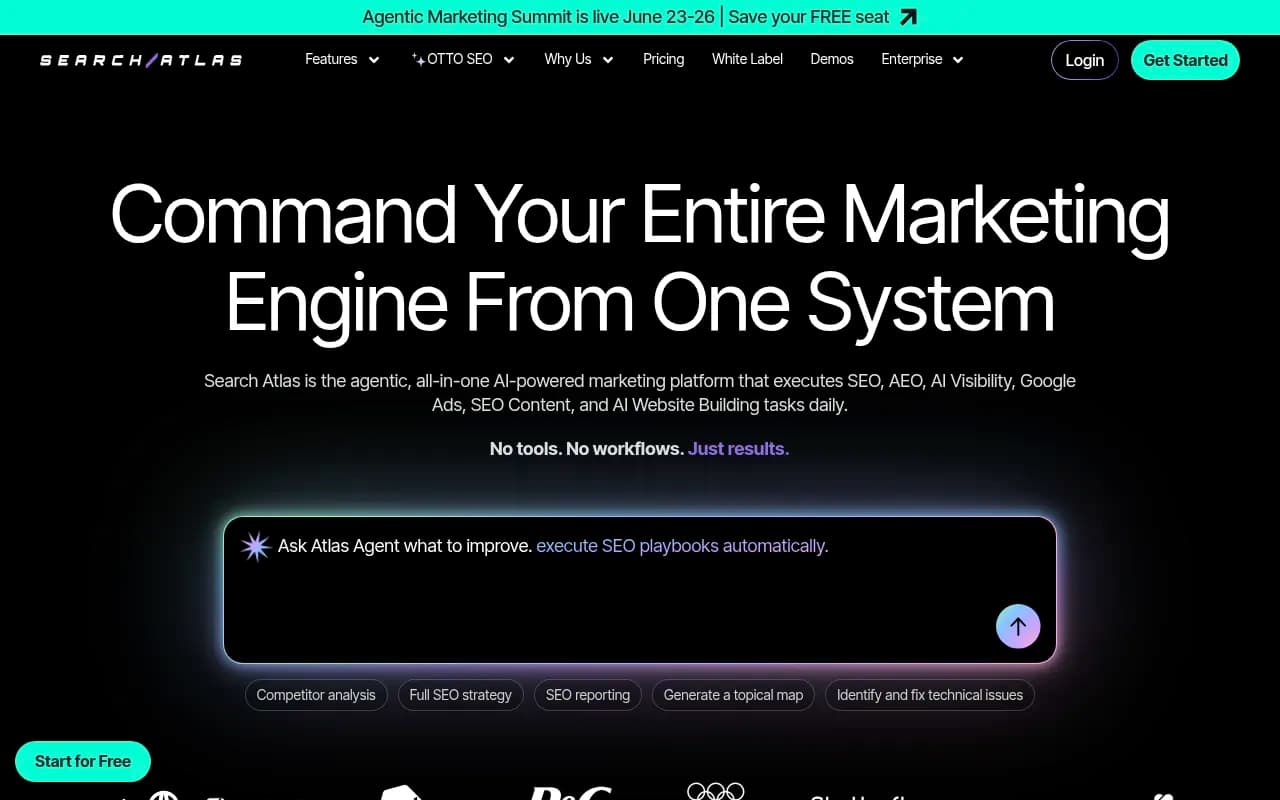
Search Atlas is a solid all-in-one option if you want to manage traditional SEO and AI visibility in the same platform.
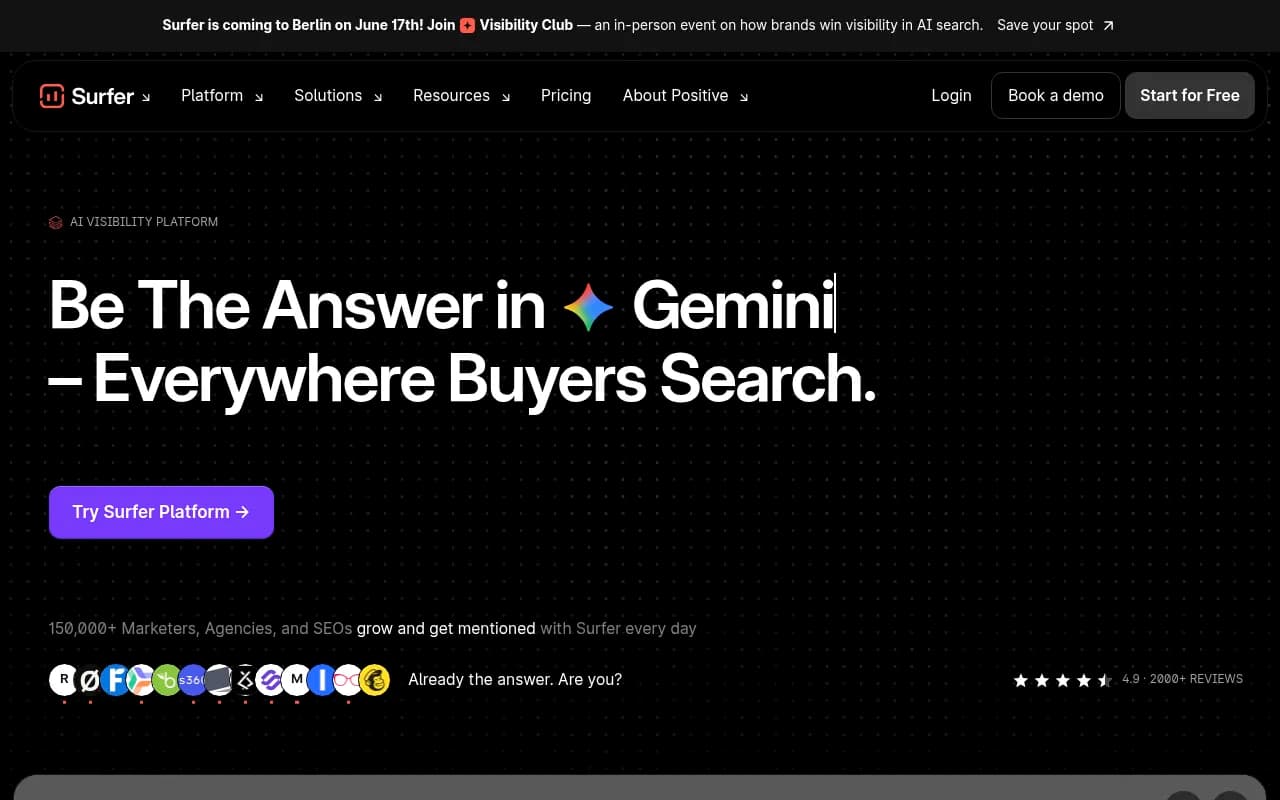
Surfer SEO is useful for content optimization -- making sure your pages are structured and comprehensive enough to compete.
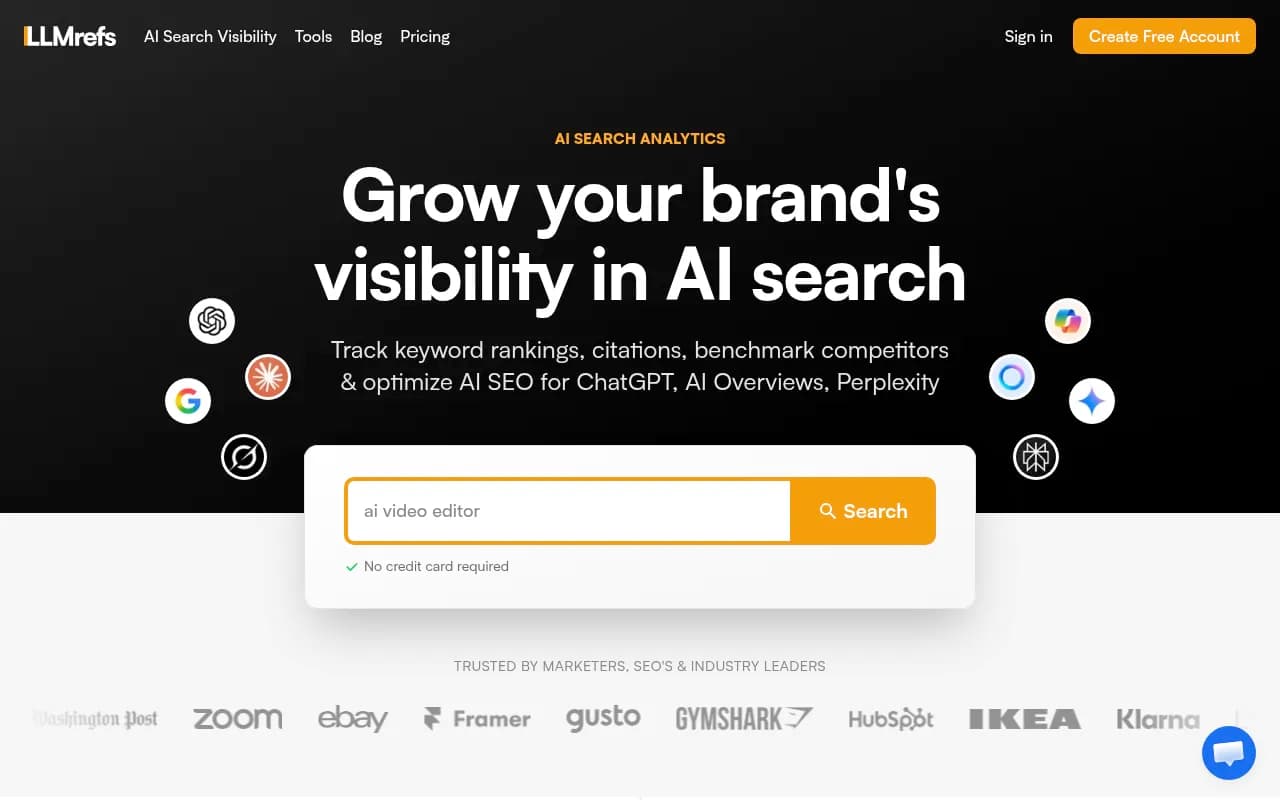
LLMrefs gives you query-level insights into how your content is being referenced in LLM outputs, which is useful for diagnosing why specific pages aren't getting cited.
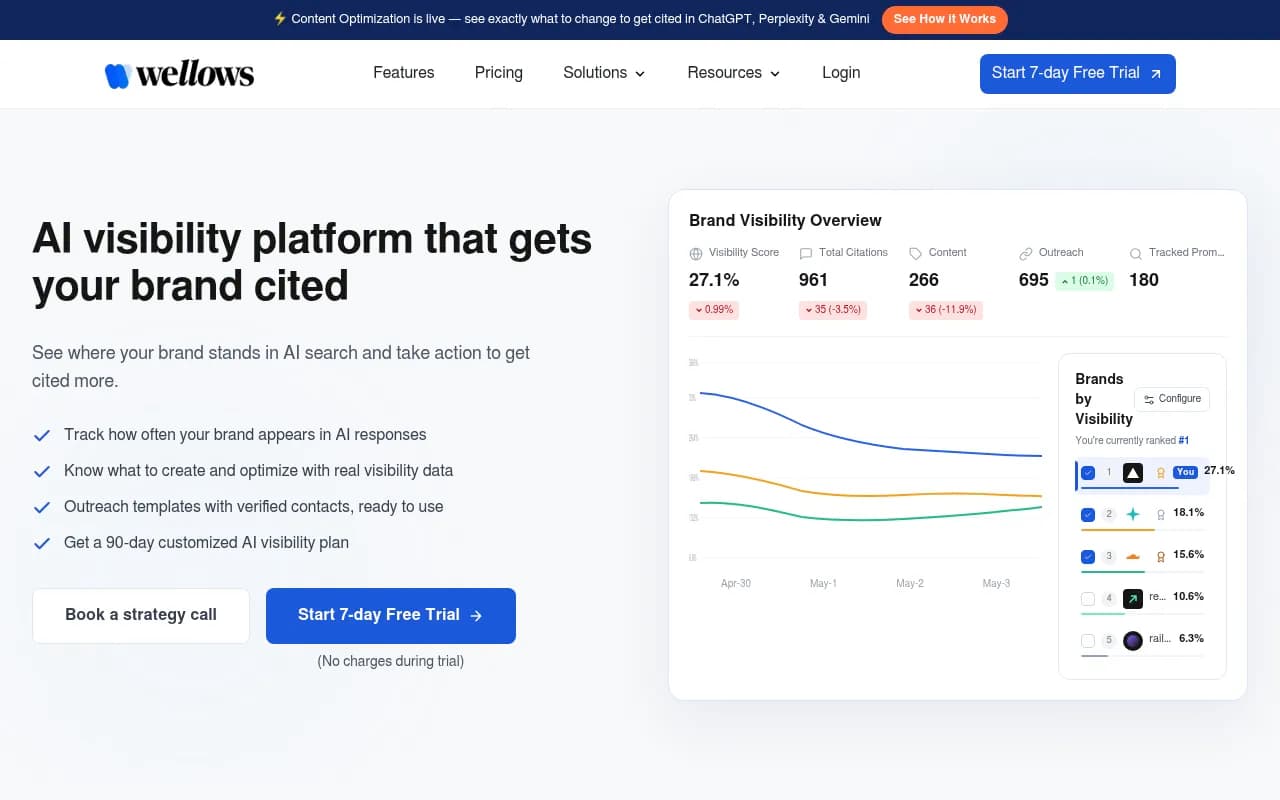
Wellows combines citation tracking with outreach tools, which is handy if you're actively trying to build third-party mentions.
The honest reality of GEO in 2026
GEO is not magic. Publishing a few well-structured articles won't make you the top recommendation in ChatGPT overnight. AI models take time to crawl, index, and start citing new content. The timeline from publish to citation can be weeks or months depending on your domain authority and how competitive your category is.
What GEO does reward is consistency and specificity. Brands that systematically close answer gaps, build credible external mentions, and track their visibility carefully will compound their position over time. Brands that ignore AI search entirely, or treat it as a checkbox exercise, will find themselves increasingly invisible to buyers who never open a traditional search engine.
The consideration set in AI search is small. Getting into it -- and staying there -- is the work.