Key takeaways
- Most GEO platforms launched as monitoring dashboards and most of them are still just monitoring dashboards. The gap between "we track your AI mentions" and "we help you get more AI mentions" has widened considerably in 2026.
- Promptwatch has made the biggest structural leap: it now closes the loop from gap detection to content generation to citation tracking, which none of the pure-monitoring tools do end-to-end.
- Profound remains the strongest choice for enterprise teams that need deep analytics and are willing to pay for them. Otterly.AI has improved its citation analysis and added an MCP integration that AI-native teams will find genuinely useful.
- Peec AI and AthenaHQ are solid trackers but haven't shipped major optimization features. Scrunch is interesting but inconsistent across markets.
- If you're evaluating these platforms right now, the single most important question to ask is: "After I see the data, what does this tool actually help me do?"
The GEO and AI visibility space has gone from a handful of niche trackers to a crowded market in roughly 18 months. Everyone has a dashboard. Everyone shows you a visibility score. The harder question is which platforms have actually shipped meaningful improvements since mid-2025, and which ones are coasting on early-mover advantage.
This is an honest attempt to answer that. I've been watching these platforms closely, and the differences are sharper now than they were a year ago.
The core problem with most GEO tools in 2026
Before getting into individual platforms, it's worth naming the pattern that keeps repeating. A tool launches with prompt tracking. It adds competitor monitoring. It adds a few more AI engines. It calls itself a "complete GEO platform." But when you actually sit down with it, the workflow ends at the data. You see that a competitor is getting cited for a prompt you're not. Then what?
That gap between insight and action is where most platforms are still stuck. The ones that have genuinely improved in the last 12 months are the ones that started building past the dashboard.
Platform-by-platform breakdown
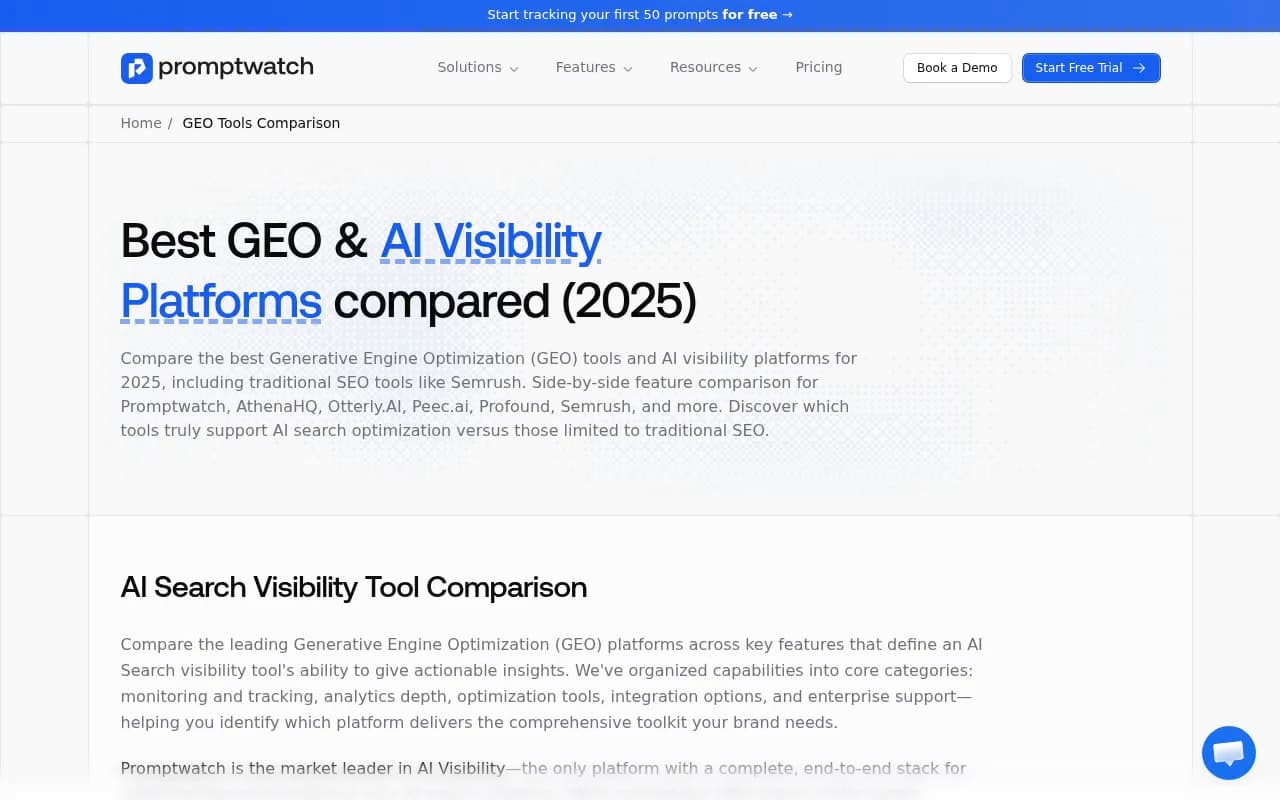
Promptwatch
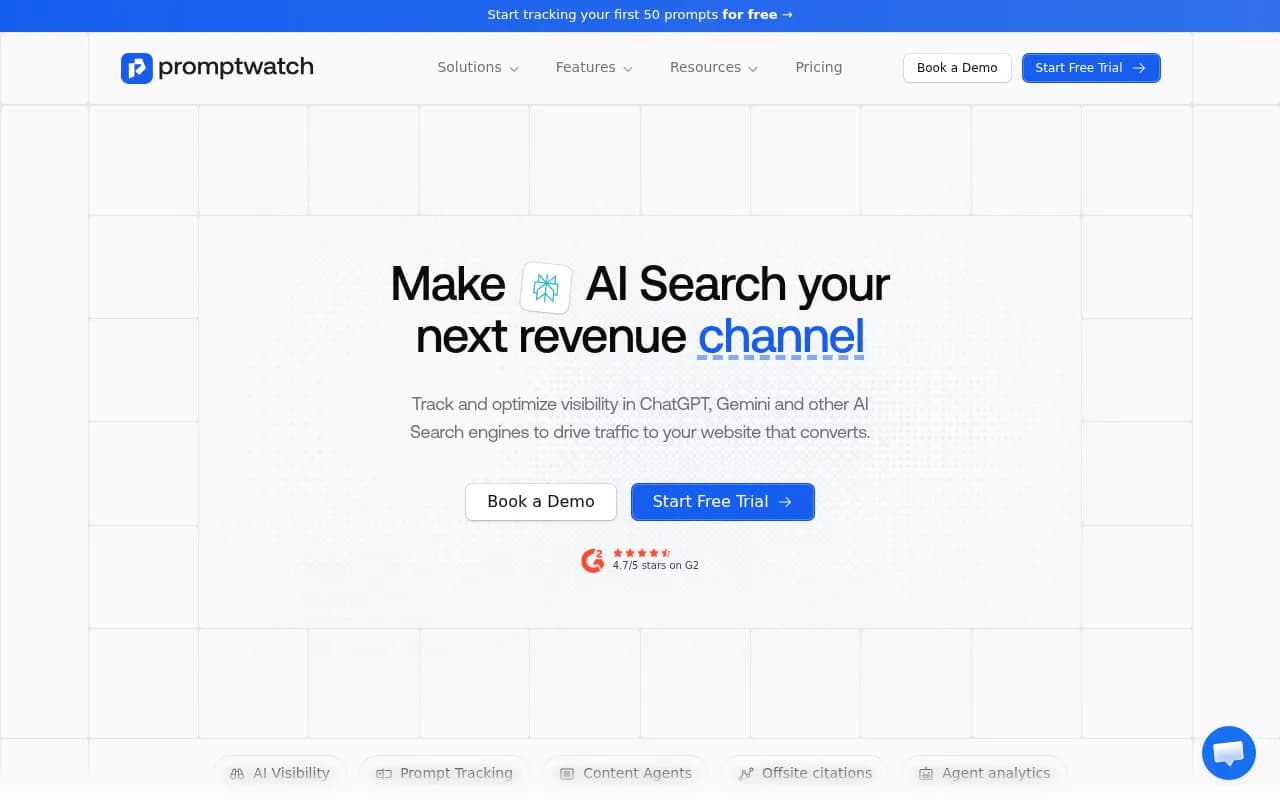
Promptwatch has made the most significant product progress of any platform on this list over the last year. Twelve months ago it was a strong tracker with good multi-engine coverage. Today it's the only platform in this comparison that runs a full cycle: find gaps, generate content, track results.
The Answer Gap Analysis is the part that matters most. It shows you exactly which prompts competitors are being cited for that you're not, and it ties that directly to what's missing on your site. That's not just a report -- it's a to-do list. The Content Agents then generate articles, comparisons, and briefs grounded in actual prompt data, citation volumes, and competitor analysis. Not generic AI writing. Content built around the specific gaps the tool just identified.
The crawler log feature (called Agent Analytics) is something most competitors simply don't have. You can see ChatGPT, Perplexity, Claude, and others actually hitting your pages -- which URLs they read, how often they return, and when a crawl converts into a citation. That's a fundamentally different level of transparency than a visibility score.
Pricing runs from $99/month (Essential, 1 site, 50 prompts) to $579/month (Business, 5 sites, 350 prompts), with agency and enterprise tiers available. There's a free trial.
What hasn't changed: the competitor benchmarking is listed as "limited" in some comparisons, and the citation analysis depth is still catching up to Profound at the enterprise end. But for most marketing and SEO teams, Promptwatch's action-oriented workflow is more useful than deeper analytics you can't act on.
Peec AI
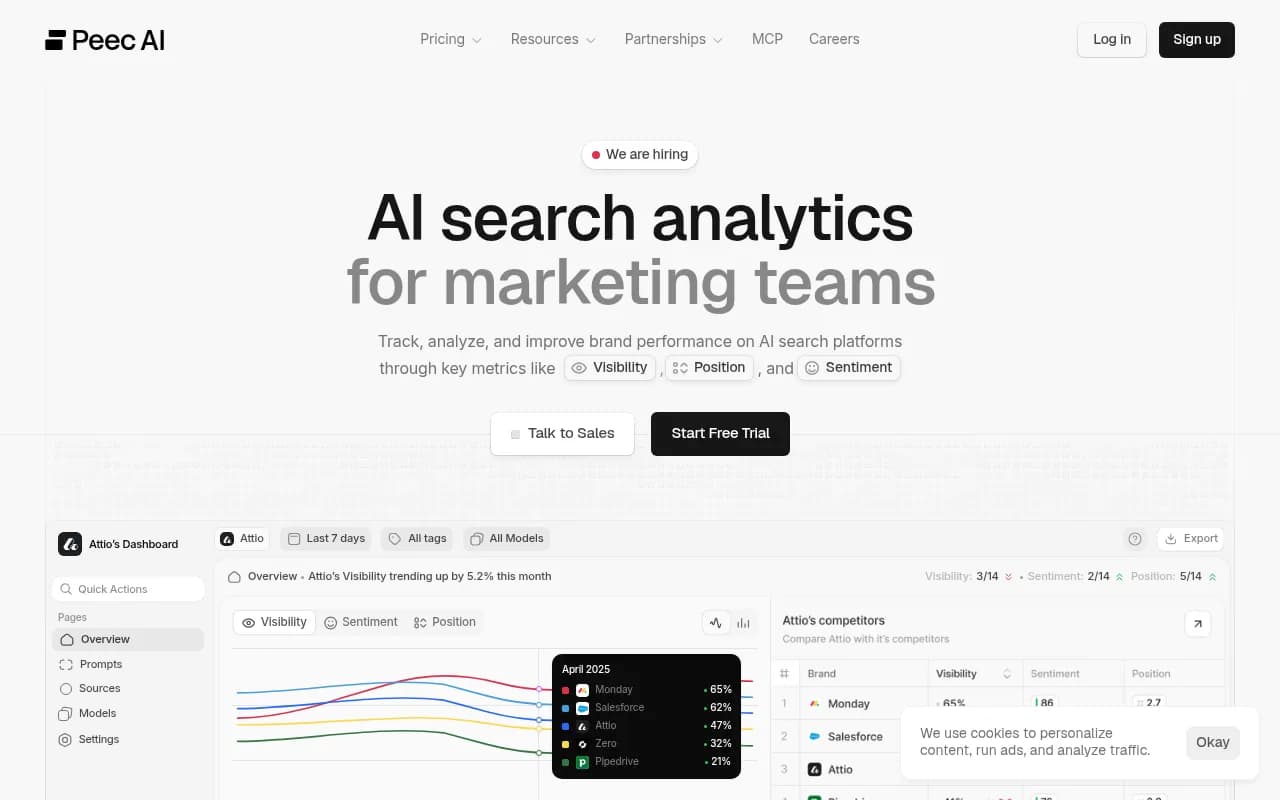
Peec AI launched as a clean, well-designed tracker and it's still a clean, well-designed tracker. The interface is genuinely good. Multi-engine coverage is solid. The prompt history and daily refresh cadence work reliably.
What hasn't happened is meaningful movement toward optimization. Peec AI shows you where you're visible and where you're not. It doesn't help you change the second category. In a market where the action gap is becoming the main differentiator, that's a real limitation.
Pricing is competitive: $95/month for the Starter plan (50 prompts, 3 AI models), $245/month for Pro (150 prompts, 2 projects), $495/month for Advanced (350 prompts, multi-country, GSC/GA/Looker integrations). The Advanced plan's integrations are a genuine plus for teams that want to pull data into existing reporting workflows.
The Reddit community around GEO tools has been fairly vocal about Peec AI's stagnation -- one thread specifically noted that "about 95% of all the tools (Profound, AthenaHQ, Otterly and many others) are basically the same" and that Peec fits that pattern. That's a bit harsh, but the underlying point is fair.
Best for: teams that want reliable tracking at a reasonable price and don't need the platform to help them create content.
Profound
Profound is the enterprise option and it's earned that position. The analytics depth is real -- engine comparison, citation analysis, competitor benchmarking, and visitor analytics are all genuinely strong. Crawler logs are available, which puts Profound in a small group of platforms that can show you what AI engines are actually doing on your site.
The price reflects all of this. Profound starts at $499/month, which is a significant jump from the other platforms here. For a large brand or agency managing multiple high-stakes clients, that's defensible. For a mid-market team, it's a harder sell when Promptwatch covers most of the same ground (and adds content generation) at a lower price point.
What Profound hasn't done in the last 12 months is close the action gap. The analytics are excellent. The optimization tools are not. You get very good data about where you stand; you don't get much help fixing it.
Best for: enterprise marketing teams and agencies that need boardroom-ready reporting and deep analytics, and have separate content workflows already in place.
Otterly.AI
Otterly.AI has had a genuinely good year. The citation analysis has improved, the multi-engine coverage is broad, and the MCP (Model Context Protocol) server integration is a real differentiator for teams that want to query their brand data from within AI workflows without switching tools. That's a smart move that most competitors haven't made.
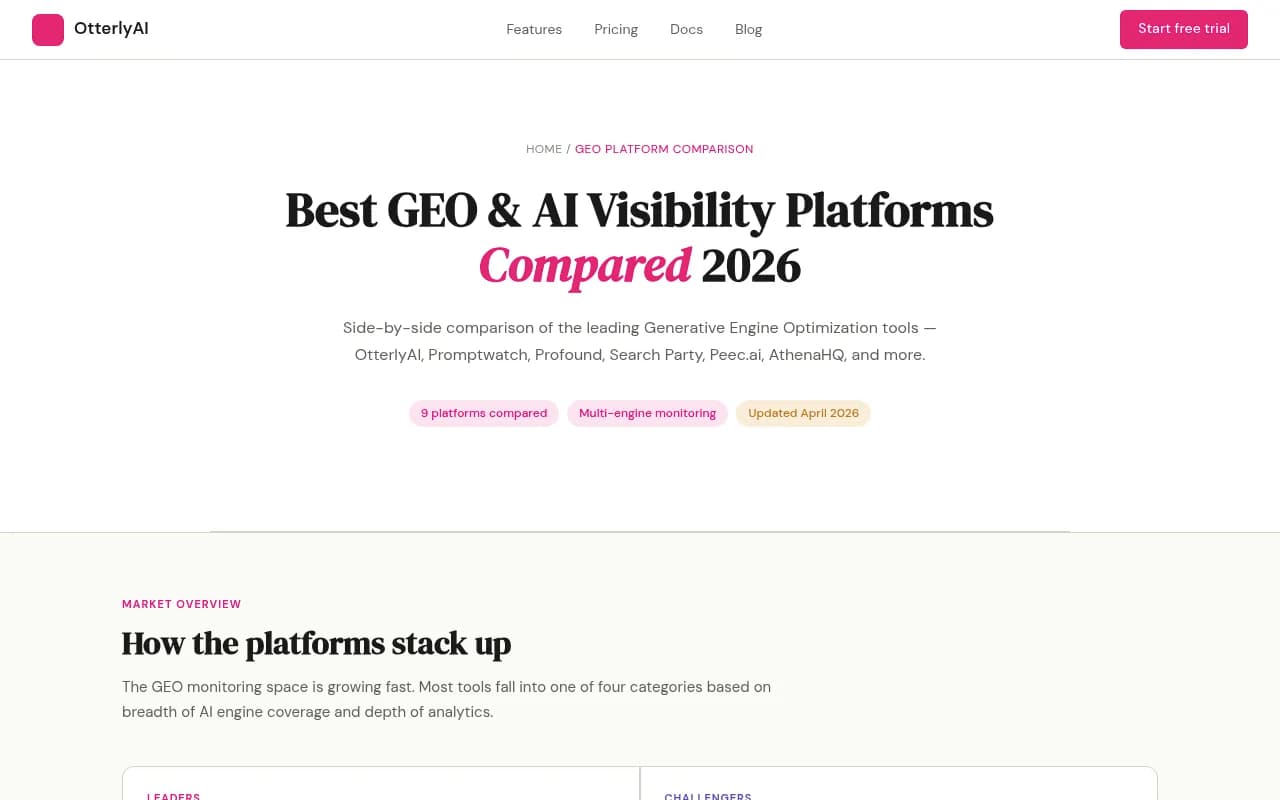
The comparison page Otterly published in April 2026 is... interesting. It positions itself as the "#1" platform above Promptwatch and Profound, which is a bold claim. The feature table there shows Otterly with crawler logs in "Beta" and visitor analytics as "Limited," which is honest at least.
Where Otterly still falls short is on the optimization side. The GEO content audit feature exists but the content generation workflow isn't as developed as Promptwatch's. For teams that primarily need monitoring and citation analysis, Otterly is a strong option at a price point that's easier to justify than Profound.
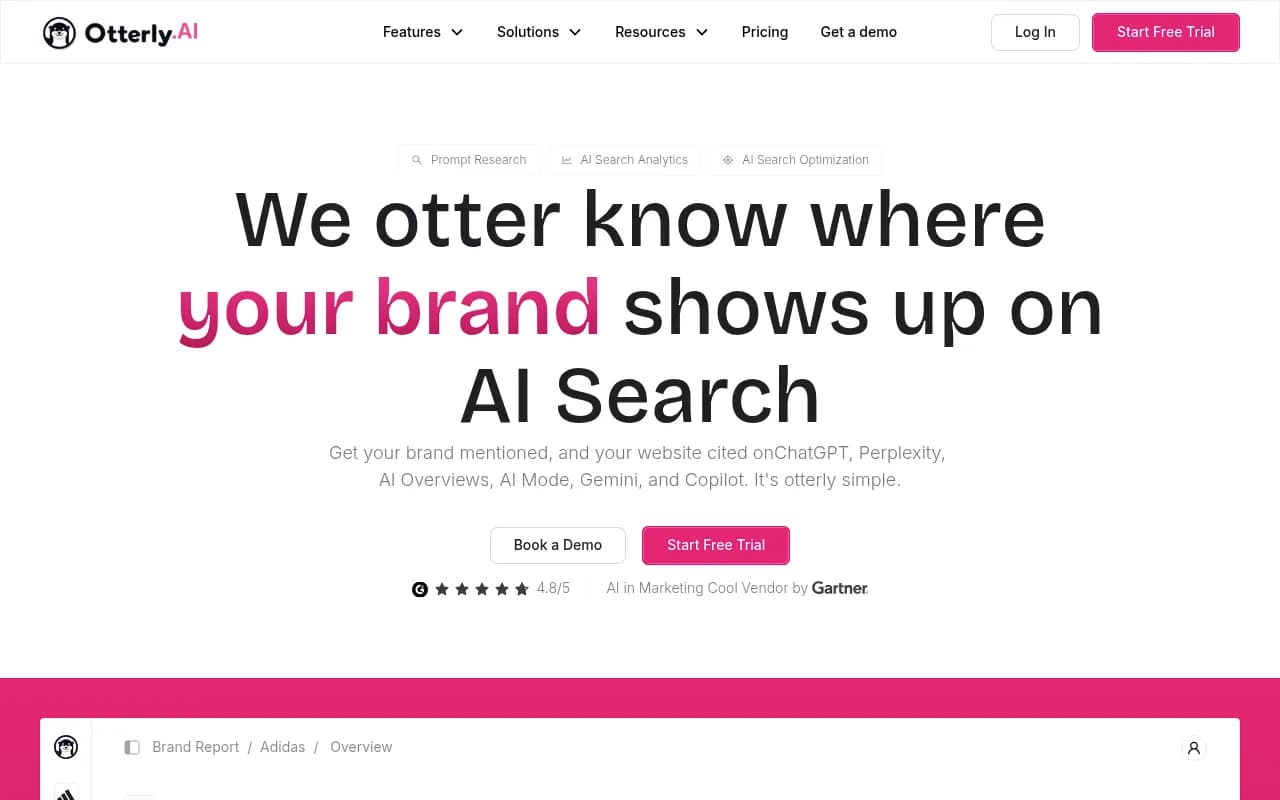
Best for: teams that want solid monitoring with good citation depth and are comfortable building their own content workflow on top of the data.
Scrunch
Scrunch is the most interesting platform on this list that most people aren't talking about enough. It has crawler logs, visitor analytics, and content generation -- which means it's at least attempting the full stack that Promptwatch has built. The feature set on paper is impressive.
The practical reality is more mixed. Scrunch's coverage and reliability vary more than the other platforms, and the content generation feels less integrated into the monitoring workflow. It's more like two separate products that happen to be in the same interface.
That said, Scrunch has made real progress in the last 12 months and is worth evaluating if you're looking for an alternative to Promptwatch's approach. The pricing is also competitive for what it offers.
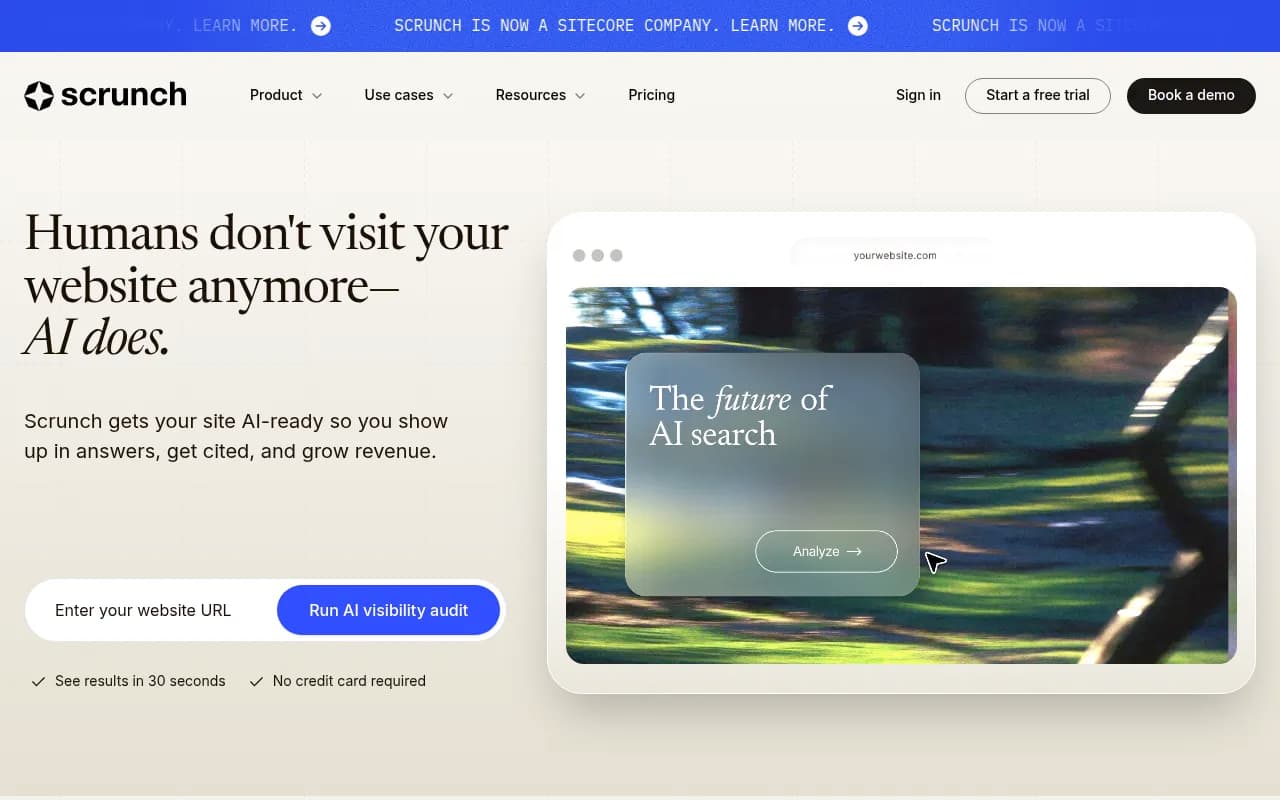
Best for: teams willing to work with a platform that's still maturing in exchange for a broader feature set at a reasonable price.
AthenaHQ
AthenaHQ has a clear technical SEO focus, and within that focus it does solid work. The prompt tracking, citation analysis, and competitor benchmarking are all competent. The platform has been described as "monitoring-focused" in most independent comparisons, which is accurate.
What AthenaHQ hasn't shipped is content optimization or generation capabilities. The API access is available, which gives technical teams some flexibility. But the core product is still a monitoring dashboard, and it hasn't moved meaningfully toward the action side of the workflow in the last year.
It's also worth noting that AthenaHQ's own comparison pages (like their AthenaHQ vs Peec AI page) lean heavily on "autonomous agents" language without being entirely clear about what those agents actually do in practice. Worth probing in a demo.

Best for: technical SEO teams that want structured monitoring data and will build their own optimization workflow.
Side-by-side comparison
Here's how the six platforms stack up across the features that actually matter in 2026:
| Feature | Promptwatch | Peec AI | Profound | Otterly.AI | Scrunch | AthenaHQ |
|---|---|---|---|---|---|---|
| Prompt tracking | Yes | Yes | Yes | Yes | Yes | Yes |
| Citation tracking | Yes | Yes | Yes | Yes | Yes | Yes |
| Multi-engine coverage | 10 models | 3+ models | Yes | Yes | Yes | Yes |
| Competitor monitoring | Yes | Yes | Yes | Yes | Yes | Yes |
| Crawler / agent logs | Yes (Pro+) | No | Yes | Beta | Yes | No |
| Visitor analytics | Limited | No | Yes | Limited | Yes | No |
| Answer gap analysis | Yes | No | Partial | No | No | No |
| Content generation | Yes | No | No | No | Partial | No |
| Reddit / YouTube tracking | Yes | No | No | No | No | No |
| ChatGPT Shopping tracking | Yes | No | No | No | No | No |
| MCP integration | No | No | No | Yes | No | No |
| Starting price | $99/mo | $95/mo | $499/mo | ~$99/mo | Custom | Custom |
| Free trial | Yes | Yes | Yes | Yes | Varies | Varies |
Which platforms have actually improved?
This is the honest answer based on what shipped in the last 12 months:
Promptwatch: most improved. The Content Agents, Answer Gap Analysis, and Agent Analytics are all features that didn't exist or were much more limited a year ago. The platform has moved from "good tracker" to "end-to-end GEO workflow" in a meaningful way.
Otterly.AI: meaningfully improved. The MCP integration is genuinely new and useful. Citation analysis depth has improved. It's still monitoring-first, but it's better monitoring than it was.
Profound: incrementally improved. The analytics were already strong. They've gotten more refined. No major new capability categories.
Scrunch: improved but inconsistently. More features than a year ago, but the execution is still catching up to the roadmap.
Peec AI: largely unchanged. The core product works well. Not much has shipped beyond incremental refinements.
AthenaHQ: largely unchanged. Solid monitoring, same limitations as before.
How to choose
The right platform depends on what you actually need after you see the data.
If your team has a content workflow and just needs reliable tracking data to inform it, Peec AI or Otterly.AI are reasonable choices at accessible price points. If you need enterprise-grade analytics and have the budget, Profound is the most thorough option.
If you want a platform that doesn't just show you the problem but helps you fix it -- gap analysis, content generation, crawler transparency, traffic attribution -- Promptwatch is the only one on this list that does all of that in a single workflow. That's not a small distinction. Most teams don't have unlimited time to translate monitoring data into content briefs into published articles. A platform that connects those steps saves real work.
The question worth asking in any demo: "Show me what happens after I find a gap." If the answer is a report you export and take somewhere else, that's a monitoring tool. If the answer is a content brief or a generated article grounded in the gap data, that's an optimization platform.
Other tools worth knowing about
The six platforms above aren't the only options. A few others worth a look depending on your situation:
Search Party is agency-focused with solid tracking and good client reporting. Less strong on prompt metrics and content gap analysis.
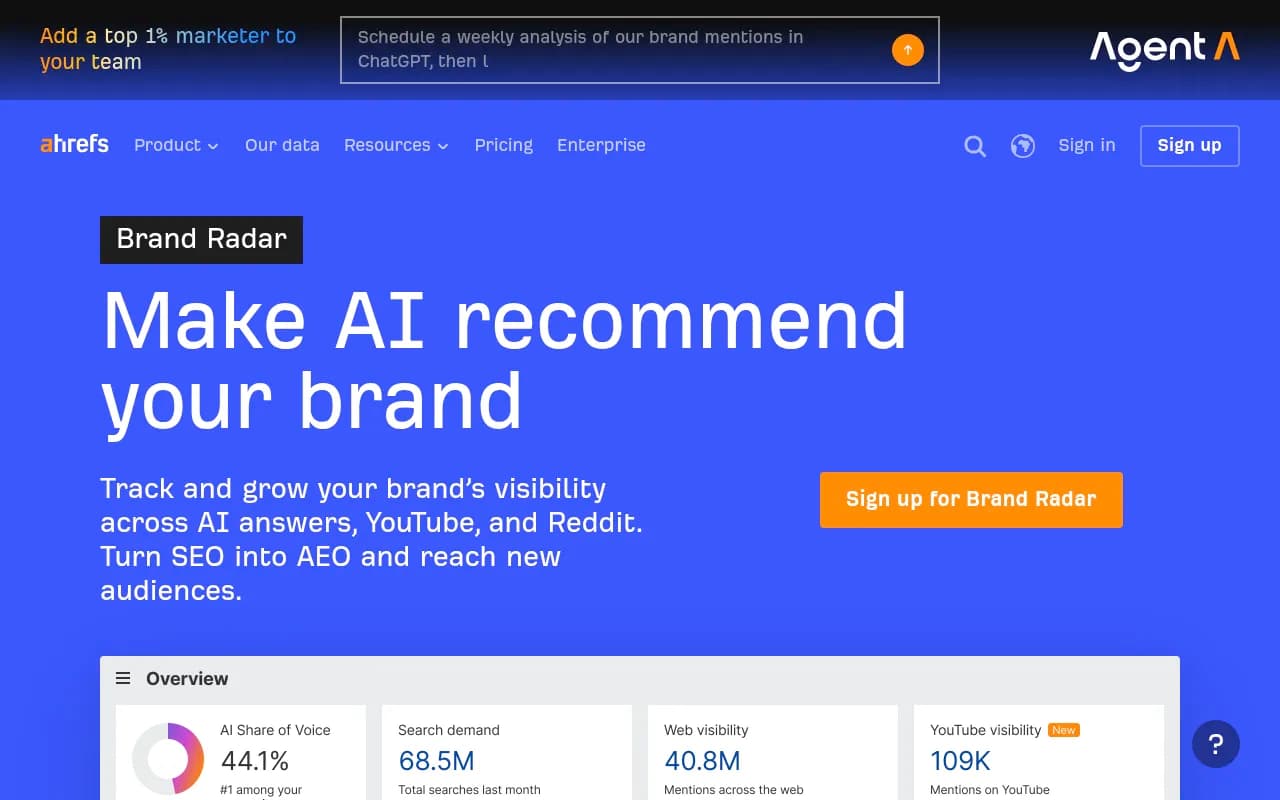
Semrush and Ahrefs Brand Radar are worth mentioning for teams already in those ecosystems. Both have added AI visibility features, but Semrush uses fixed prompts and Ahrefs Brand Radar has fixed prompts with no AI traffic attribution. They're add-ons to traditional SEO tools, not purpose-built GEO platforms.
SE Ranking has been building out AI visibility features and is worth evaluating for teams that want a broader SEO platform with GEO capabilities included.
Bottom line
The GEO monitoring space in 2026 is not short of options. What it's short of is platforms that do something useful with the data they collect. Most tools will show you a visibility score and a list of prompts where competitors outrank you. Fewer will tell you exactly what content is missing. Almost none will help you create it and then track whether it worked.
That gap is where the real differentiation is happening, and it's widening. The platforms that have invested in the full workflow are pulling ahead. The ones that haven't are starting to look like expensive dashboards.