Key takeaways
- Enterprise AI deployment spend reached $177B by September 2026, up from $33B a year earlier, according to Menlo Ventures. Brands are being answered by AI at a scale that makes visibility a budget line, not an experiment.
- The vendor market is consolidating. Adobe closed its Semrush acquisition on April 28, 2026, and Sitecore announced it was buying Scrunch on June 3, 2026. Profound and Peec AI remain independent.
- Pricing is splitting in two. Self-serve entry plans run from about $29 to $300 a month, while enterprise tiers are custom or reach roughly $25K a month.
- ChatGPT, AI Overviews and Perplexity cite very different sources, so a platform that only samples one engine will mislead you.
- Monitoring alone is no longer enough. The platforms worth paying for connect tracking to crawler data, traffic and content execution.
Why enterprise AI visibility is a budget conversation now
Two years ago, AI visibility was something a curious SEO ran in a spreadsheet. In November 2026 it has procurement attached to it.
The backdrop is large. Menlo Ventures' fourth annual State of Enterprise AI report, published November 3, 2026, estimates enterprise AI deployment spend at $177B, up 5.4x from $33B a year ago. Frontier labs capture 69% of deployment dollars, and Anthropic's share of enterprise API spend rose from 40% to 55%. That is a lot of buyers, employees and agents asking AI systems for recommendations, and brands now have to care what those systems say.
Deloitte's State of AI in the Enterprise adds a useful reality check. 81% of surveyed leaders say AI improved speed of decision-making, but only 25% are deeply transforming the business. And 71% track total AI inference and API spend while only 44% track per-unit cost. I read that as a pattern you will recognize in AI visibility too: companies can see the headline number (a visibility score) but not what sits underneath it.
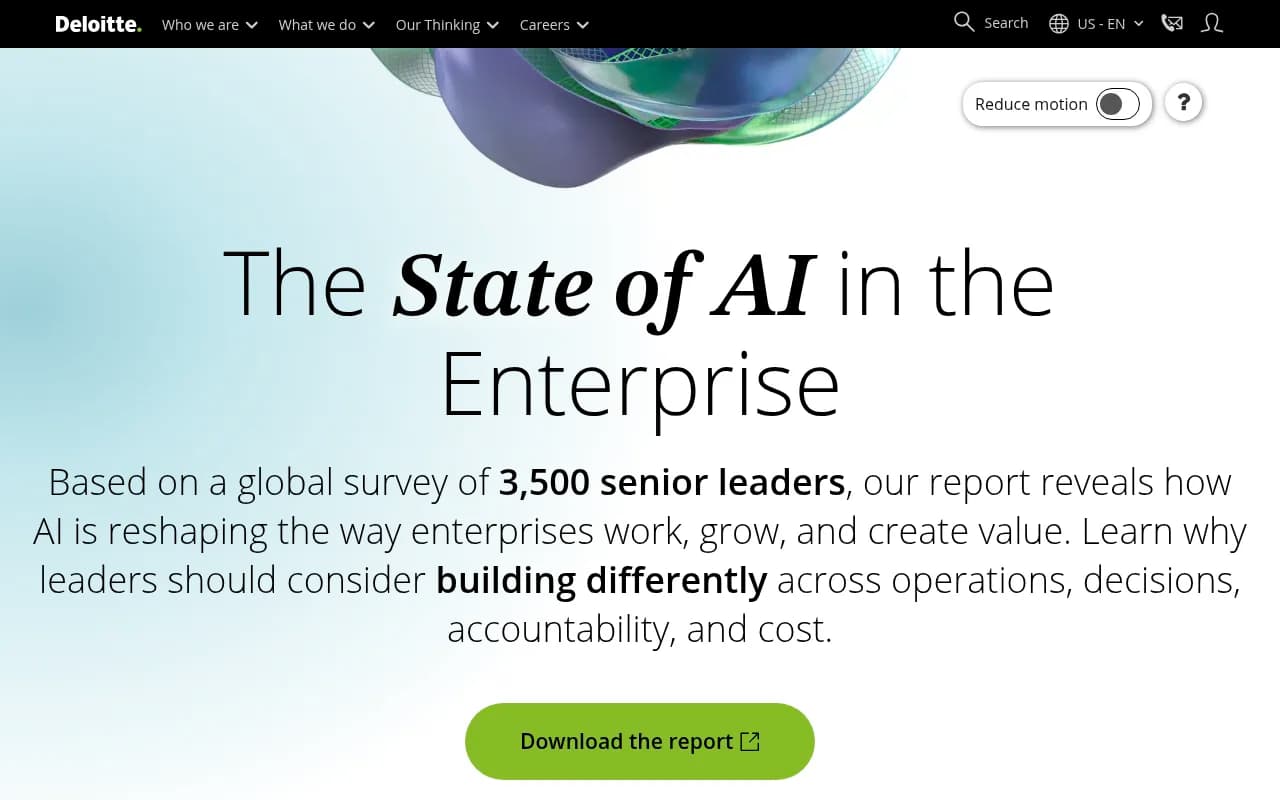
One caution on scope. Menlo and Deloitte measure how enterprises buy and use AI. They do not measure how AI describes your brand to outsiders. For that, you need citation-level data, covered next.
What AI engines actually cite in late 2026
Before comparing platforms, it helps to know what they are measuring. Promptwatch Data, collected from the real interfaces of ChatGPT, Gemini, Perplexity, Claude and AI Overviews, gives a clear picture for the week of September 28 to October 4, 2026.
Product and landing pages dominate ChatGPT
In Promptwatch's content type report, product pages were the most cited type at 22.4% of classified ChatGPT citations, with landing pages at 16.8%. That means roughly 39% of citations go to pages describing what a company sells. Listicles took 13.6%, documentation 7.5% and how-tos 8.7%.
For commercial prompts the skew is stronger: product pages 26.0%, landing pages 20.6%, listicles 15.0% and comparisons 7.9%. Those four types make up almost 70% of commercial citations. If you sell something, your own pages are your biggest lever.
Social citations split by engine
The October 2026 social citations report shows how differently engines behave. ChatGPT got just 0.46% of its citations from social platforms, while Google AI Overviews got 12.2%, about 26 times as much. In AI Overviews, YouTube led at 4.28%, followed by Facebook at 2.38% and Reddit at 2.15%. Perplexity sat at 2.7%.
The backstory matters: reddit.com's share of ChatGPT citations collapsed from roughly 4% to 0.5% on August 14, 2026. Any strategy built on ChatGPT-via-Reddit stopped working overnight, and any tool that averaged engines together hid that.
Crawler traffic is shifting
Promptwatch's AI crawler traffic data shows OpenAI at 79.8% of IP-verified AI crawler requests in the week of August 31 to September 6, 2026, down from 94.8% in early June. Meanwhile Meta-WebIndexer rose from about 2% to nearly 38% of tracked crawler requests between mid-July and August 9. If a provider is a big share of the market but near zero in your logs, you are probably blocked.
The practical upshot: any enterprise evaluation should ask which engines a platform samples, how often, and whether it can see crawler behavior at all.
Market structure: who owns what
The ownership map changed more in the last twelve months than in the previous three years.
| Vendor | Status in November 2026 | Event |
|---|---|---|
| Semrush | Owned by Adobe | Acquisition completed April 28, 2026, about $1.9B at $12.00 per share |
| Scrunch | Being acquired by Sitecore | Announced June 3, 2026, price undisclosed; brand dropped "AI" and uses scrunch.com |
| Profound | Independent | $96M Series C at a $1B valuation, February 24, 2026 |
| Peec AI | Independent | $21M Series A led by Singular, November 18, 2025 |
| Daydream | Independent | $15M Series A announced October 2026 |
Those acquisition and funding details come from a third-party roundup that cites Adobe's newsroom, so confirm anything contract-relevant with the vendors directly.
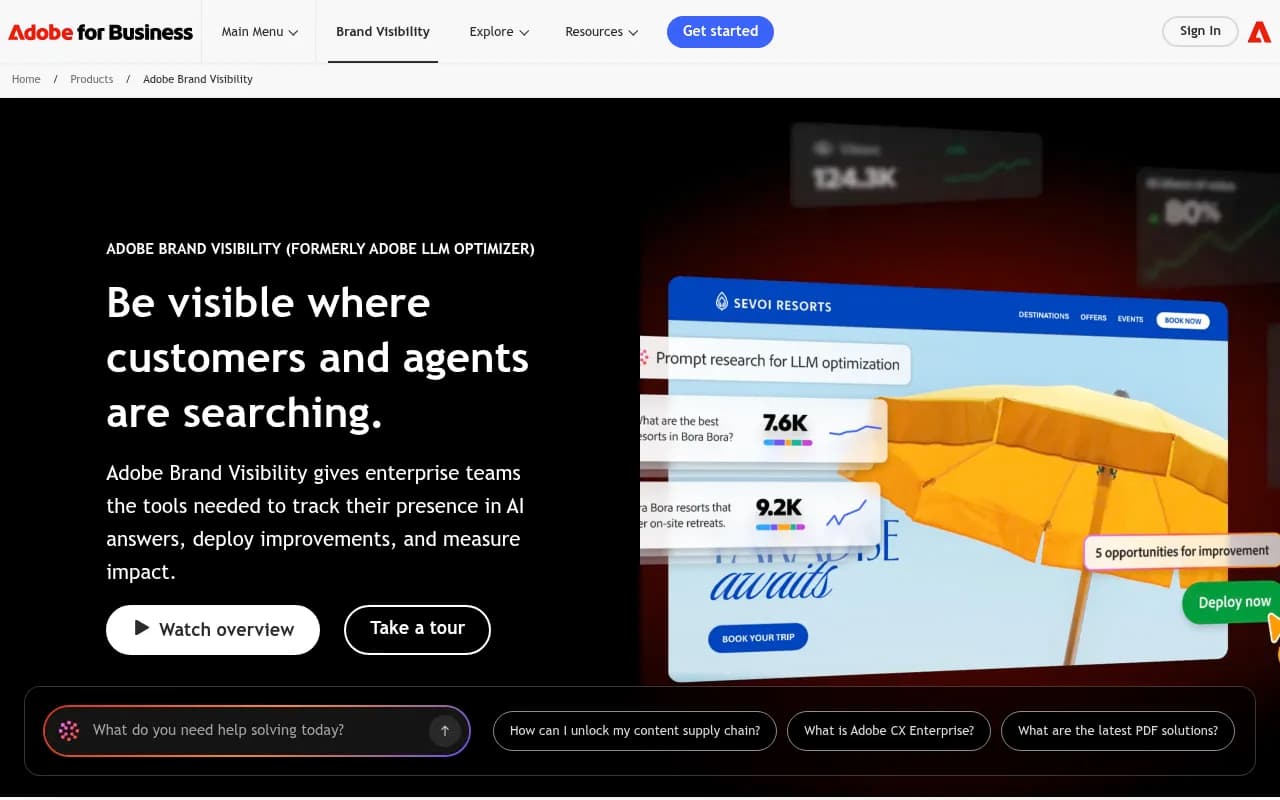
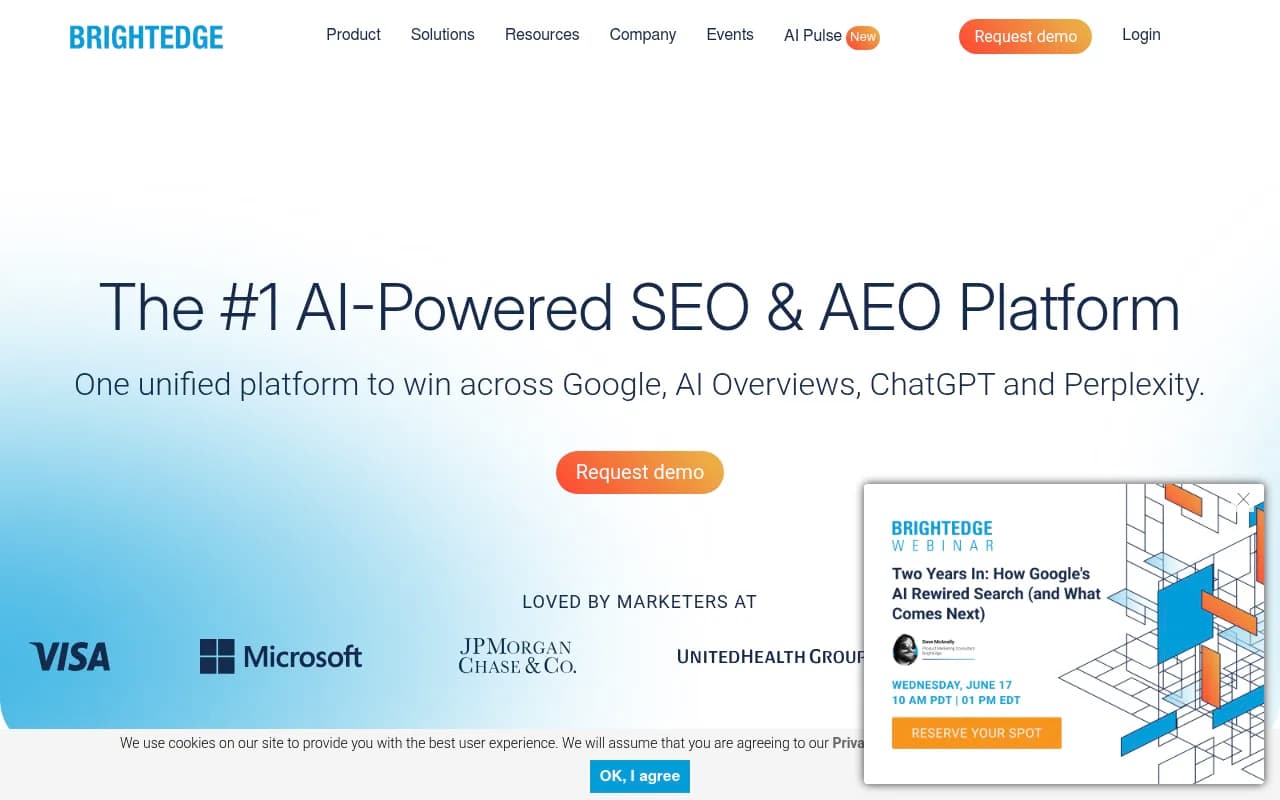
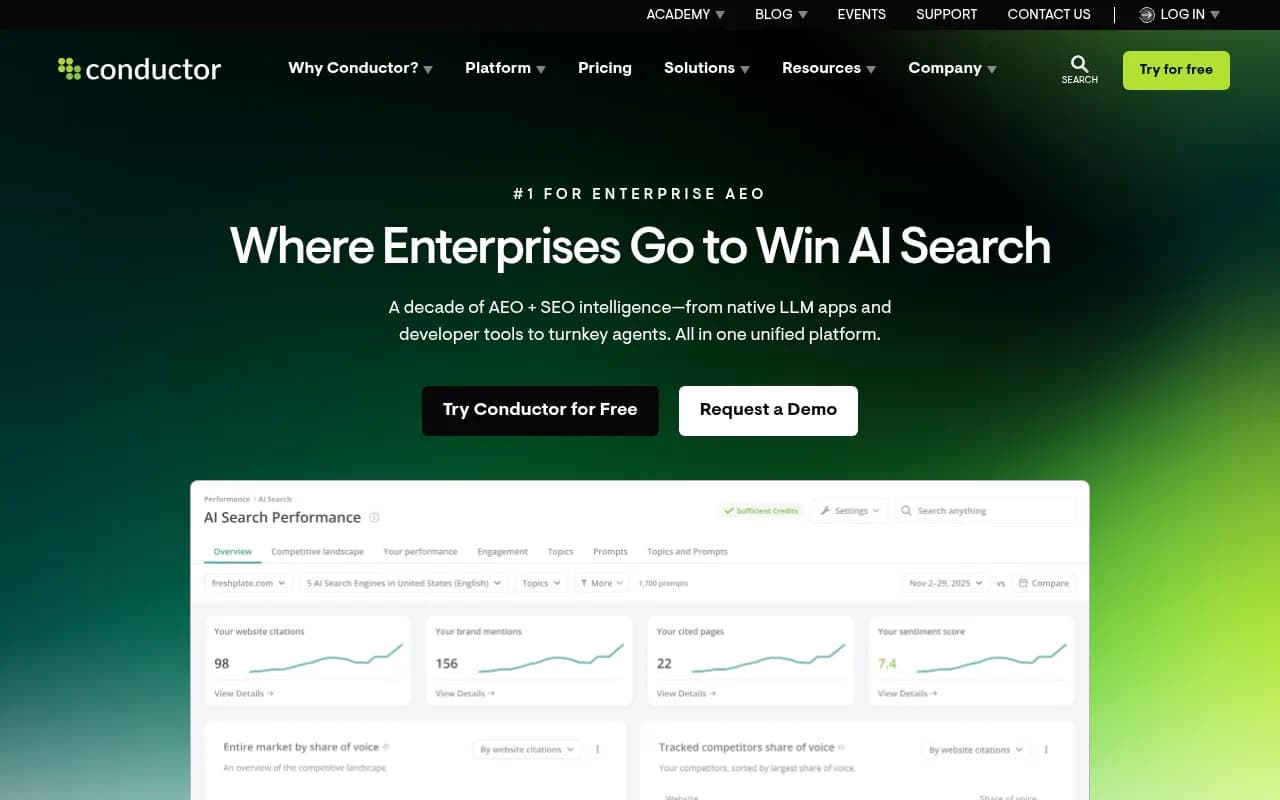
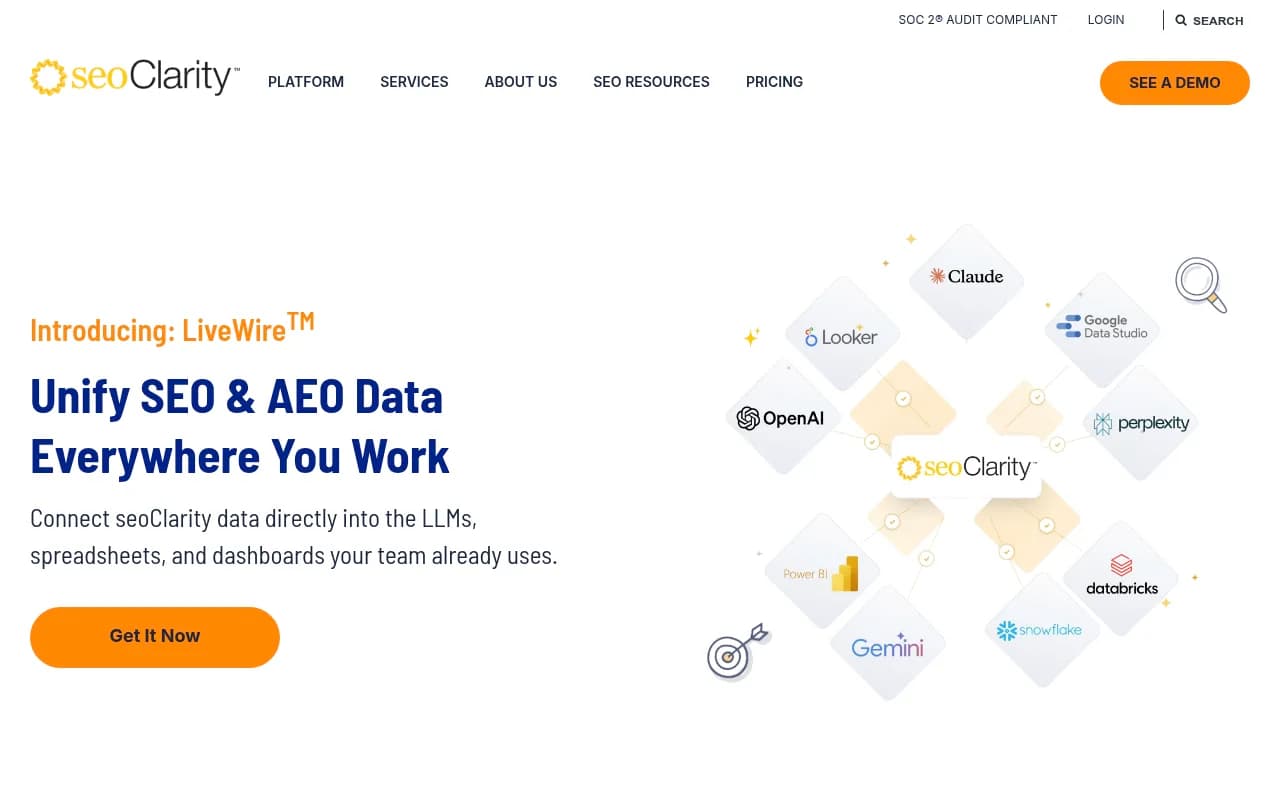
What does this mean for buyers? Two things. First, suite vendors now see AI visibility as a feature to bundle into marketing clouds: Adobe has its own Adobe LLM Optimizer inside Experience Cloud, and BrightEdge, Conductor and seoClarity have all added AI modules.
Second, after an acquisition you should ask whether the standalone product stays self-serve and priced separately from the parent suite. Sometimes it does. Sometimes it quietly doesn't.
Pricing snapshot, November 2026
Aggregators disagree on several figures, and plans move monthly. Treat the table below as a map, and confirm against vendor pricing pages before budgeting.
| Platform | Entry price | Notes |
|---|---|---|
| Otterly.AI | $29/mo Lite; $189 Standard; $489 Premium | Budget monitoring; reportedly no Gemini or AI Mode tracking |
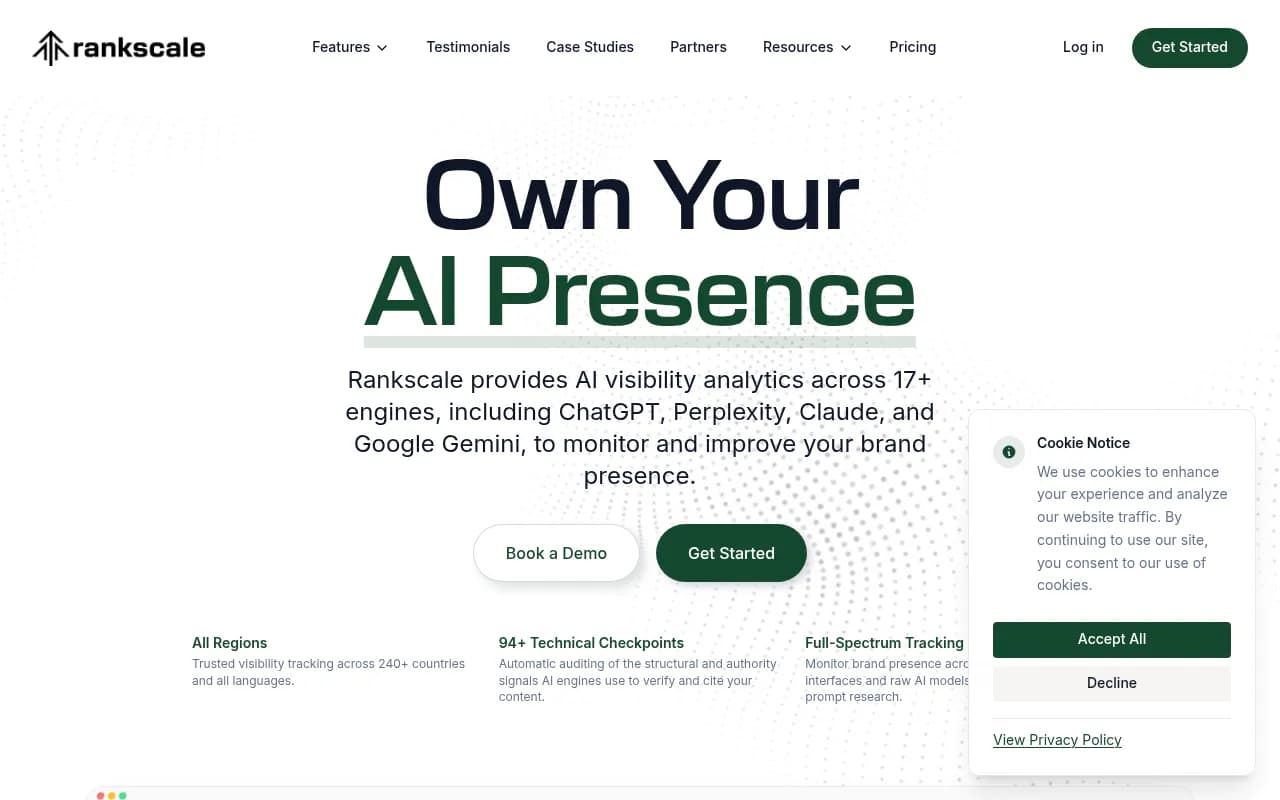
| Rankscale | From $20/mo | 17+ engines; Pro $99 |
| Evertune | From $60/mo | Samples prompts many times per model |
| Semrush AI Visibility Toolkit | $99/mo per domain | 25 prompts; Semrush One from $199/mo |
| Peec AI | $95/mo Starter; $245 Pro; $495 Advanced | 50, 150 and 350 prompts; enterprise custom |
| Scrunch | About $250/mo annual, $300 monthly | Sources conflict on prompt count (125 vs 350) |
| AthenaHQ | $295/mo | Starter tier |
| Goodie AI | $295/mo | 110 prompts, revenue attribution |
| Promptwatch | $95 Essential; $245 Professional; $579 Business | Agency plans $199, $399, $799; Enterprise custom |
| Profound | Custom Enterprise, free 7-day trial | Public $99 Starter removed October 2026; older $99 or $399 figures are stale |
| Brandlight | Enterprise tiers up to about $25K/mo | Service-heavy model |
| Conductor | Sales-led | All tiers custom |
Three patterns stand out.
Entry prices are falling. You can start tracking for under $100 a month, which was not true for credible tools a year ago.
Enterprise ceilings are rising. Profound is demo-gated, Brandlight can reach $25K a month, and Semrush moved its top Semrush One tier to custom pricing. One third-party analyst reads Profound's removal of its Starter plan as consolidation. I would call it a bet that the serious money is in enterprise contracts.
The middle is where the confusion lives. Cost per prompt per engine per day ranged from about $0.01 (Otterly) to $0.066 (Profound's old Starter) in one September 2026 comparison. Cheap per prompt does not matter if the plan covers three engines and your buyers use six.
A note on exact figures
Promptwatch's own plans, for reference: Essential $95 per month (50 prompts), Professional $245 (150 prompts), and Business $579 (350 prompts, the first tier with the Content Agent, hourly tracking options and local targeting). Annual billing gives 12 months for the price of 10. Confirm current numbers at promptwatch.com/pricing.
The platforms worth knowing, grouped by what they do
The tools catalog on this site lists well over a hundred AI visibility products, which is itself a symptom of a market about to shrink. It helps to sort them by job instead of by name.
End-to-end platforms that act, not just report
The split that matters in 2026 is between trackers and platforms. A tracker answers "was my brand mentioned?" A platform answers "what do I do about it, and did it work?"
Promptwatch sits in the second group. It monitors the real interfaces of ChatGPT, Gemini, Perplexity, Claude, Copilot, AI Overviews and AI Mode, then traces citations back to pages, reads IP-verified AI crawler logs, and ties visitors and conversions to AI referrals. On the action side, the Action Board prioritizes gaps and the Content Agent writes and publishes to WordPress, Webflow or Framer. It is ISO/IEC 27001 certified, which tends to matter in enterprise security reviews. The Promptwatch vs Profound page covers the head-to-head detail.

Profound is the best-known enterprise-first competitor, with deep monitoring, up to 10 engines, ChatGPT Shopping, SSO and SOC 2 on the enterprise tier. The tradeoff is demo-gated, custom pricing.

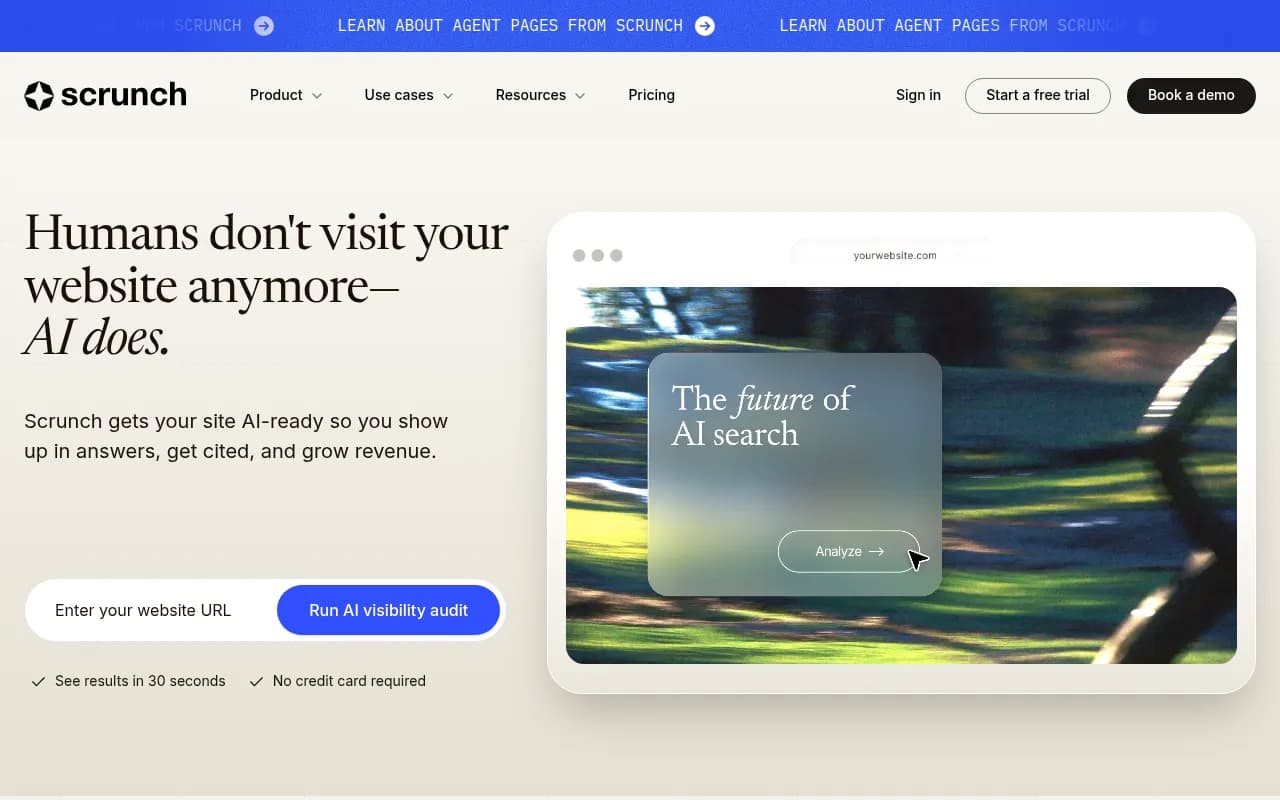
Scrunch pairs monitoring with agent-ready pages for your site. Its pending move into Sitecore is worth watching if you are not a Sitecore shop.
Brandlight positions itself as an enterprise operating system with a more hands-on service model.

Bluefish targets enterprise marketing and agentic commerce.

Suite add-ons from SEO vendors
If your team already lives in one platform, the AI module is the low-friction option. Semrush (now Adobe-owned), Ahrefs Brand Radar, BrightEdge, Conductor, seoClarity, HubSpot and SE Ranking all fit here. The compromise is usually fixed prompt sets and shallower AI-specific data, with no crawler logs.

Focused monitors for smaller budgets
Peec AI, Otterly.AI, AthenaHQ, Rankscale and Evertune cover monitoring at lower price points. They are good for establishing a baseline. They are weaker if you need crawler diagnostics, traffic attribution or content production in the same workflow.




Specialists
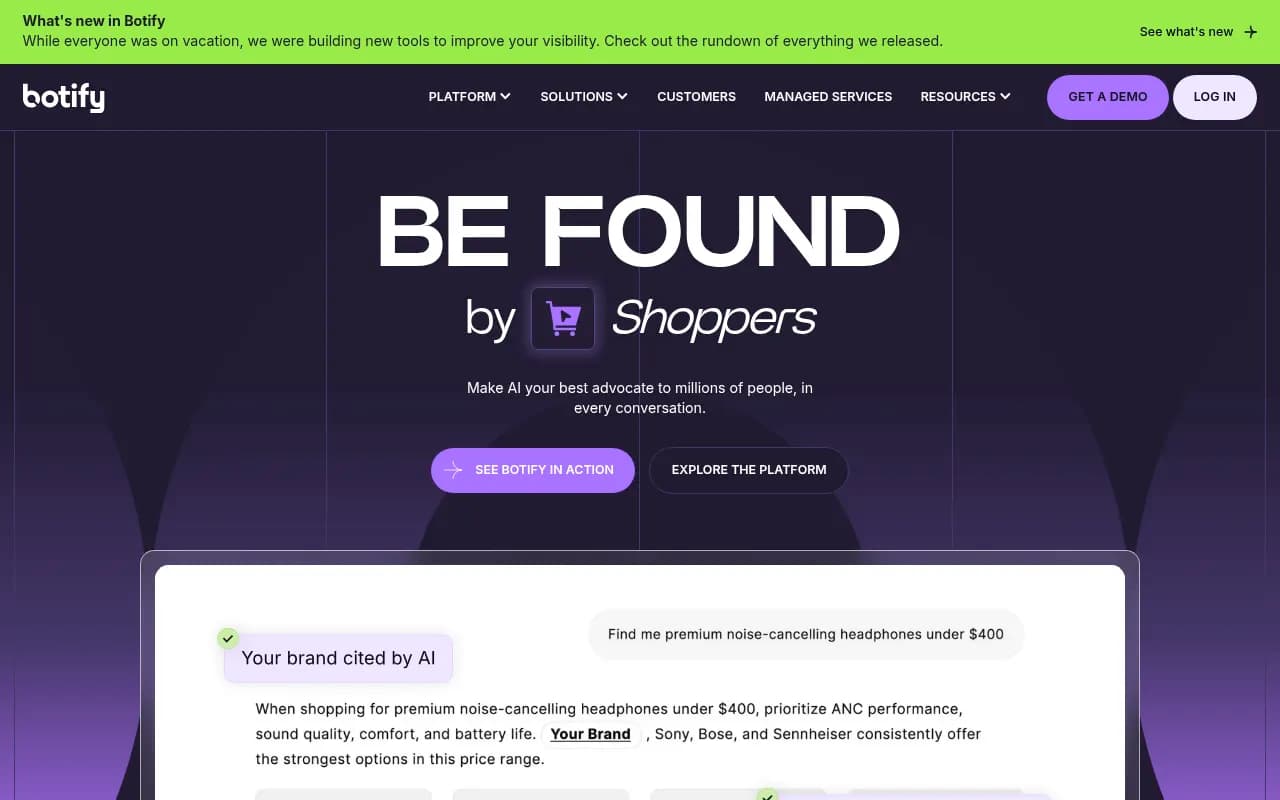
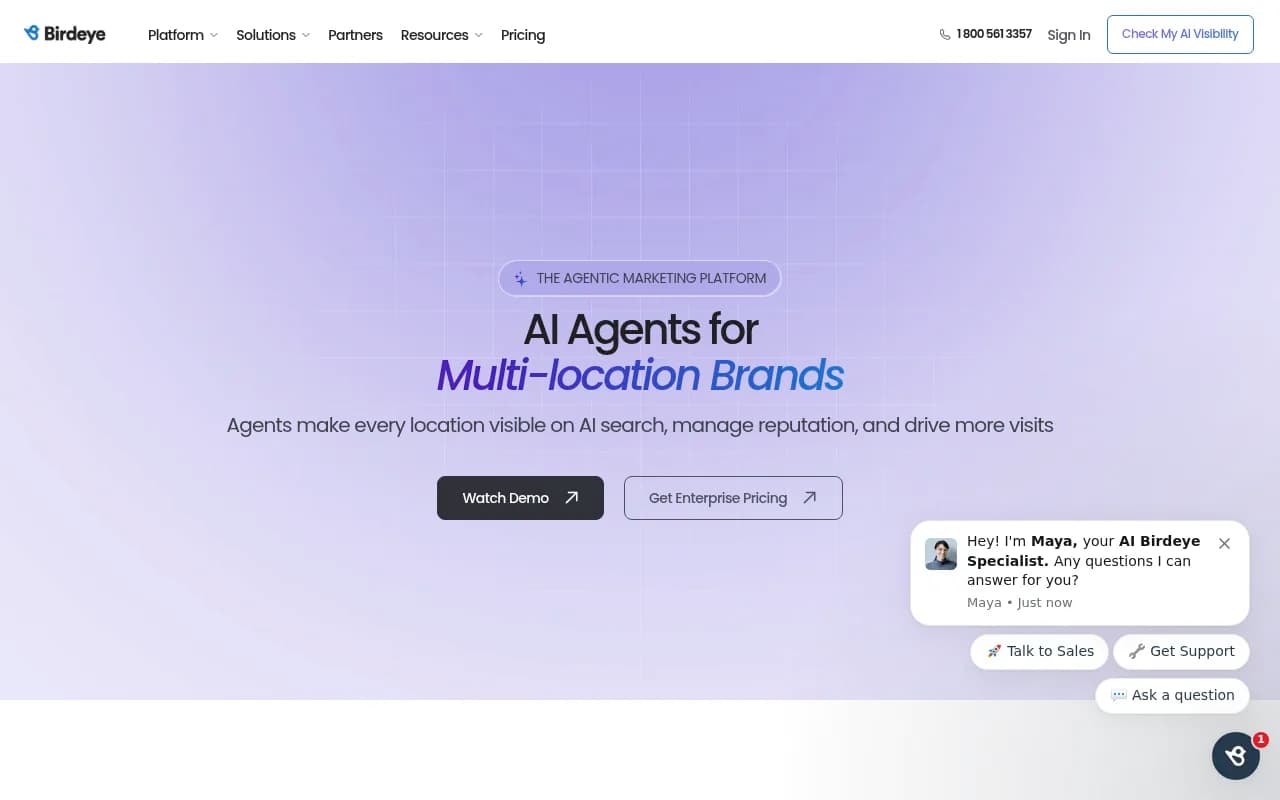
Some products target a niche. Yext Scout covers enterprise brand data, Botify is aimed at technical SEO teams, Birdeye Search AI and BrightLocal handle location-level tracking, and Yotpo Discover and Alhena AI focus on ecommerce catalogs.
Yext Scout
Yotpo Discover
For more options by category, the GEO software directory at bestgeosoftware.com and the AI rank tracking directory at ai-rank-tools.com keep the longer lists.
How to evaluate a platform in this market
Here is the checklist I would use, drawing on what the data above says breaks first.
- Engine coverage. Entry plans often cover only one to four engines. Gemini took 11.68% of US chatbot visits in August 2026 according to Statcounter, so skipping it is a real blind spot.
- Real interfaces versus APIs. User-facing answers and citations can differ from API outputs. Ask how data is collected.
- Prompt discipline. Peec's own guidance notes the visibility score covers only the prompts you track, so adding easy prompts inflates the score without changing what the engines say. Freeze your prompt set and record a baseline.
- Crawler visibility. Without logs you cannot tell an access problem from a content problem.
- Attribution. ChatGPT stopped sending a referrer on October 8, 2026, so ask how a platform counts AI-referred visits.
- Action layer. Platforms with agents or content workflows cost more, and that is usually where the value is.
- Security and procurement. SOC 2 or ISO 27001, SSO, audit logs and data residency. Deloitte found 74% of leaders rate data residency and in-region compute at least moderately important.
- Ownership risk. If the vendor was just acquired, ask about roadmap and pricing independence.
Where the market is heading
Three directions look solid, based on the evidence rather than prediction theater.
First, more consolidation. With 100+ tools listed and two notable acquisitions in seven months, I expect more standalone products to be absorbed by marketing suites. Third-party analysts frame Profound's pricing change the same way, though that is their reading.
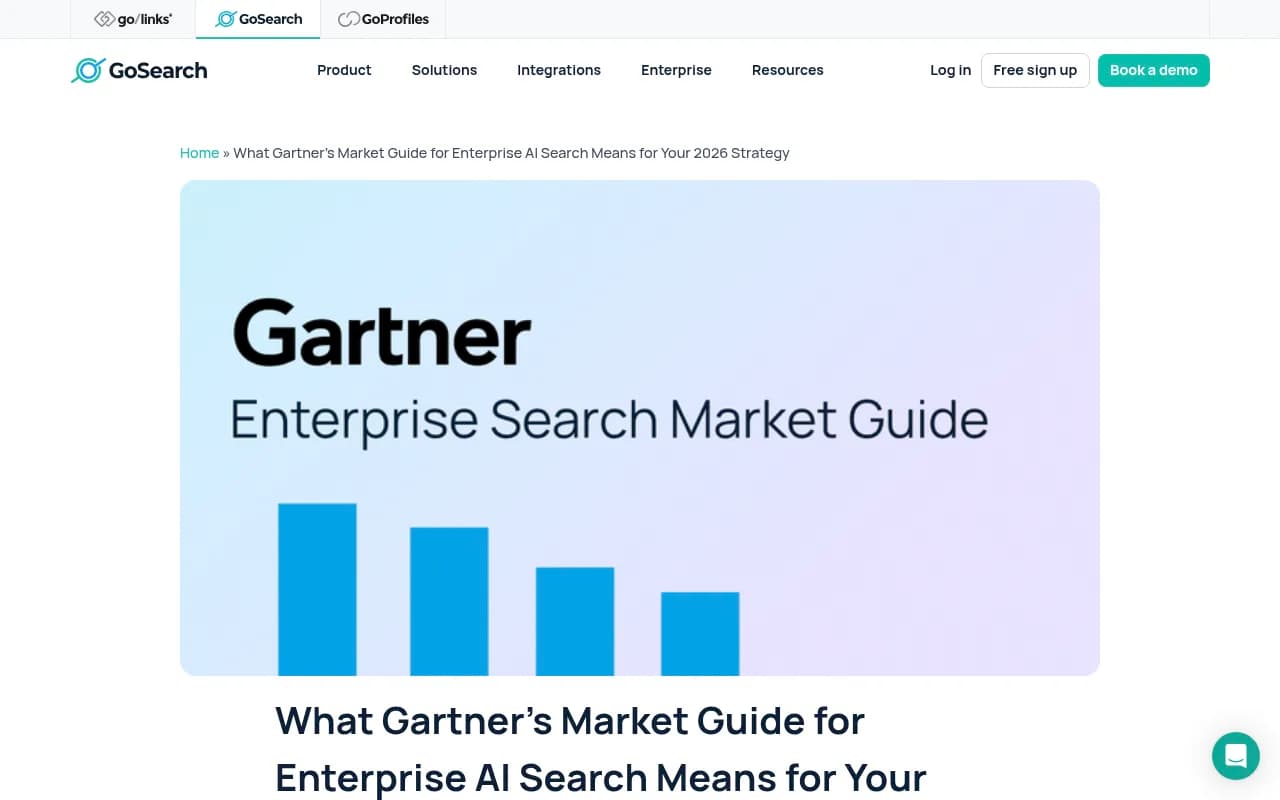
Second, a move from dashboards to execution. Menlo's finding that agents now account for most AI usage mirrors what is happening in visibility: buyers want the tool to publish and fix, then verify. Gartner's guidance, as summarized by GoSearch, expects organizations to run multiple enterprise AI search platforms by 2028, which is a reminder that the AI-answer surface keeps fragmenting.
Third, content strategy that follows intent. Since ChatGPT cites different formats for commercial, informational and branded prompts, one blog calendar will not do. Promptwatch's report advises making product pages comparable with clear pricing, getting into the listicles ChatGPT cites, collecting reviews on trusted sites, and keeping documentation public and crawlable.
Practical next steps for an enterprise team
- Run a free baseline first. Promptwatch's free AI visibility report scans ChatGPT, Gemini and Perplexity with no login.
- Check crawler access. The Agentic Readiness Check shows which AI crawlers can read your site.
- Shortlist two or three platforms from different groups: one end-to-end platform, one suite add-on, one monitor.
- Trial them against the same frozen prompt set across the same engines for two weeks.
- Compare what each tells you to do next, not just what it reports.
If you want outside help interpreting results, an agency like 1001 SEO Media, which publishes this site, runs GEO programs on Promptwatch.
Bottom line
Enterprise AI spend grew 5.4x in a year, and the tools that measure brand presence inside AI answers are consolidating, splitting into cheap trackers and expensive enterprise contracts. Buy for coverage, crawler visibility and execution, not for the prettiest score. And verify every price on the vendor's own page, because this market rewrites its pricing roughly every quarter. For ongoing numbers, the Promptwatch Data hub is updated regularly.