Key takeaways
- Hall AI shut down in 2026, leaving customers without dashboards, historical data, or a migration path — and it wasn't the only tool to collapse this year
- Most AI visibility tools are monitoring-only dashboards; the ones worth paying for help you act on the data, not just look at it
- For small teams on tight budgets, the best options range from ~$29/mo (Otterly.AI) to ~$249/mo (Promptwatch Professional), depending on how much you need beyond basic tracking
- Before picking a replacement, decide whether you need monitoring only, content optimization, or a full GEO loop that takes you from gap analysis to published content
- Avoid tools built on thin infrastructure with no clear revenue model — the Hall AI shutdown is a warning, not a one-off
What actually happened with Hall AI
Hall AI was a brand visibility monitoring tool that tracked how often companies appeared in ChatGPT, Perplexity, and Google's AI features. It had a clean interface, reasonable pricing (around $239/mo), and a decent feature set that included AI referral analytics and bot tracking.
Then it shut down in 2026.
Customers lost their dashboards. Historical data became inaccessible. There was no clean migration path. And Hall wasn't alone — Bear AI, a Y Combinator-backed AI visibility startup, also pivoted away from its original product around the same time, joining a growing list of GEO tools that either shut down, froze development, or quietly changed direction.
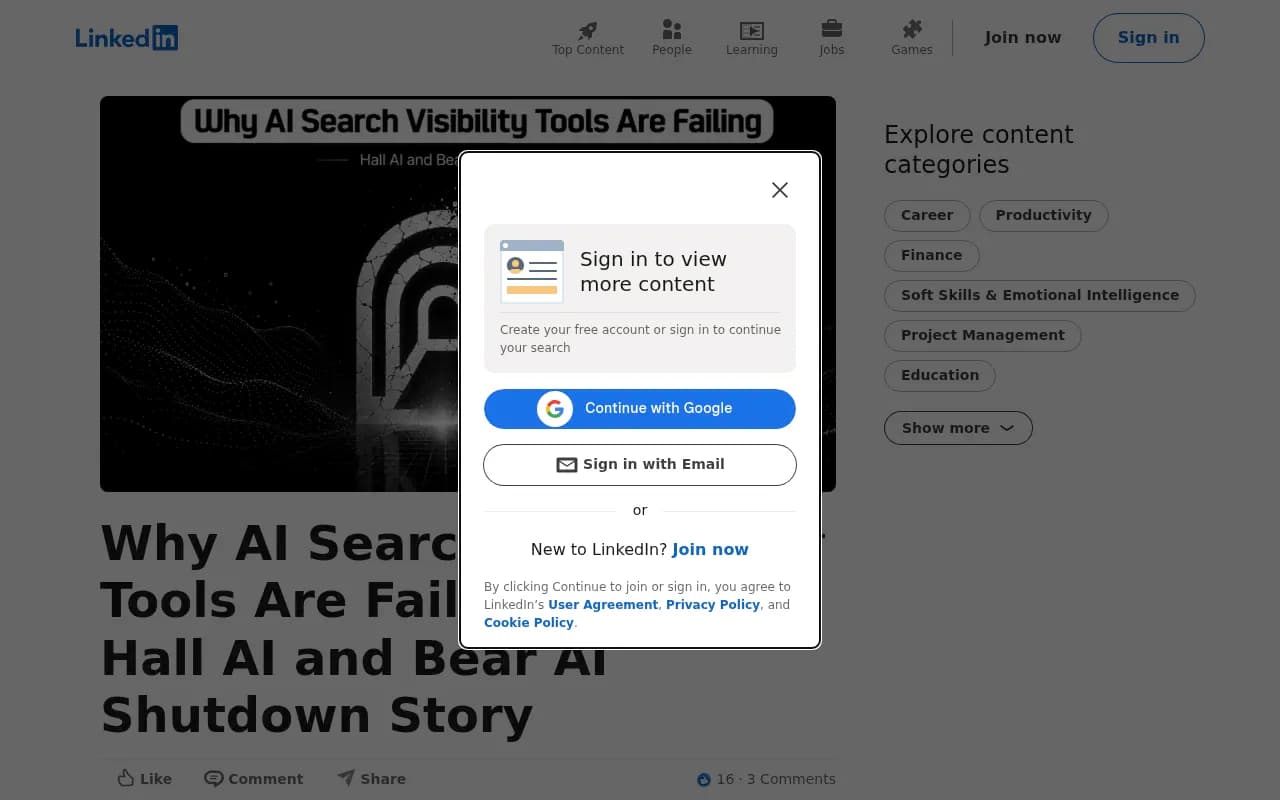
The pattern here matters. A lot of these tools were built on the same thin foundation: schedule prompts, store responses, build a dashboard. One developer can build that in a few weeks. That's why there are 40+ tools in this category and why so many feel interchangeable. When cloud credits run out or growth stalls, there's nothing holding them up.
If you're a small team looking for a Hall AI replacement, the first question isn't "which tool has the best UI?" It's "which tool is actually going to be around in 12 months?"
What to look for in a replacement
Before jumping to a list, it's worth being clear about what you actually need. Small teams often overbuy on features they won't use and underbuy on the things that matter.
A few questions worth asking:
- Do you need monitoring only, or do you want to act on the data (content creation, gap analysis)?
- How many AI models do you need to track? ChatGPT and Perplexity cover most use cases; tracking all 10+ models is overkill for most small teams
- Do you need historical data or are you starting fresh?
- Is content generation part of your workflow, or do you have writers who just need direction?
- How many sites and prompts do you realistically need to track?
With that in mind, here's a breakdown of the strongest options available right now.
The best Hall AI alternatives for small teams in 2026
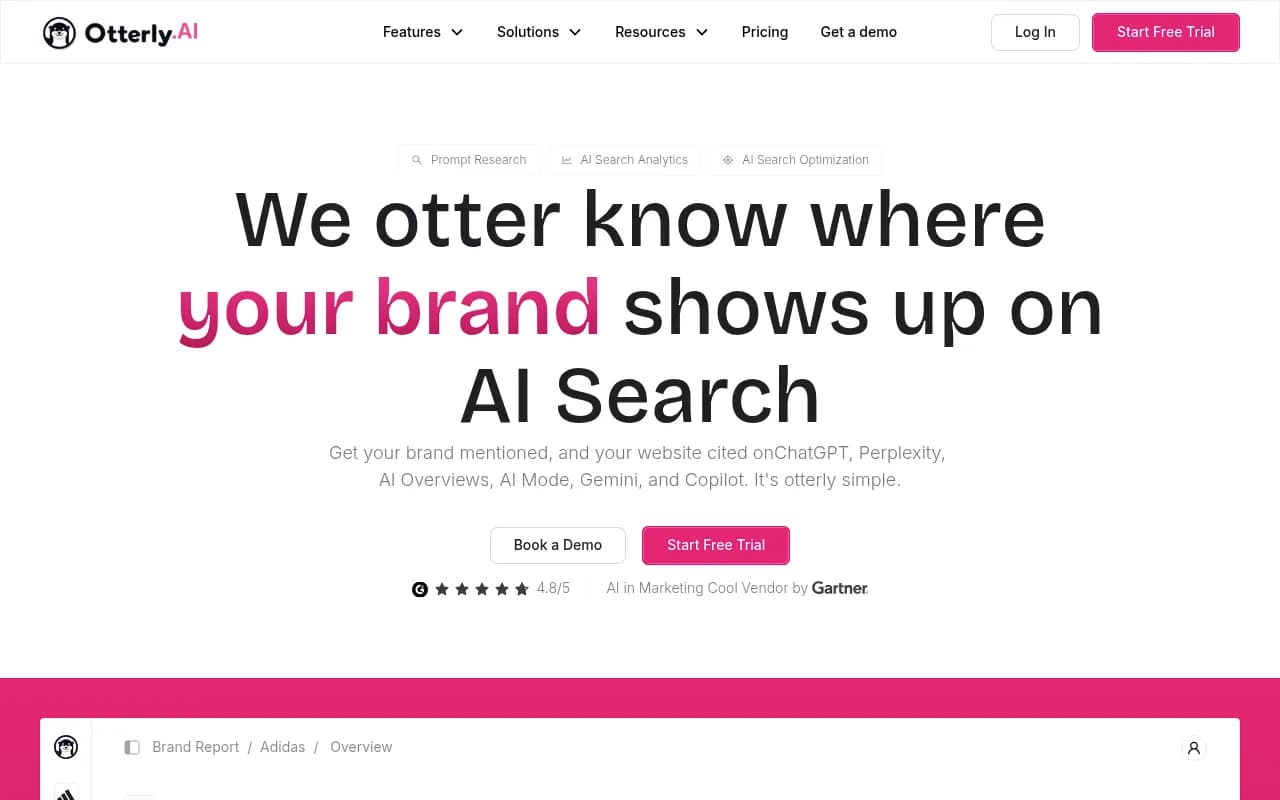
Otterly.AI — best for budget-first monitoring
At around $29/month, Otterly.AI is the cheapest credible entry point in this space. It covers the basics: brand mention tracking, citation monitoring, and share-of-voice across a handful of AI models. It's not going to blow you away with depth, but for a small team that just wants to know whether they're showing up in AI answers, it does the job.
The trade-off is that it's monitoring-only. You'll see the data, but you won't get content recommendations, gap analysis, or anything that helps you improve your visibility. Think of it as a smoke alarm, not a fire suppression system.
Peec AI — monitoring with some direction
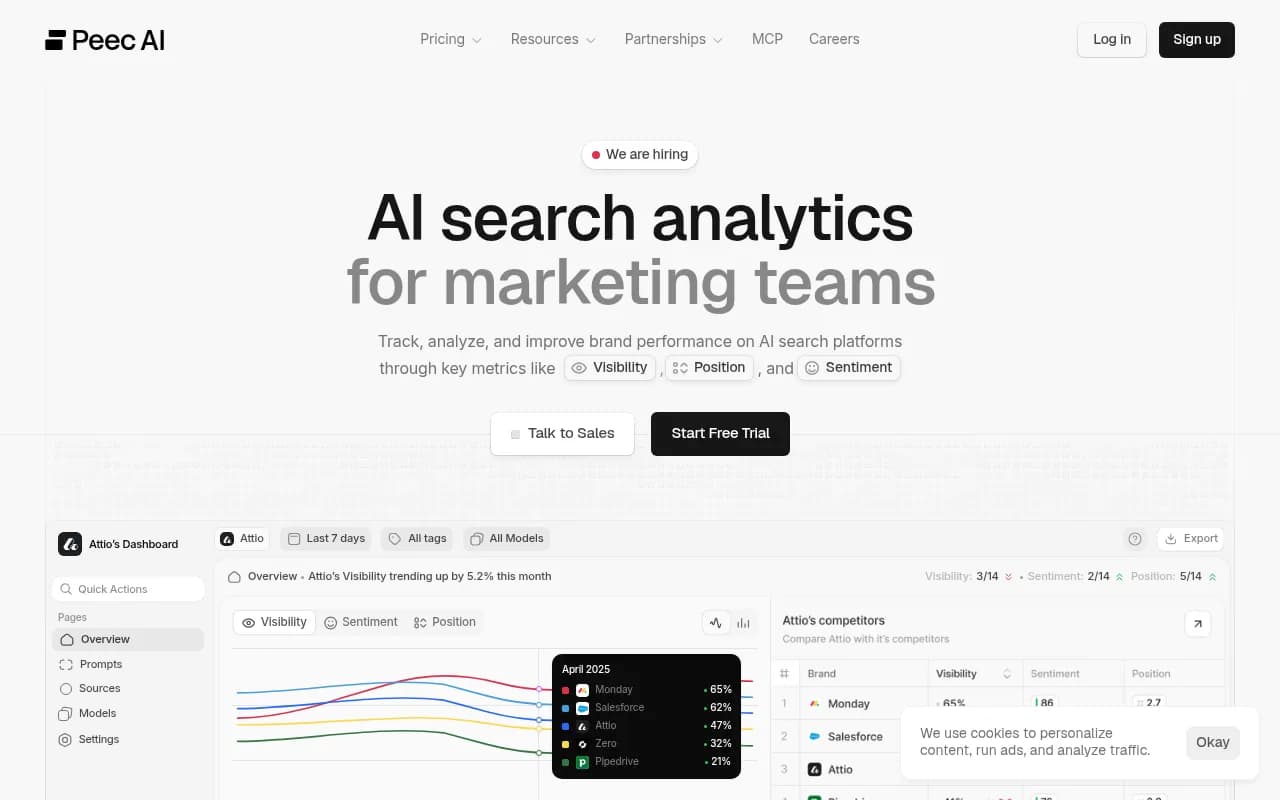
Peec AI sits a step above Otterly in terms of actionability. It tracks brand mentions across AI models and includes some smart suggestions for improving visibility. It's still primarily a monitoring tool, but the suggestions give small teams at least a starting point for what to do next.
Pricing is accessible for small teams, and the interface is clean enough that you don't need a dedicated analyst to interpret the results.
Scrunch AI — monitoring plus citation analysis
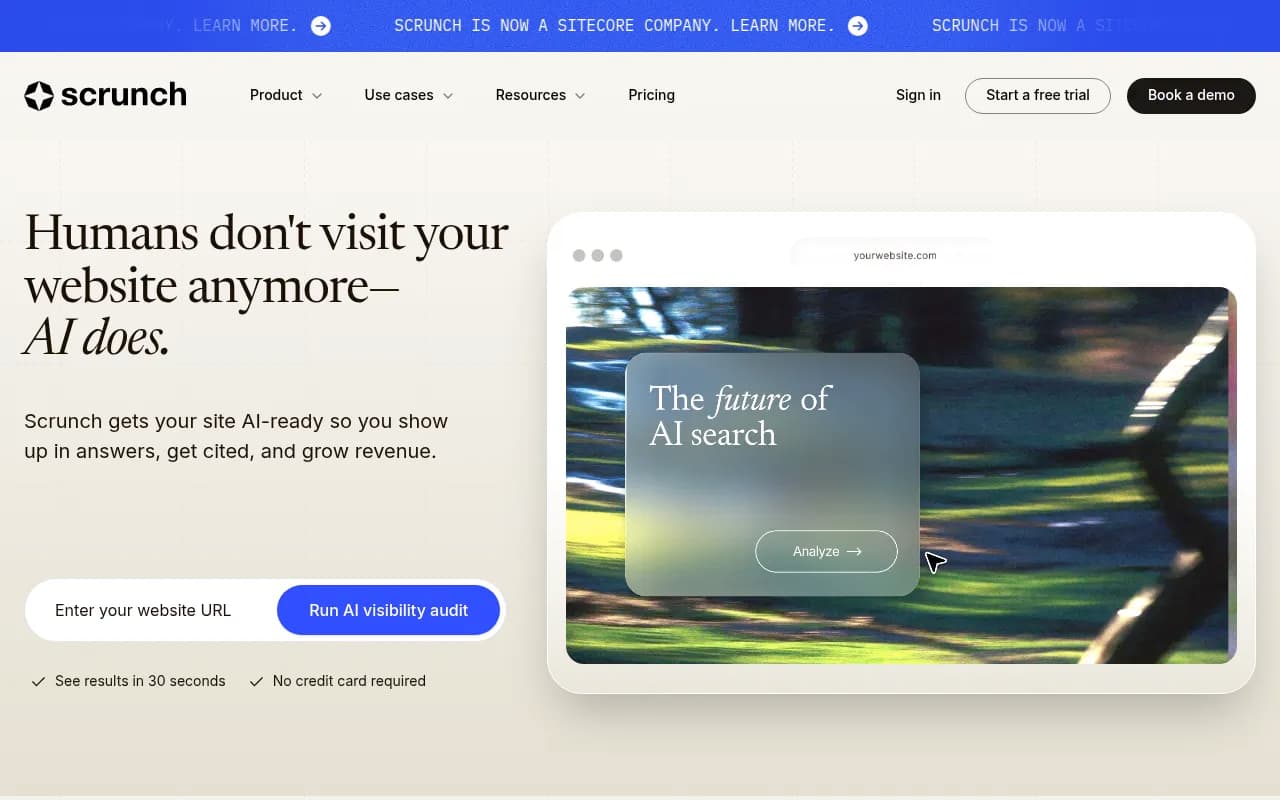
Scrunch AI combines prompt monitoring with citation tracking, which is genuinely useful. Knowing you're not being mentioned is one thing; knowing which URLs and domains are being cited instead of you is another. That citation data gives you a concrete target — you know what content to create or where to earn links.
Several roundups have positioned Scrunch as a strong mid-tier option for teams that want more than basic dashboards without paying enterprise prices.
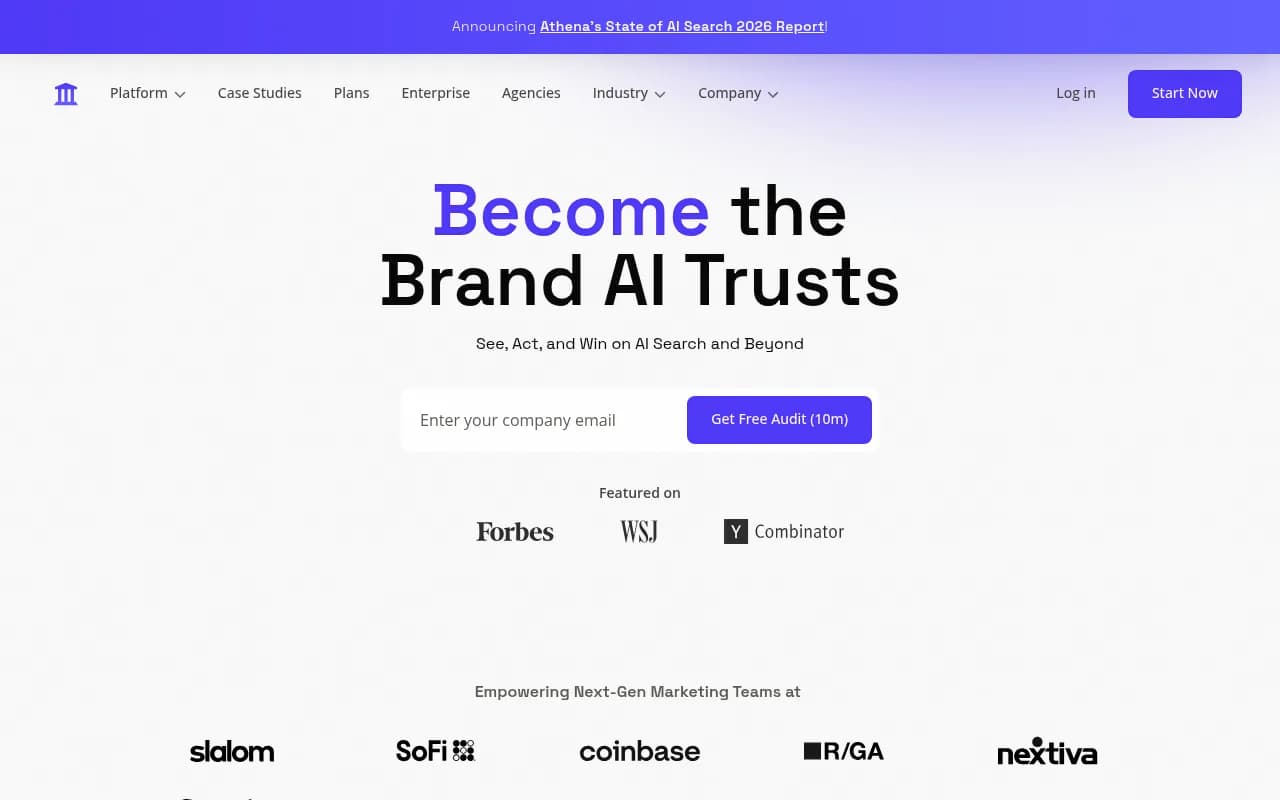
AthenaHQ — solid monitoring, limited optimization
AthenaHQ has a clean product and decent model coverage. It's monitoring-focused, which means it's good at showing you where you stand but less useful for figuring out what to do about it. For teams that have content writers who can take raw data and run with it, that's fine. For teams that need the tool to do more of the thinking, it falls short.
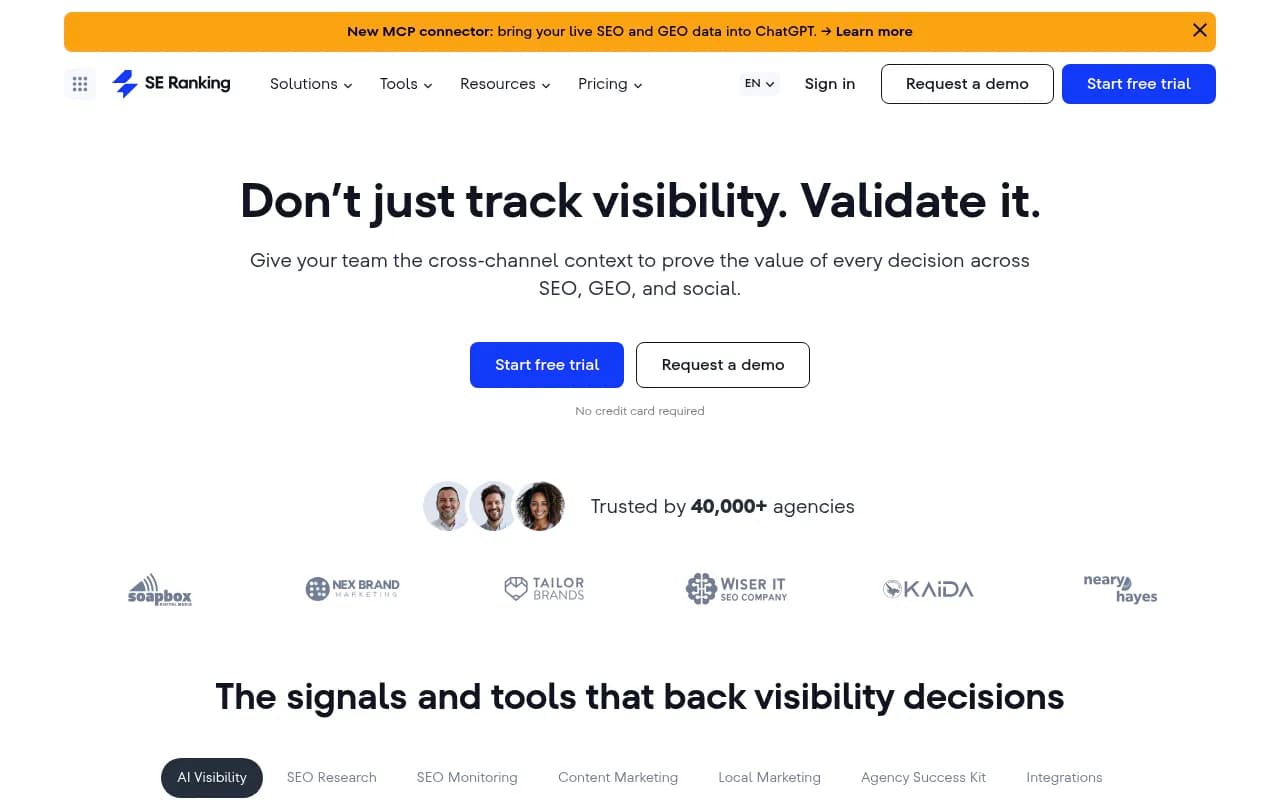
SE Ranking — SEO-first teams who want AI tracking added on
If your team is already doing traditional SEO and wants AI visibility layered in without switching platforms, SE Ranking is worth a look. It's a full SEO suite with an AI visibility tracker built in, so you get rank tracking, site audits, and AI monitoring in one place. The AI tracking isn't as deep as dedicated GEO tools, but the value-per-dollar is strong for teams that need both.
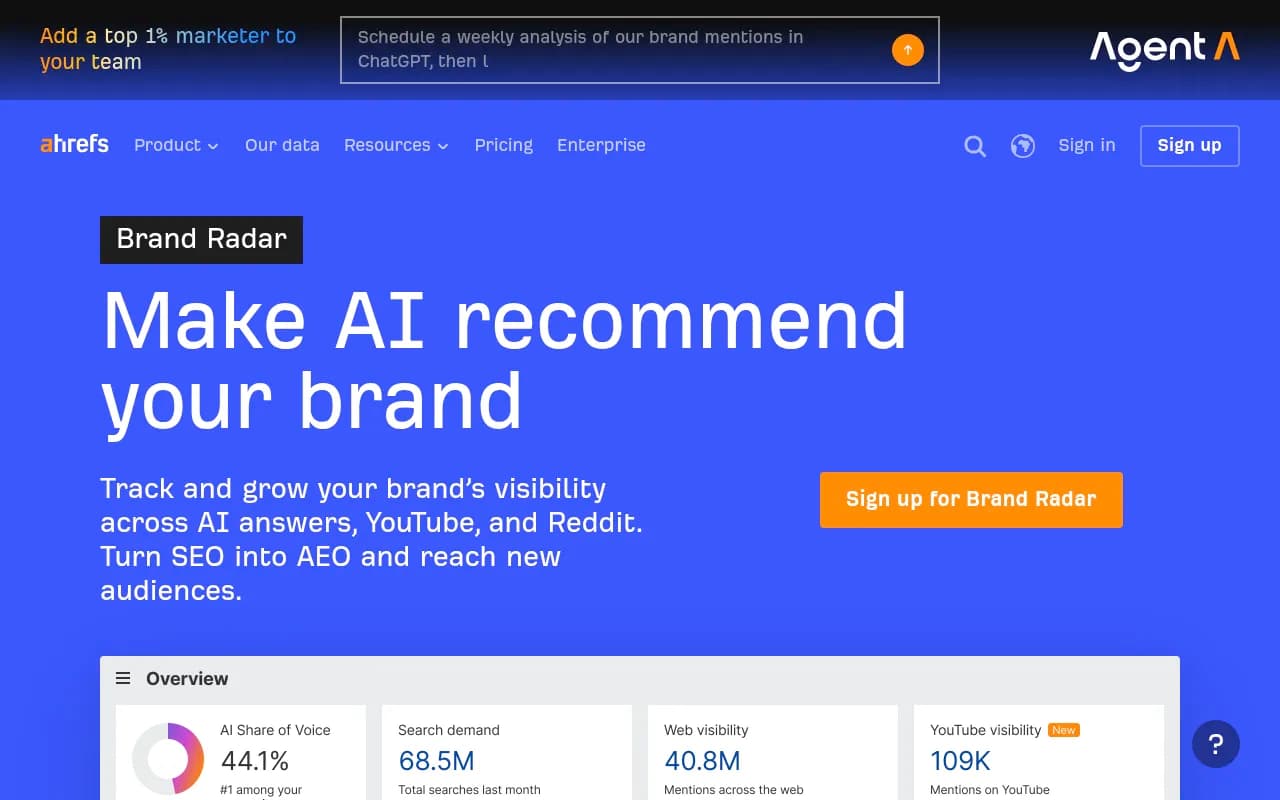
Ahrefs Brand Radar — data quality over dashboard polish
Ahrefs Brand Radar takes a different approach to the data problem. Most tools fabricate prompts — they guess what users might ask and run those queries. Brand Radar pulls from real search data, specifically "People Also Ask" questions with actual search volume behind them. That means the visibility scores reflect real user behavior, not hypothetical queries.
For small teams that care about data quality and are already Ahrefs users, this is a natural add-on. Pricing starts at $50/mo for 2,500 checks.
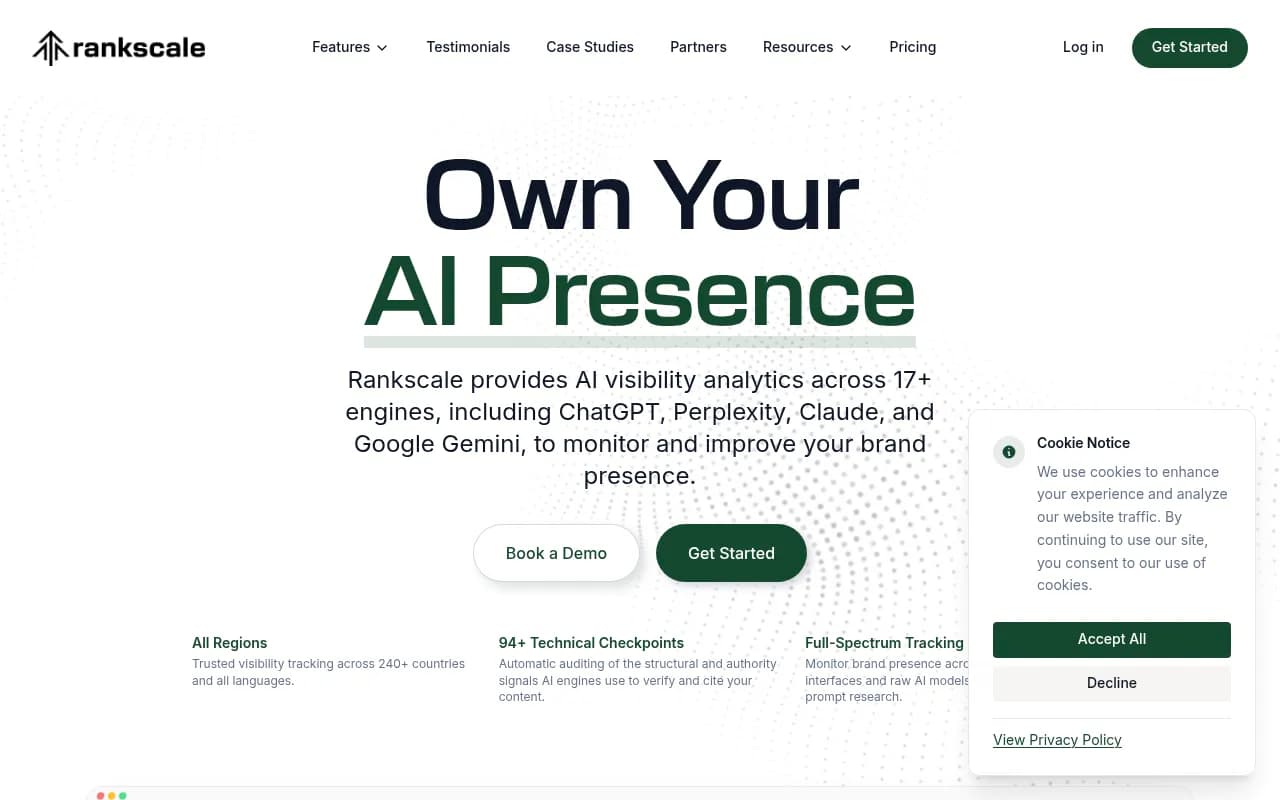
Rankscale — lightweight tracking for focused teams
Rankscale is a leaner option focused on AI search rank tracking. It won't overwhelm you with features, which is actually a plus for small teams that don't have time to learn a complex platform. If your main goal is tracking a defined set of prompts and seeing how your brand performs over time, Rankscale covers that without unnecessary complexity.
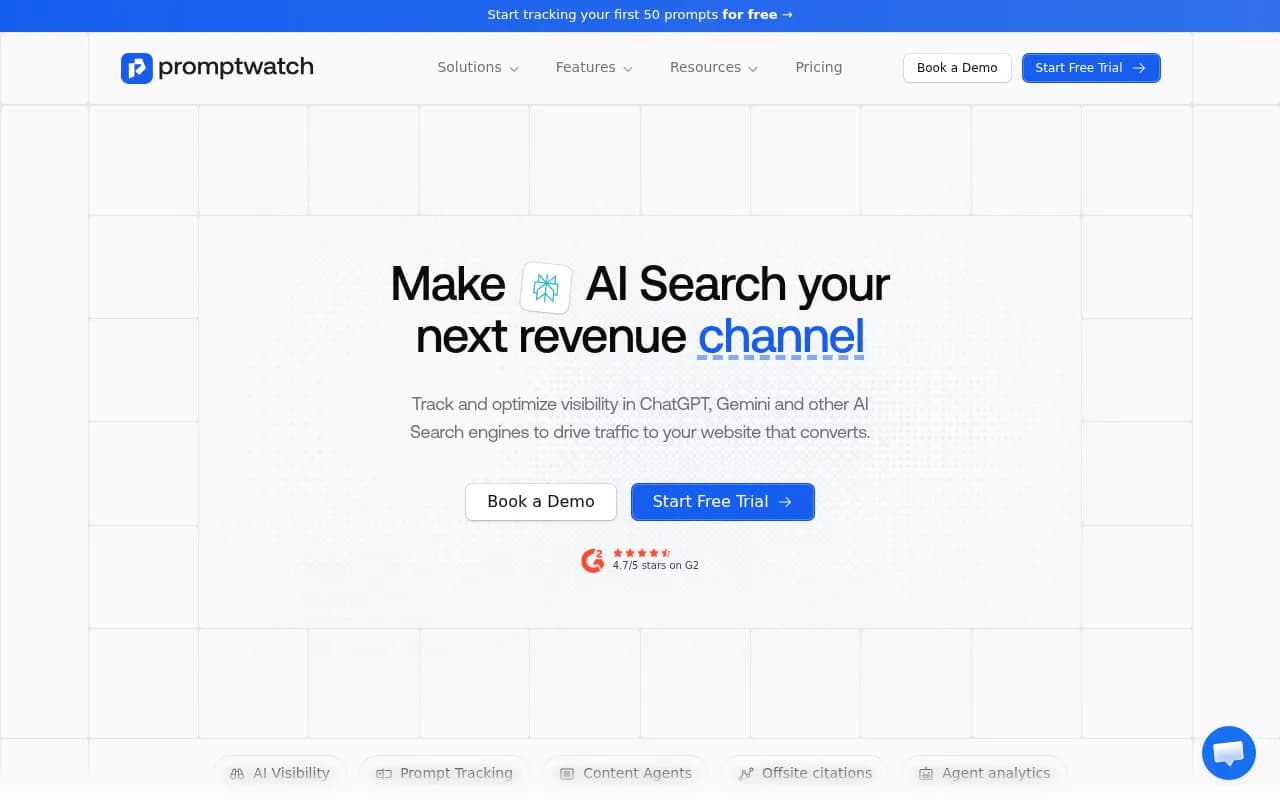
Promptwatch — best for teams that want to actually improve visibility
Promptwatch is the option to consider if monitoring alone isn't enough. Most tools in this list show you data and leave you to figure out what to do with it. Promptwatch is built around a full optimization loop: find the gaps, create content that fills them, then track whether that content starts getting cited.
The Answer Gap Analysis shows you exactly which prompts competitors are visible for but you're not. The Content Agents generate articles and briefs grounded in real prompt data, citation analysis, and competitor research. And the page-level tracking shows you when new content moves from crawl to citation across models like ChatGPT, Perplexity, Gemini, and Claude.
For small teams, the Professional plan at $249/mo covers 2 sites, 150 prompts, 15 articles per month, and includes crawler logs. That's a meaningful step up from monitoring-only tools, but it's also a meaningful step up in what you can actually do with it.
Comparison table: Hall AI alternatives at a glance
| Tool | Starting price | Monitoring | Content generation | Crawler logs | Best for |
|---|---|---|---|---|---|
| Otterly.AI | ~$29/mo | Yes | No | No | Budget-first monitoring |
| Peec AI | ~$49/mo | Yes | Basic suggestions | No | Monitoring + light direction |
| Scrunch AI | Mid-tier | Yes | No | No | Citation analysis |
| AthenaHQ | Mid-tier | Yes | No | No | Clean monitoring dashboards |
| SE Ranking | ~$65/mo | Yes (add-on) | No | No | SEO teams adding AI tracking |
| Ahrefs Brand Radar | $50/mo+ | Yes | No | No | Data quality, Ahrefs users |
| Rankscale | Low | Yes | No | No | Lightweight tracking |
| Promptwatch | $99/mo (Essential) | Yes | Yes | Yes (Professional+) | Full GEO optimization loop |
The monitoring-only trap
Here's something worth being honest about: most of these tools, including several well-funded ones, will show you a dashboard full of data and then leave you completely stuck.
You'll know your brand appears in 12% of relevant AI responses. You'll know competitors are at 34%. And then... what? The tool doesn't tell you which pages to create, which questions to answer, or which content gaps are actually causing the problem.
That's not a knock on monitoring tools specifically. Knowing where you stand is genuinely useful. But for small teams with limited time, a tool that only monitors is half a solution. You still need to figure out what to do, which usually means hiring someone or guessing.
The tools that are actually moving the needle for teams in 2026 are the ones that close the loop. They show you the gap, help you fill it, and then confirm whether it worked.

What the Hall AI shutdown should change about how you evaluate tools
The Hall AI shutdown wasn't just bad luck. It was a product of structural fragility: a monitoring-only dashboard with no deep infrastructure, no differentiated data, and no clear path to sustainable revenue at scale.
When you're evaluating a replacement, look for signals of durability:
- Is the company profitable or at least on a clear path? Tools burning through VC money with no revenue model are risky.
- Does the platform have proprietary data or infrastructure, or is it just scheduling API calls and storing responses?
- Is there a clear action loop, or is it just a dashboard? Tools that help you do something with the data are harder to replace and more likely to retain customers long-term.
- How long has it been running? A tool that's been live for 18+ months with a growing customer base is a safer bet than a 6-month-old startup.
None of this guarantees anything. But it's a better framework than picking the tool with the nicest UI.
Recommendations by team type
Not every small team has the same needs. Here's a quick breakdown:
If you're a startup with a tight budget and just want to know whether you're showing up in AI answers, start with Otterly.AI or Peec AI. They're cheap, simple, and cover the basics.
If you're a marketing team that already does content and just needs data to inform your writers, Scrunch AI or AthenaHQ give you enough to work with without overwhelming you.
If you're already an Ahrefs or SE Ranking customer, use their built-in AI tracking before paying for a separate tool. It won't be as deep, but it's probably good enough to start.
If you're a team that wants to actually move the needle on AI visibility and not just monitor it, Promptwatch is the most complete option at a price point small teams can justify. The Essential plan at $99/mo is a reasonable starting point, and the Professional plan at $249/mo unlocks content generation and crawler logs.
A note on content tools that overlap with GEO
A few tools in the broader ecosystem are worth mentioning even though they're not pure AI visibility platforms. If your primary bottleneck is content creation rather than tracking, tools like Writesonic GEO, Frase, and Surfer SEO can help you produce content that's more likely to get cited by AI models.
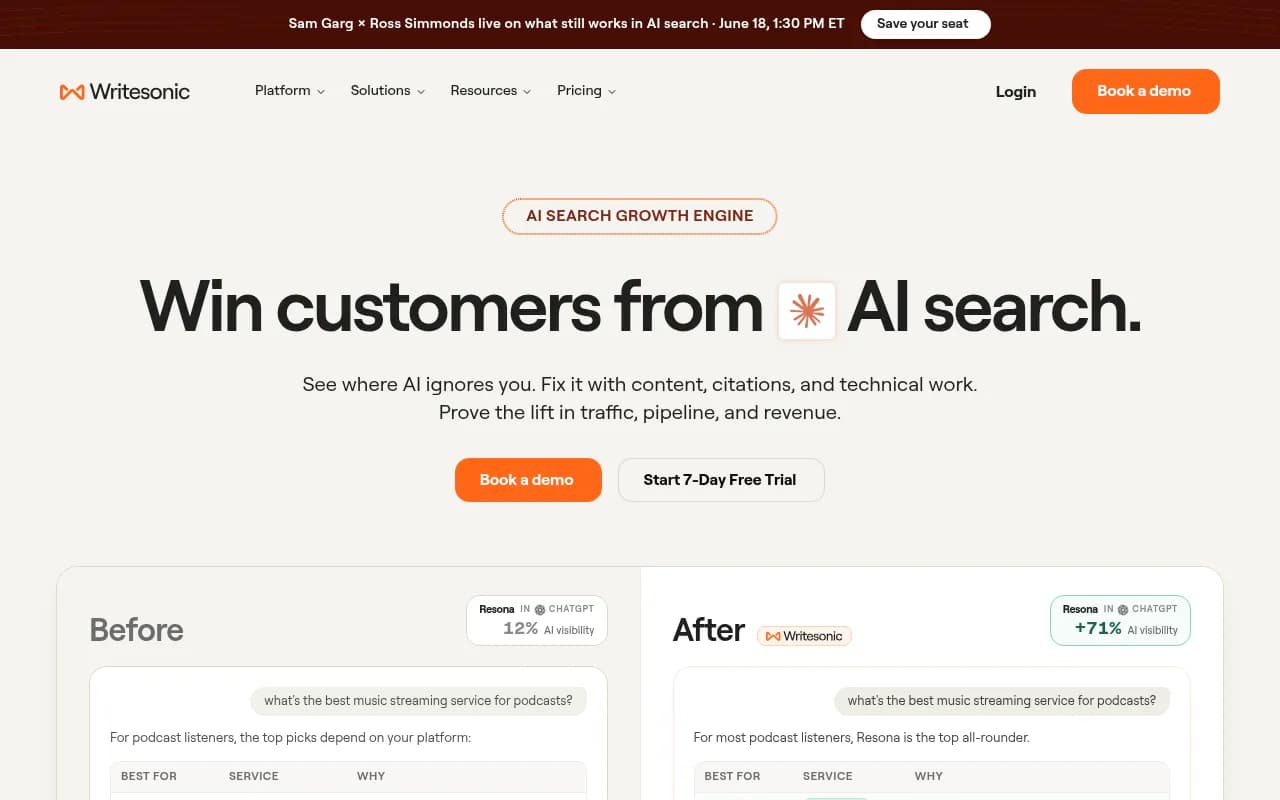
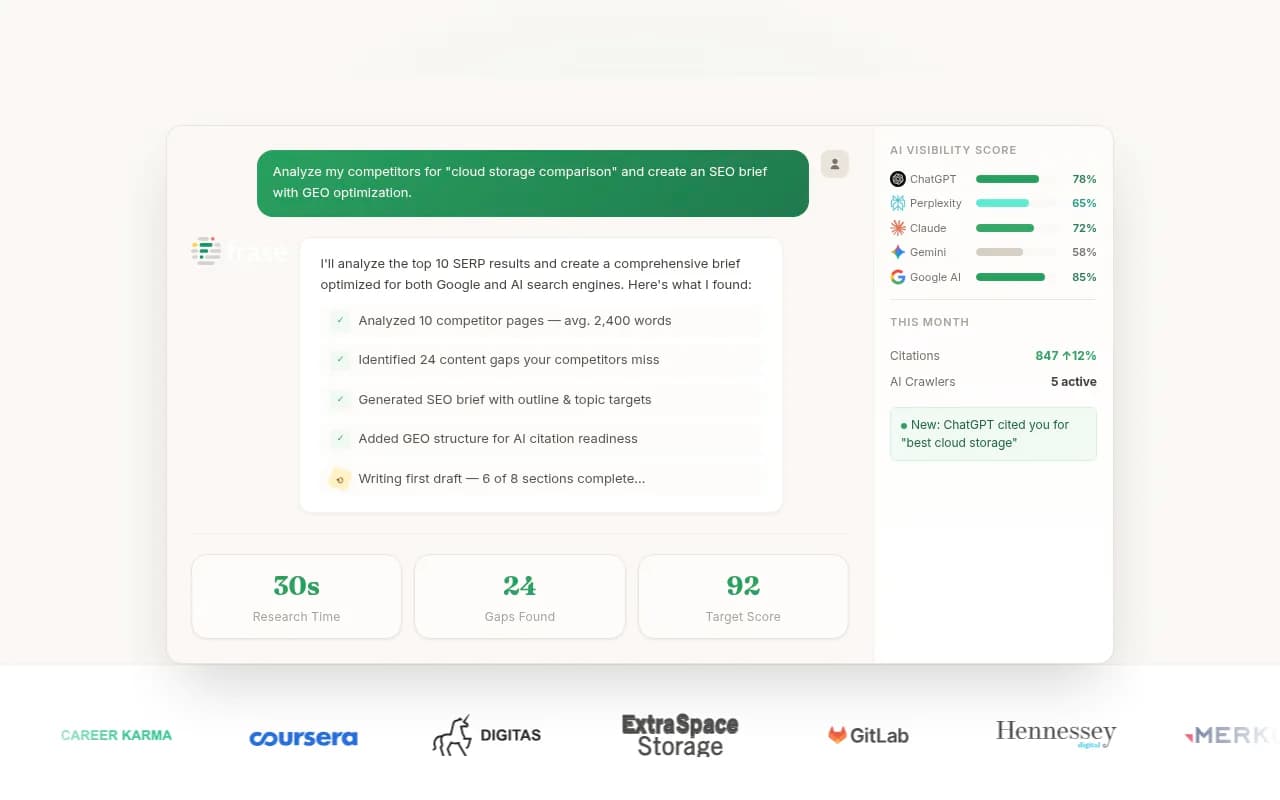
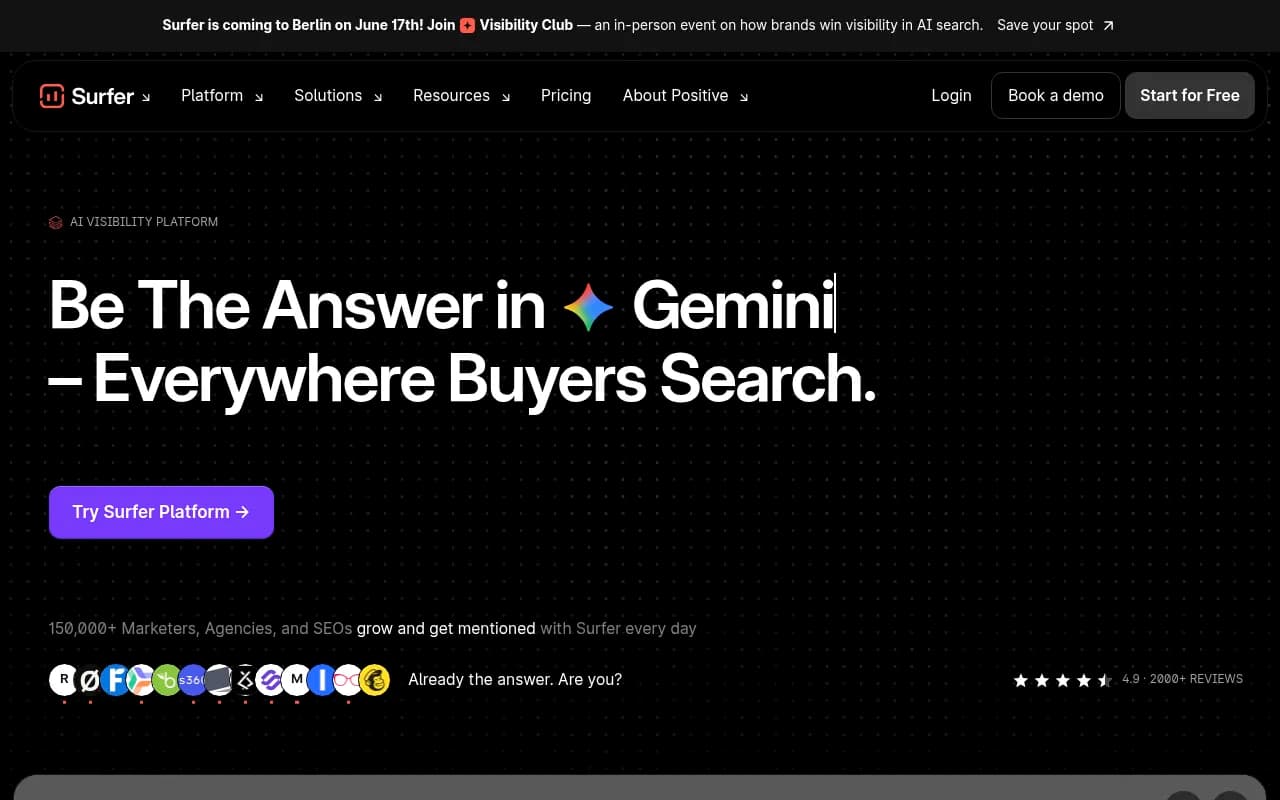
These aren't replacements for visibility monitoring, but they're useful complements if you're trying to improve your AI presence through content and don't need a full GEO platform yet.
Bottom line
Hall AI shutting down is a useful reminder that the AI visibility space is still shaking out. There are too many monitoring-only dashboards chasing the same market, and not all of them will survive.
For small teams replacing Hall AI, the decision comes down to what you actually need. If you want cheap monitoring, Otterly.AI and Peec AI are fine starting points. If you want something more durable that helps you act on the data, Promptwatch is the most complete option in the affordable range.
Whatever you pick, make sure it's a tool that gives you something to do with the data. A dashboard that shows you're invisible in AI search is only useful if it also helps you become visible.