Key takeaways
- Nearly every agency now sells some version of GEO. The tooling behind it splits into three camps: prompt trackers, SEO suites with AI add-ons, and platforms that also execute the fixes.
- "Best GEO agency" lists are mostly self-ranked. Optimist, Crackle PR and Goldie Agency each put themselves at number one, so treat those lists as marketing.
- Agencies need multi-client workspaces, white-label reporting, crawler data and traffic attribution. Mention tracking alone does not survive a client QBR.
- OpenAI's share of verified AI crawler requests fell from 94.8% to 79.8% between June and early September 2026, so single-platform reporting is getting riskier.
- Pick tools by the job: monitoring, execution, or reporting. Then test the agency plan with one real client before you roll it out.
Why agency GEO tooling suddenly matters
A year ago most agencies handled AI search with a spreadsheet and a handful of manually typed prompts. That does not work anymore. The 4A's Look Ahead 2026 report says 75% of respondents say their agency already uses genAI, up 23% year over year. Clients are asking the next question: are we showing up in ChatGPT, and is it making us money?
The demand is real, and it has attracted a lot of noise. One agency blog cites Conductor's State of AEO/GEO 2026 report as saying 94% of CMOs plan to increase AEO and GEO investment this year. I could not verify that against the primary report, so take it as directional. What is not in doubt is that every content and SEO shop has put "GEO" on its homepage.
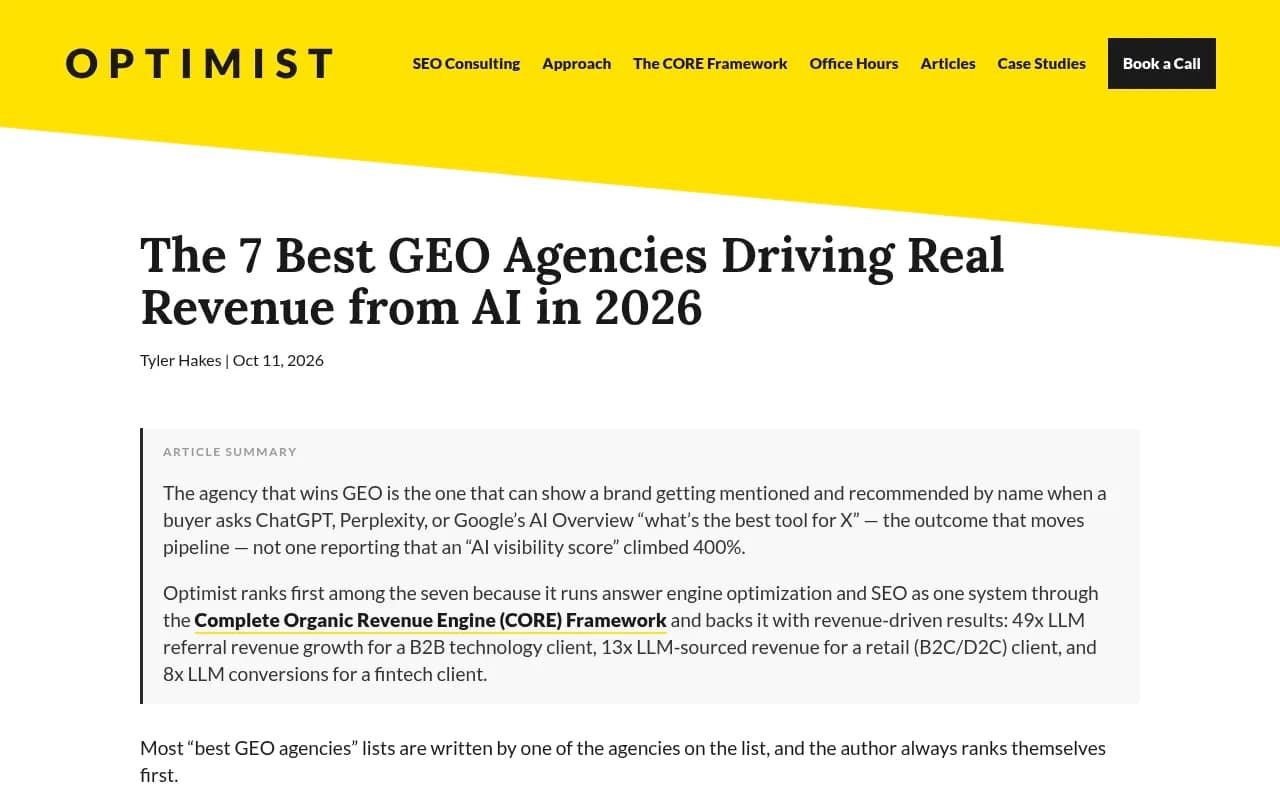
Who is actually ranking the agencies?
Search for "best GEO agencies 2026" and you get a tidy pile of listicles. Read them side by side and something funny happens.
- Optimist ranks Optimist first, citing 49x LLM referral revenue growth for a B2B technology client.
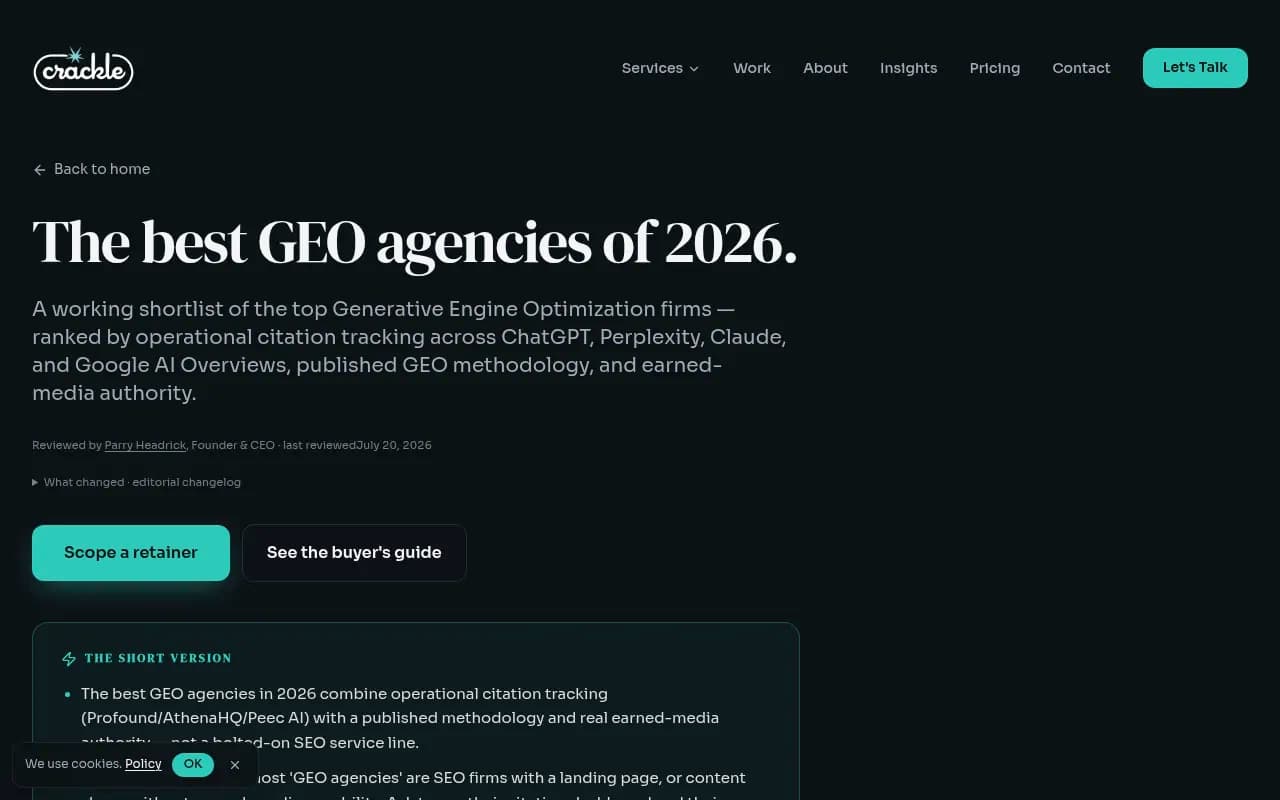
- Crackle PR ranks Crackle PR first and publishes a retainer matrix starting around $12K a month.
- Goldie Agency ranks Goldie Agency first, pointing to a public campaign of 90,000 AI mentions in 90 days.
- Digital Elevator publishes a list of 12 agencies, with itself at the top of the table.
The lists overlap on names like iPullRank, Siege Media, NP Digital and Single Grain, but they disagree on almost everything else. The retainer numbers are self-published and unverified. I would not use any of them as a buying signal.
One line from the Optimist piece is worth keeping, though: the agency that wins is the one that can show a brand named and recommended when a buyer asks an AI assistant for the best tool in a category, not the one reporting an "AI visibility score" that climbed 400%. That is a useful test for tools as well as agencies.
If you are choosing an agency partner rather than tools, 1001 SEO Media is a full-service SEO and AI search agency that combines technical SEO, content, digital PR and GEO, with no long-term contracts and monthly reporting. Compare it against whoever else is on your shortlist using the same criteria below.
The three camps of GEO tooling
Behind the agency decks, the tools fall into three groups. Knowing which camp a tool sits in tells you most of what you need.
Camp 1: prompt trackers
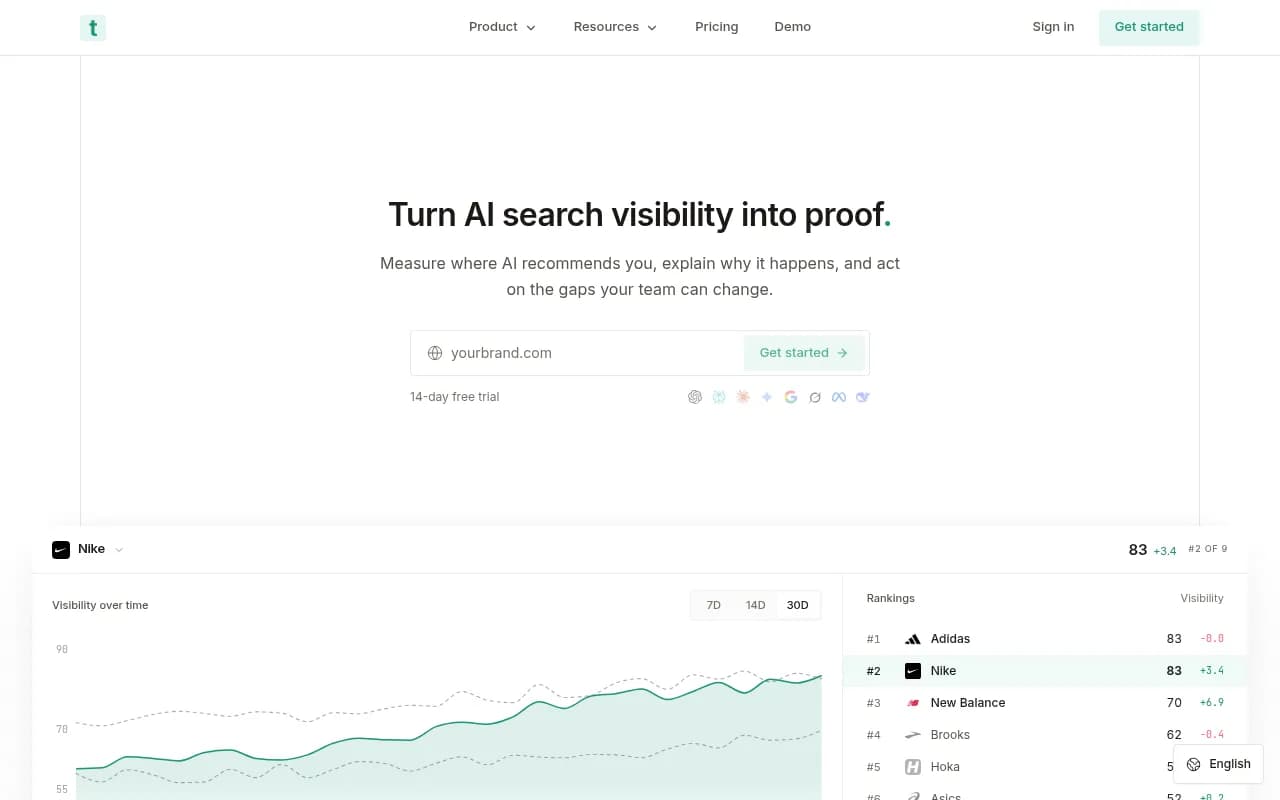
These answer one question: was the brand mentioned? They run a fixed set of prompts, log mentions, and chart share of voice. They are cheap and quick to set up, and they are fine for pitching and baseline reports.
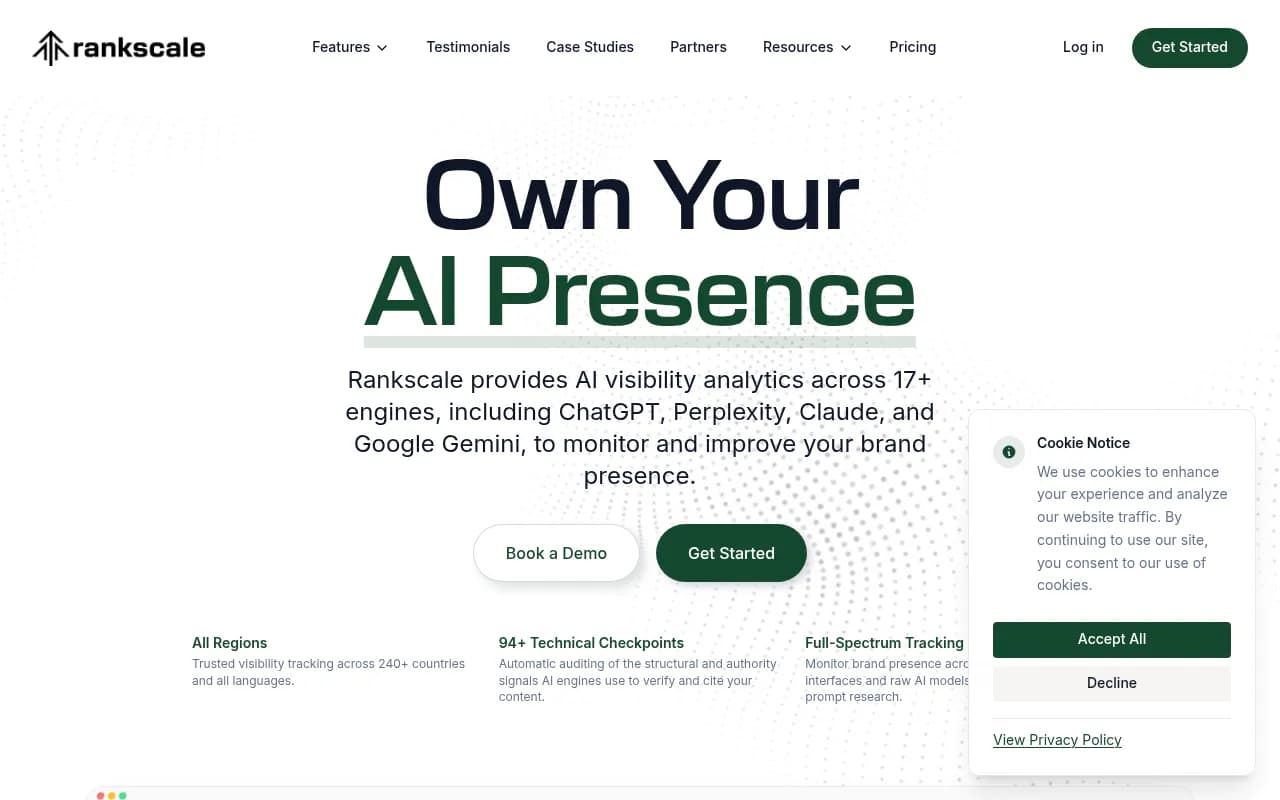
Tools in this group include Otterly.AI, Peec AI, Rankscale and ZipTie.


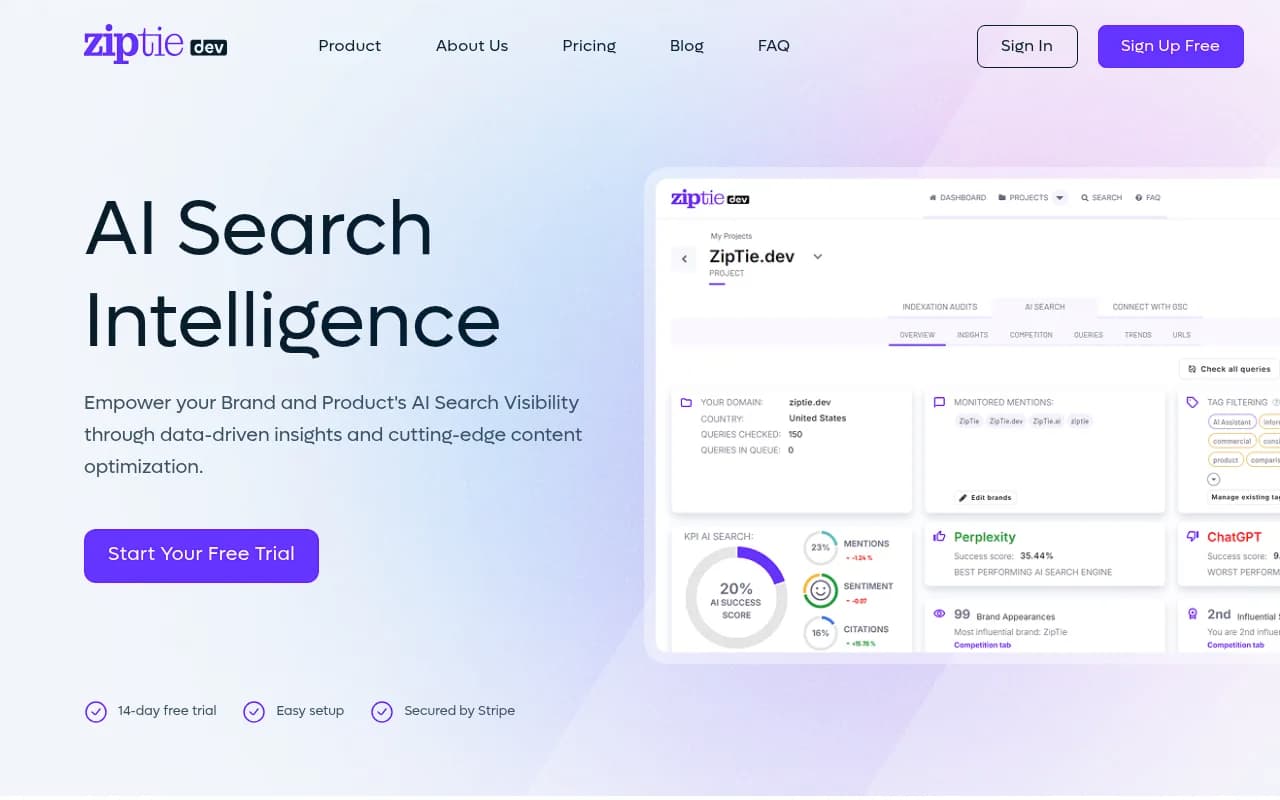
The limit is obvious once a client asks why visibility is low. A tracker tells you the score and stops there.
Camp 2: SEO suites with AI add-ons
Semrush, Ahrefs Brand Radar, Conductor, BrightEdge, seoClarity and SE Ranking all added AI visibility modules. The upside is consolidation: your team already lives in these tools and the client reporting is built. The downside is that AI data is usually a bolt-on, with fixed prompt sets and shallower AI-specific detail than purpose-built platforms.

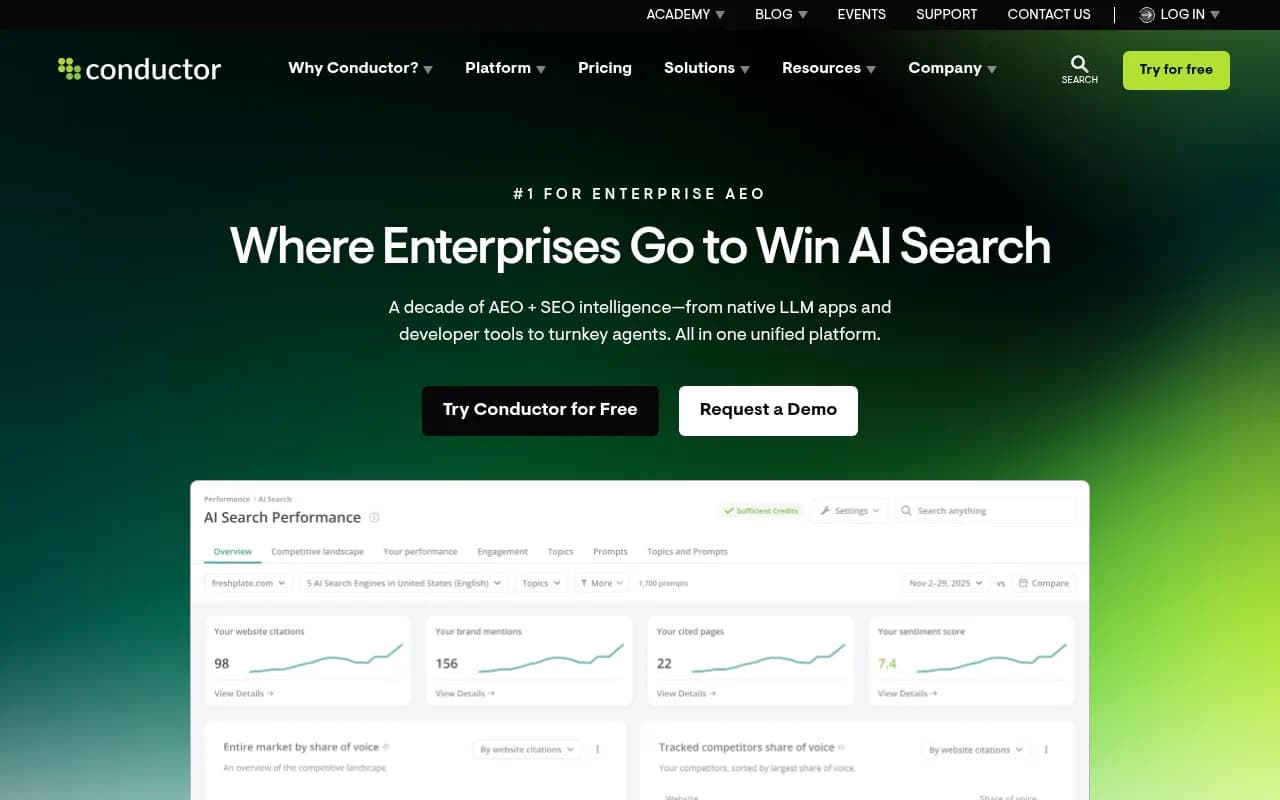
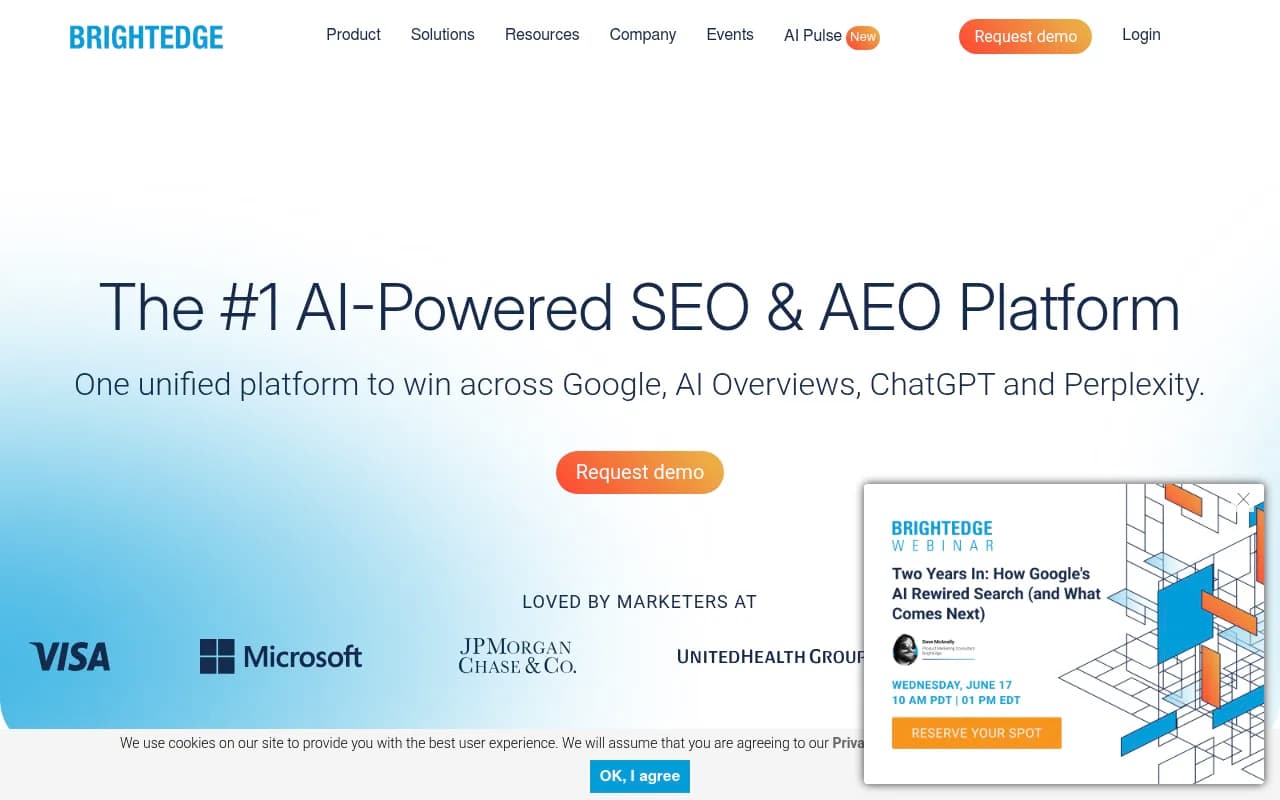
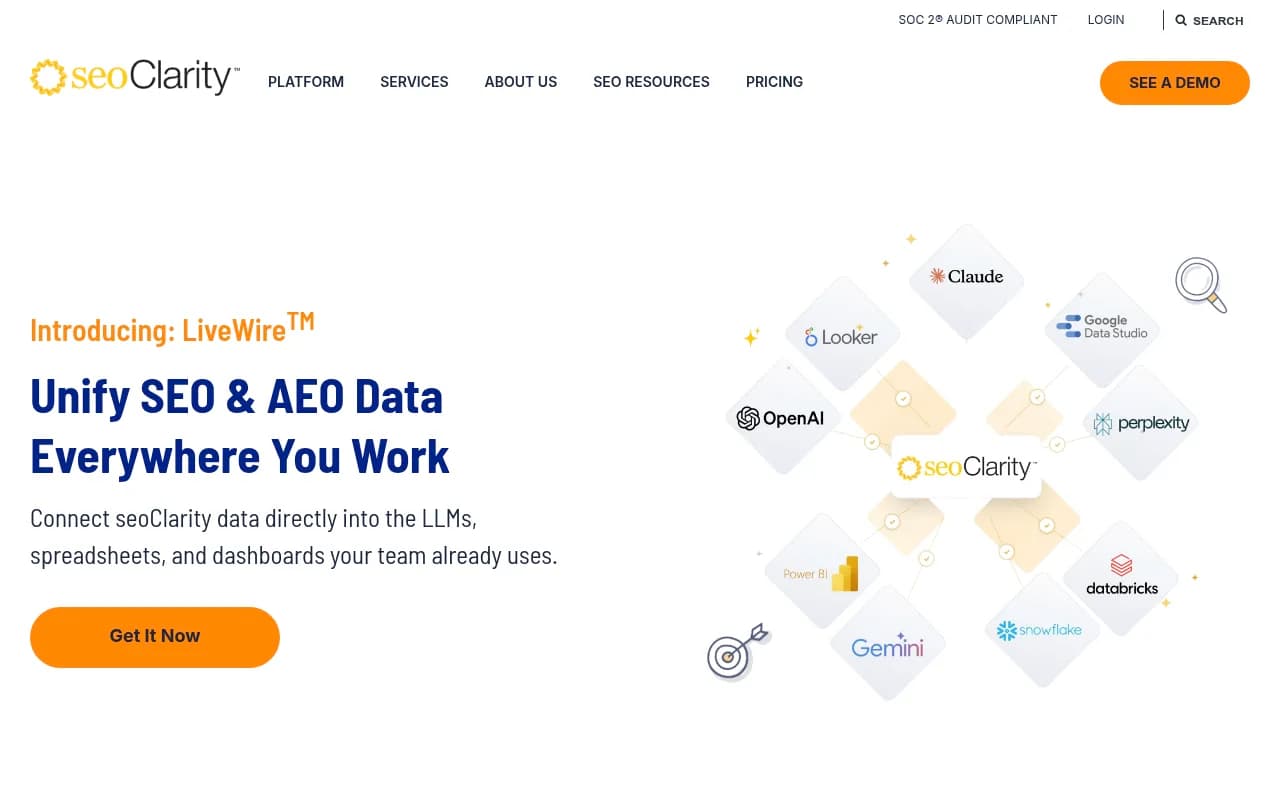
If your agency is already standardized on one of these, the AI module is a reasonable starting point. Just be honest with clients about what it does not cover.
Camp 3: visibility platforms that execute
This is the group that is pulling ahead with agencies. Instead of stopping at monitoring, these platforms connect crawler data, citations, traffic and content production, then close the loop on whether a fix worked.
Promptwatch is the clearest example. It tracks the real interfaces of ChatGPT, Google AI Overviews, AI Mode, Gemini, Perplexity and Copilot, and adds IP-verified AI crawler logs, visitor analytics, an Action Board of prioritized tasks, and a Content Agent that can publish to WordPress, Webflow or Framer. Its agency plans are unlimited on projects and prompts, include 10 seats, and add white-label reporting and a client portal.

Other names that lean toward execution or revenue attribution include Profound, Scrunch AI, AthenaHQ, Passionfruit, Trakkr and Search Party.


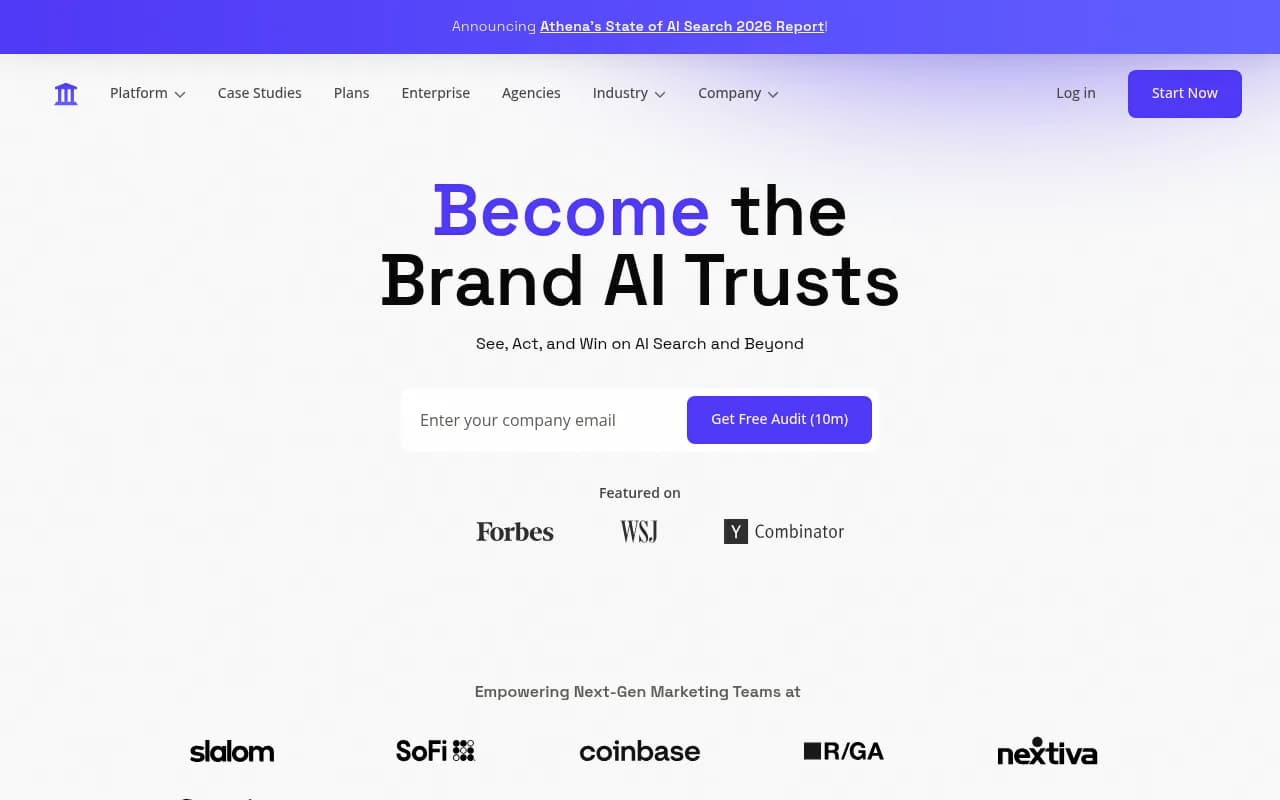
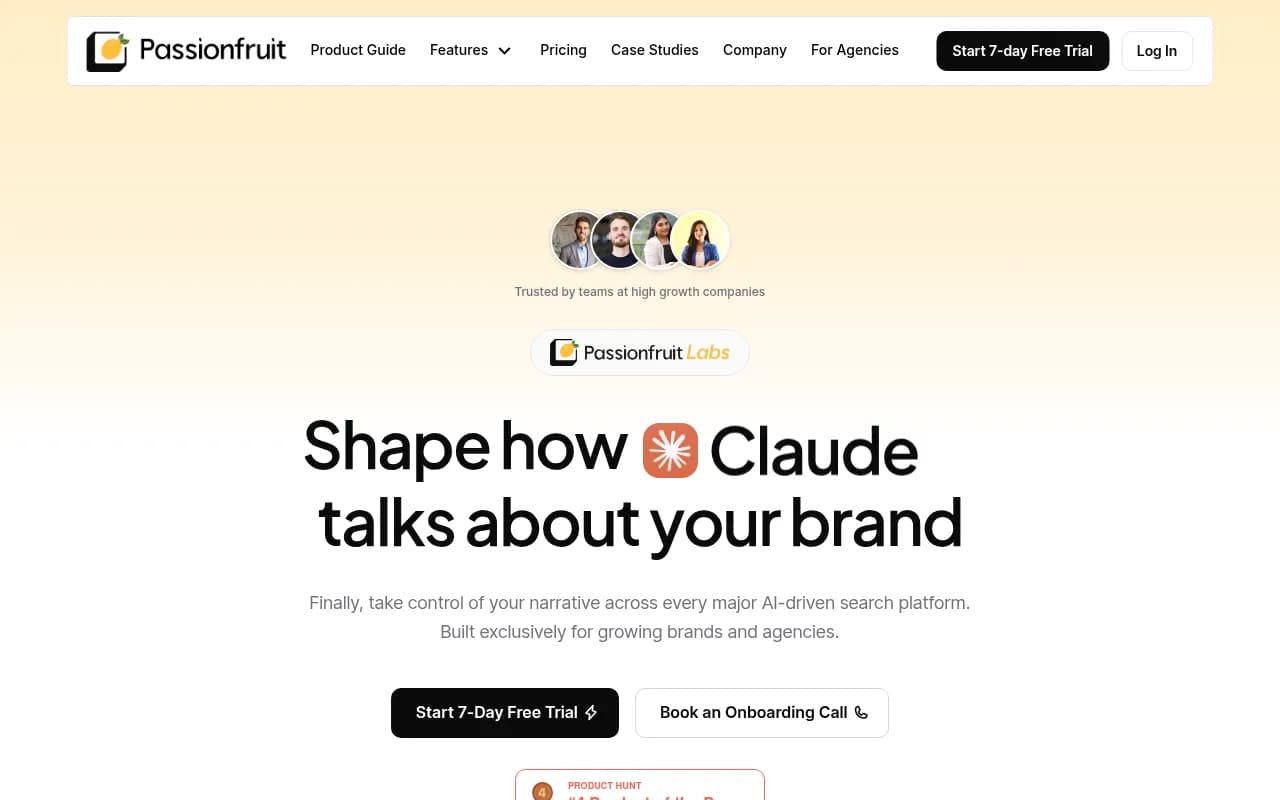
I did not verify pricing or multi-client features for most of these, so check each vendor's pricing page before you commit.
What agencies actually need from a tool
An in-house team can live with a single dashboard. An agency cannot. Here is the checklist I would use.
| Requirement | Why it matters for agencies | Prompt trackers | SEO suites | Execution platforms |
|---|---|---|---|---|
| Multi-client workspaces | Separate data, billing and seats per client | Sometimes | Usually | Often |
| White-label reports | Clients see your brand, not the vendor's | Rare | Sometimes | Common on agency plans |
| Real UI data, not just API | Answers differ between the app and the API | Mixed | Mixed | Varies, check |
| Crawler logs | Explains why a page is or is not cited | No | Rarely | Some |
| Traffic attribution | Connects mentions to sessions and revenue | No | Partial | Some |
| Content execution | Turns findings into published pages | No | Partial | Yes |
| Pitch projects | Win new business with a quick audit | Rare | Rare | Some |
The two rows I weigh most are crawler logs and attribution. Without them you are reporting mentions and hoping the client does not ask about revenue.
The data that should change how you pick tools
Crawler mix is shifting
Promptwatch Data tracked IP-verified AI crawler requests from June 8 to September 6, 2026. OpenAI made up 79.8% of requests in the week of August 31 to September 6, down from 94.8% in the week of June 8. Anthropic, Google, Perplexity and Mistral picked up the difference. You can read the full breakdown in Promptwatch's AI crawler traffic report.
The practical advice from that report is simple. Check robots.txt, CDN and WAF rules for every provider. If a provider has a large share in the benchmark but is near zero in a client's logs, that client is probably blocking it. A mention tracker cannot find that problem. Crawler logs can.
Meta is crawling aggressively
In Promptwatch's Meta-WebIndexer report, Meta-WebIndexer grew from about 2% to nearly 38% of tracked AI crawler requests between mid-July and August 9, 2026. If your tooling only monitors a few chatbots, you are missing where a lot of crawl activity is going.
Citation behavior changes without warning
ChatGPT started using the site: operator at scale on August 8, 2026. It went from about 0.4% to about 17% of fanout queries overnight, per Promptwatch's site: operator report. A week later, reddit.com's share of ChatGPT citations fell from about 4% to 0.5%, as covered in Promptwatch's Reddit citation data.
For agencies, this is the argument for daily tracking with real history. When a client's visibility drops on a Tuesday, you want to know whether it was something you did or something ChatGPT changed. Annotated, long-running data answers that.
Fanouts are smaller than the folklore
A single prompt can trigger 3 to 8 or more searches in the general case, but measured averages in Promptwatch's query fanout data were lower: 2.15 per response in early December 2025, about 1.84 by early March 2026, and 1.0 when data returned in April. The tactical advice is still good. Write headings that read like keyword queries, put the entity and category first, and build focused pages for comparisons, pricing and alternatives.
Agency models and where tools fit
The agency lists show three operating models, and each leans on tools differently.
| Model | Examples from the lists | Tooling pattern |
|---|---|---|
| Platform-led | Profound, AthenaHQ, Otterly | Vendor software with a services overlay |
| SEO or content shop with a GEO overlay | NP Digital, Siege Media, Single Grain, Animalz | Existing SEO stack plus a tracker |
| Research or PR-led | iPullRank, Crackle PR, DEJAN | Custom analysis plus a tracking platform |
If your agency is in the middle row, the biggest risk is treating GEO as a rename of SEO reporting. The tools you add should show something your Search Console exports cannot: citations, crawler activity, AI-referred traffic.
A practical stack for different agency sizes
Small agency or freelancer
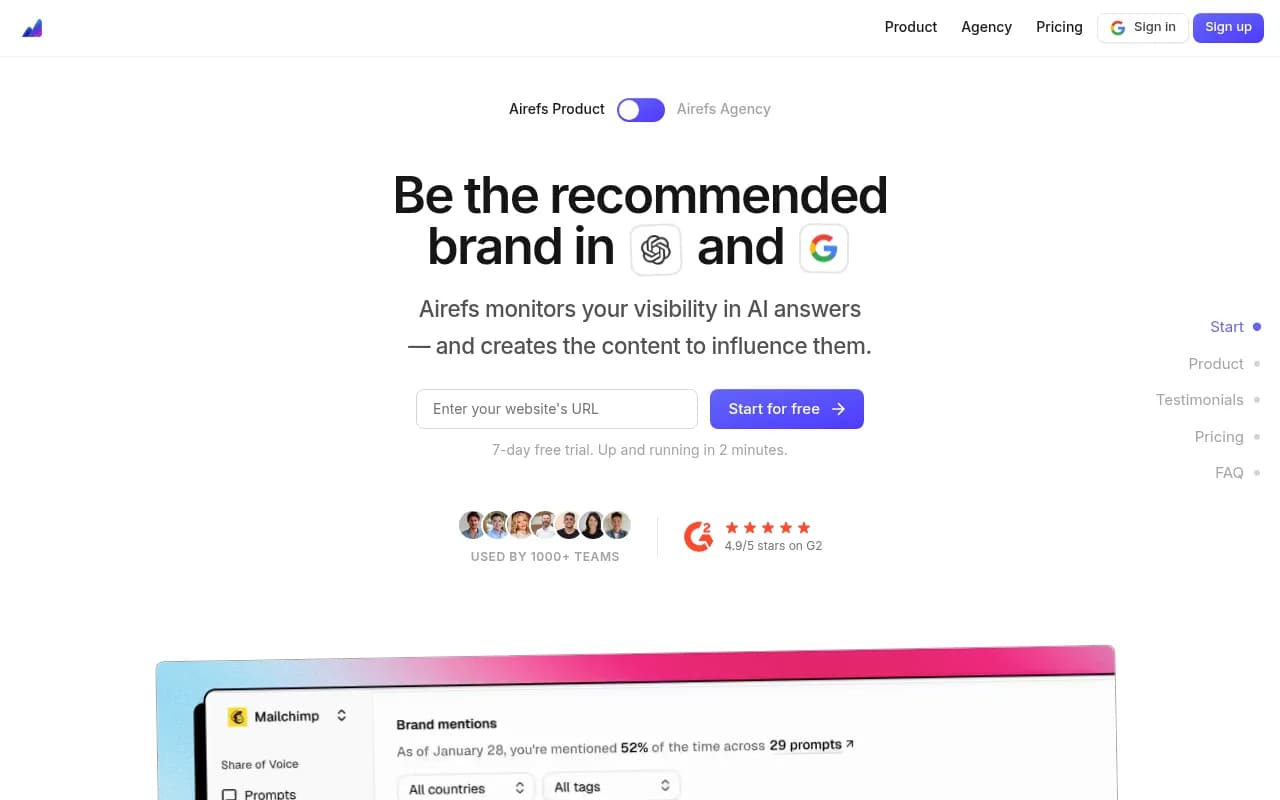
Start with a low-cost tracker for baselines and a free audit for pitches. Promptwatch has a free Explore tier and a no-login AI visibility report, which work for first conversations. Airefs and Otterly are cheaper tracker options.
Mid-size agency with 10 to 30 clients
You need workspaces, white-label PDFs and a way to turn insights into work. Look at execution platforms with agency tiers. Promptwatch's agency plans run from $199 to $799 a month, with unlimited projects and prompts. Confirm current numbers at promptwatch.com/pricing. Scrunch AI and Search Party also target agencies.
Enterprise agency or holding company
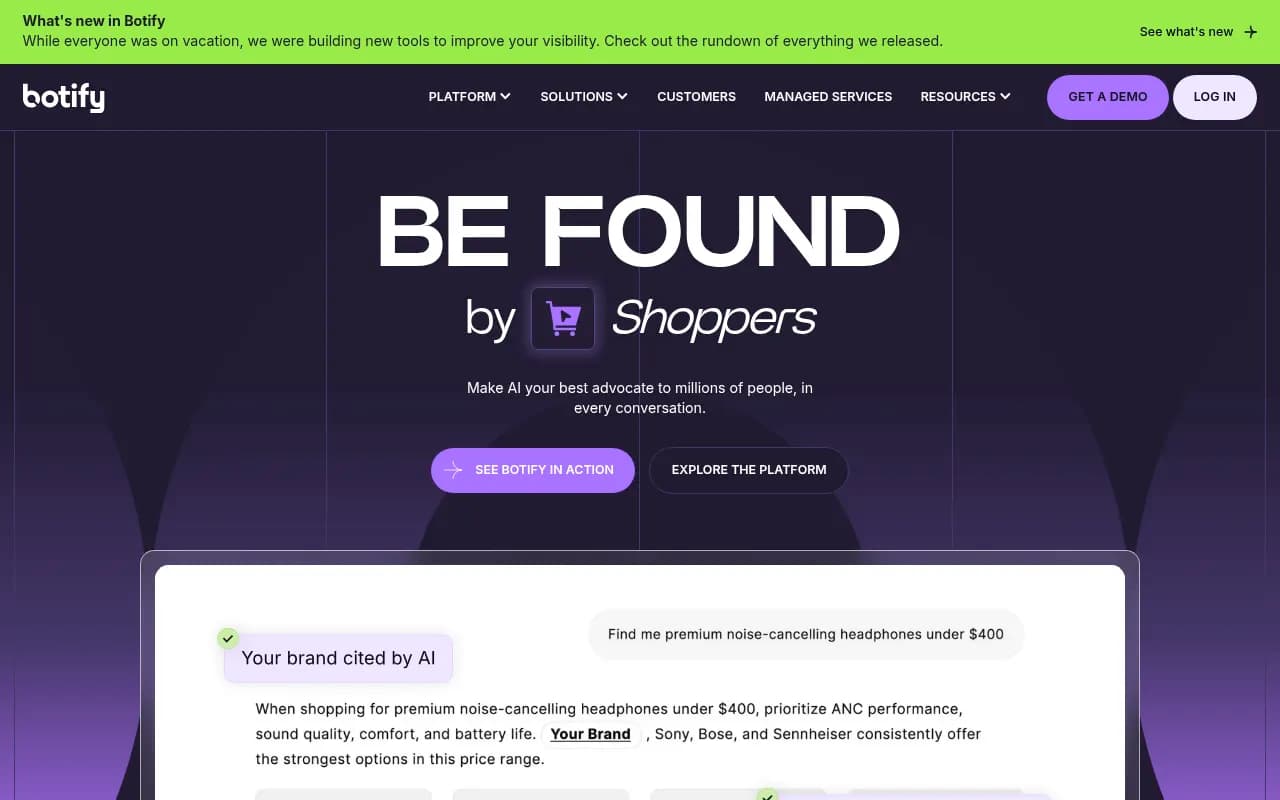
Expect procurement, SSO and audit logs. Enterprise-oriented options include Profound, BrightEdge, Botify, Bluefish and Brandlight.


To compare more of the category, the directories at bestgeosoftware.com and ai-rank-tools.com are good places to browse.
Who is winning the agency market?
My read, with the caveat that I have not benchmarked every vendor's agency plan:
- Execution platforms are winning agency budgets, because agencies bill for outcomes and trackers only show scores.
- SEO suites keep the installed base, but few agencies rate their AI modules as the main GEO tool.
- Pure trackers are getting squeezed from both directions. Their low price is the draw, and it is also the problem.
- Promptwatch has the most complete end-to-end stack I have seen: real-UI tracking, crawler logs, traffic attribution, content publishing and white-label reporting. It also has agency-specific momentum, including a live session on October 22 called Auditing & Scaling AI Search for Clients. It is not the only tool you could choose, but it is the one I would start a comparison with.
That is a verdict about tools, not agencies. For agencies themselves, the self-ranked lists settle nothing. Ask for a client reference, a sample report, and the exact tool stack they use.
Questions to ask before you buy or hire
- Does it track real user interfaces, or only API responses?
- Can I see AI crawler activity per page, with spoofed bots filtered out?
- Can I tie AI visits to conversions?
- What does a multi-client plan cost at 15 clients, not at one?
- Can I white-label reports and give clients portal access?
- How does it handle platform changes, like the August ChatGPT shifts?
- If it writes content, how does it keep brand voice and facts straight?
Run a 30-day pilot on one client and one tool. If the tool cannot explain why a page is or is not cited, keep looking.
Bottom line
The agency GEO market in late 2026 is crowded and loud. Tools matter more than the rankings of agencies that rank themselves. Pick the tooling that explains causes and ships fixes, not just one that charts a score. For most agencies that means starting with an execution platform such as Promptwatch, keeping an SEO suite for classic work, and using a cheap tracker only where a client truly needs nothing more.