Key takeaways
- Traditional SEO tools (Semrush, Ahrefs, Search Console, crawlers) still measure rankings, links, technical health and organic clicks. AI engines pull from content that already ranks and earns trust, so this layer is not optional.
- AI SEO solutions answer questions a rank tracker cannot: are we mentioned in ChatGPT, which pages get cited, which AI crawlers visit, and does AI traffic convert.
- Citation behaviour differs by engine. Google AI Overviews cites social platforms far more than ChatGPT does, so one blended number hides the real picture.
- The cleanest stack is a classic suite for foundations plus one AI visibility platform for citations, crawler logs and action. Avoid buying three overlapping monitors.
- Start with foundations if they are weak. Add AI tooling once there is something worth citing.
The short version of the debate
Every few months someone declares SEO dead. Then the same person goes back to checking Search Console. The reality in 2026 is less dramatic and more annoying: you have two measurement problems now, and the tools built for one do a poor job on the other.
A traditional SEO tool answers "where do I rank for this keyword, who links to me, and what is broken on my site?" An AI SEO solution answers "when someone asks ChatGPT or Google AI Mode about my category, am I named, cited, and recommended?" Those are different questions, with different data sources, and neither tool class can fake the other's answers.
Most of the advice I read frames this as a choice. It is not. Several of the sources I looked at, including 6S Marketers and Damteq, land in the same place: AI SEO is a layer on top of traditional SEO, not a replacement.
What traditional SEO tools still do better
Let me be fair to the old guard first, because there is a lot of premature funeral planning going around.
Rankings, volume and clicks
Google still sends the bulk of measurable organic traffic. Search Console, GA4 and rank trackers give you clean, first-party-ish data about impressions, positions and conversions. AI platforms do not offer anything like that yet. As Damteq puts it, AI search doesn't yet offer that level of transparency, which is why you keep both channels measured at once.
Technical health and crawlability
Site crawlers, log analysis and Core Web Vitals checks are still the base layer. An AI engine cannot cite a page it cannot fetch, and it will not trust a page that is slow, broken or orphaned. Enterprise crawlers like Botify and suites like BrightEdge exist for exactly this.
Backlinks and authority
Link data from Ahrefs and Semrush remains the best proxy for authority. AI engines lean on trusted sources, and trust is still partly a link-and-mention story.
Keyword research and content briefs
Keyword demand, SERP features and competitor gaps still shape what you write. Content optimizers such as Surfer SEO, Clearscope and MarketMuse work from search data, which remains useful because search data is still where most demand lives.
What AI SEO solutions do that classic tools cannot
Here is where the old tools run out of road.
Measuring mentions and citations per engine
A rank tracker has no concept of "cited in ChatGPT but not named in Perplexity." AI visibility platforms run prompts against the engines and record whether you appear, where, and with what sentiment. That includes real interface behaviour, which can differ from API output.
The per-engine part matters more than people expect. In Promptwatch's social citation data for Sep 28 to Oct 4, 2026, ChatGPT drew only 0.46% of its citations from social platforms, while Google AI Overviews drew 12.2%. Perplexity sat at 2.7%. If your plan involves YouTube or Facebook presence, that is a meaningful difference by engine, and a classic tool will never show it to you.
Understanding which page types get cited
What gets cited is not the same as what ranks. In Promptwatch's ChatGPT content type report (Sep 28 to Oct 4, 2026), product pages were the most cited type at 22.4% of classified citations, with landing pages at 16.8% and listicles at 13.6%. For commercial prompts like "best CRM for small businesses," product pages, landing pages, listicles and comparisons made up almost 70% of citations.
I find that useful and a little humbling. A lot of SEO teams pour effort into long-form blog content while the pages ChatGPT quotes most are the commercial ones they treat as an afterthought.
AI crawler visibility
Classic log tools see Googlebot. They are not built to separate real GPTBot or ClaudeBot traffic from spoofed user agents. Promptwatch's AI crawler traffic report (June 8 to Sep 6, 2026, IP-verified) showed OpenAI at 79.8% of verified AI crawler requests in the week of Aug 31 to Sep 6, down from 94.8% in early June. The mix is moving. If a provider is large in that data and near zero in your logs, you may be blocking it by accident through robots.txt, a CDN or a WAF.
Attributing AI traffic and acting on gaps
The better AI platforms now connect citations to visits and to publishing workflows, not just dashboards. That is the line I would use to separate a monitor from a platform.
Side-by-side comparison
| Job to be done | Traditional SEO tools | AI SEO solutions |
|---|---|---|
| Keyword rankings and SERP features | Strong | Weak or absent |
| Backlink and authority analysis | Strong | Limited |
| Technical site audit | Strong | Partial, AI-readability focused |
| Organic clicks and conversions | Strong (Search Console, GA4) | Only AI referral traffic |
| Mentions and citations in ChatGPT, Perplexity, AI Overviews | None | Core function |
| Prompt-level share of voice and sentiment | None | Core function |
| AI crawler logs | Rarely | Strong in some platforms |
| Content gap vs what AI cites | None | Strong in some platforms |
| Cost predictability | Mature pricing | Varies widely, often per-prompt |
The table is slightly unfair to both sides because the best tools on each side have started borrowing from the other. Which brings us to the middle ground.
The hybrid tools: how far do they go?
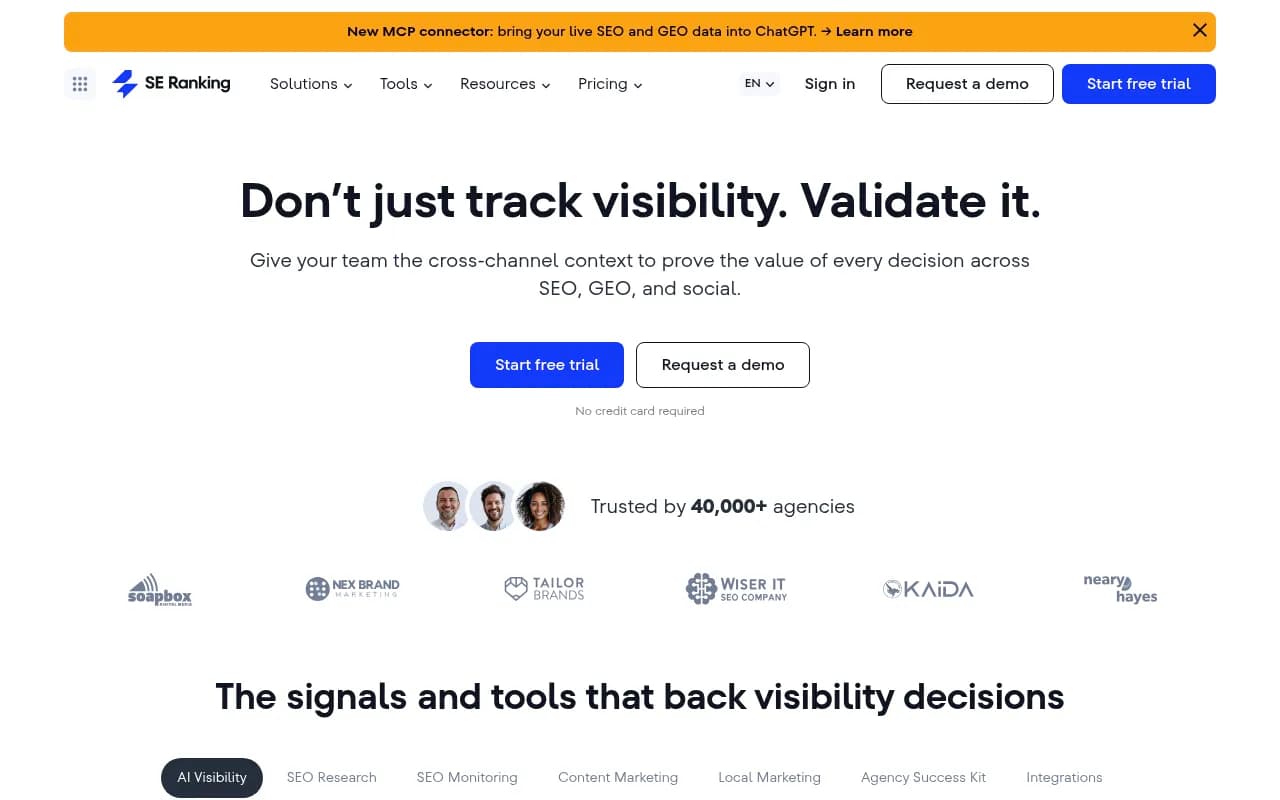
Every major suite has bolted on AI tracking. Semrush has its AI Visibility Toolkit, Ahrefs has Brand Radar, and SE Ranking has Visible. Search Atlas and SEORCE market themselves as unified SEO plus GEO platforms.

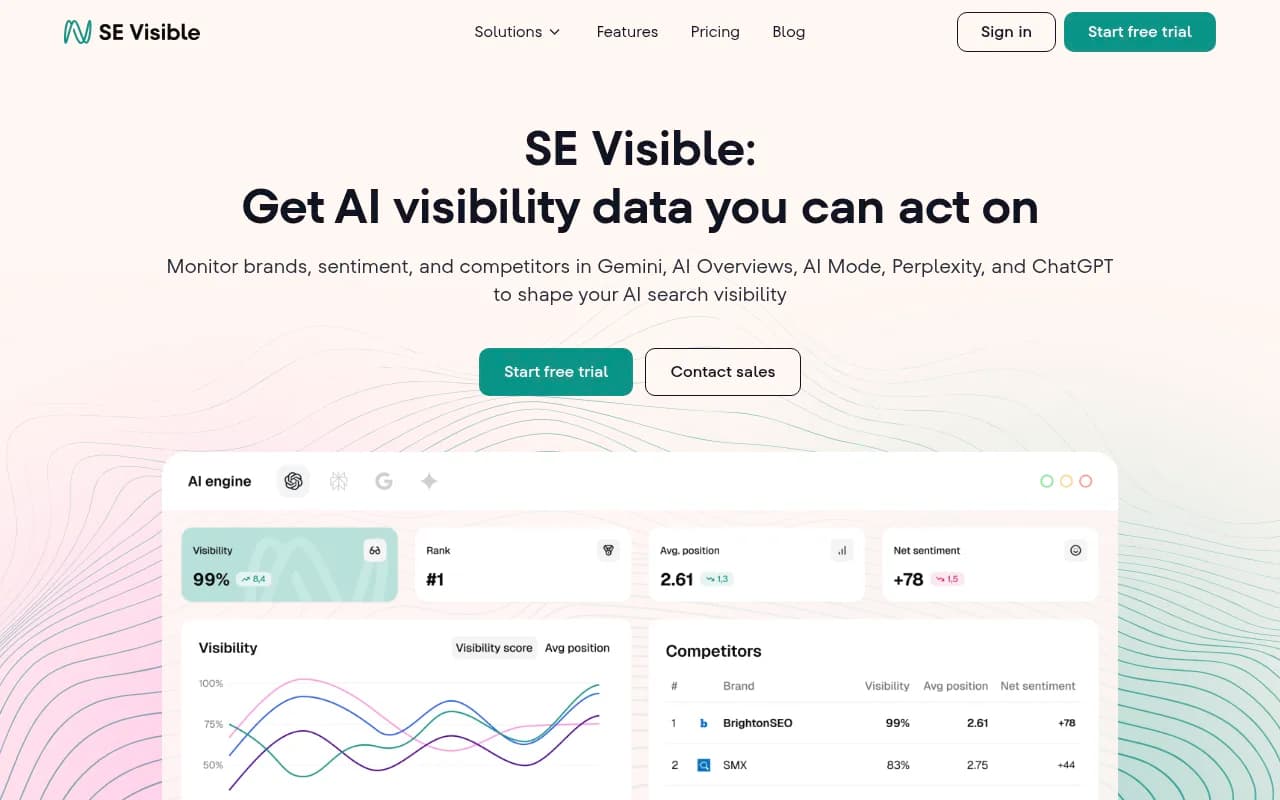
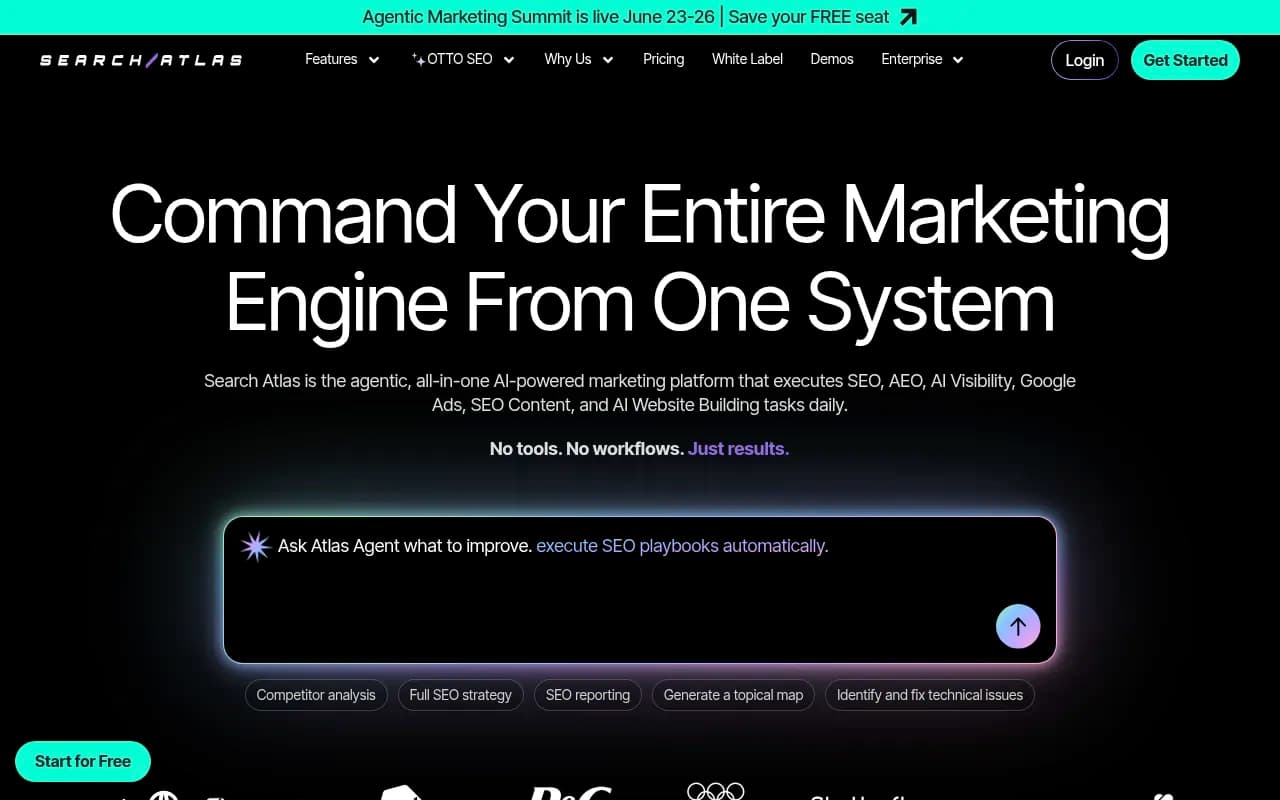
If you already pay for one of these suites, the add-on is a sensible first step. The trade-off is depth. Suite add-ons tend to track a fixed prompt set and give you mentions, but they rarely go into crawler logs, per-page citation paths, or publishing. Treat them as a smoke detector, not a fire department.
Dedicated AI visibility platforms
The dedicated category is crowded. A few that come up often:
- Profound and Scrunch AI lean enterprise monitoring.
- Otterly.AI and Peec AI are lighter, more affordable trackers.
- AthenaHQ and Qwairy focus on assistant visibility.
- Adobe LLM Optimizer fits teams already inside Adobe Experience Cloud.





Adobe LLM Optimizer
Then there is Promptwatch, which I would point to when the goal is to close the loop rather than just watch. It tracks the real interfaces of ChatGPT, AI Overviews, AI Mode, Gemini, Perplexity and others, adds IP-verified crawler logs and visitor analytics, and then moves into content gap analysis, a Content Agent that can publish to Webflow, Framer or WordPress, and an Action Board of prioritized fixes. It also pulls Google Search Console and Bing data next to AI data, which is the practical bridge between the two worlds this guide is about.

For a wider scan, the GEO software directory at bestgeosoftware.com lists far more options than I can cover here.
Why you cannot skip the old layer
The data supports the "stack" view. If product pages, landing pages and docs lead ChatGPT citations, then classic on-page work, crawlability and site architecture are feeding AI visibility directly. Promptwatch's content half-life report adds a timing angle: of pages ChatGPT cited on July 6, 2026, landing pages and docs stayed cited longest, while news lost half its pages within 36 days. Evergreen, well-maintained pages win in both systems.
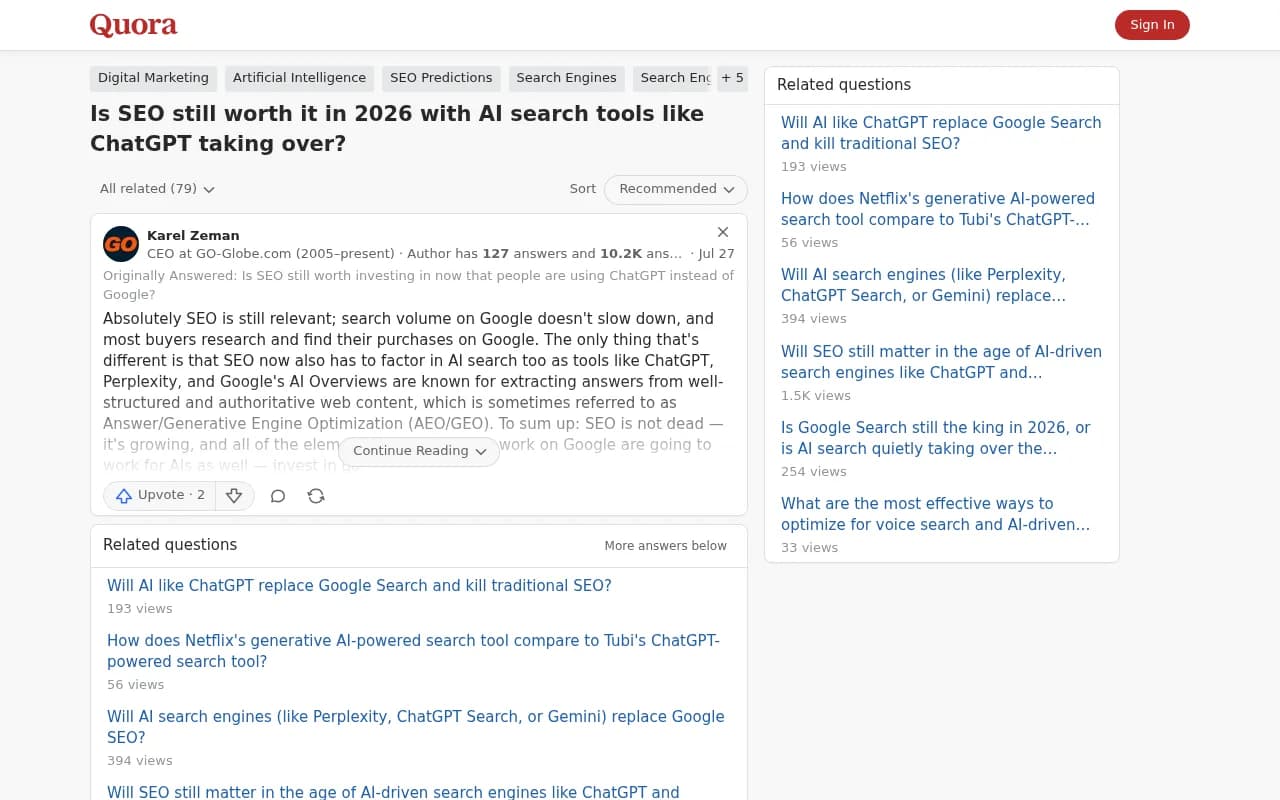
There is also the human-opinion version. One Quora answer in the research put it well: for a B2B client, Google traffic fell around 30% over a year while demo calls stayed flat, because the lost traffic was the kind that never bought. The advice was to write fewer pages with more real experience in them and get named on sites AI engines trust. That is a tracking-plus-content job, not a tool swap.
Where each tool class gives you false confidence
A few failure modes I would watch for:
- A green rank tracker can mask a brand that never gets mentioned by AI. Page one is not the same as the answer.
- A high AI visibility score can hide a technical problem. If crawlers hit errors on your key pages, the score will eventually fall.
- Single-number blending across engines hides divergence. ChatGPT, Perplexity and AI Overviews cite different source mixes, so read them separately.
- Fixed prompt sets in suite add-ons can miss the prompts your buyers actually use. Look for tools with prompt volumes and query fan-out data.
- Reporting only AI mentions without checking AI referral traffic. Citations without visits are awareness, which is fine, but know which one you are buying.
Building a stack that does not overlap
Here is a practical way to think about it by team size.
| Situation | Foundation layer | AI layer |
|---|---|---|
| Solo founder or tiny team | Search Console, GA4, one affordable keyword tool such as Ubersuggest or SE Ranking | Free scans first, then a low-cost tracker |
| In-house SEO team | Semrush or Ahrefs plus a crawler | One dedicated AI visibility platform with crawler logs |
| Agency | Suite of choice plus rank tracking | AI platform with white-label reporting and multi-client workspaces |
| Enterprise | Botify, BrightEdge, Conductor or seoClarity | Enterprise AI visibility with governance, plus content workflows |
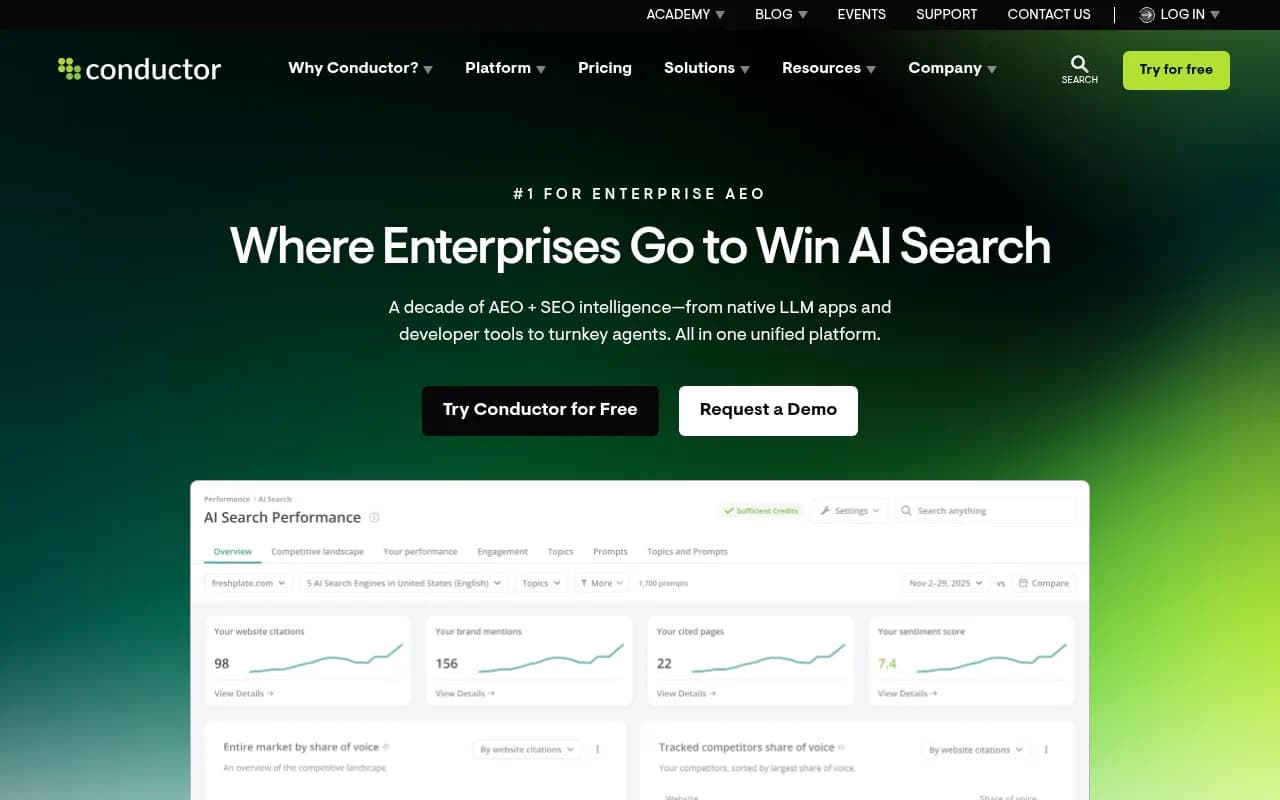
Two rules keep this sane. First, do not run three AI monitors that report the same mentions. Second, make sure at least one tool connects AI data to page-level outcomes, meaning crawls, citations and clicks per URL.
A workable order of operations
- Audit the foundations. Fix crawl errors, thin pages, broken links and slow templates with your classic tools.
- Check AI crawler access. Review robots.txt, CDN and WAF rules for each AI provider and compare against what your logs show.
- Pick 30 to 50 prompts that mirror real buyer questions, split by commercial, informational and branded intent.
- Baseline your visibility per engine, not blended.
- Find pages that rank in Google but never get cited, then rework them as clear, extractable answers with current facts.
- Earn mentions on sources the engines already cite, including review sites and roundups.
- Re-measure monthly. Citation data moves faster than rankings do.
For teams that want help rather than another login, an agency that runs both disciplines together is an option. 1001 SEO Media works on technical SEO, content and GEO under one roof, and uses Promptwatch for AI visibility work.
Do you need to pay for both?
It depends on where you are. If your foundations are broken, spend on classic SEO first. There is nothing to cite yet. If your rankings are healthy and AI answers are still skipping you, an AI visibility platform is the more valuable add. If budget is tight, use Search Console and GA4 plus a free AI visibility scan, then upgrade when you can see a gap worth closing.
What I would not do is treat one as the cheaper substitute for the other. They measure different surfaces, and in 2026 your buyers use both. Keep the classic suite for rankings, links and technical health. Add one AI platform for citations, crawlers and AI traffic. Review the pair every quarter, because both categories are changing quickly and pricing is moving with them.
For current pricing on any tool mentioned here, check the vendor's own site before you commit.