Key takeaways
- "AI search tools" means two different things: engines you use to research (Perplexity, ChatGPT Search, Gemini) and platforms that measure how those engines talk about your brand. Marketers need both.
- Most roundups are vendor-authored. Supermetrics ranks Supermetrics first and Semrush ranks Semrush. Read rankings with that in mind.
- Content tools are the crowded middle. Pick one for drafting and one for optimization, and ground both in citation data instead of keyword guesses.
- Tracking is where teams are weakest. A dashboard that reports a score is not enough; you want crawler logs, traffic attribution and a way to act on gaps.
- In ChatGPT, product pages and landing pages take about 39% of citations (Promptwatch Data, Sep 28 to Oct 4, 2026). Your own commercial pages matter more than most content calendars admit.
What counts as an AI search tool for marketers?
The phrase gets used loosely, so let me split it. There are three jobs a marketer actually has here.
- Research: using AI engines to find answers, competitors, audience language and sources faster than a classic search session.
- Content: drafting, optimizing and refreshing pages so they perform in Google and get cited by AI engines.
- Tracking: measuring whether ChatGPT, Gemini, Perplexity, Claude and Google AI Overviews mention you, cite you, and send you visitors.
Most listicles blur these together and rank fifty tools on one scale. That is how you end up with a general-purpose assistant sitting next to a citation tracker. They do different work. This shortlist keeps them apart.
One caveat on the sources. The big roundups published this week, like the Supermetrics list of 31 tools (dated Nov 2, 2026), are written by vendors who put their own product at the top for marketing intelligence. They are still useful for one thing in particular: the pricing pitfall they flag. Free tiers often exclude AI features or commercial use. Mailchimp's free plan leaves out generative AI, and Photoroom and Kling AI restrict commercial use. Check the licence before you build a workflow on a free plan.
Why tracking deserves its own budget line
Here is the part that surprised me when I looked at the numbers. AI engines do not behave alike, and they change fast.
Promptwatch Data shows that from Sep 28 to Oct 4, 2026, ChatGPT drew only 0.46% of its citations from social platforms, while Google AI Overviews drew 12.2%. Reddit fell from 5.19% to 0.09% of ChatGPT citations after the August collapse. If your plan last spring was "get discussed on Reddit so ChatGPT picks it up," it quietly stopped working.
What does ChatGPT cite instead? In Promptwatch's content type report, product pages got 22.4% of classified citations and landing pages 16.8%. Listicles got 13.6%, how-tos 8.7%, comparisons 5.9% and news 5.7%. For commercial prompts like "best CRM for small businesses," product pages, landing pages, listicles and comparisons make up almost 70% of citations.
The practical read: your pricing page and your comparison pages are citation surfaces, not just conversion pages. And news content decays quickly; the content half-life report shows news pages losing half their citations in about five weeks, while landing pages and docs hold on for months.
You cannot see any of this from a keyword rank tracker. That is the argument for dedicated tracking.
Shortlist at a glance
| Job | Tool | Best for | Watch out for |
|---|---|---|---|
| Research | Perplexity | Cited, source-first research | Not a measurement tool |
| Research | ChatGPT Search | Turning findings into drafts | Citations vary by query |
| Research | Gemini | Competitive intelligence inside Google's stack | Output quality varies by task |
| Content | Jasper | Brand-voice marketing copy | Not grounded in citation data |
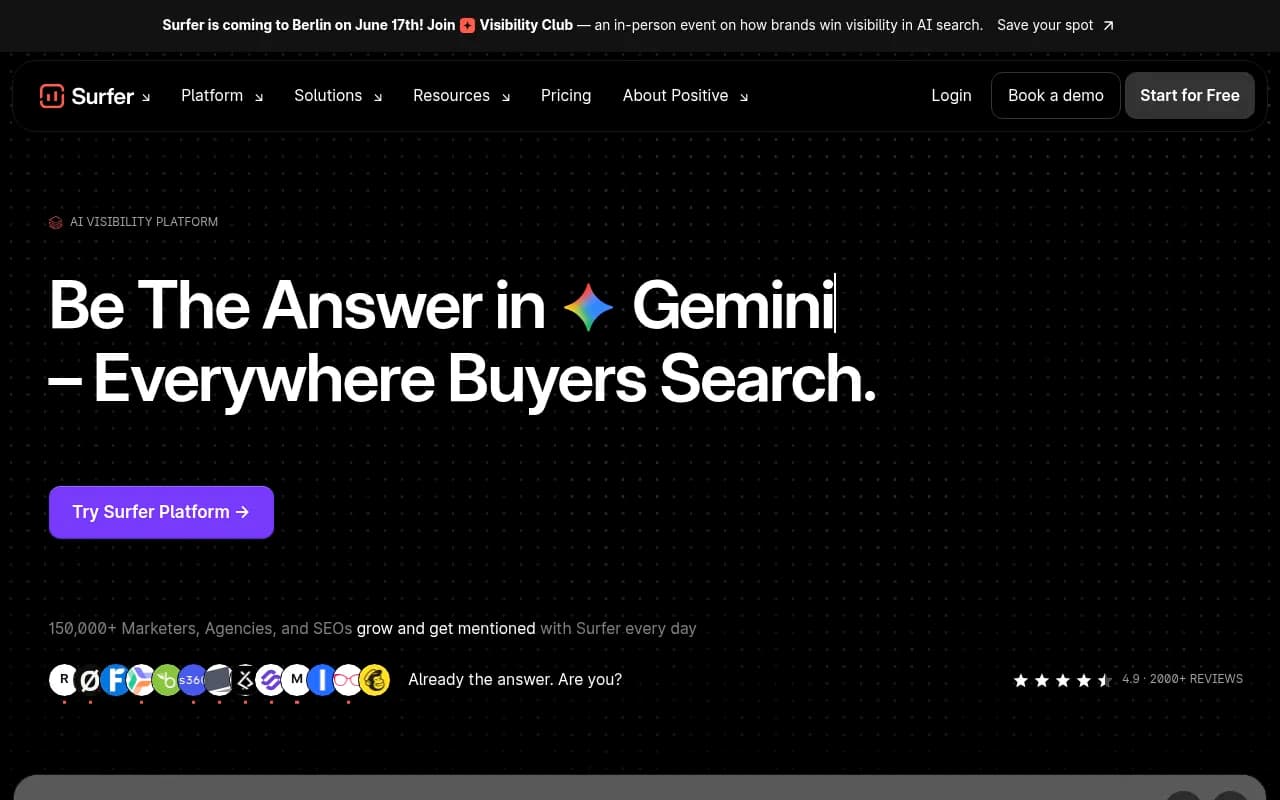
| Content | Surfer SEO | On-page optimization | Optimizes for Google first |
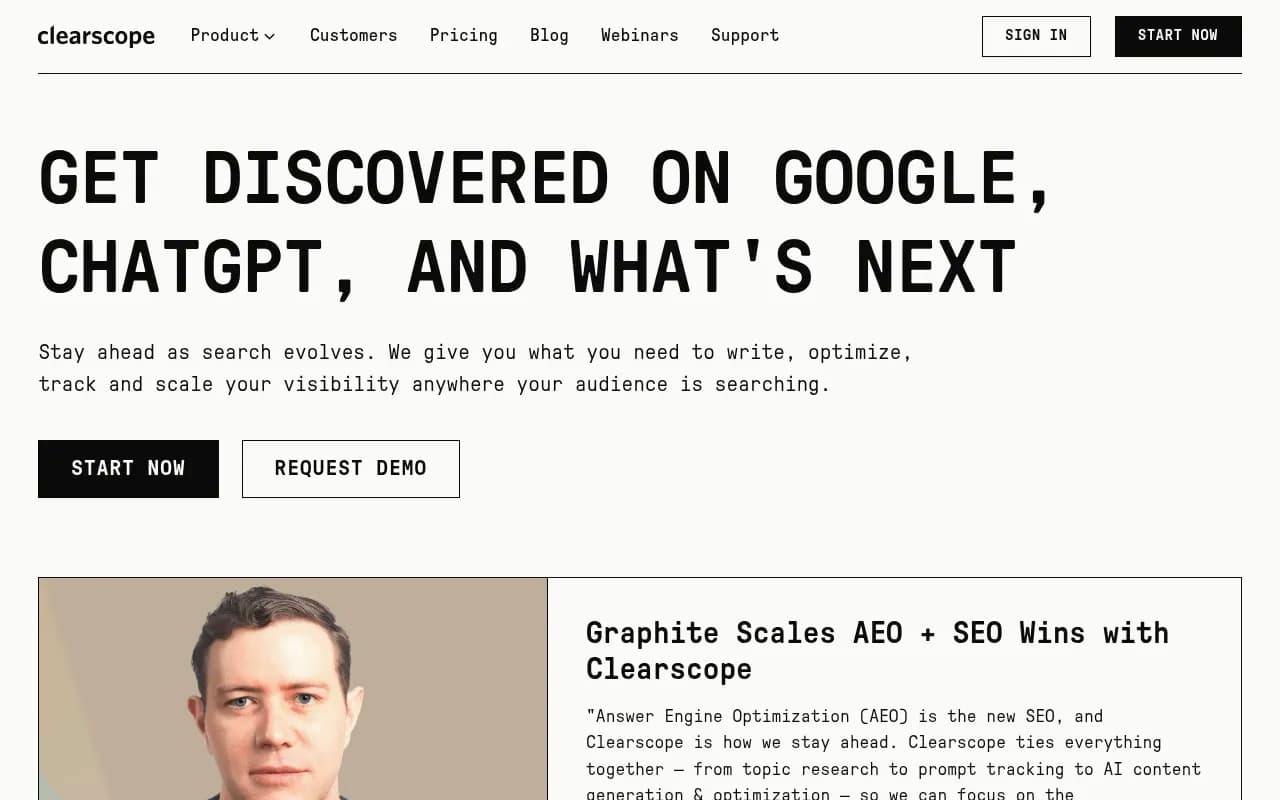
| Content | Clearscope | Editorial teams that want clean scoring | Premium pricing |
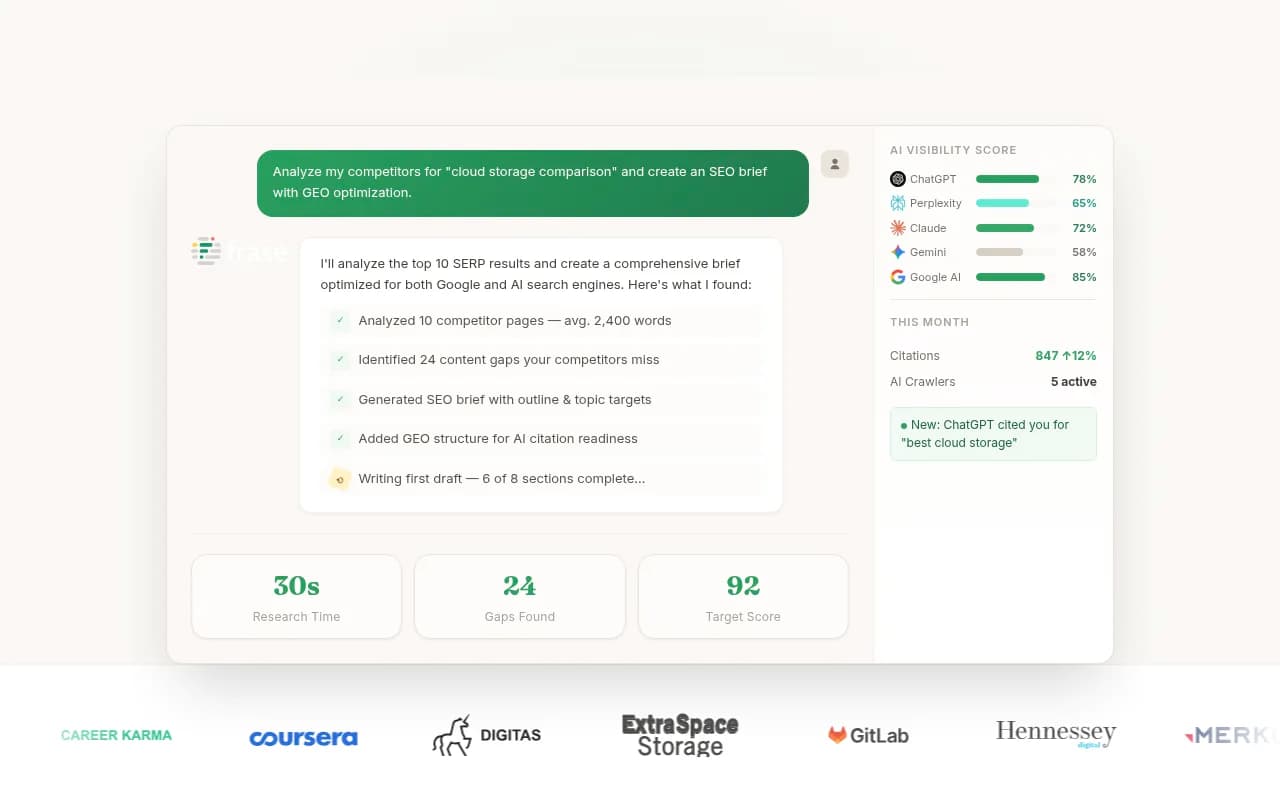
| Content | Frase | Briefs and optimization on a budget | Less depth at scale |
| Tracking | Promptwatch | Monitor, trace, act and measure in one loop | Content Agent starts at the Business plan |
| Tracking | Profound | Enterprise monitoring | Higher price, monitoring-led |
| Tracking | Peec AI | Lightweight prompt tracking | No crawler logs or content generation |
| Tracking | Otterly.AI | Affordable brand monitoring | Basic feature set |
| Tracking | Semrush AI Visibility Toolkit | Teams already inside Semrush | Fixed prompt sets, shallower AI data |
Research: engines you use to find answers
Research is the easy category because you probably already use these. The question is which one for what.
Perplexity
Perplexity is the one I reach for when I need sources I can verify. Every claim is linked, so you can check it in a click. One roundup from CommercePundit calls it the best AI search engine for research and citations, which matches my experience. Good for competitor teardowns, market sizing sanity checks and finding the original study behind a stat that everyone repeats.
ChatGPT Search
ChatGPT is stronger when you want to turn what you found into something: an outline, a brief, a comparison table. It runs multiple web searches per response (query fan-outs), so answers often synthesize more sources than you would open yourself. Treat it as a first draft of research, not a final one.
Gemini
Gemini fits teams living in Google Workspace. It is useful for competitive analysis and remixing existing content, and it shows you how Google's own AI surfaces think about a topic, which matters because AI Overviews cite very differently from ChatGPT.
A habit worth building: ask the same buyer question in all three and compare which brands and sources come up. It takes ten minutes and tells you more about your market position than most reports. Once you want to do that at scale, across many prompts, countries and personas, you have moved into tracking.
Content: drafting and optimizing pages
This is the most crowded category, and the one where tool choice matters least compared to the inputs you give it. A mediocre tool with a sharp brief beats a great tool with a vague one.
Writing and drafting
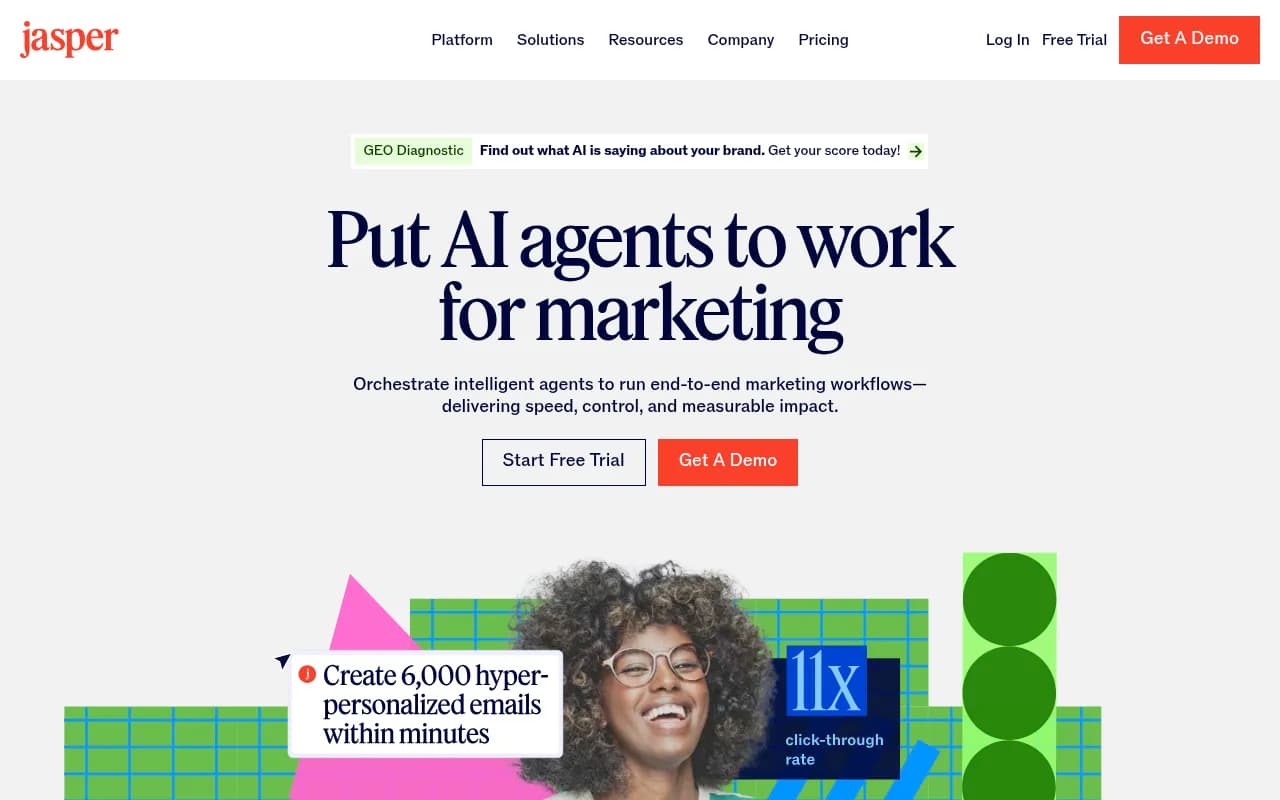
Jasper is built for marketing teams that need consistent brand voice across campaigns.
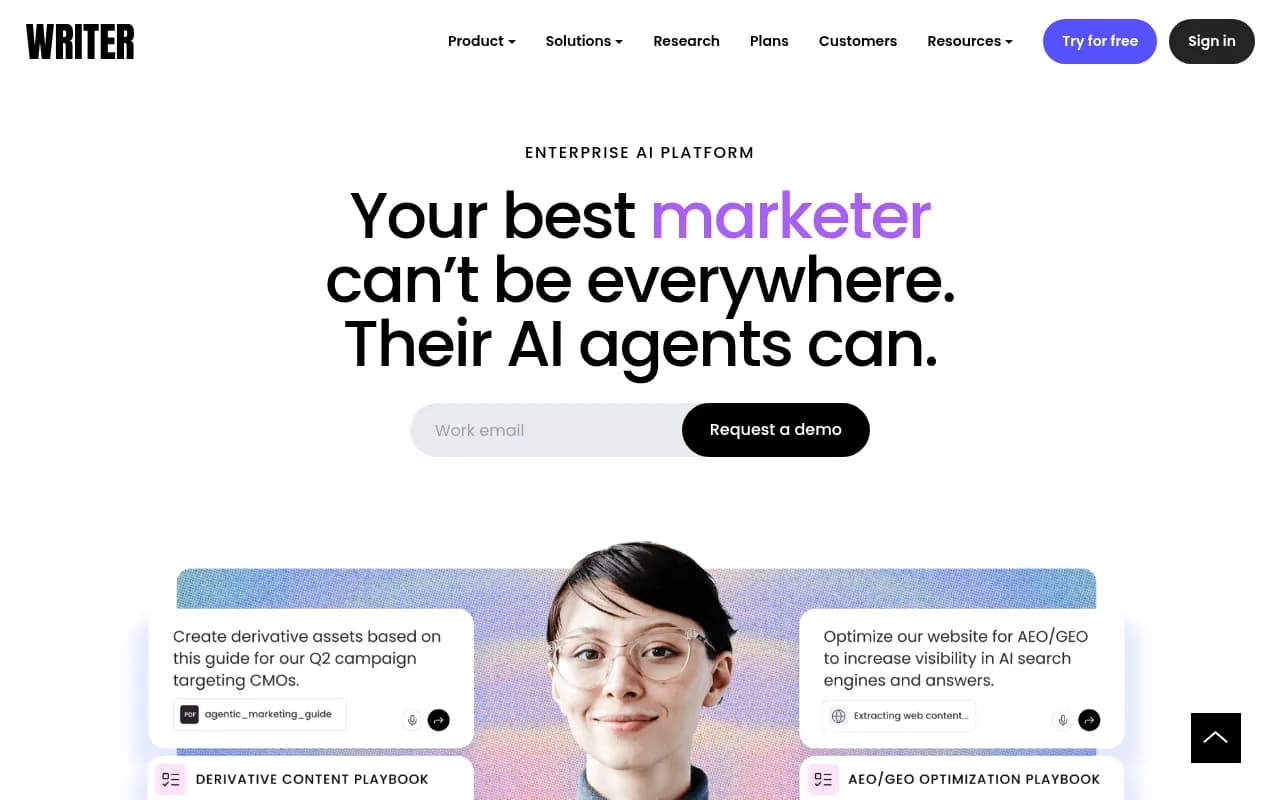
If you work at enterprise scale and want governance baked in, Writer is the alternative with strong brand controls.
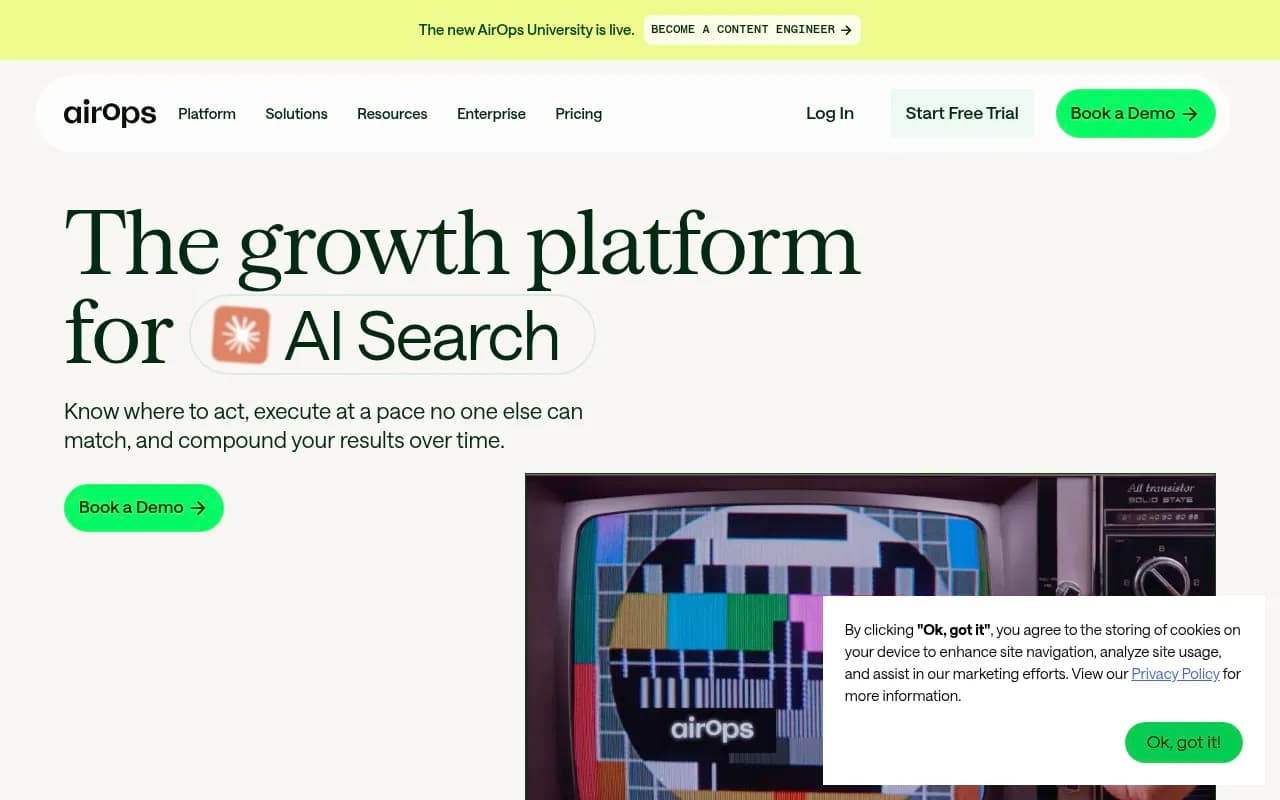
For AI workflows that chain research, drafting and publishing, AirOps is worth a look.
The weakness shared by this group: none of them know what AI engines currently cite for your topic. They write well, but they write blind.
Optimization
Surfer SEO and Clearscope score your draft against what ranks. Both are good at that. Frase is the cheaper route to briefs and optimization.
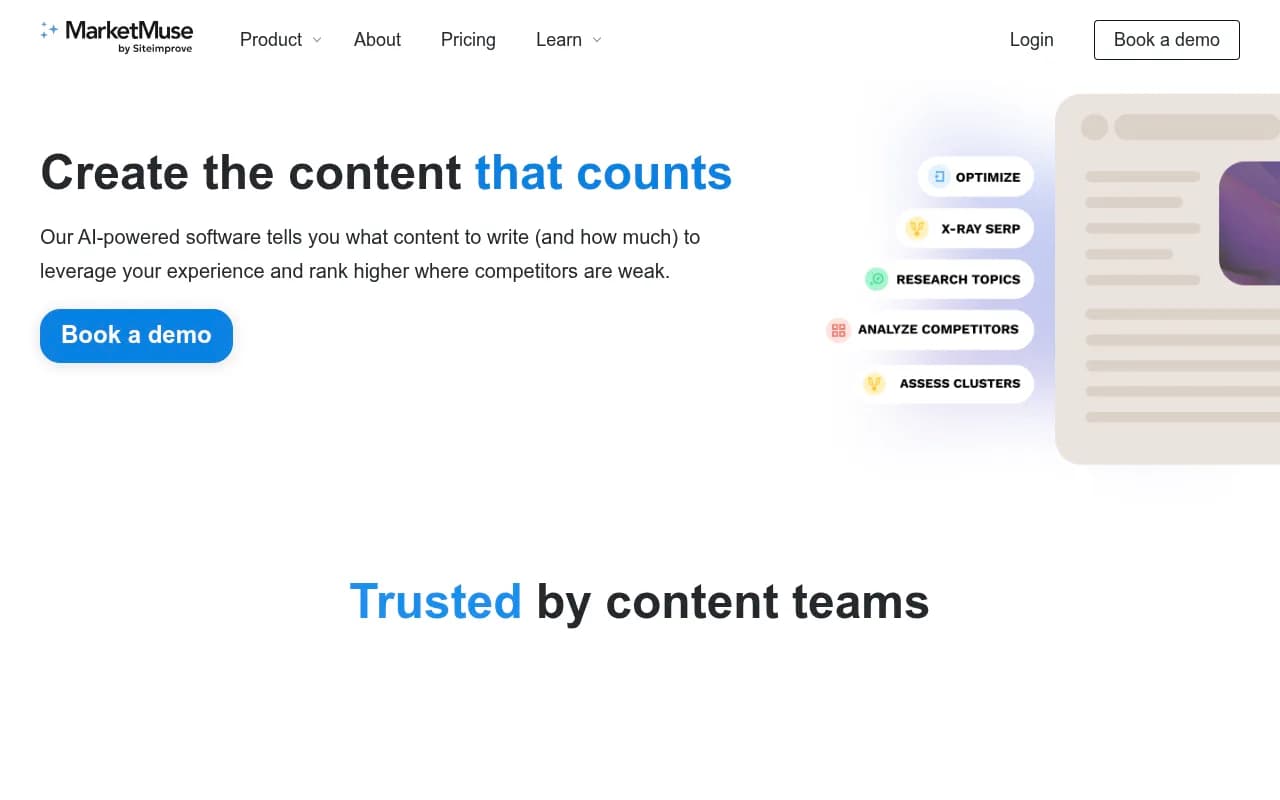
MarketMuse is more of a content strategy and planning tool; it helps decide what to write, not just how to polish it.
The honest limitation: these optimize toward Google's ranking pages. That still matters, since pages that rank are often the ones AI engines fetch. But a page can rank well and never be cited, and these tools will not tell you why.
Practical content rules from the citation data
Based on Promptwatch's content type findings, here is what I would do with any of the tools above:
- Keep product and landing pages complete, with pricing and specs visible. They are the main citation surface.
- Publish comparison pages. They earned 7.9% of commercial-prompt citations.
- Keep documentation public and crawlable.
- Add FAQ pages; they earned 4.8% of branded-prompt citations.
- Collect reviews on trusted sites. Reviews rise to 5.6% of citations on branded prompts, more than three times their overall share.
- Do not bet on news-style posts for lasting citations.
Tracking: measuring AI visibility
This is the category where the tools differ most, and where marketing teams tend to buy the wrong thing. There are roughly three tiers.
- Prompt trackers answer "was my brand mentioned?" and stop there.
- Suites with an AI add-on (Semrush, Ahrefs, HubSpot) bolt AI tracking onto an SEO product. Convenient, but usually fixed prompt sets and shallow AI data.
- AI visibility platforms connect monitoring to action and measurement.
Promptwatch
Promptwatch sits in the third tier. It tracks ChatGPT, Gemini, Claude, Perplexity, Google AI Overviews, Google AI Mode, Copilot and others from the real user interfaces, by country and language, since API outputs can differ from what users see. Then it goes past the dashboard: it traces which of your pages get cited, shows IP-verified AI crawler logs so you can tell an access problem from a content problem, and measures AI-referred visitors and conversions.

The action side is what separates it from trackers. An Action Board prioritizes what to fix, content gap analysis maps your pages against the prompts AI answers, and the Content Agent writes and publishes to WordPress, Webflow or Framer, then checks whether the page gets crawled, cited and clicked. Reported results include Crisp seeing 2x higher conversion rates from AI traffic.
Pricing as listed at promptwatch.com/pricing: Essential $95/mo, Professional $245/mo, Business $579/mo, with agency plans from $199/mo. Confirm there before you budget. The Content Agent starts at Business, so smaller teams get tracking, Agent Chat, Brand Narrative and visitor analytics first. You can start with the 7-day free trial or the free AI visibility report.
Profound and other enterprise monitors
Profound is a strong monitoring product with enterprise polish, at a higher price and with less on the execution side. If you are comparing, see Promptwatch vs Profound.

Scrunch and AthenaHQ sit in similar territory: capable monitoring, lighter on content execution.

Lightweight trackers
Peec AI and Otterly.AI suit teams that want a simple answer to "are we mentioned?" without paying for the rest. The tradeoff is no crawler logs, no visitor analytics and no content generation.


SEO suites with AI add-ons
If your team already lives in Semrush or Ahrefs, their AI modules are the lowest-friction place to start. Just know the limits: fixed prompt sets and thinner AI-specific data. Semrush's own roundup puts its AI Visibility Toolkit first for tracking visibility and sentiment, which is worth reading as marketing, not a verdict.


Other trackers worth knowing
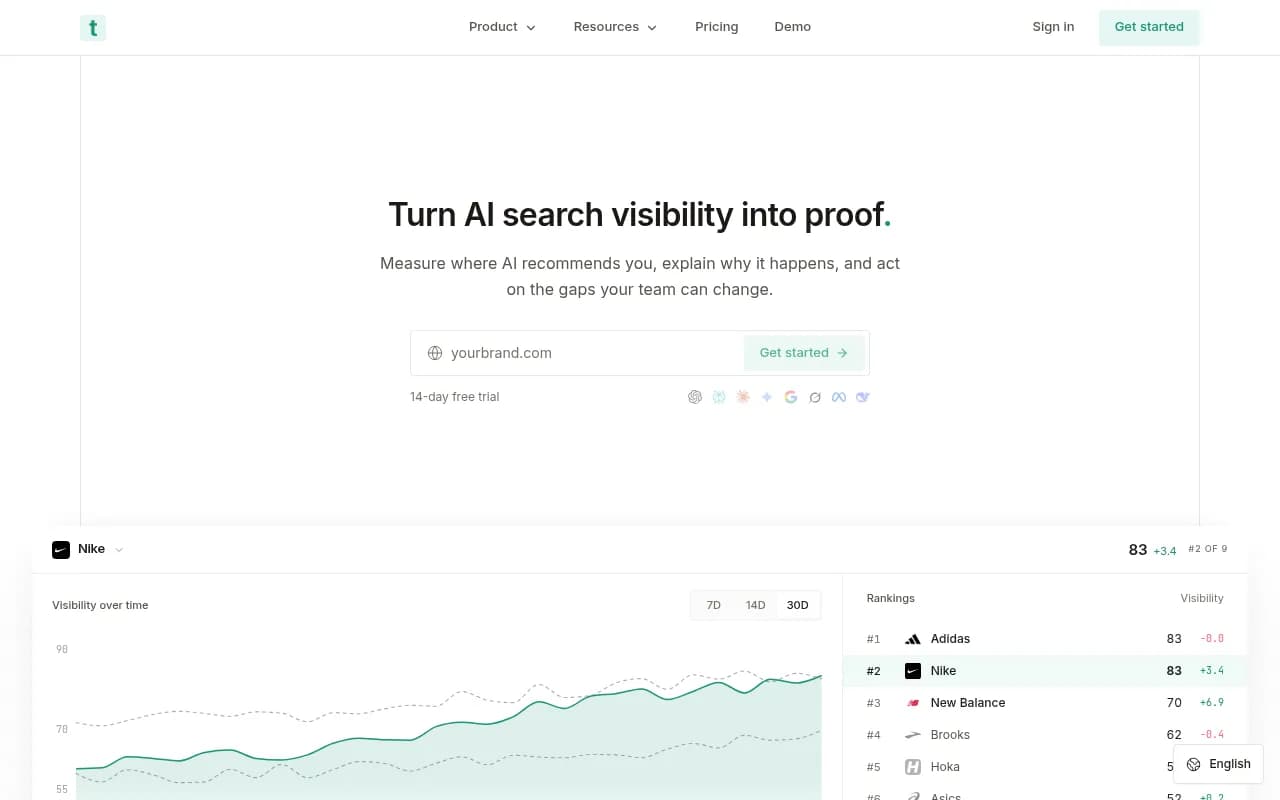
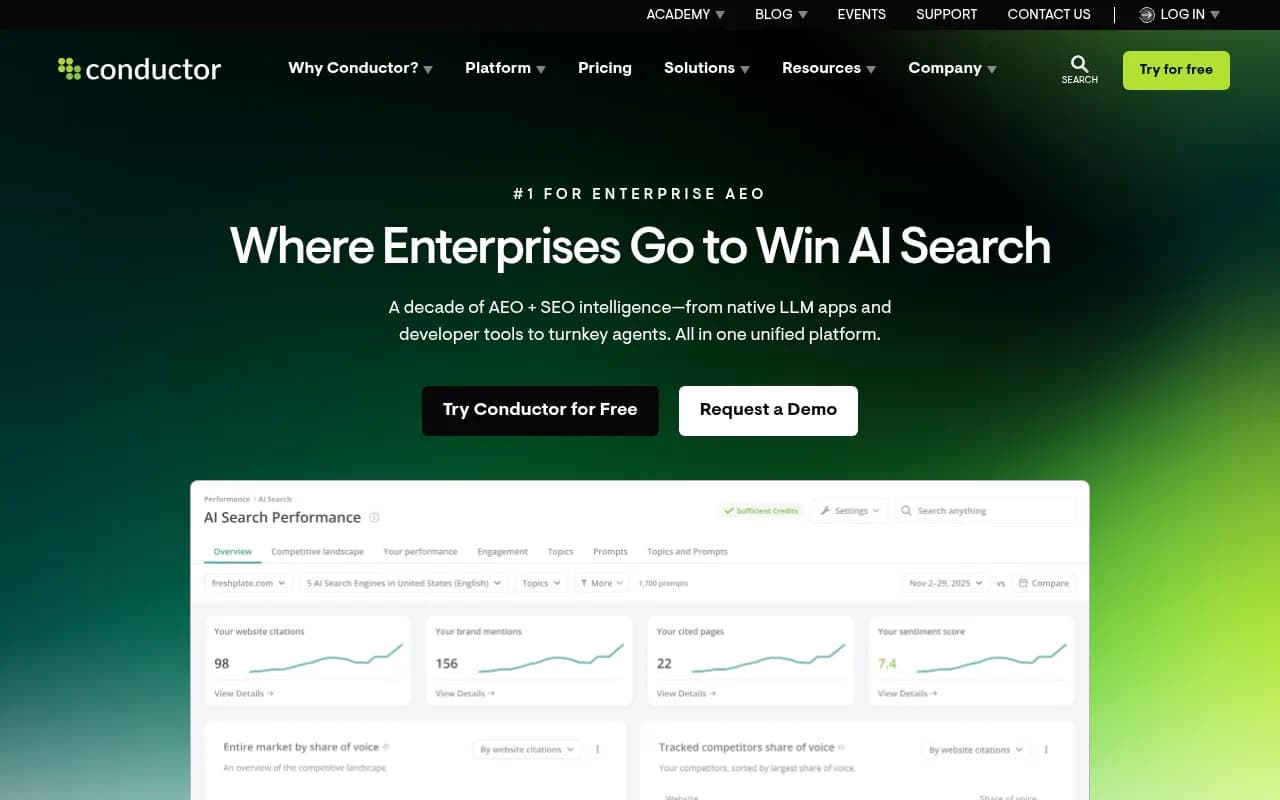
The category is large. A few that stand out for specific jobs: Trakkr and Passionfruit for tying AI visitors to revenue, BrightEdge and Conductor for enterprise SEO teams, and Birdeye Search AI for location-level tracking.
For a broader browse, the GEO software directory at bestgeosoftware.com lists far more options than any single article can.
How to choose: a simple decision path
| If you are... | Start with | Why |
|---|---|---|
| A solo marketer or small team on a budget | Perplexity or ChatGPT for research, Frase for content, a lightweight tracker | Cheap, and you learn what matters before spending more |
| A content team that publishes weekly | Surfer or Clearscope plus an AI visibility platform | Optimization plus evidence of what AI actually cites |
| An SEO team inside Semrush or Ahrefs | The built-in AI module first | Lowest friction; upgrade when you hit its limits |
| A brand that wants AI search to drive revenue | A platform with crawler logs, traffic attribution and content execution | Closes the loop from gap to published page to measured result |
| An agency | A tool with agency plans and unlimited projects | Per-client pricing gets expensive fast otherwise |
A starter workflow that uses all three jobs
- Research: Run your top ten buyer questions through Perplexity, ChatGPT and Gemini. Note which brands and sources recur.
- Baseline: Put those same prompts into a tracker. Record visibility, position and citation sources per engine and country.
- Find the gap: Compare pages AI cites against pages you have. Missing comparison page? Thin pricing page? Docs blocked to crawlers?
- Create: Draft with your content tool, optimize, and publish. Keep facts consistent with your product pages.
- Check access: Confirm AI crawlers can actually read the new page. The Agentic Readiness Check is a free place to start.
- Measure: Watch citations and AI-referred visits for a few weeks. Refresh whatever underperforms.
One detail on step six: ChatGPT stopped sending a referrer on October 8, 2026, so AI traffic is easy to undercount. Tagging links with utm_source=chatgpt.com, or using a tool with a setting that counts those visits, keeps your numbers honest.
Mistakes I see marketers make
- Buying a content tool and calling it an AI search strategy. Writing more does not fix an access or citation problem.
- Treating Reddit as a ChatGPT channel in late 2026. The data says otherwise.
- Tracking a single engine. Google AI Overviews, Perplexity and ChatGPT cite very different sources.
- Trusting a vendor's own ranking of itself. Including this one, so check the tools yourself.
- Ignoring free-tier limits. Commercial-use restrictions can bite after you have built a process around a tool.
Final thoughts
Pick one research engine, one content workflow and one tracking platform, and make sure the last one can feed the other two. If you need an agency to run that stack for you, 1001 SEO Media works on AI search and GEO alongside classic SEO. For the tracking layer, start with the free visibility report, see which engines mention you today, and let the gaps decide what you buy next. For more category browsing, ai-rank-tools.com covers AI rank tracking tools.