Key takeaways
- Three kinds of tools claim to do "AI SEO": classic SEO suites with an AI add-on, standalone AI visibility trackers, and content tools that bolt on tracking. They solve different problems.
- Track ChatGPT and Perplexity separately. They cite different sources, and Promptwatch Data shows their citation behavior is very different (Perplexity cites about 10 sources per answer, ChatGPT about 5).
- Monitoring alone tells you where you are invisible. It doesn't fix anything. Look for tools that connect tracking to content, crawler data, and traffic.
- Pricing figures below come from vendor and third-party roundups and may be stale. Confirm on each vendor's pricing page before you buy.
Why you need more than a rank tracker now
Traditional SEO tools were built to answer one question: where do I rank in Google? That still matters. But a growing share of your buyers ask ChatGPT or Perplexity for a shortlist and never see a results page.
OtterlyAI's 2026 roundup cites The Digital Bloom's 2025 AI Visibility Report: only 11% of cited domains overlap between ChatGPT and Perplexity, and roughly 80% of LLM citations don't rank in Google's top 100 for the same query. Treat those as one vendor's citation of a third-party study, but the direction matches what most teams see. Your Google rank tells you very little about whether an AI engine names you.
So the question for 2026 is which tool covers both worlds well enough, and what "covers" even means.
What the data says about ChatGPT vs Perplexity
Before picking a tool, it helps to know why tracking them separately matters.
Promptwatch Data on average sources per response shows that ChatGPT cites about 5 sources per web-search answer, while Perplexity cites almost exactly 10 every day, with barely a decimal of movement. That stability makes Perplexity a decent test bench: if your citations there change, it is probably because of your content, not engine noise. Google AI Overviews sits around 10 as well, and Copilot swings wildly, so judge it on monthly trends.
ChatGPT is also less narrow than that average suggests. In Promptwatch's data on unique domains per ChatGPT response (Sep 28 to Oct 4, 2026), 47.6% of responses cited 10 or more different domains. For organic prompts with no brand named, that rose to 52.5%. For brand-specific prompts it fell to 21.3%, with 5 domains the most common count.
What this means when you shop for a tool:
- A single "were we mentioned?" check per prompt is nearly useless. You need many prompts.
- Position in the answer and how you are described matter as much as the mention.
- You want to see which competitors show up in the same responses.
- Third-party listicles, review sites, and forums often decide whether you appear at all, so source-level citation data is not optional.
The three types of tools
Traditional SEO suites with AI tracking
These are the safe pick if you already pay for the suite. The AI layer is usually shallower than a dedicated tool, with fixed prompt sets and little crawler or traffic data, but the integration with keyword and backlink data is convenient.
Semrush AI Visibility Toolkit is an add-on, listed at $99/month per domain in the roundups I reviewed, tracking ChatGPT, Google AI, Gemini, and Perplexity. One roundup says it covers 140+ countries and 17 languages.
Ahrefs Brand Radar tracks ChatGPT, Perplexity, Gemini, Copilot, AI Overviews, and AI Mode, and overlays backlink data. One roundup lists it from $129/month. It is a good fit if Ahrefs is already your daily driver.

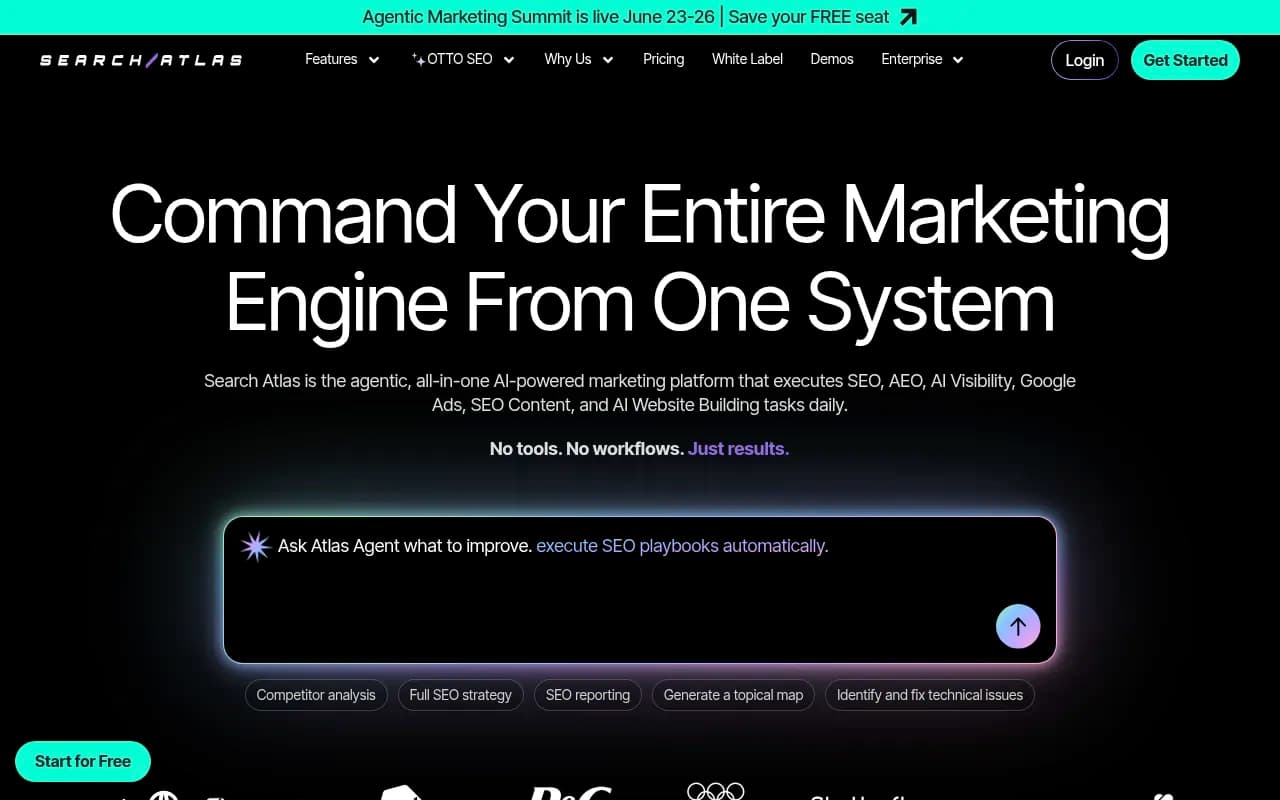
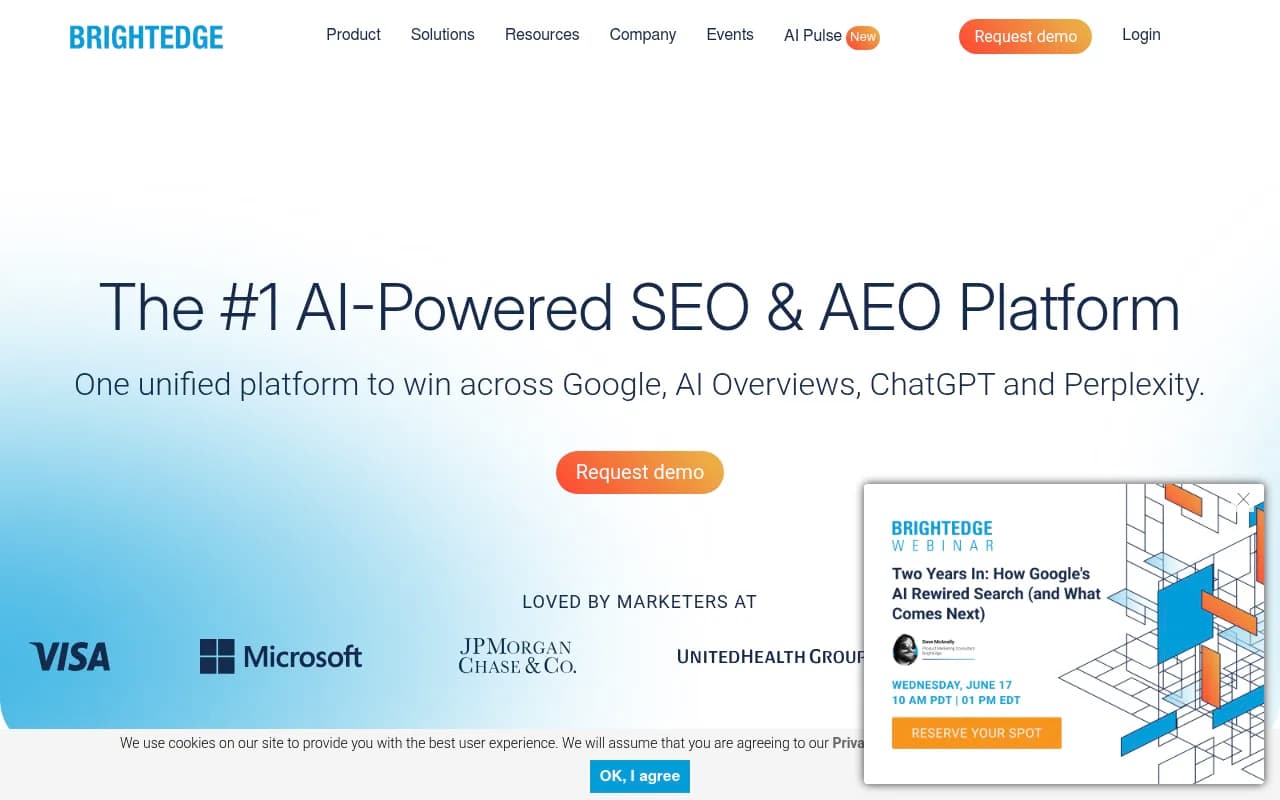
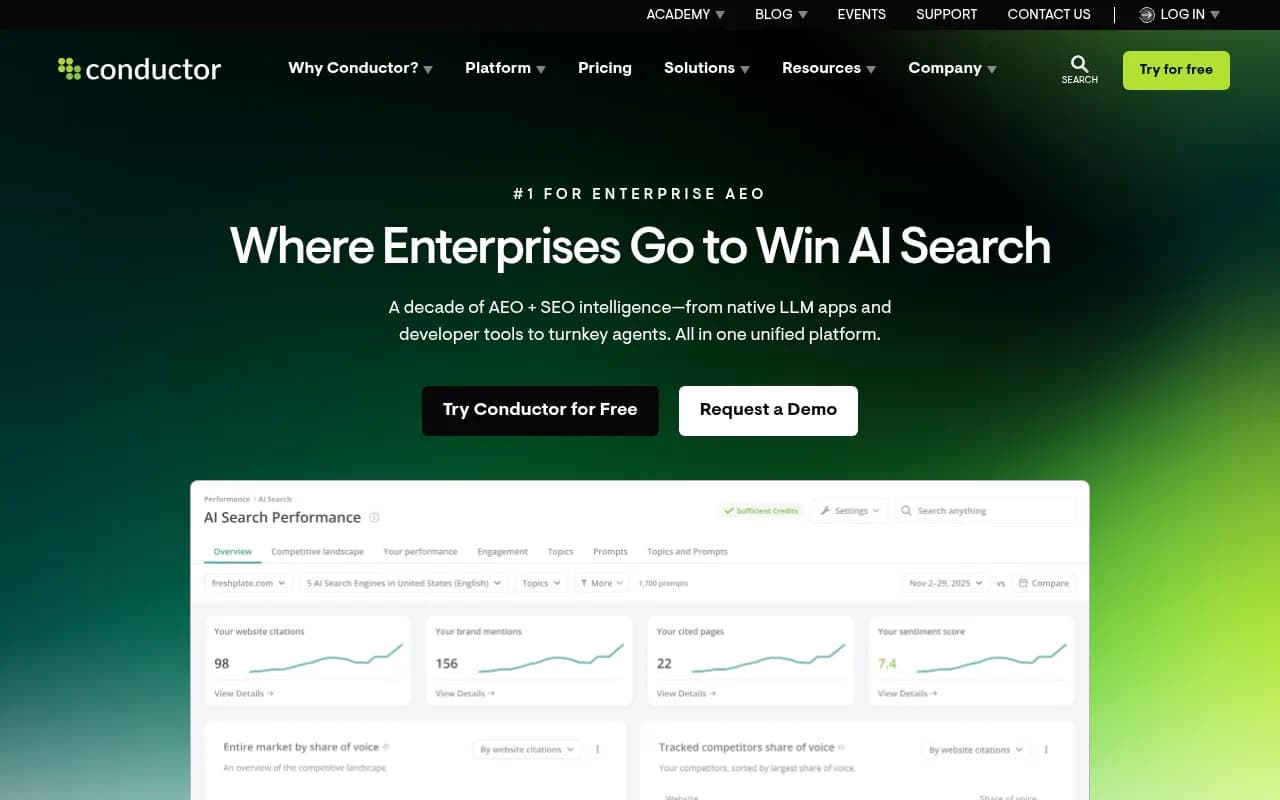
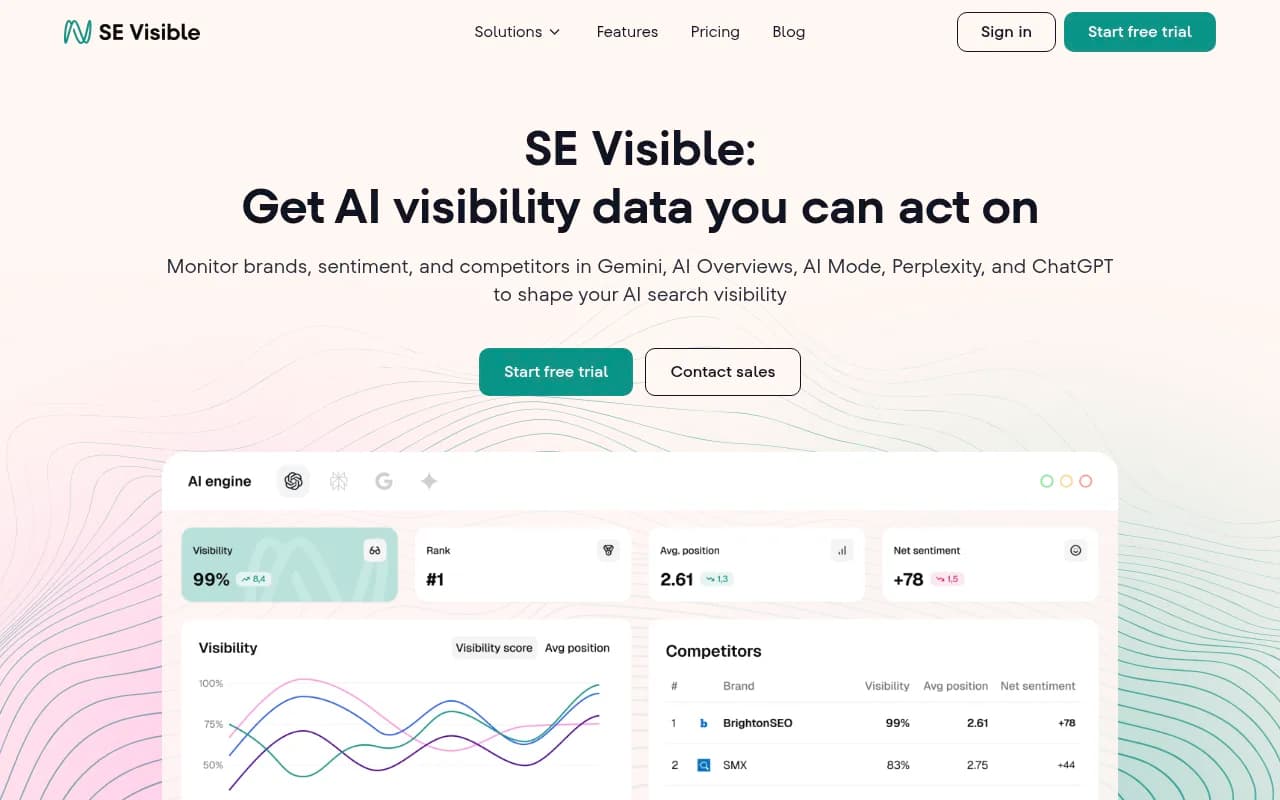
Search Atlas, BrightEdge, Conductor, and SE Ranking also bundle AI visibility into broader platforms. BrightEdge and Conductor lean enterprise.
Dedicated AI visibility platforms
These are built around prompts, citations, and share of voice. The quality gap between them is large, so look past the "tracks ChatGPT and Perplexity" checkbox.
The tool I would put at the top of the list for teams that want to act on the data is Promptwatch. It tracks real ChatGPT and Perplexity interfaces (plus Google AI Overviews, AI Mode, Gemini, Copilot, Claude, and more) rather than only API outputs, which can differ from what users actually see. The part that separates it from pure trackers is what comes after the dashboard: IP-verified AI crawler logs show whether bots like GPTBot and PerplexityBot are reading your pages or hitting errors, visitor analytics tie AI traffic to conversions, and an Action Board and Content Agent turn gaps into drafted, published content. Prices start at $95/month for Essential, with a free tier for a single project; check promptwatch.com/pricing for current plans.

Other dedicated options worth a look:
- Profound is the enterprise heavyweight, with prompt volume data and broad engine coverage. One roundup lists it from $99/month, though enterprise deployments cost far more.
- OtterlyAI is the budget-friendly marketer-built option, from about $29/month for 15 daily prompts across AI Overviews, ChatGPT, Perplexity, and Copilot.
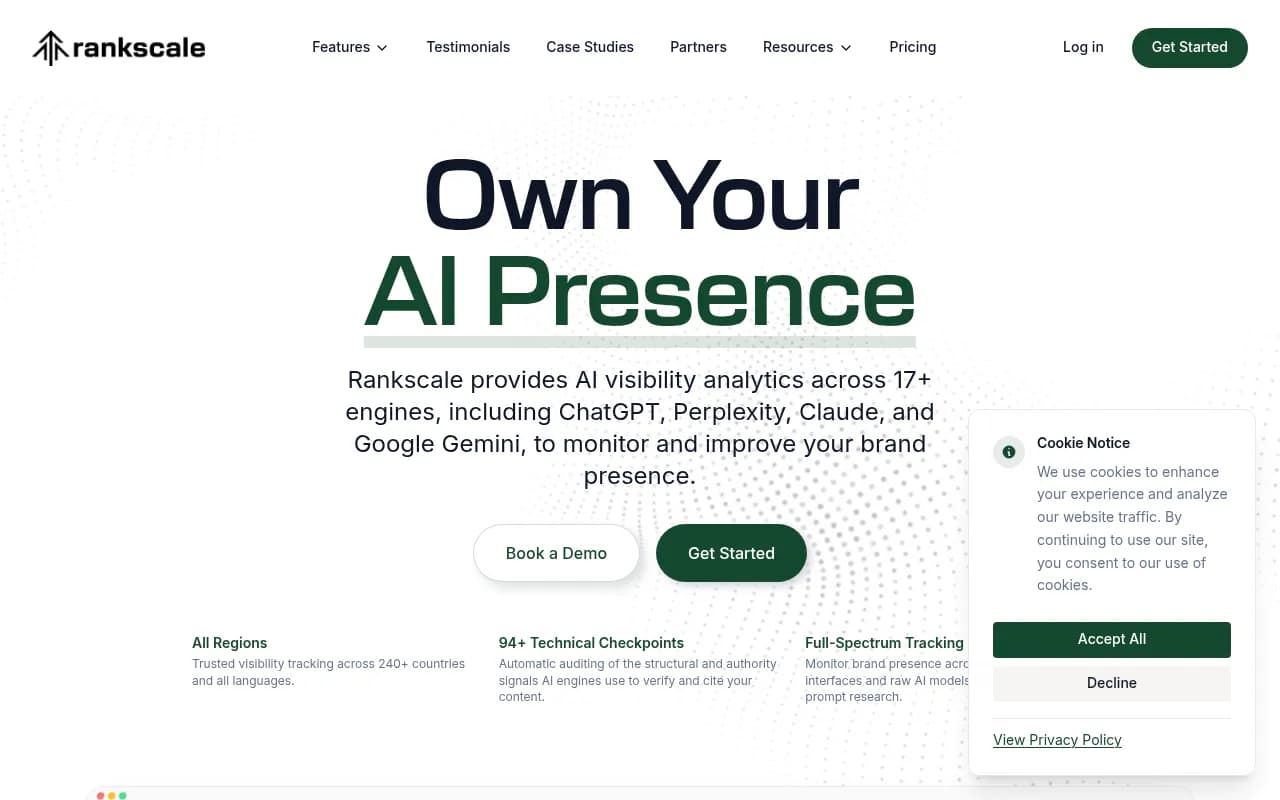
- Peec AI and Rankscale are lighter trackers. Rankscale is listed from $19/month.
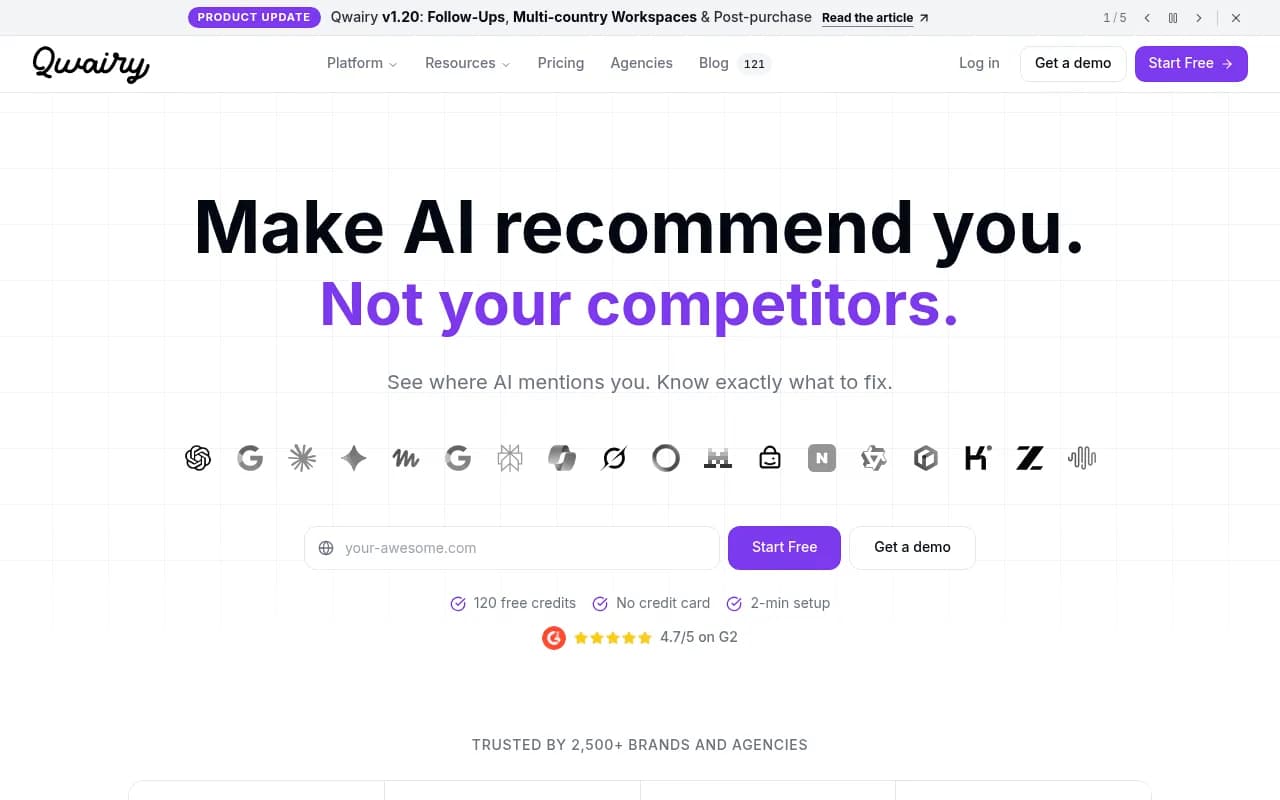
- AthenaHQ, Scrunch, and Qwairy are monitoring-focused platforms, with Scrunch also offering agent-ready pages.
- Rankshift, Gauge, and Aiso lean into prompt-level and fan-out analysis.


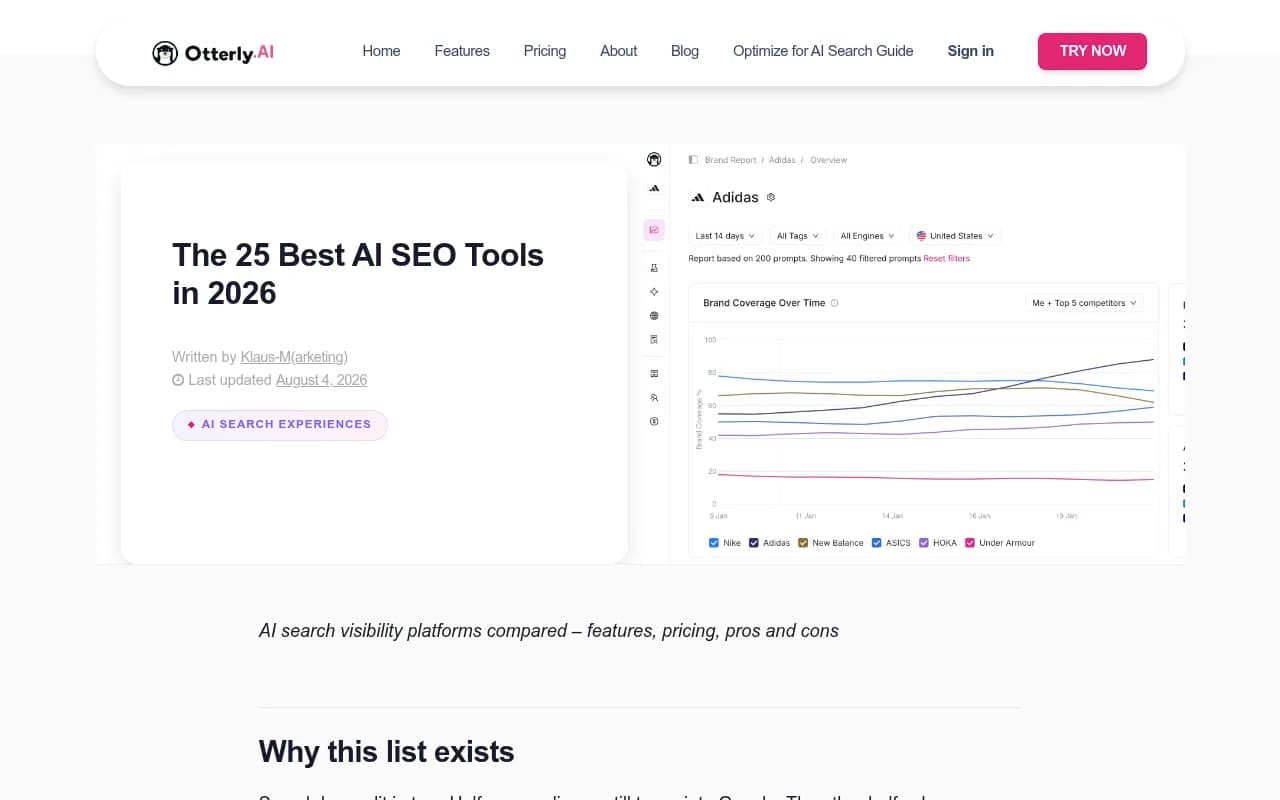




A note on honesty: OtterlyAI's list is published by a vendor that sells one of the tools on it. It is still a useful quick reference for coverage and starting prices, but weigh it accordingly, as you should with any vendor-run comparison, including mine when I mention Promptwatch.
Content tools with tracking bolted on
If your bottleneck is producing optimized content rather than measuring, these make sense.
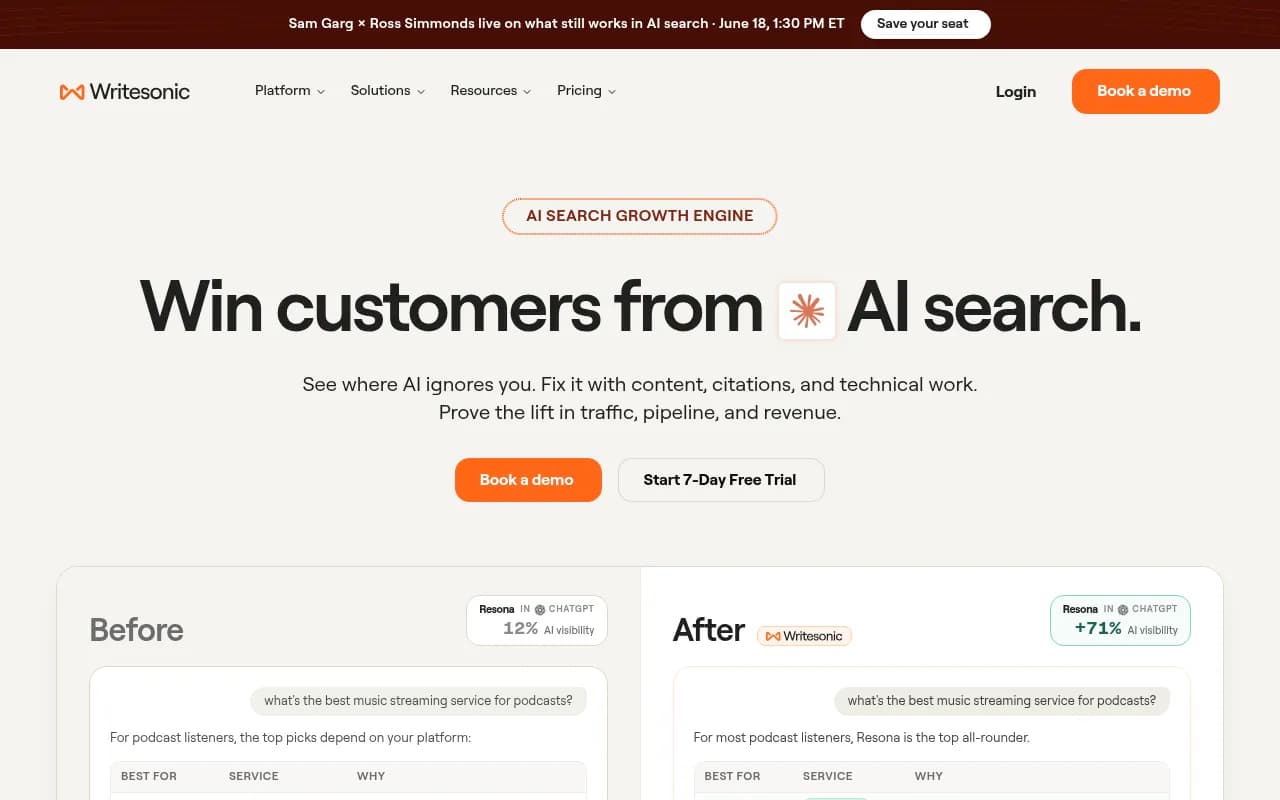
Writesonic GEO pairs tracking across ChatGPT, Perplexity, AI Overviews, Gemini, Claude, and Copilot with an AI writer, from around $49/month in one roundup.
Clearscope puts GEO scoring inside a content workflow, listed from $199/month. Surfer SEO and Frase are similar territory for teams already writing in those editors.


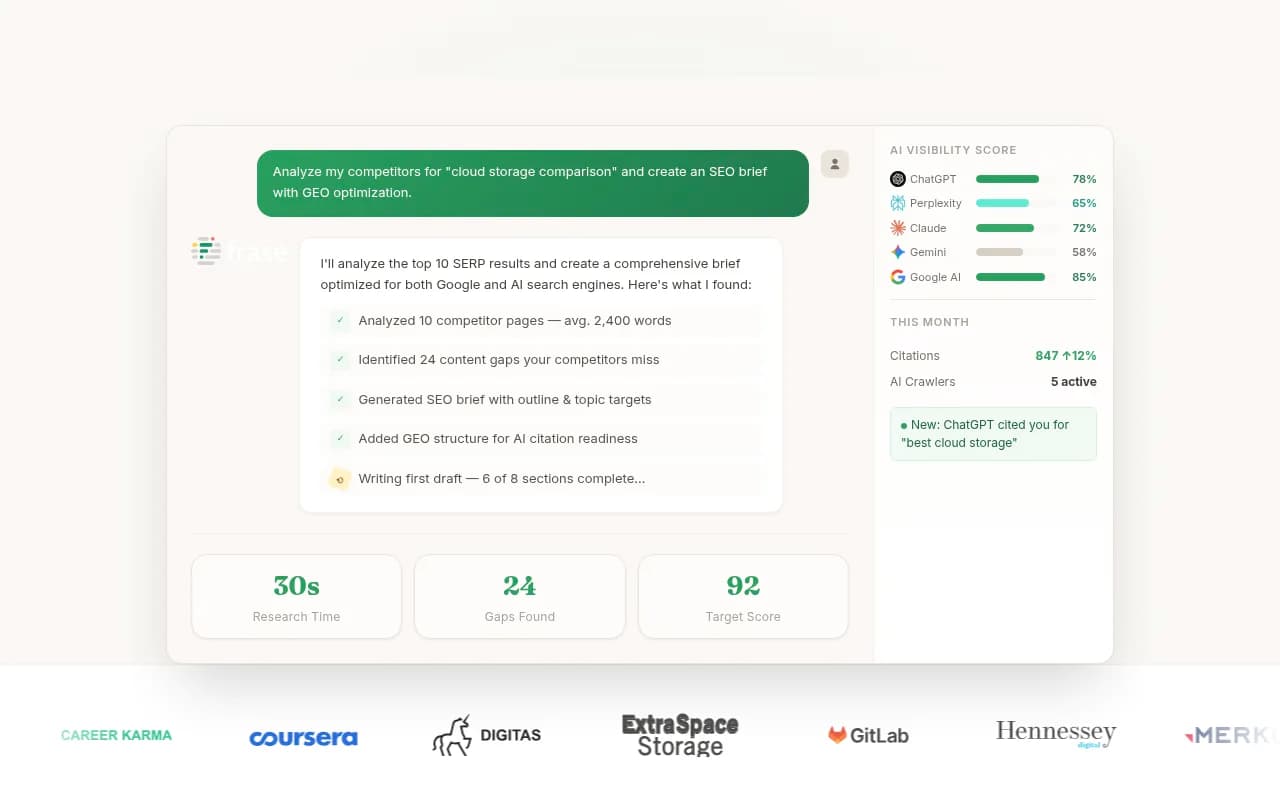
The weakness: these tools write from the keyword and SERP side, with limited citation and crawler data to ground the content in what AI engines actually pull from.
Comparison table
| Tool | Type | ChatGPT and Perplexity | Reported starting price | Best for |
|---|---|---|---|---|
| Promptwatch | AI visibility and optimization | Yes, real UI tracking | $95/mo (free tier available) | Teams that want to fix gaps, not just see them |
| Profound | AI visibility, enterprise | Yes | From $99/mo (enterprise higher) | Large GEO programs |
| OtterlyAI | AI visibility tracker | Yes | From $29/mo | Small teams, agencies on a budget |
| Semrush AI Toolkit | SEO suite add-on | Yes | $99/mo add-on | Existing Semrush users |
| Ahrefs Brand Radar | SEO suite add-on | Yes | From $129/mo | Existing Ahrefs users |
| Writesonic GEO | Content plus tracking | Yes | From $49/mo | Content teams |
| Rankscale | Budget tracker | Yes | From $19/mo | Cheap entry point |
| Clearscope | Content optimization | Yes | From $199/mo | Content-first teams |
| Authoritas | SEO plus AI suite | Yes | Custom | Teams wanting bundled reporting |
Prices come from third-party roundups and may have changed. Verify before purchasing.
How to evaluate a tool before you pay
Check where the data comes from
Some tools query model APIs. Others capture what the consumer interface shows. Answers and citations can differ between the two, and ChatGPT's web search behavior is the thing your customers actually see. Ask the vendor which one they use for ChatGPT and Perplexity specifically.
Look at prompt volume and fan-out
AI engines don't search for exactly what users type. They expand a question into several searches. Tools that show fan-out queries and estimated prompt volumes help you pick prompts worth tracking instead of guessing. Promptwatch's ChatGPT query fanout data shows how much this varies over time.
Demand source-level citation data
Because nearly half of ChatGPT responses cite 10 or more domains, getting into the answer often means being on the pages that get cited, such as listicles, review sites, and forums. A tool that only reports "mentioned: yes or no" misses this. You want to see the citing URLs, how often, and where you sit in the source list.
Ask about crawlers and traffic
If PerplexityBot or OAI-SearchBot can't read your pages, no amount of content work helps. Few tools show IP-verified crawler logs. Fewer still connect AI visits to conversions. If you care about revenue rather than vanity mentions, this is where the field thins out quickly.
Test it against content types
What gets cited changes. Promptwatch's content type data (Sep 28 to Oct 4, 2026) found product pages were the most cited type in ChatGPT at 22.4%, followed by landing pages and listicles. A good tool shows you this for your own prompts, not just in aggregate.
Which tool for which situation
- You live in Semrush or Ahrefs and want a quick start: use their native AI add-ons, then reassess in six months.
- You are a small team or freelancer who needs basic tracking cheaply: OtterlyAI or Rankscale.
- You want tracking plus content creation and publishing in one place: Promptwatch, or Writesonic GEO if your needs are lighter.
- You are an enterprise with dedicated GEO headcount: Profound, BrightEdge, or Promptwatch's Business and Enterprise tiers.
- You are an agency managing many clients: look for white-label reporting and unlimited projects. Promptwatch's agency plans and Search Party are built around that.
- You run an ecommerce catalog: product-level trackers like Ranketta and Alhena AI, or Promptwatch's AI Shopping tracking.
For a wider look at the category, the GEO software directory at bestgeosoftware.com lists far more tools than fit here.
Should you hire instead?
Tools only help if someone acts on the output. If you don't have the time or in-house skills, an agency can run the tracking and the fixes. Several agencies in the research (Flying V Group, EWR Digital) market GEO services, and 1001 SEO Media, the agency that publishes this site, offers technical SEO, content, and AI search work with no long-term contracts. Ask any agency which tracking platform they use and whether you get access to the raw data.
A simple setup to start this week
- Write 30 to 50 prompts your buyers really ask. Include organic prompts (no brand), comparison prompts ("X vs Y"), and a few brand-specific ones.
- Run them in your chosen tool across ChatGPT and Perplexity separately.
- Record your share of voice, position in the answer, and which domains get cited instead of yours.
- Check crawler access and your robots.txt for AI bots.
- Pick the three citing sources you could realistically appear on and the three pages you could rewrite.
- Re-measure after a month. On Perplexity especially, the stable source count makes changes easier to read.
Most free trials last 7 to 14 days. That is enough to judge data quality and interface, but not results. Don't expect citations to move that fast.
Bottom line
If you already have a big SEO suite, use its AI add-on to get a baseline, but don't expect depth. If you are serious about AI as a channel, pick a dedicated platform that shows source-level citations, crawler activity, and traffic, and ideally helps you ship the fixes. Whatever you choose, track ChatGPT and Perplexity as two separate engines, and measure over many prompts, not a handful.