Key takeaways
- GEO tools fall into about eight groups: end-to-end platforms, enterprise suites, standalone trackers, SEO suite add-ons, content optimizers, ecommerce and local tools, open-source or data tools, and citation-building helpers.
- Most of the market still only monitors. It tells you whether ChatGPT named your brand, then stops. Fewer tools show why, or help you fix it.
- Engines behave differently, so a tool that blends them into one number hides the signal. Track each engine separately.
- Entry pricing for dedicated trackers starts around $29 a month, while enterprise tools are usually sold by quote. Always confirm on the vendor's pricing page.
- Pick by job: measure, diagnose, create, or attribute revenue. Few teams need more than two or three tools.
What counts as a GEO tool
Generation engine optimization tools measure and improve how a brand shows up inside AI-generated answers from ChatGPT, Perplexity, Google AI Overviews, Gemini, Copilot and others. Some vendors call the same thing AEO. The labels overlap, and I wouldn't spend any energy arguing about which one is right.
Most tools in this list do some mix of four things: mention tracking, citation tracking, sentiment, and share of voice. The better ones also read your crawler logs, audit your site for AI readiness, or draft content built around the gaps they find.
This list has 100+ catalog entries and I've grouped the 60+ I consider most useful. I haven't verified every vendor's pricing or funding, so treat the numbers I give as starting points. Where I quote one, it is a published entry price at the time of research.
The categories at a glance
| Category | What it does | Typical buyer | Example tools |
|---|---|---|---|
| End-to-end platforms | Track, diagnose, create, publish, measure | Marketing teams that want results, not reports | Promptwatch |
| Enterprise suites | Broad engine coverage, governance, security | Large brands, regulated industries | Profound, Bluefish, Adobe LLM Optimizer |
| Standalone trackers | Prompt monitoring, citations, share of voice | SMBs, agencies | Otterly.AI, Peec AI, Rankscale |
| SEO suite add-ons | AI tracking inside an existing SEO account | Teams already paying for the suite | Semrush, Ahrefs Brand Radar, SE Ranking |
| Content optimizers | Briefs, drafts and scoring for AI and search | Content teams | Clearscope, Frase, AirOps |
| Ecommerce and local | Product, catalog and location-level visibility | Retail, multi-location brands | Yotpo Discover, BrightLocal, Yext |
| Open-source and data | DIY tracking, scraping, raw data | Developers, researchers | Elmo, Firecrawl, Bright Data |
| Citation and outreach | Get mentioned on pages AI already trusts | PR and community teams | CrowdReply, Respona, ReddGrow |
End-to-end platforms
There is a real difference between a tracker and a platform. A tracker answers whether your brand was mentioned. A platform tries to answer how you grow AI-driven traffic and revenue, which means it has to diagnose the cause and help you act.
Promptwatch is the one I'd put here. It monitors the real interfaces of ChatGPT, Google AI Overviews, AI Mode, Gemini, Perplexity, Copilot, Meta AI, Alexa and coding agents, adds IP-verified AI crawler logs and visitor analytics, and then closes the loop with content gap analysis, a Content Agent that publishes to WordPress, Webflow or Framer, and an Action Board of prioritized fixes. Published pages are tracked through crawls, citations and clicks. Plans start with a free Explore tier and paid plans from $95 a month, so check promptwatch.com/pricing for current numbers.

Nothing else on this list pairs crawler logs, citation data and content publishing in one workflow. Most others cover one or two of those.
Enterprise GEO suites
These tools tend to be sold by quote and built for large organizations with security reviews, many brands and many markets.
Profound
Profound has deep engine coverage and prompt volume data, plus crawler analytics through its Agent Analytics feature. It is the name most often at the top of enterprise shortlists.

Bluefish and Bluefish AI
Bluefish positions itself for Fortune 500 brands, with brand accuracy checks and agentic commerce. The catalog lists two entries for what appears to be the same vendor.


Scrunch
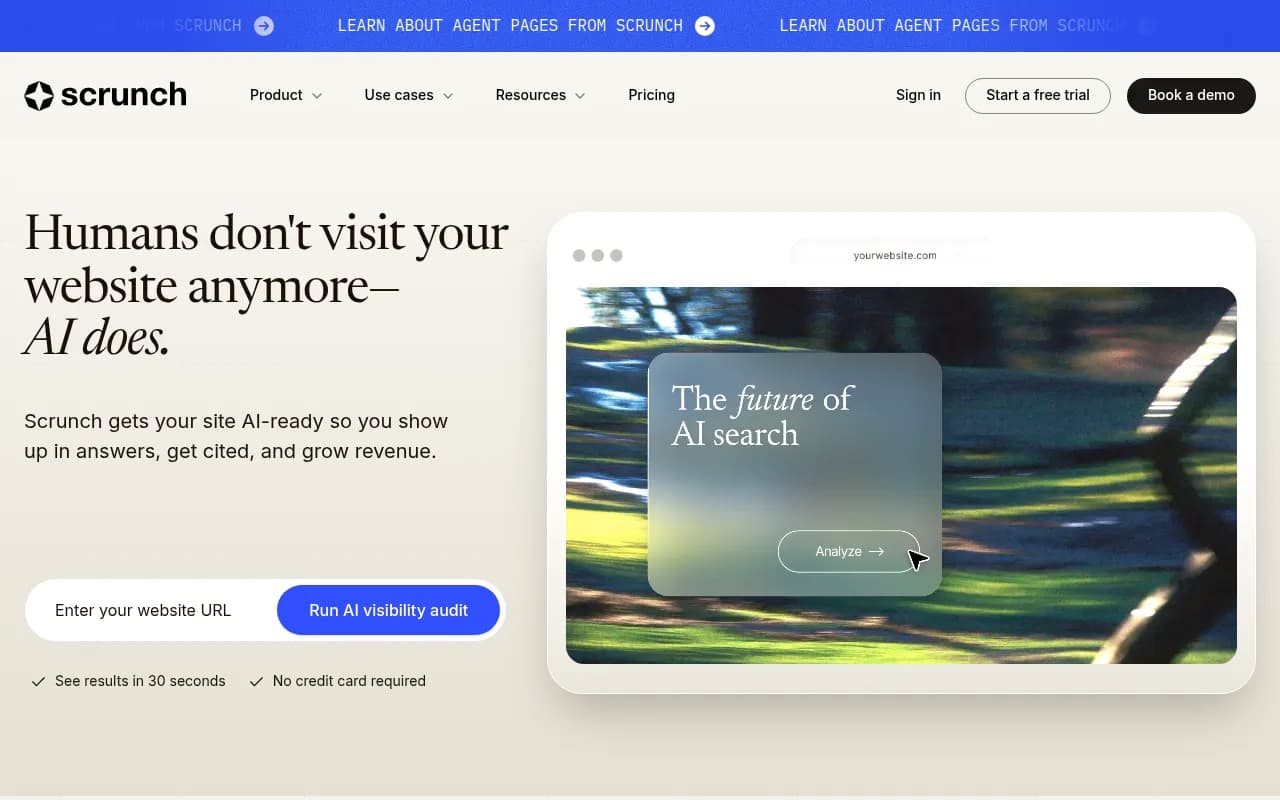
Scrunch combines AI search monitoring with agent-ready pages for your site. A June 2026 press release reported that Sitecore is acquiring it, so check how the roadmap has changed before buying.

Adobe LLM Optimizer
If you live in Adobe Experience Cloud, this is the natural fit. It is part of that stack rather than a standalone product.
Adobe LLM Optimizer
Evertune and Brandlight
Evertune samples AI responses at very large volumes to produce statistically steadier numbers. Brandlight pitches an enterprise operating system for AI visibility.


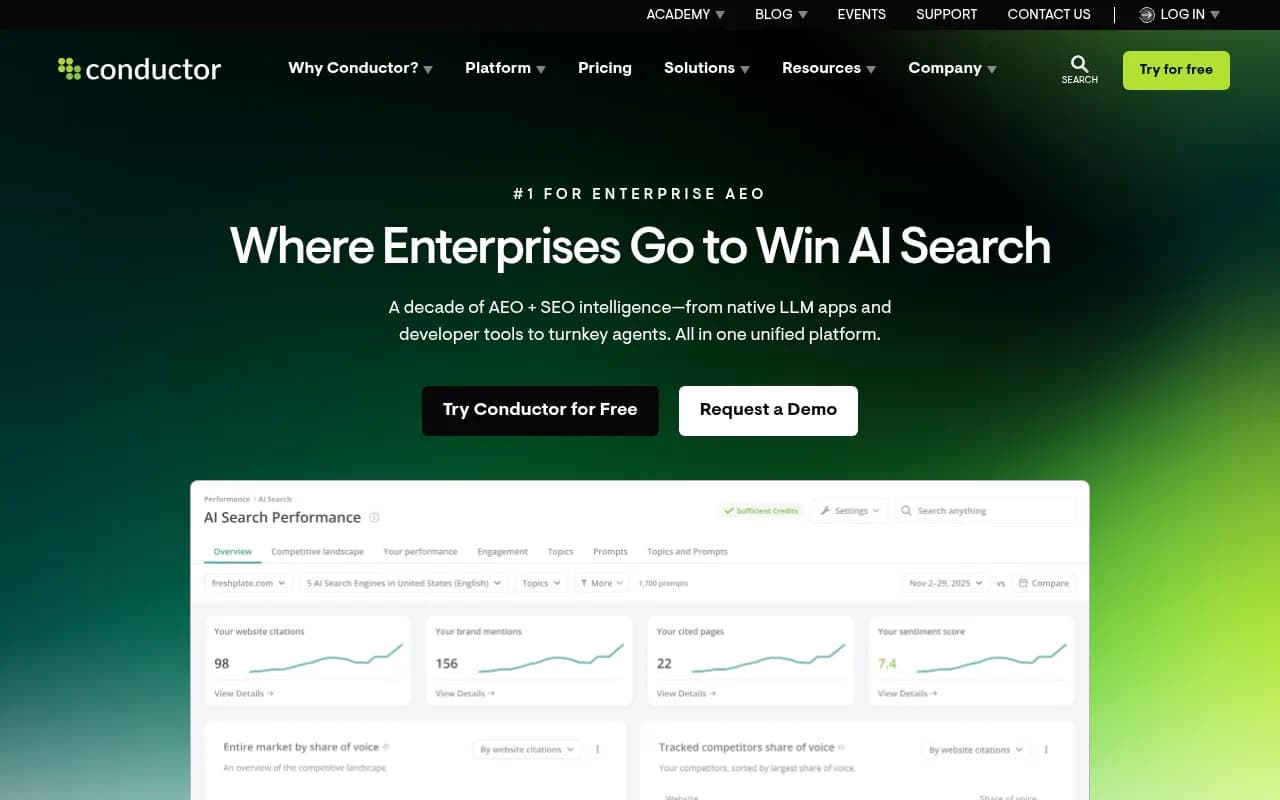
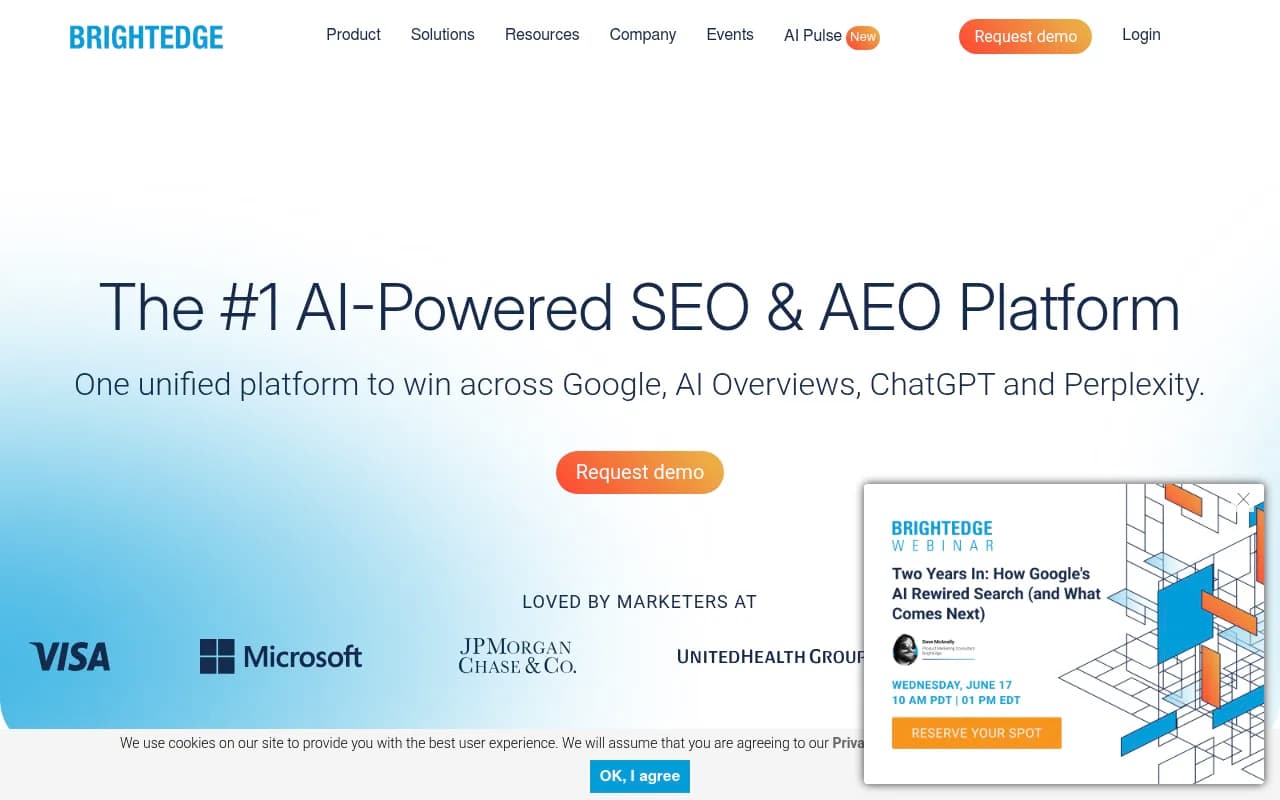
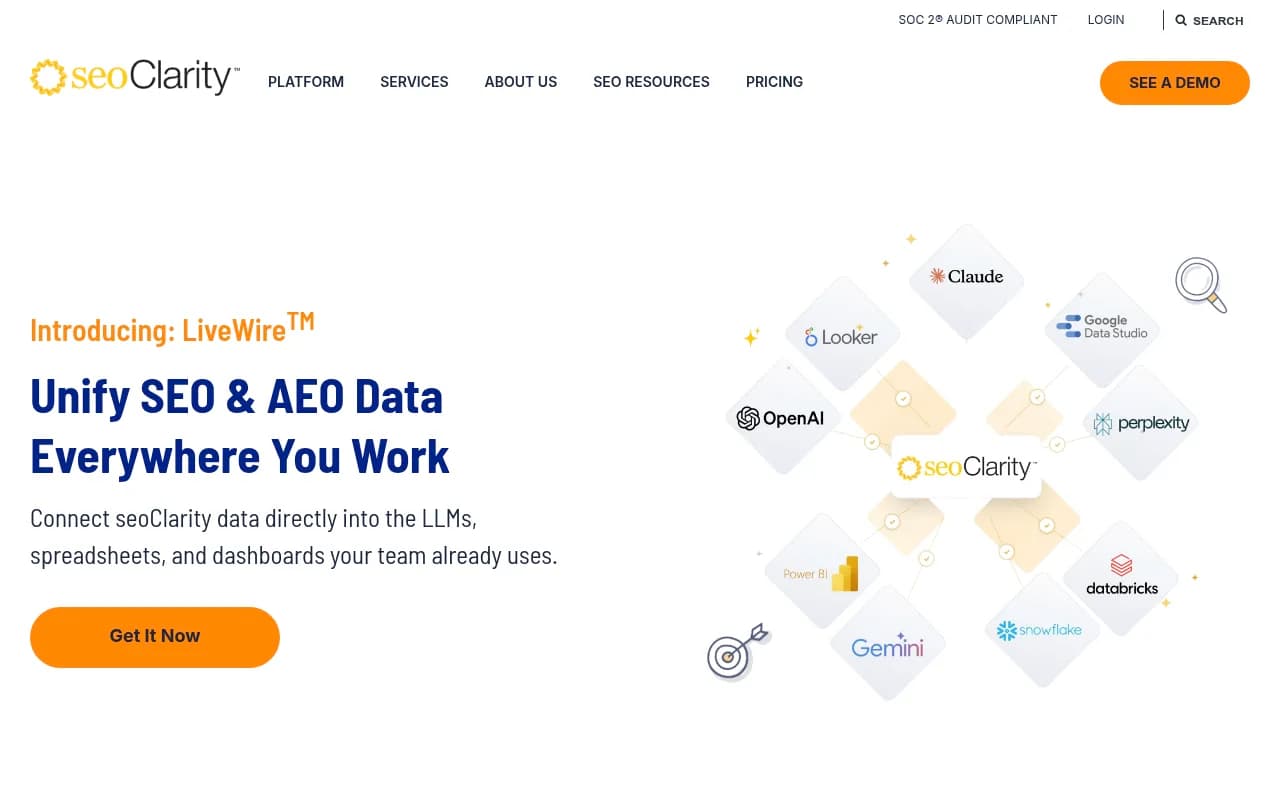
Conductor, BrightEdge, seoClarity and Botify
The established enterprise SEO vendors all have AI search modules now. If your SEO team already works in one of them, the add-on is easier to adopt than a new vendor.
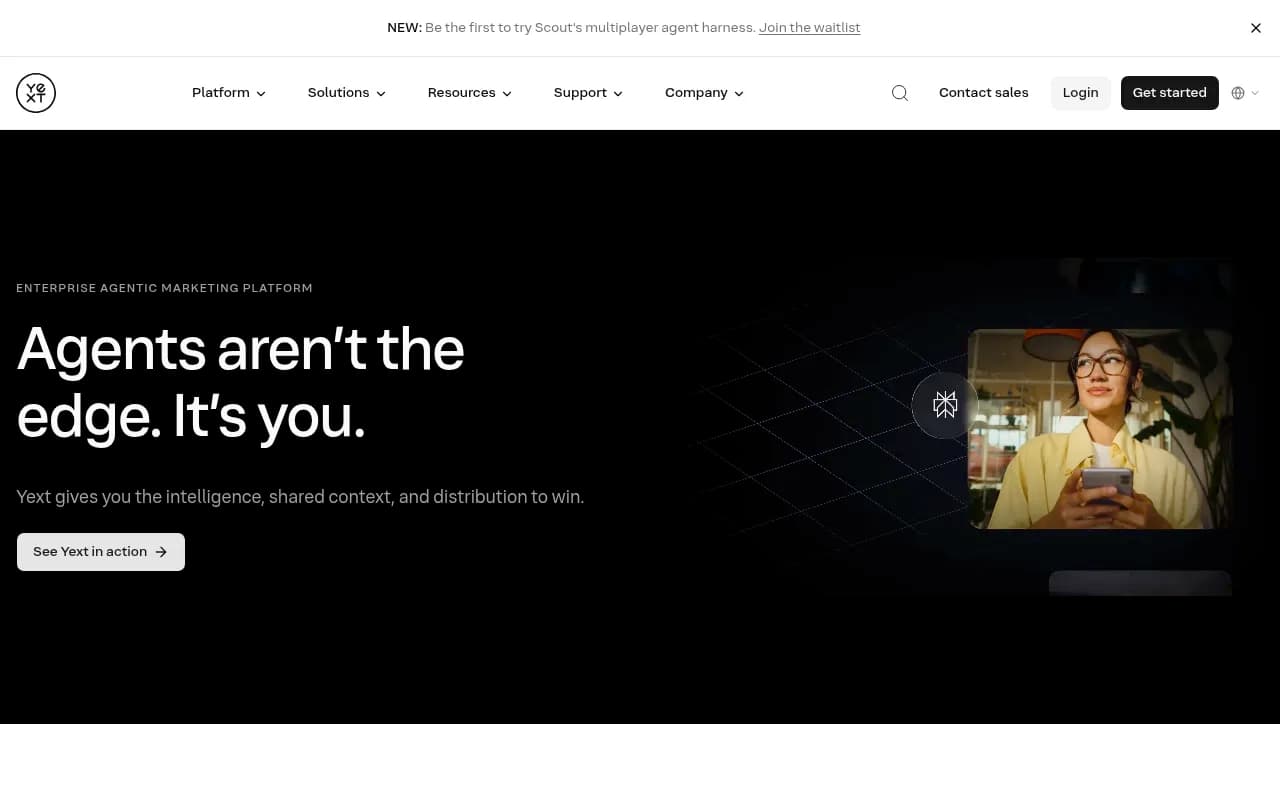
Yext Scout
Yext Scout does AI search competitive intelligence for enterprise brands and draws on Yext's verified brand data.
Yext Scout
Standalone GEO trackers
This is the crowded middle of the market. Most of these tools run a set of prompts across several engines on a schedule and report mentions, citations, sentiment and share of voice. The differences are in price, engine count, prompt limits and reporting.
The usual shortlist
Otterly.AI is the budget pick, with a published entry plan around $29 a month for a small prompt set. Some engines are paid add-ons, so check what the base price actually covers.

Peec AI is popular with agencies and mid-market teams, with unlimited users on its plans and guided onboarding.

Rankscale has a low published price and granular placement data.
AthenaHQ leans toward prescriptive recommendations.
Goodie AI is an AEO platform that pitches itself at enterprises and SMBs alike, with brand alerts.

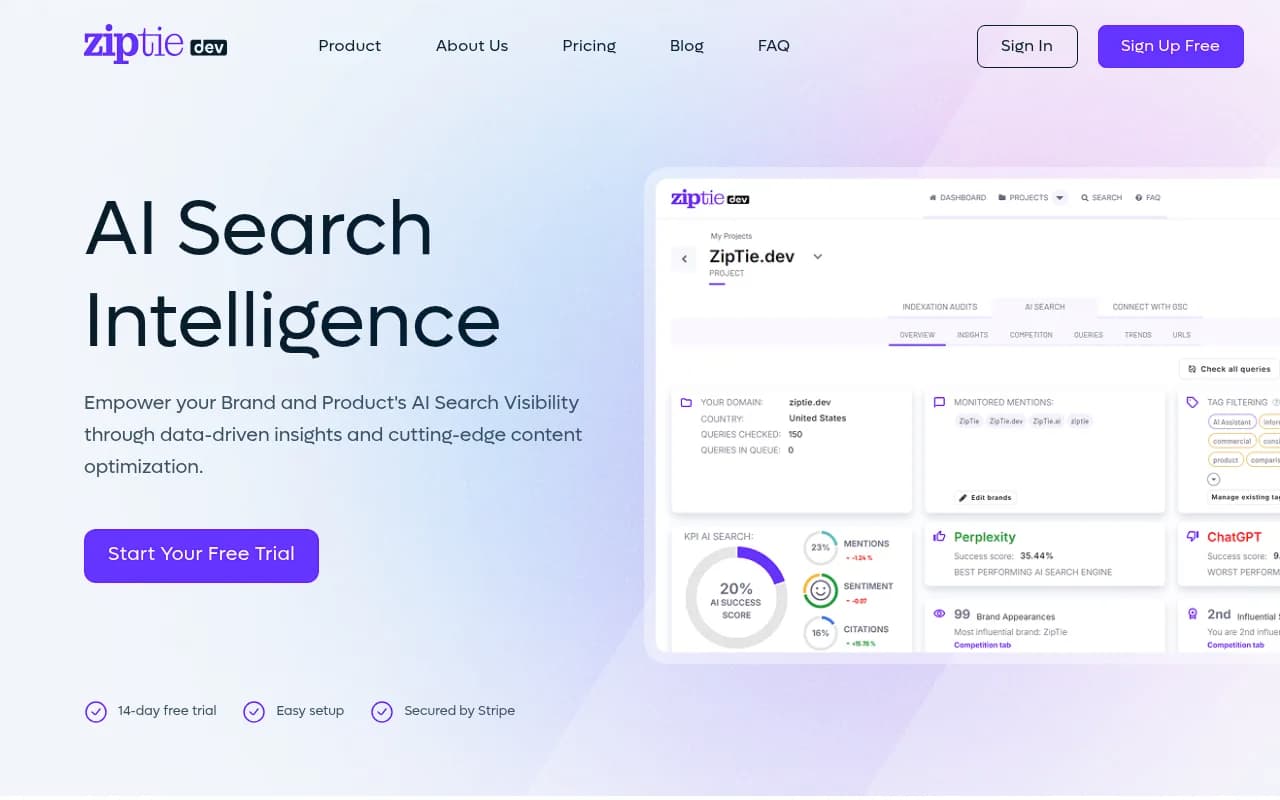
ZipTie focuses on a narrower set of engines with answers behind every number.
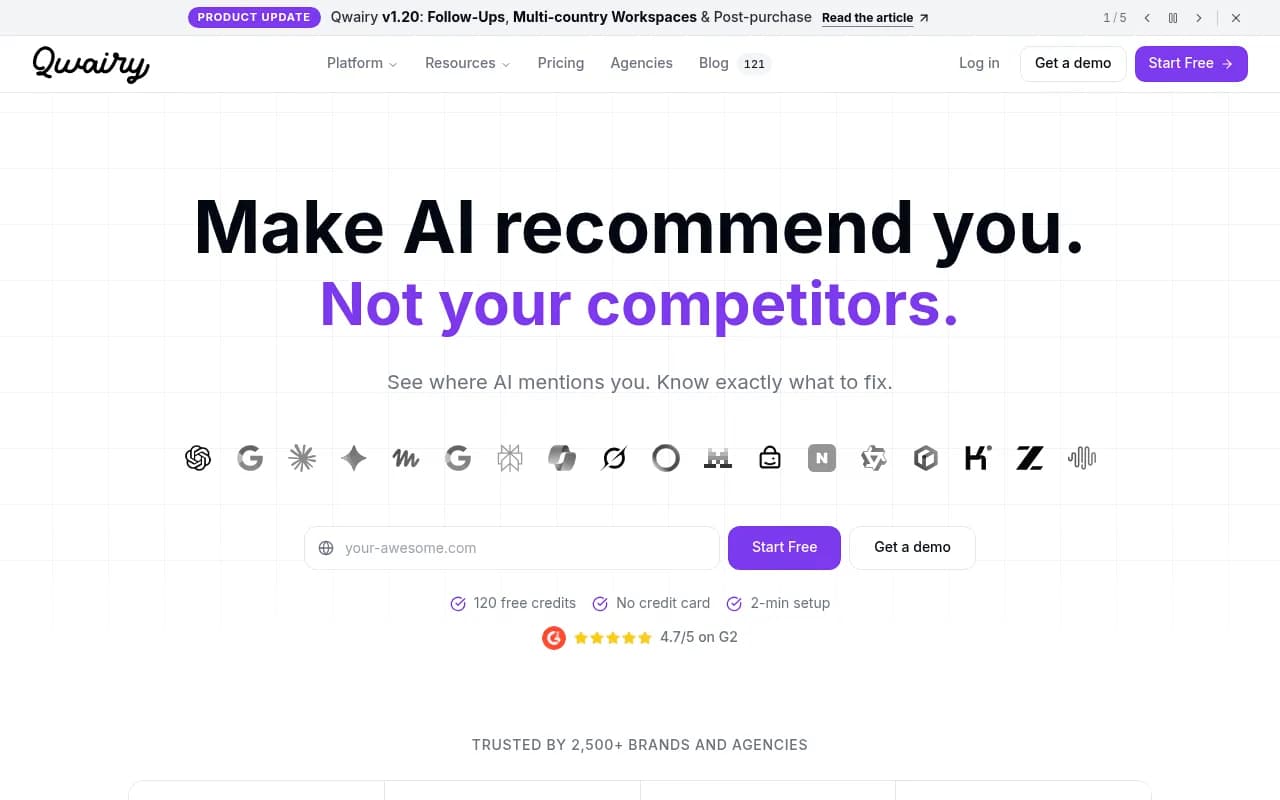
LLM Pulse and Qwairy both cover AI assistant visibility and reputation.

More trackers worth knowing
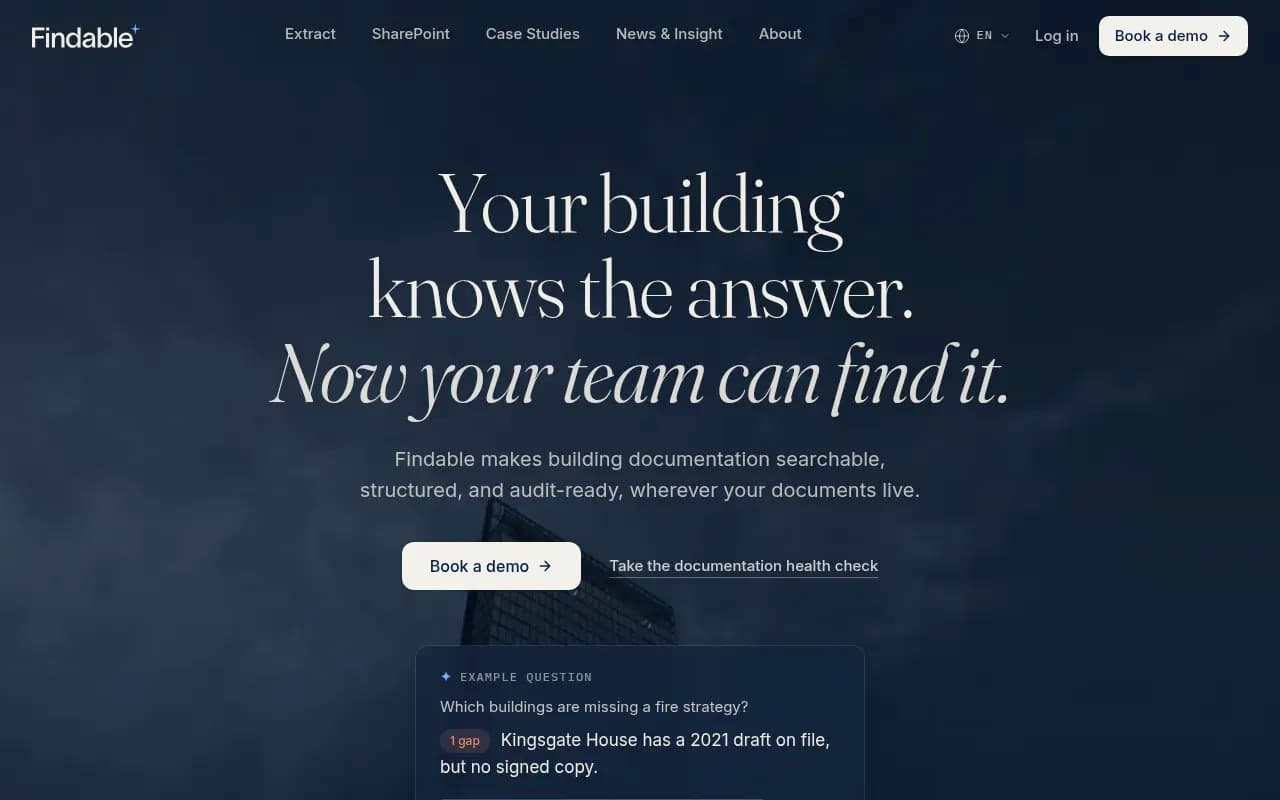
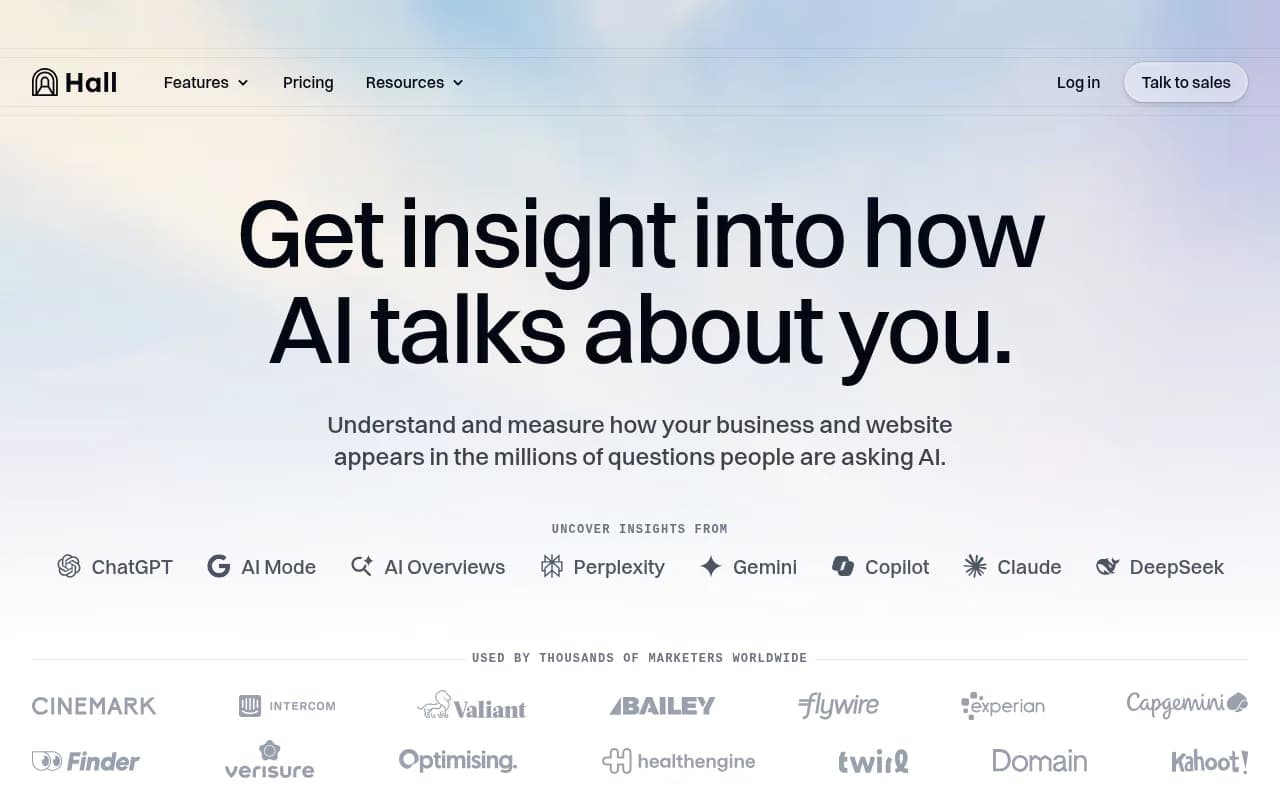
Searchable, Gauge, Superlines, Findable and Hall each take a slightly different angle, from prompt-level intelligence to citation-gap analysis. Superlines tracks from real AI interfaces rather than APIs, which matters because answers can differ.


Superlines
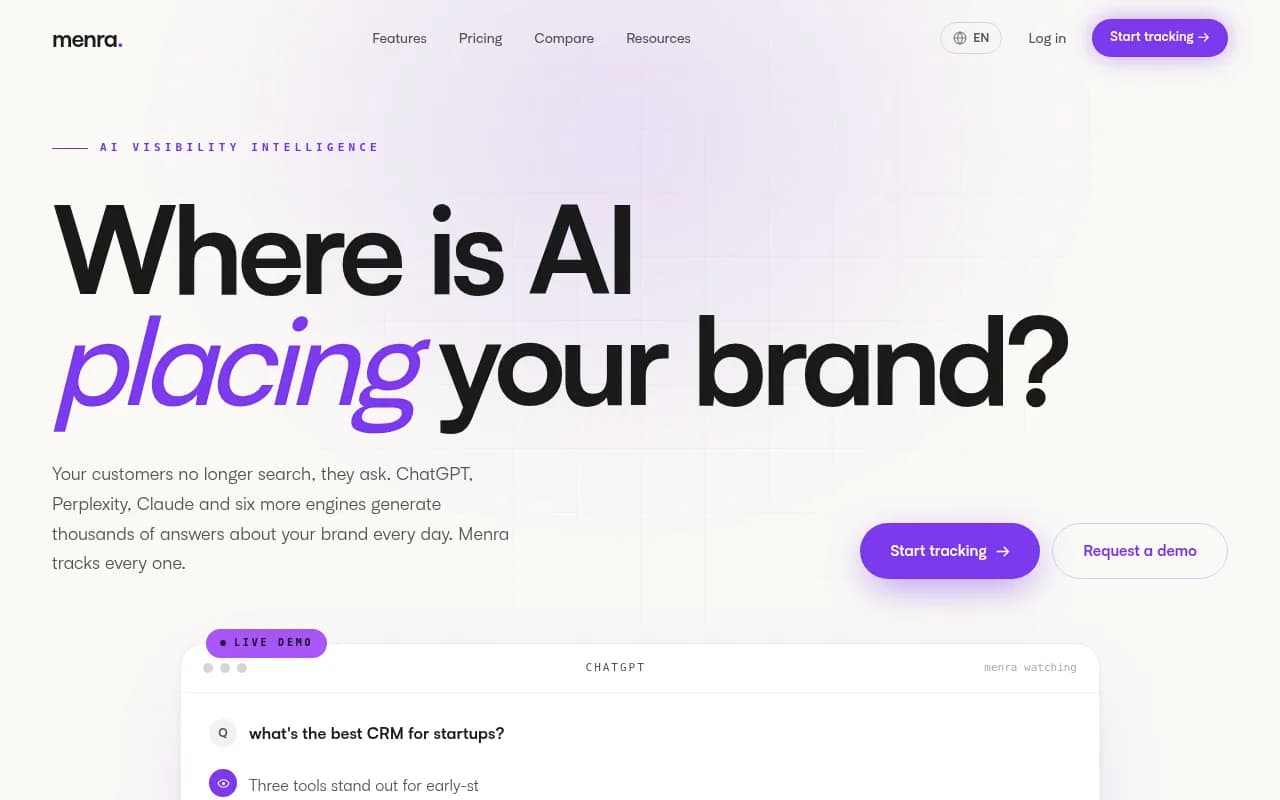
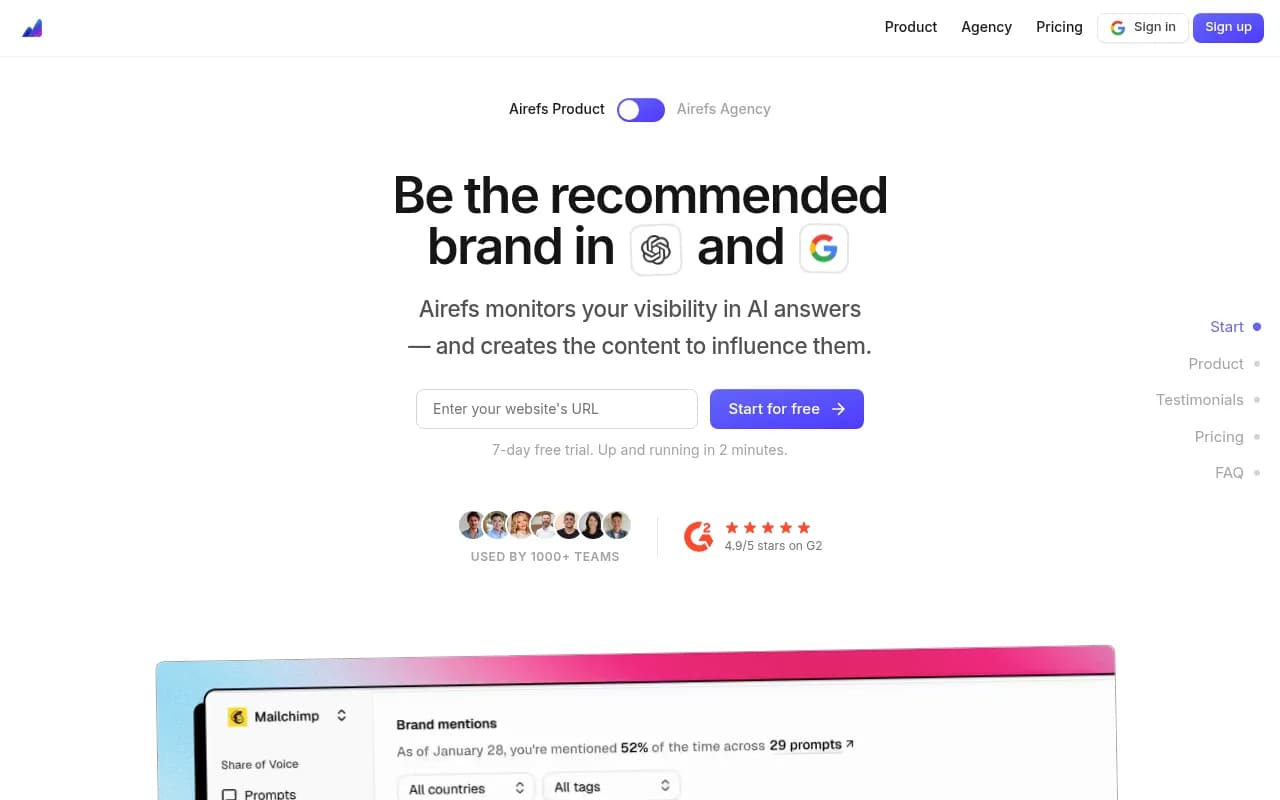
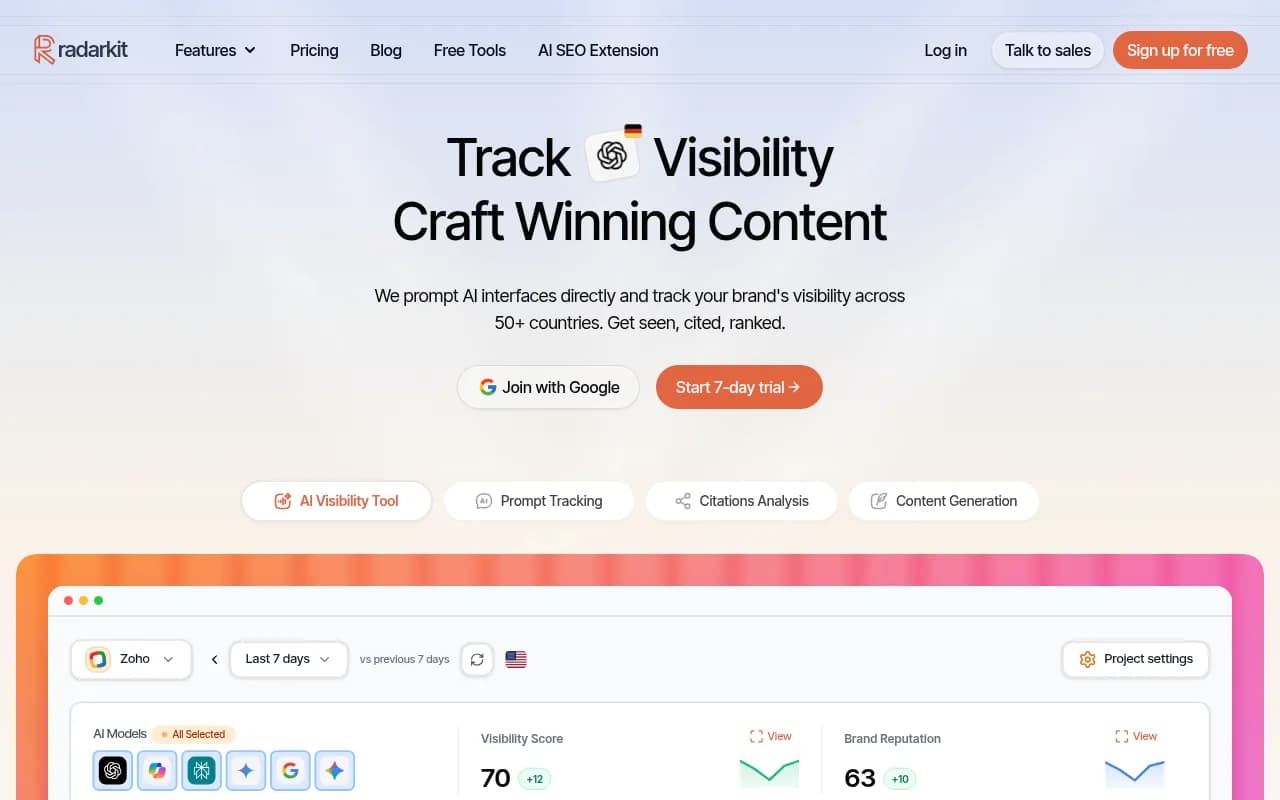
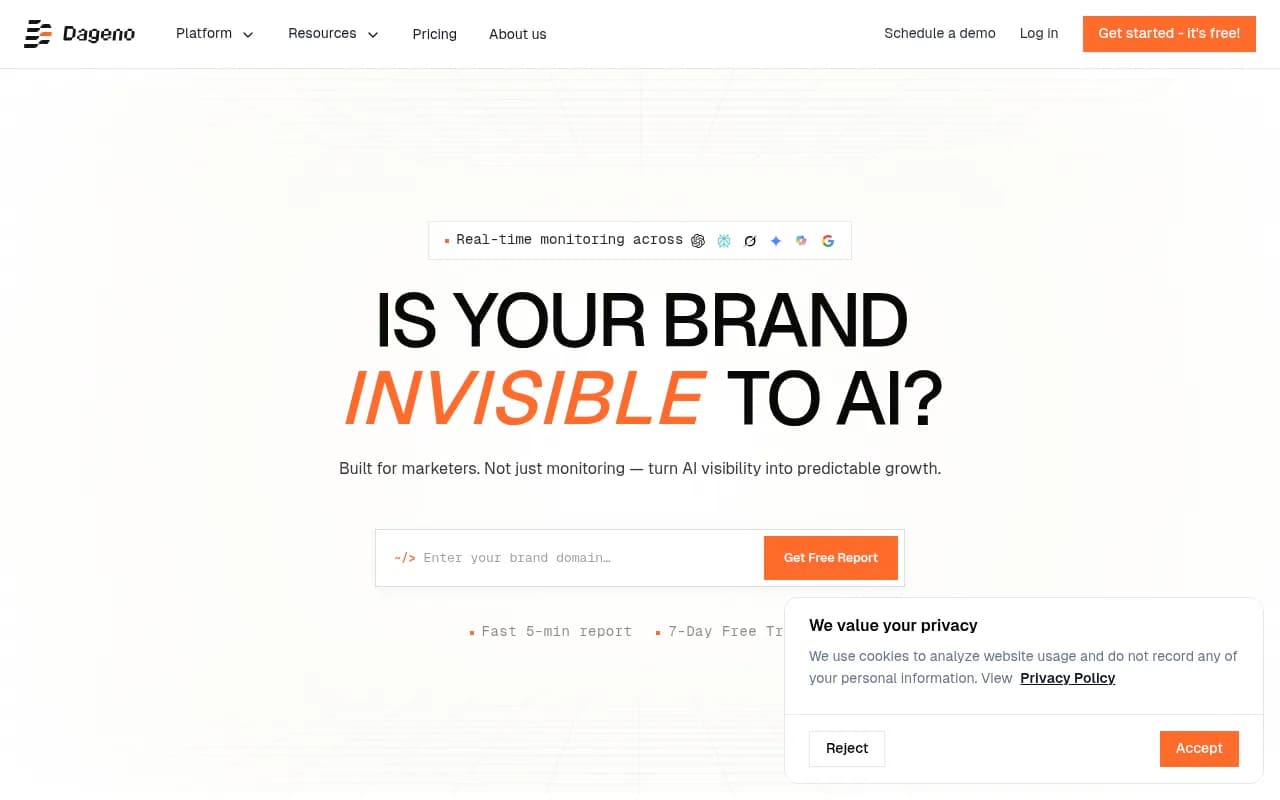
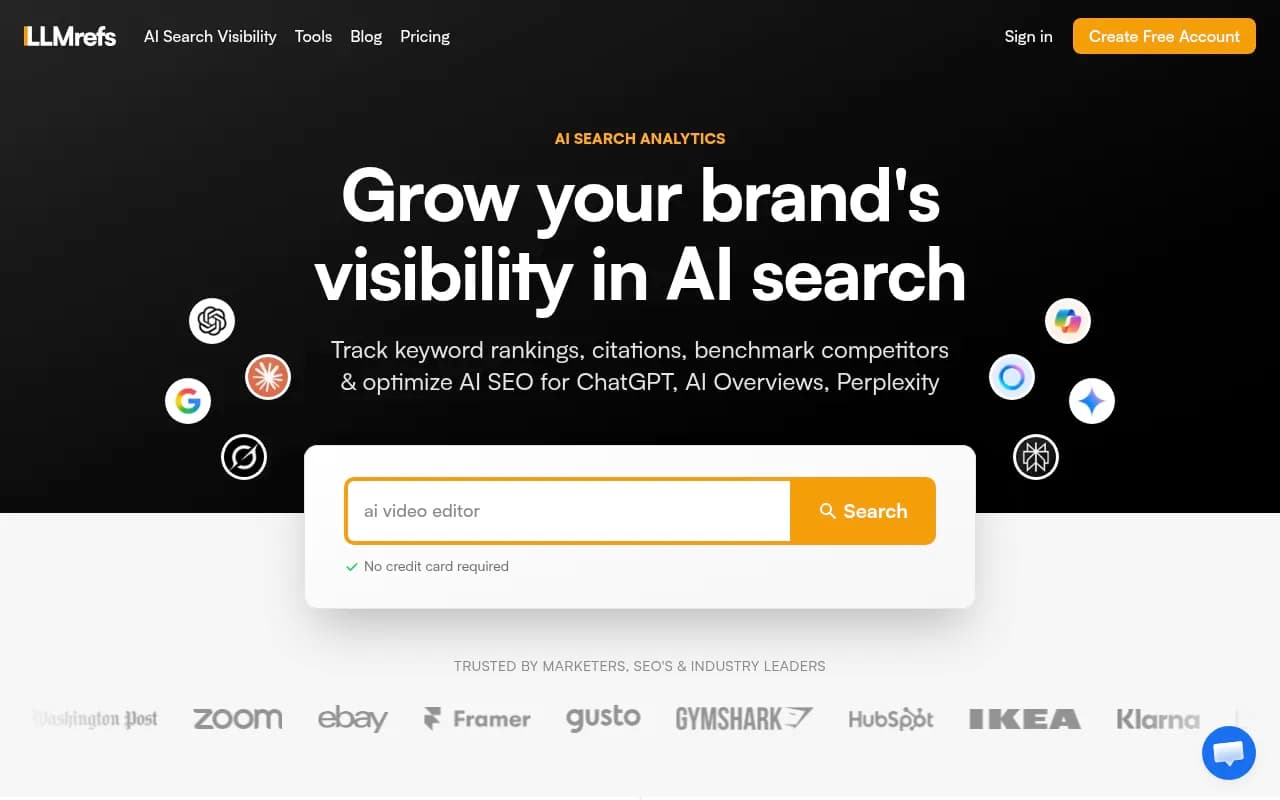
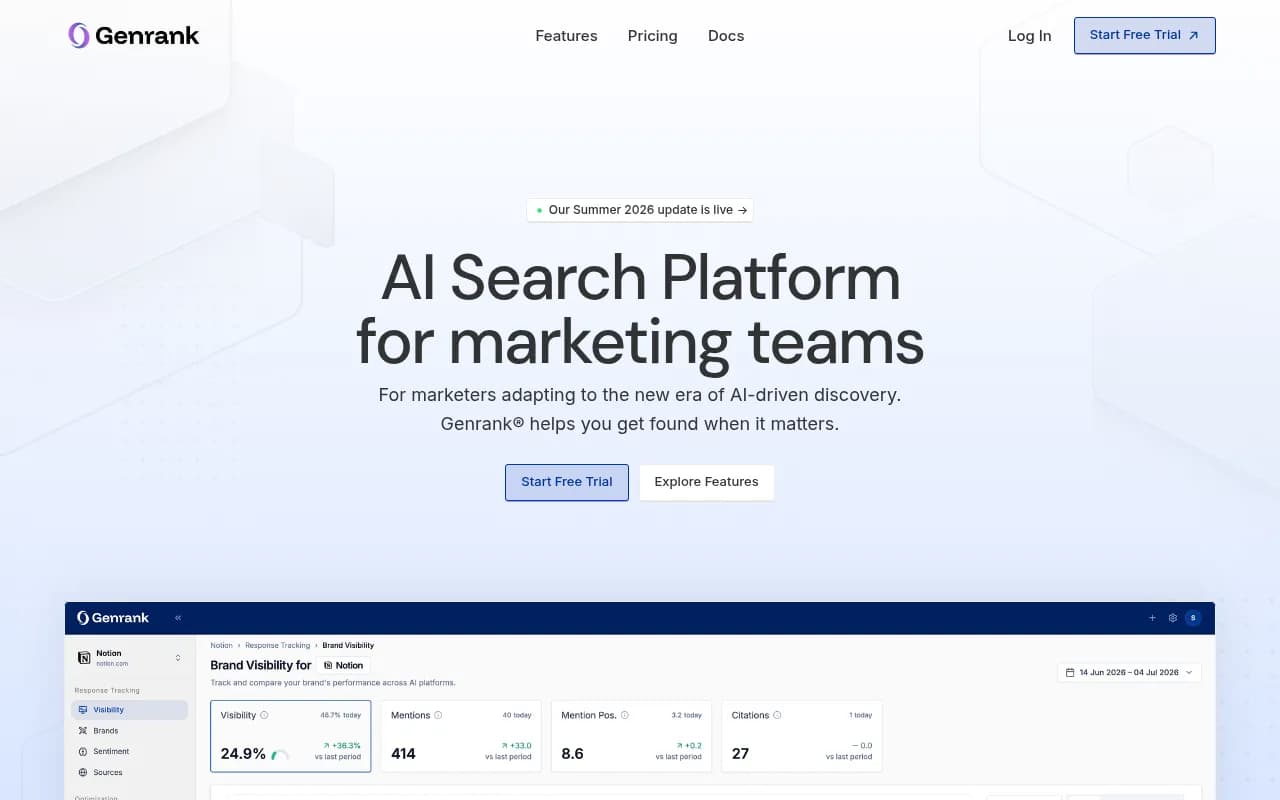
The long tail is large. Knowatoa, Waikay, Aiso, Menra, Search Visibility, Rank Prompt, Visby AI, Airefs, Radarkit, Dageno AI, LLMrefs, Gumshoe AI, Trackerly.ai, ModelMonitor and GenRank are all in the same broad lane. Most are young, many are cheap, and the gaps between them are small enough that a free trial tells you more than a feature list.



Rank Prompt


I wouldn't pay for more than one of these. If a tracker only gives you a dashboard and you have no way to act on it, you've bought a very expensive screenshot.
SEO suite add-ons
The big SEO suites all bolted on AI visibility. The upside is one login and one invoice. The downside is usually a fixed prompt set, shallower AI data and no crawler logs.
| Tool | Where it sits | Watch out for |
|---|---|---|
| Semrush AI Visibility Toolkit | Add-on to Semrush, now part of Adobe | Prompt limits per licence, extra cost per domain |
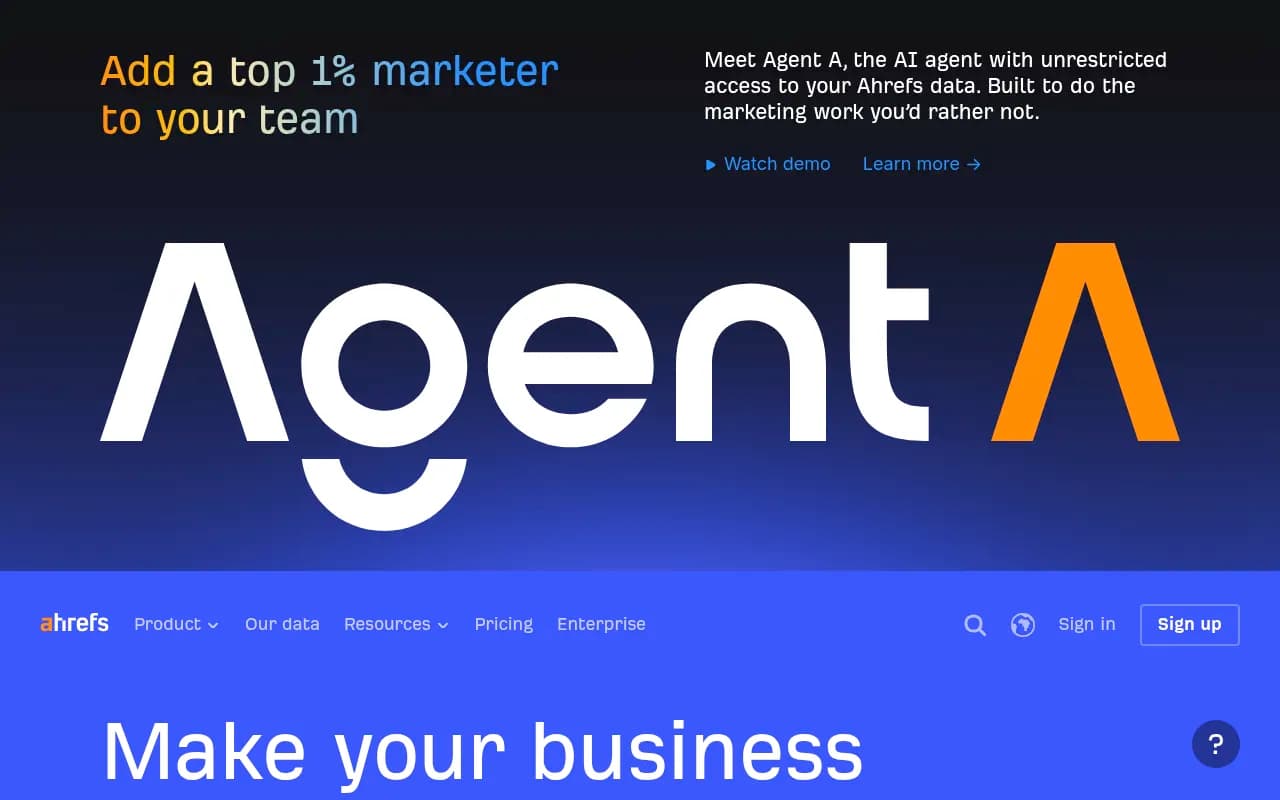
| Ahrefs Brand Radar | Add-on to Ahrefs | Monitoring only, priced as a separate add-on |
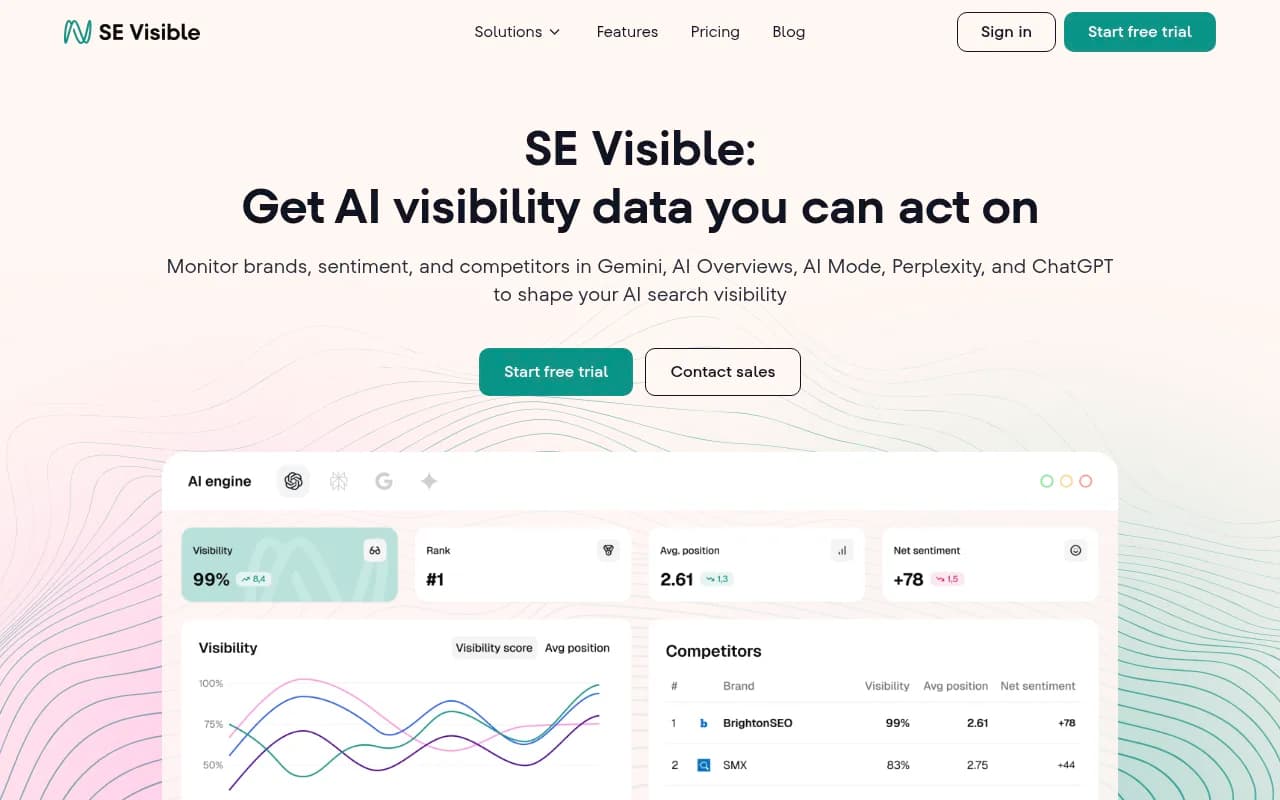
| SE Ranking Visible | AI tracking inside SE Ranking | Moderate engine breadth |
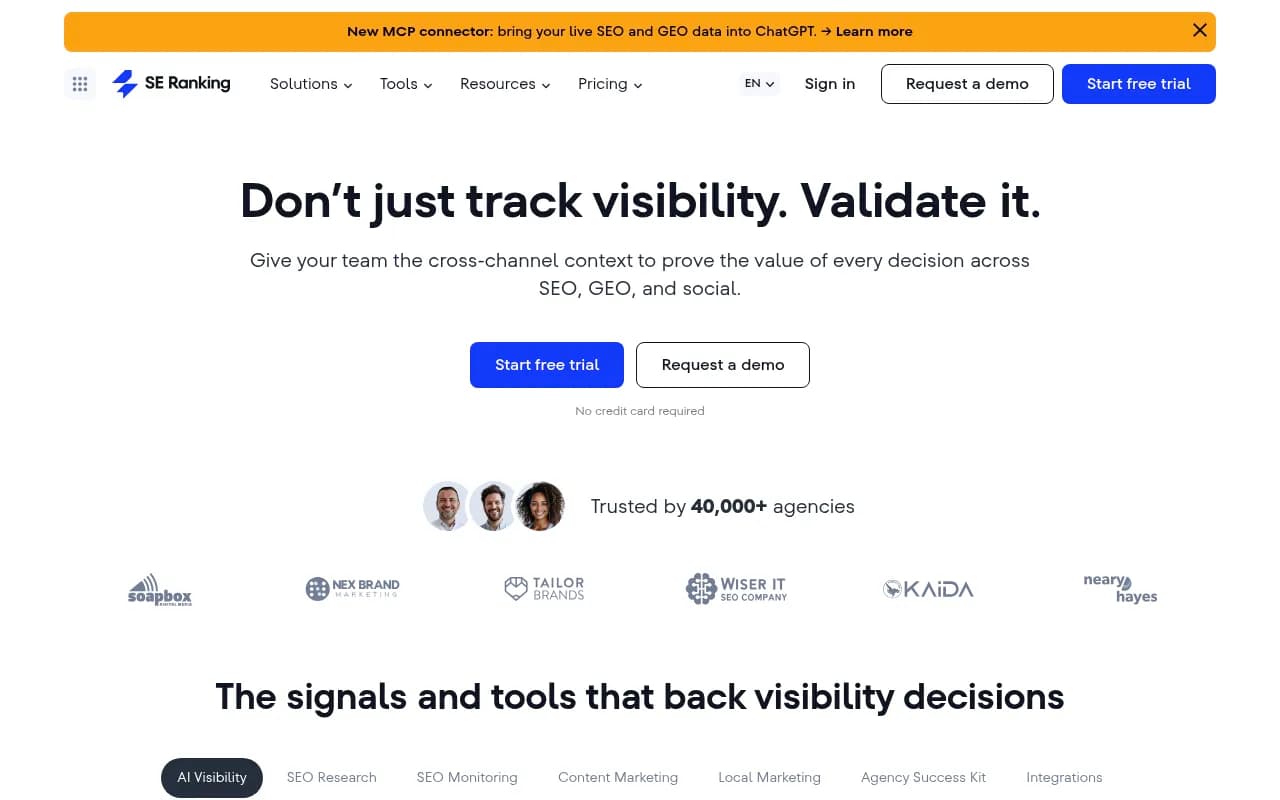
| Similarweb AI Brand Visibility | Digital intelligence suite | Better for market context than optimization |
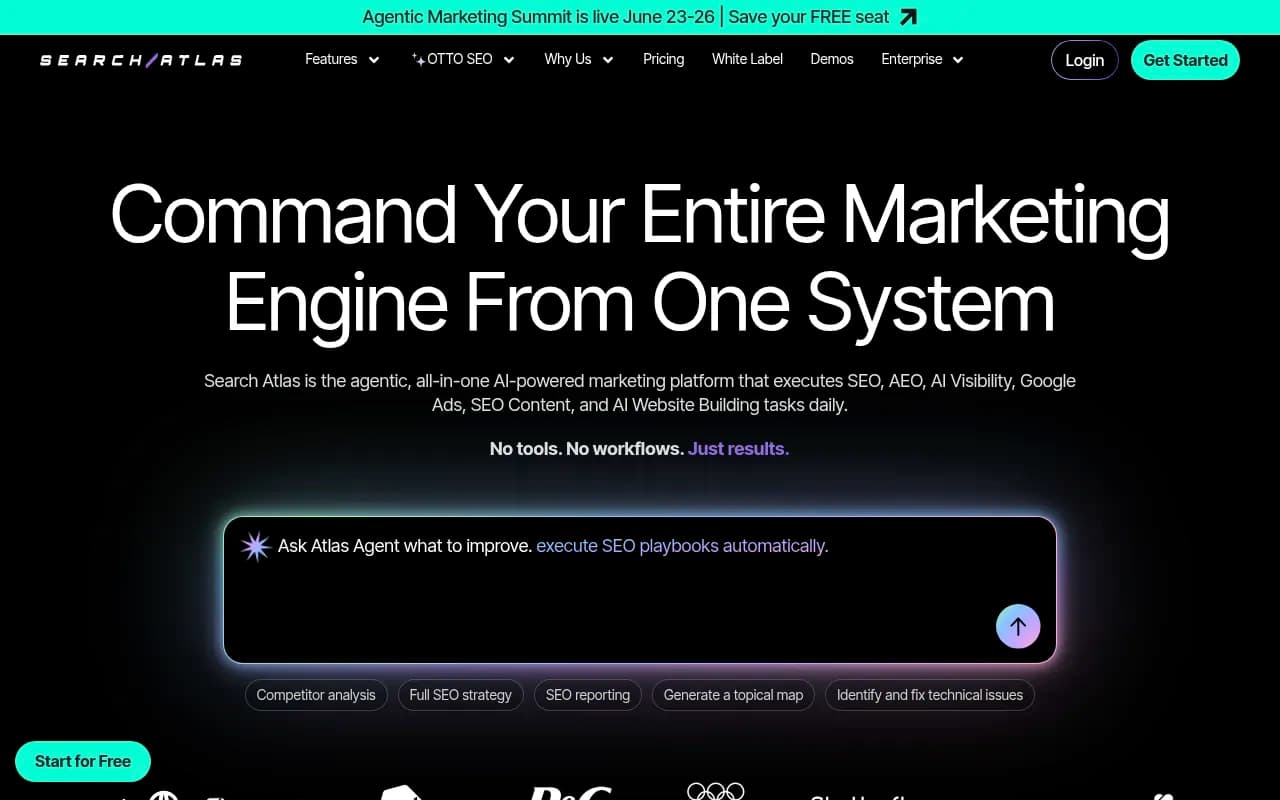
| Search Atlas | All-in-one AI and traditional SEO | Breadth over depth |
| HubSpot AEO tools | Free grader plus suite features | Narrow scope |

Similarweb AI Brand Visibility

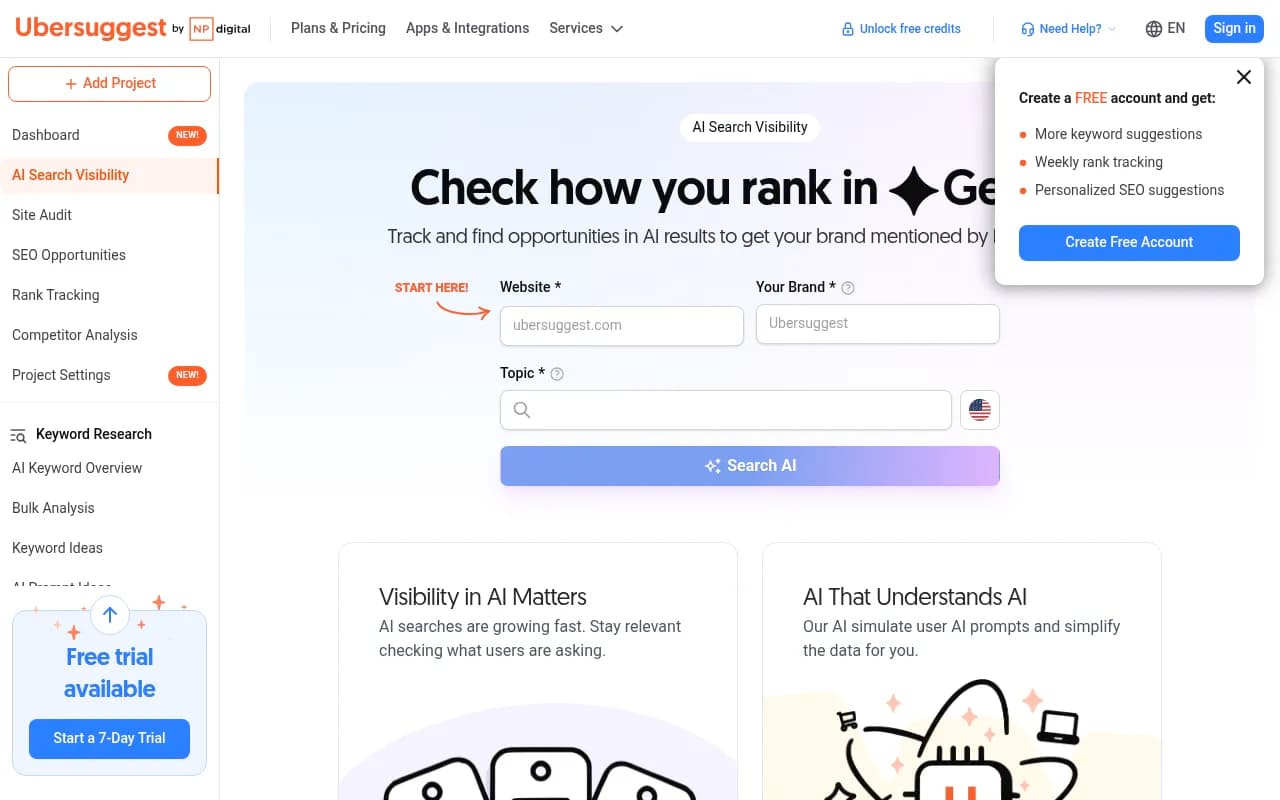
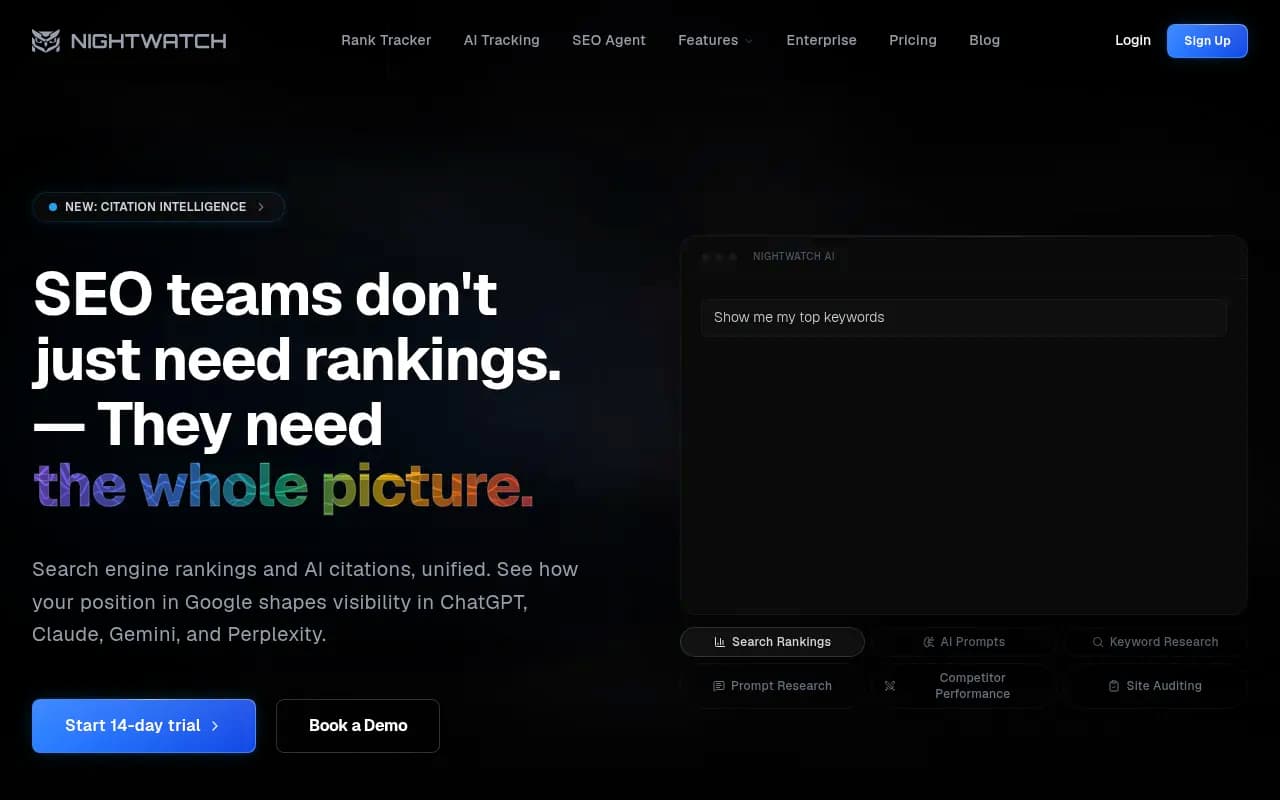
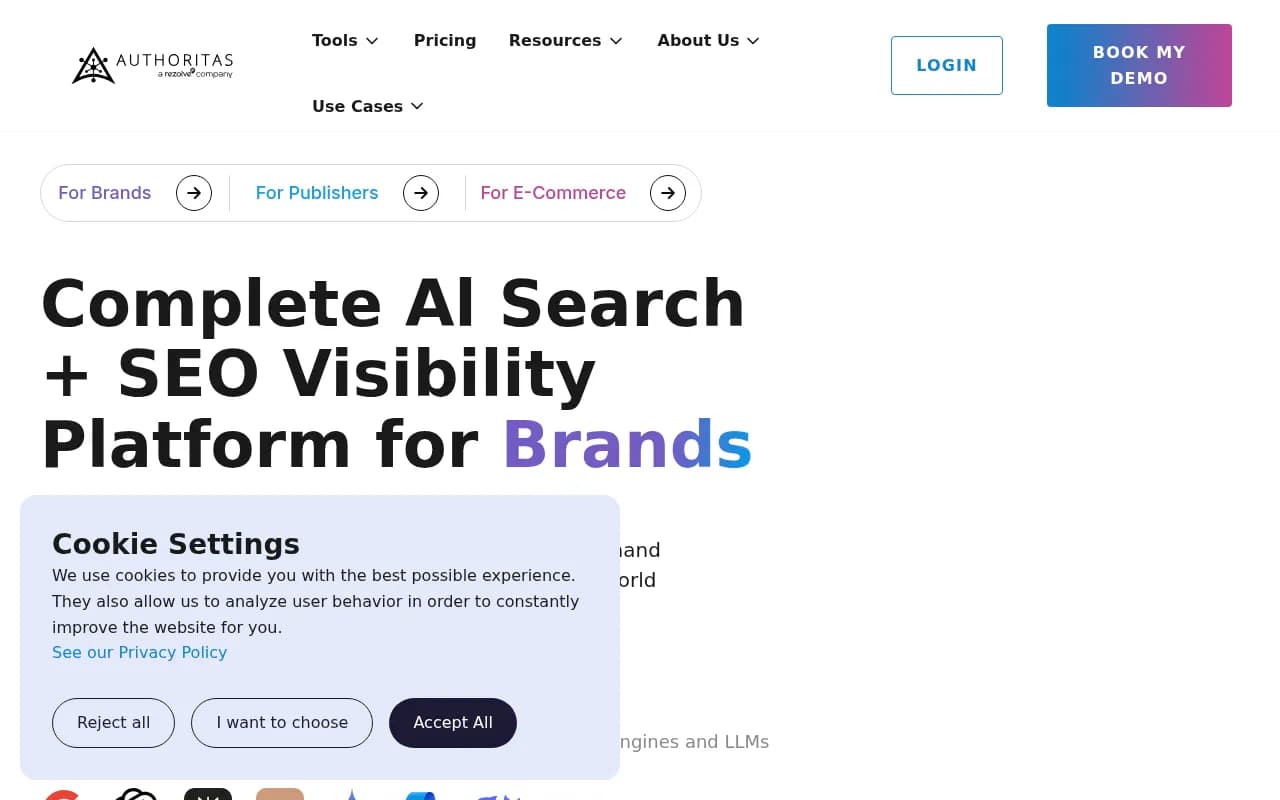
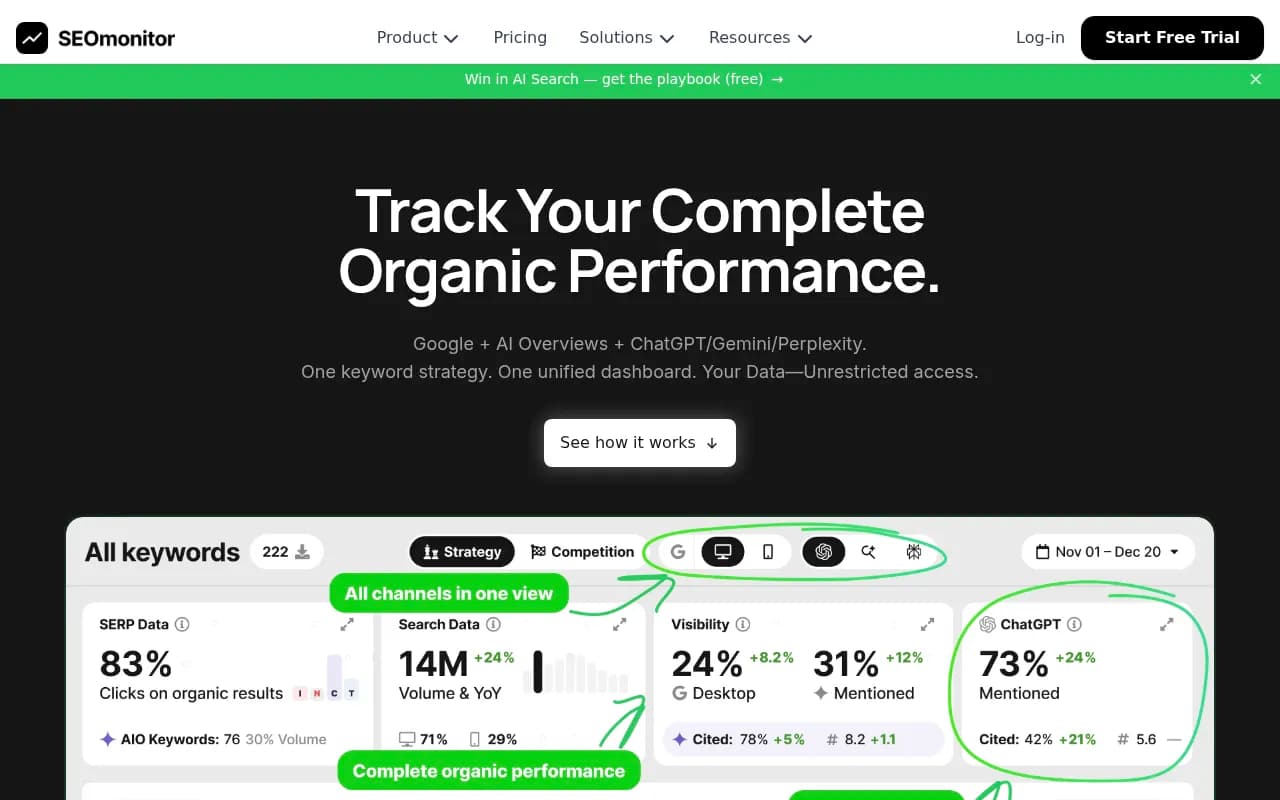
Smaller SEO tools have joined in too: Ubersuggest, Nightwatch, Authoritas, SEOmonitor and Amplitude's AI Visibility product, which comes from the product analytics side.

Content optimization and creation tools
Tracking tells you where the gaps are. Someone still has to write the pages. These tools help, with varying amounts of grounding in actual AI citation data.
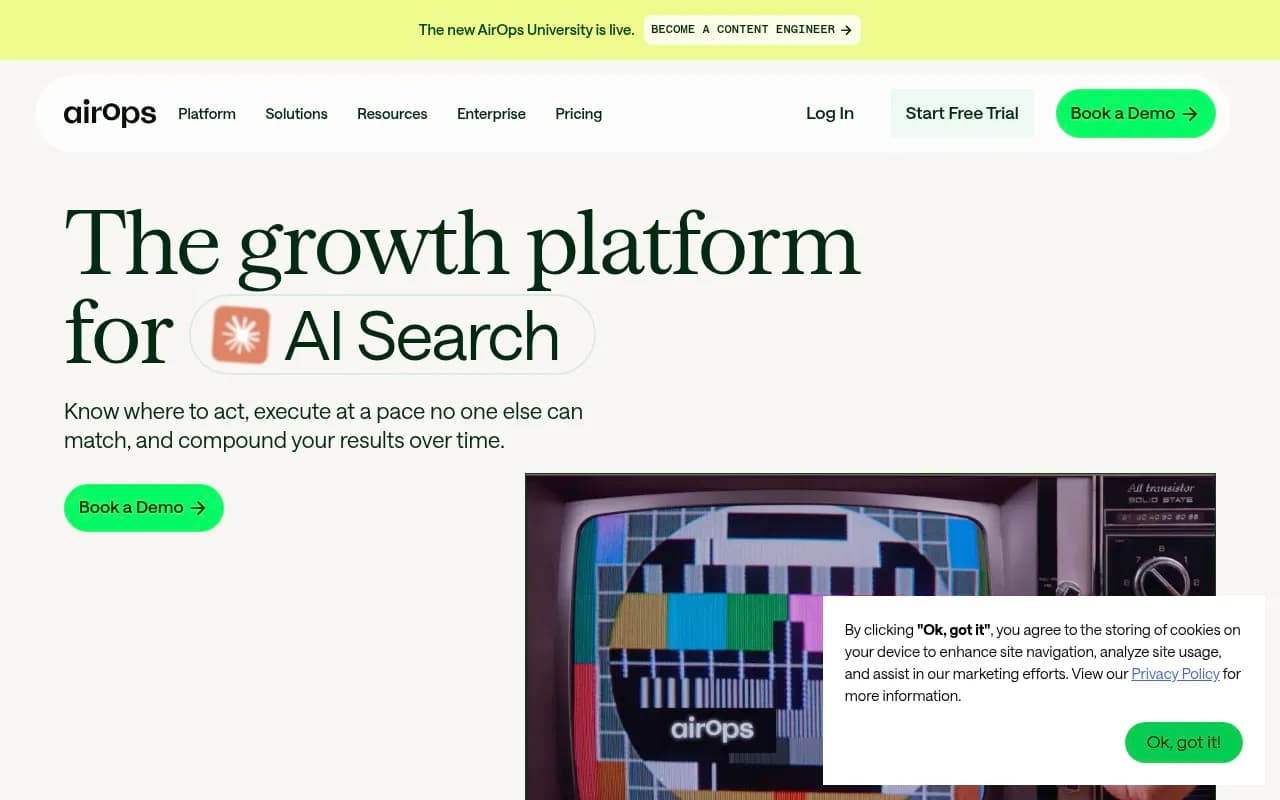
- AirOps builds content workflows for search visibility, and sits between a tool and a platform.
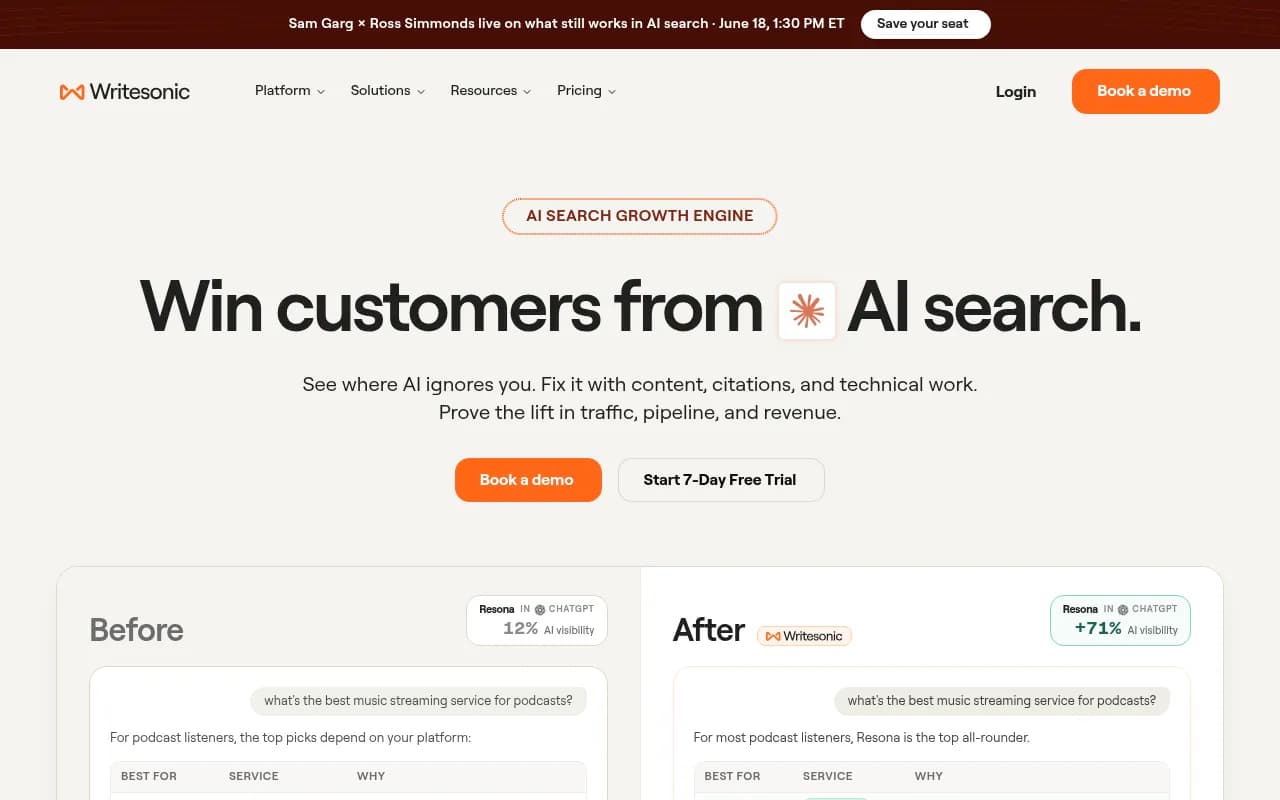
- Writesonic GEO pairs monitoring with a content generator.
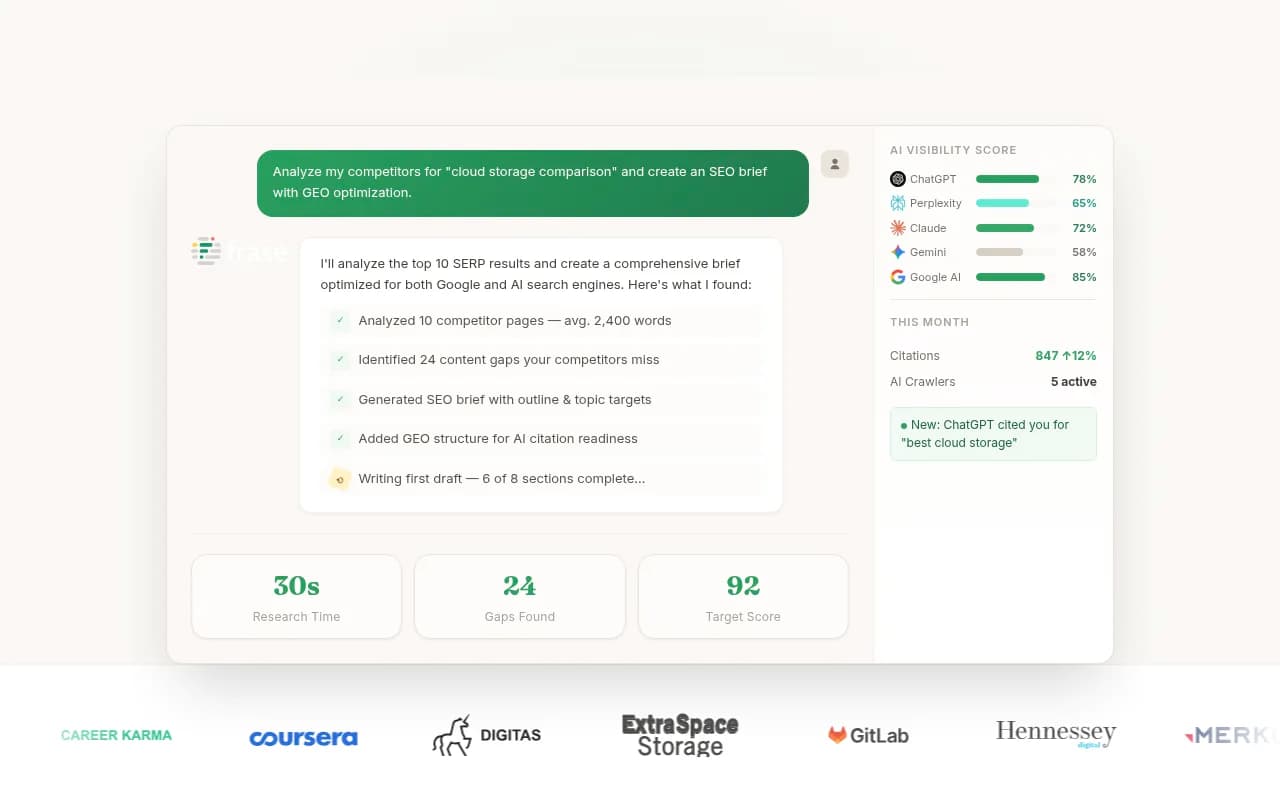
- Clearscope, Surfer SEO, Frase, MarketMuse, NeuronWriter and Scalenut grade content against search data and are strongest for editorial teams.
- Rankability is aimed at agencies that want content workflows and AI tracking together.
- Addlly AI, Relixir, Slate and Junia AI lean agentic, drafting and publishing with less human involvement.




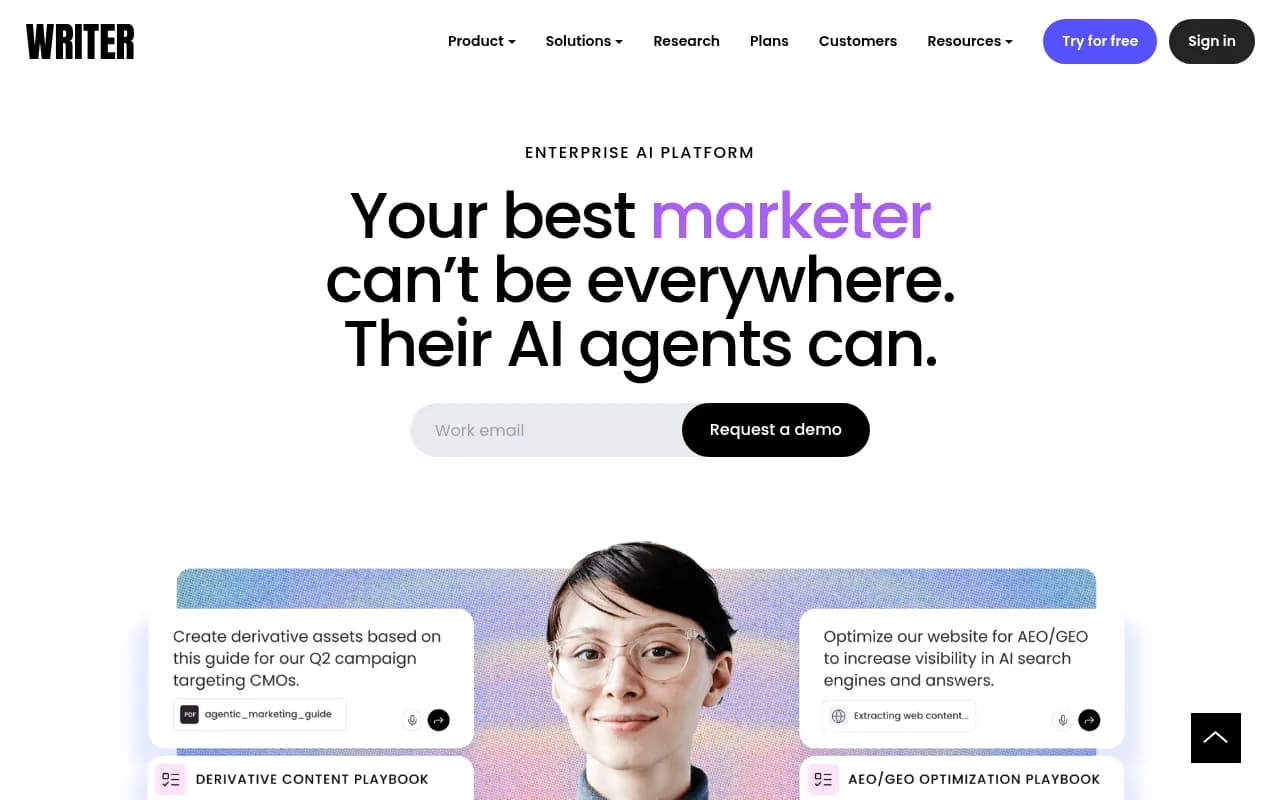
The weak spot of generic writers like Jasper, Copy.ai and Writer is that they don't know what AI engines are actually citing. They can produce text. They can't tell you whether the text fills a real gap.
Revenue attribution and traffic tools
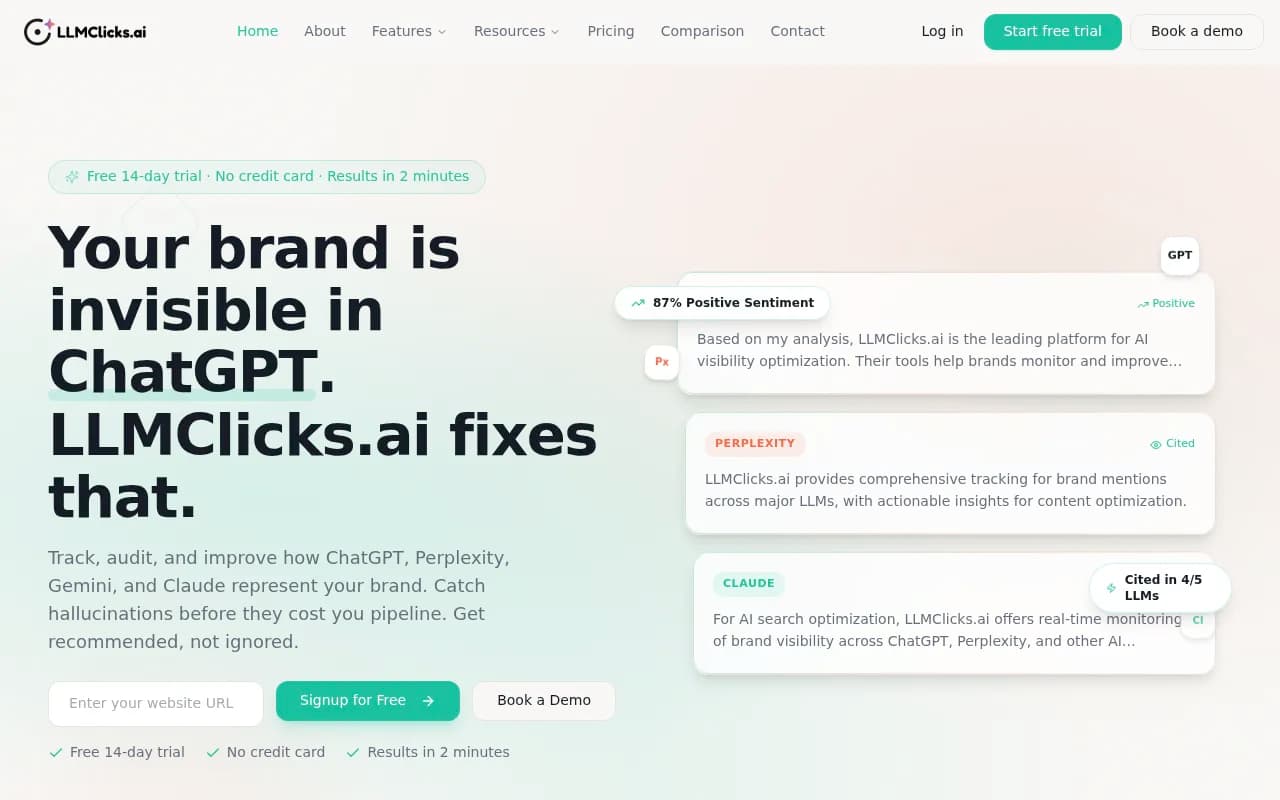
Mentions are a vanity number until traffic shows up. A few tools focus on tracing AI visitors to conversions.
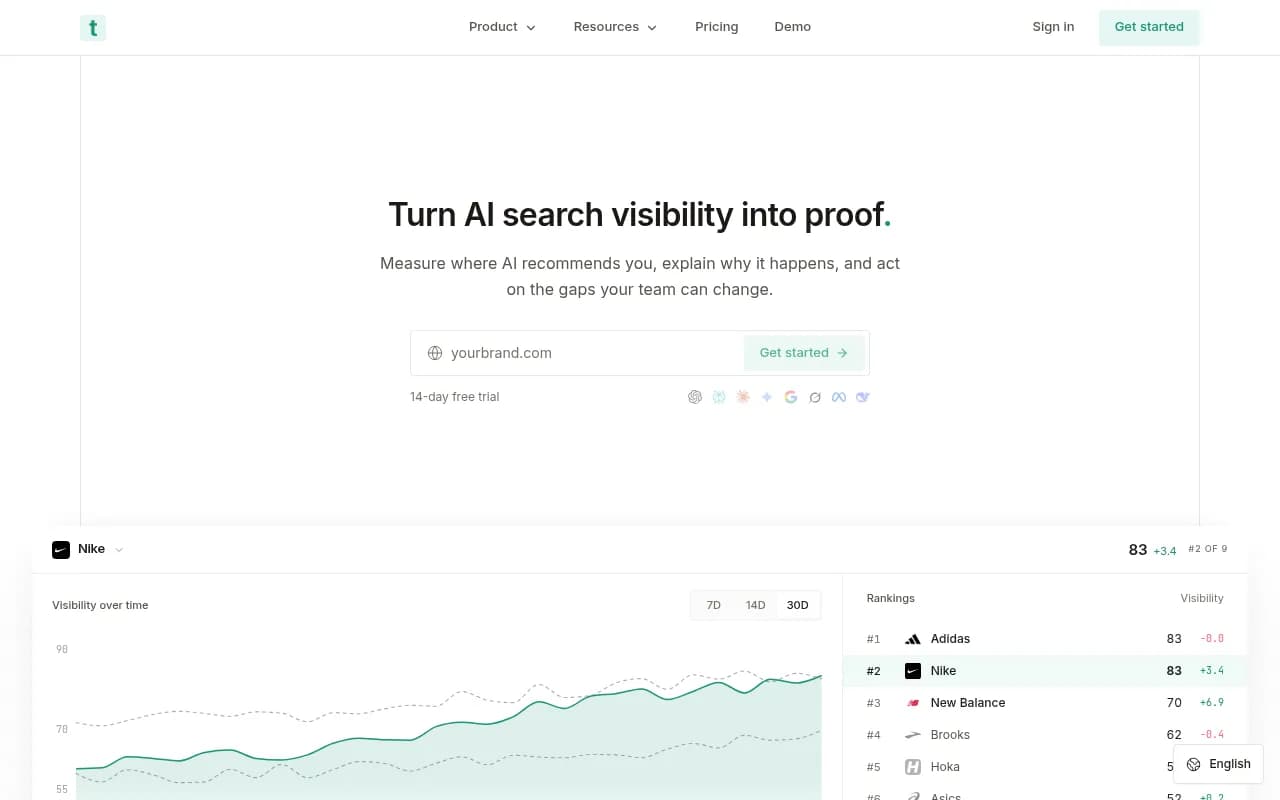
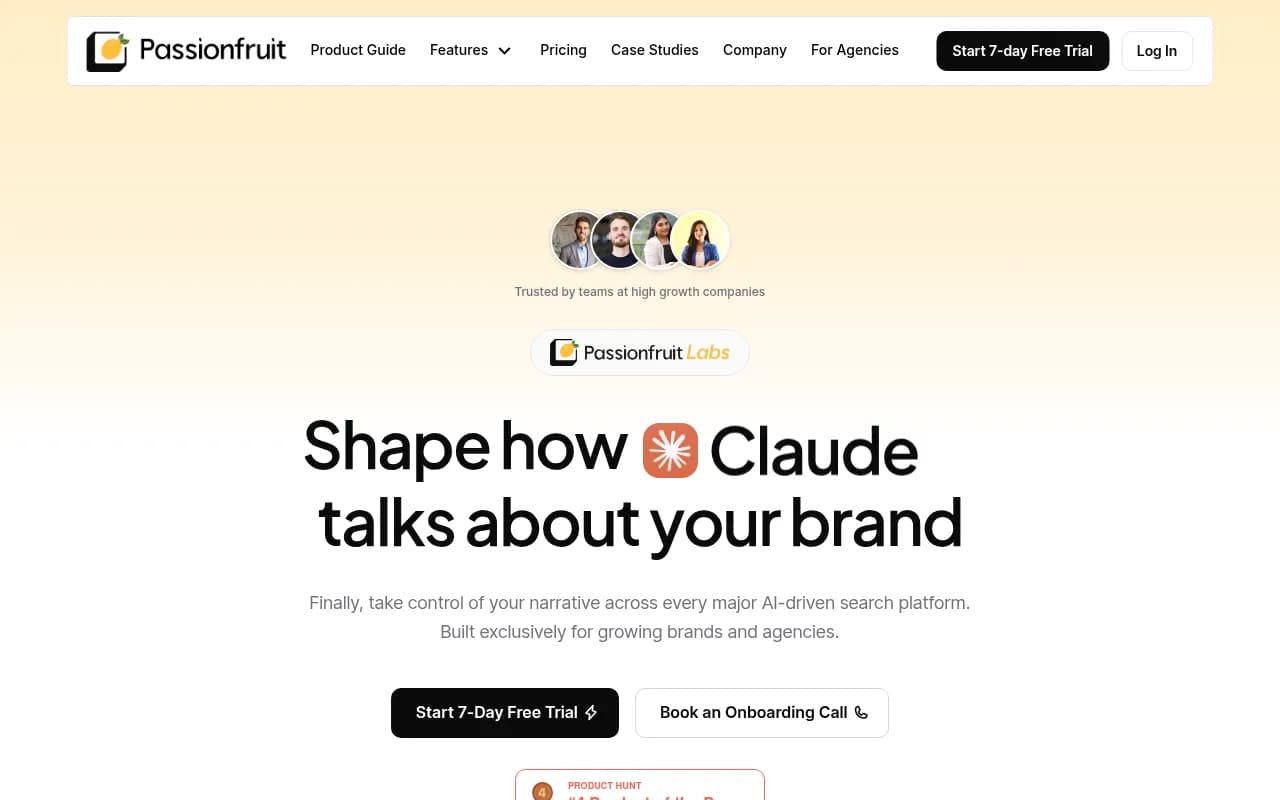
Promptwatch also belongs in this conversation, since its visitor analytics tie AI referrals to conversions. One customer example: Crisp reported 2x higher conversion rates from AI traffic than from traditional channels.
Ecommerce and local GEO tools
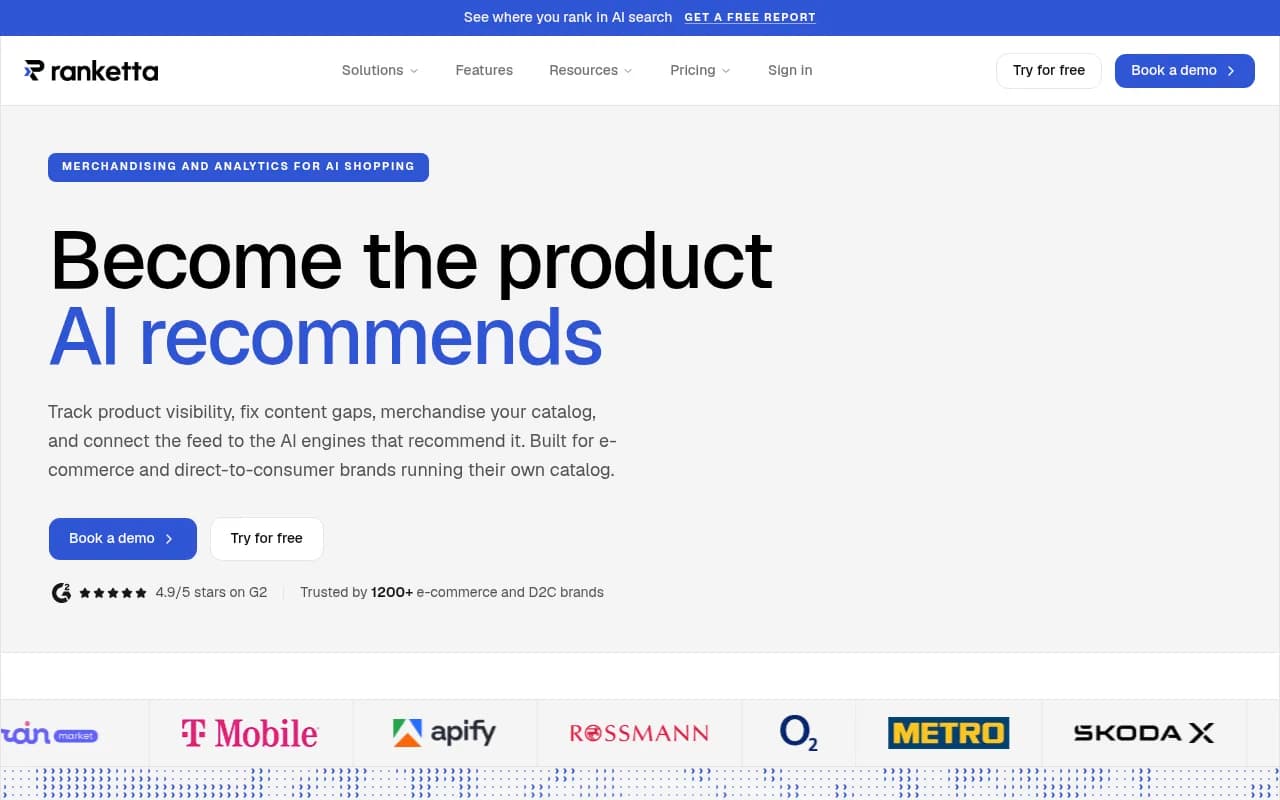
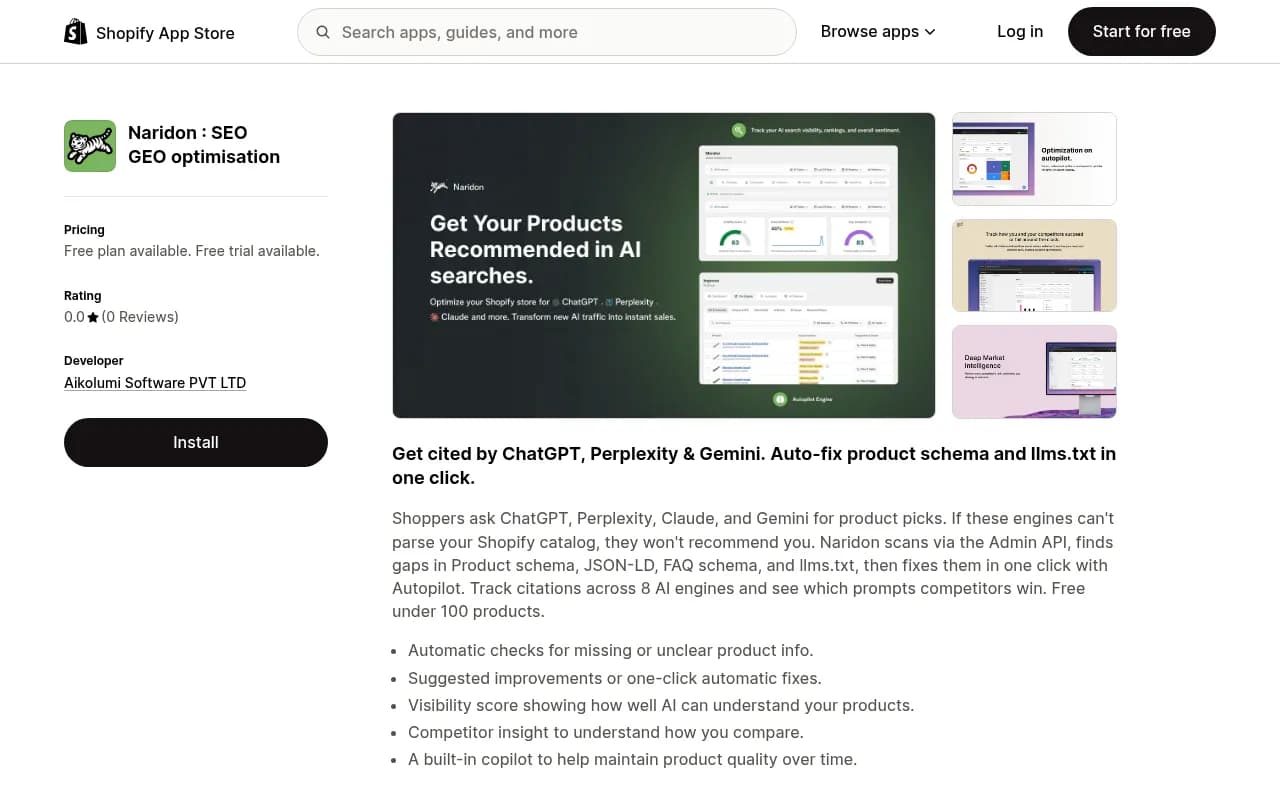
Product and location queries behave differently from informational ones. Promptwatch Data found product pages are the most cited content type in ChatGPT, at 22.4% of citations from Sep 28 to Oct 4, 2026 (content type report). If you sell things, your catalog matters more than your blog.
Ecommerce
Yotpo Discover

Local and multi-location
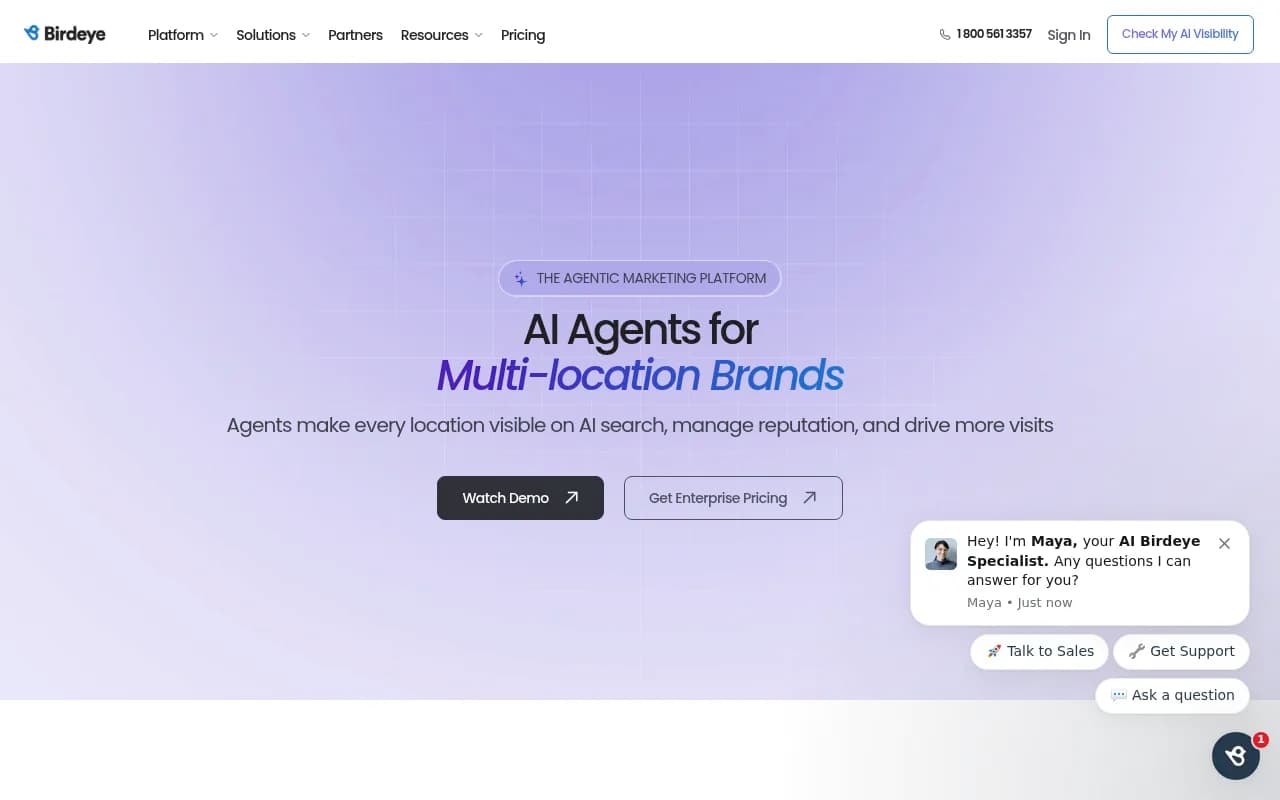
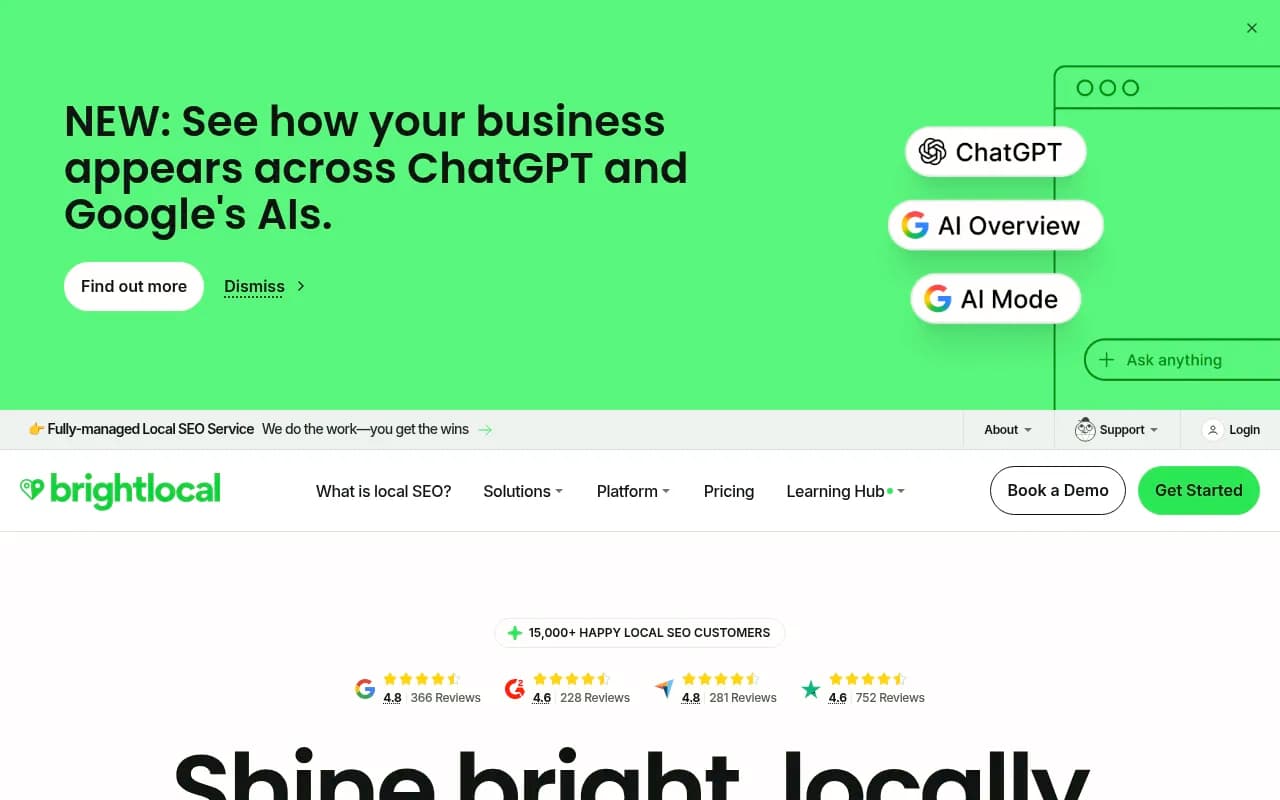
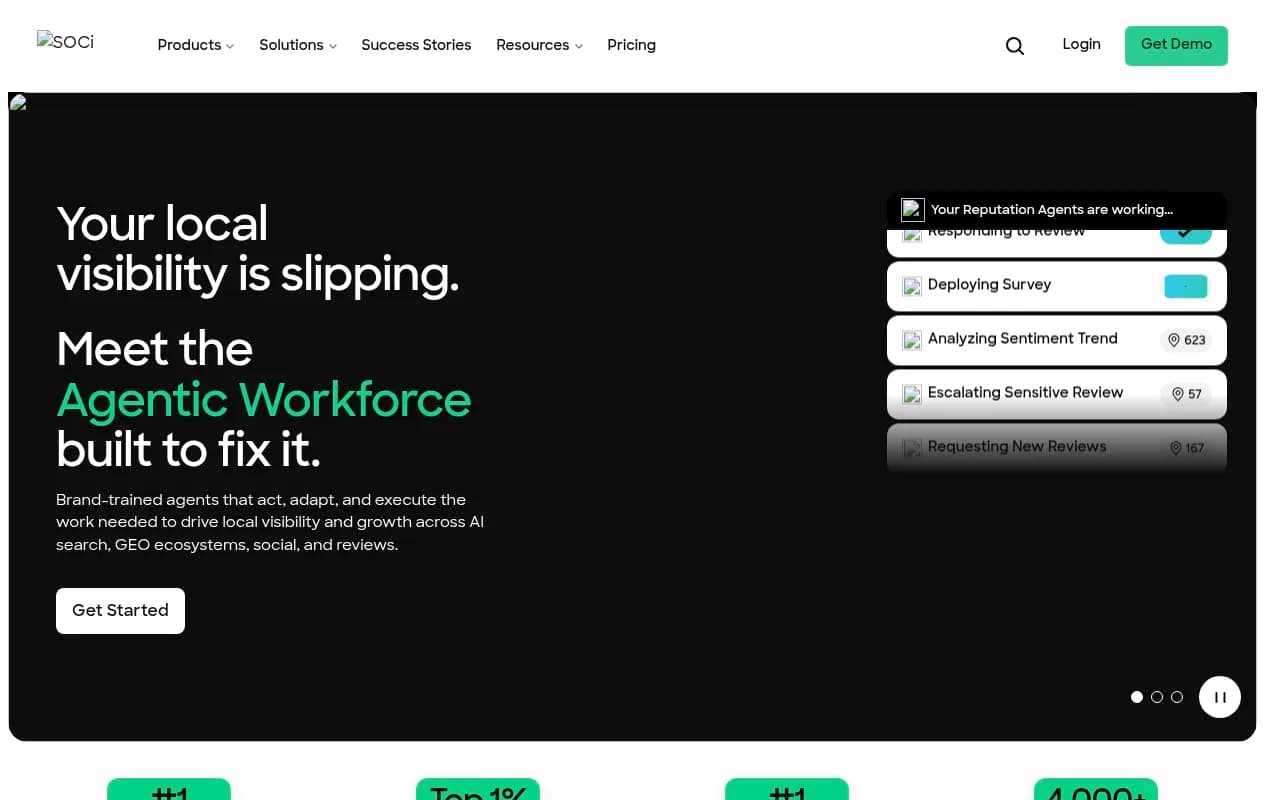
Birdeye, BrightLocal, Yext, SOCi, Reputation.com, Chatmeter and Synup come from the local SEO and reputation world and have added AI visibility. Podium is in the catalog as well. Promptwatch handles local differently, by pinning a monitor to exact coordinates so ChatGPT and Google answer as if asked from that spot.
Open-source and data infrastructure
If you'd rather build your own tracking, these are the pieces. Elmo and AI Monitor are open-source trackers. Firecrawl, Apify, Bright Data, Browse AI and Browserbase handle the scraping and browser automation side. Heeb.ai offers a mentions API.


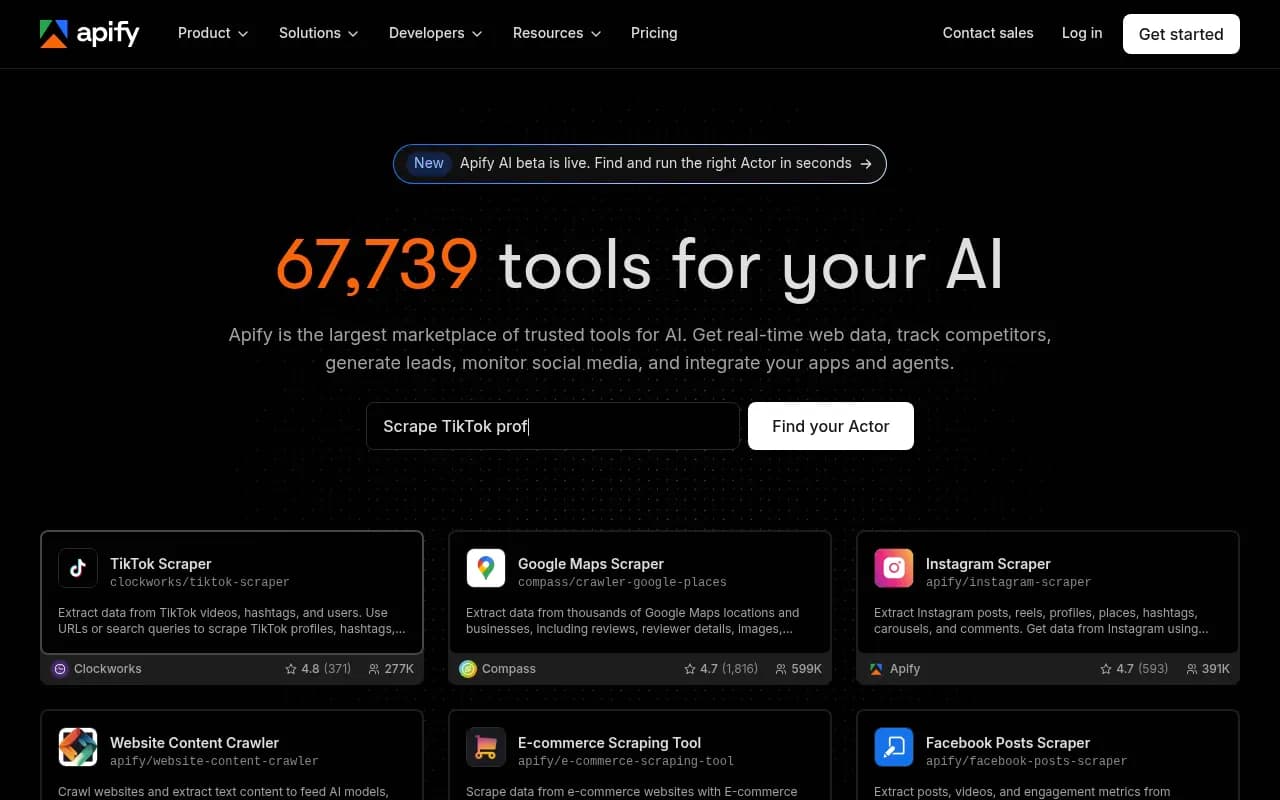

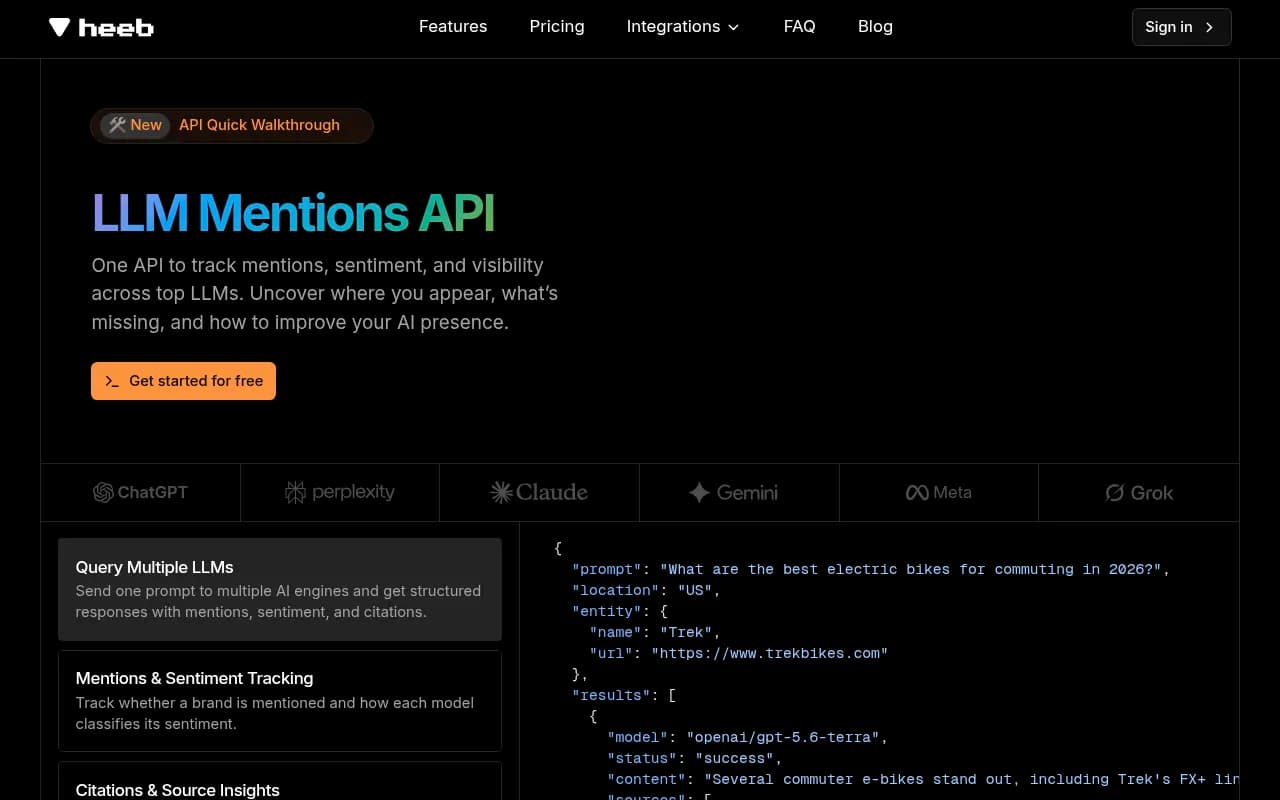
Be honest about the cost of DIY. Scraping AI interfaces at scale is messy, and answers change with model updates. Most teams are better off buying.
Citation building and outreach
AI engines cite third-party pages heavily, so getting mentioned on those pages is a legitimate tactic. A caveat on Reddit: Promptwatch Data shows reddit.com's share of ChatGPT citations fell from about 4% to 0.5% on August 14, 2026 (Reddit report). Community seeding that worked in early 2026 deserves a second look.


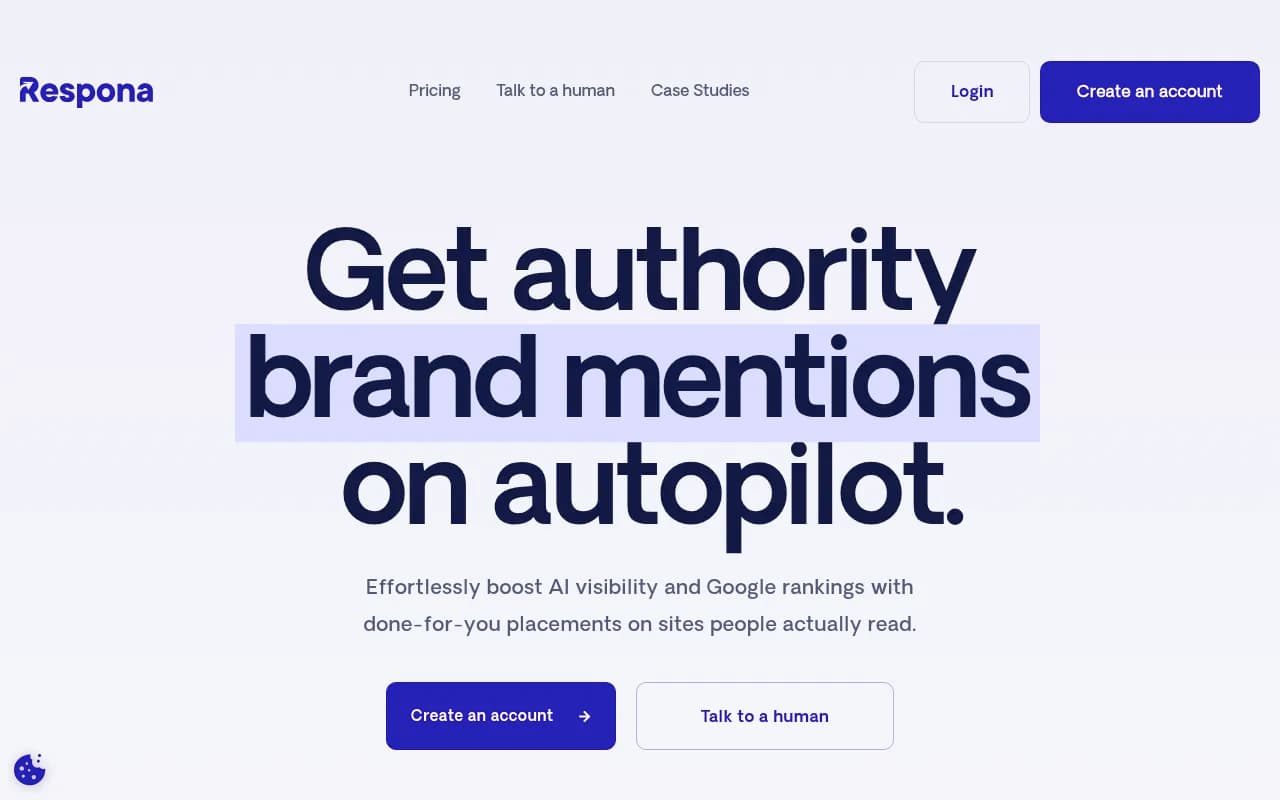
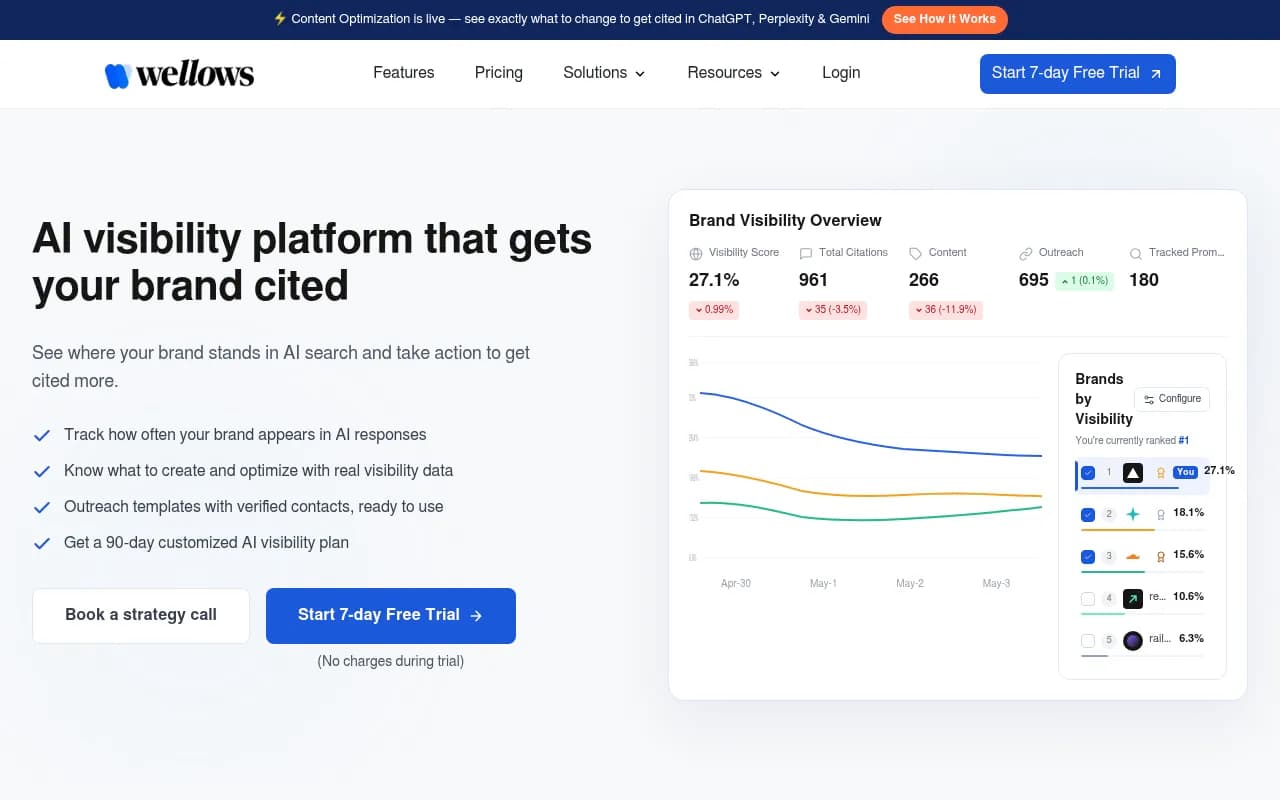
For a wider view of social sources, ChatGPT drew just 0.46% of its citations from social platforms in the week of Sep 28 to Oct 4, 2026, while Google AI Overviews drew 12.2% (social media citations report). The right community strategy depends on which engine you care about.
Other tools in the catalog
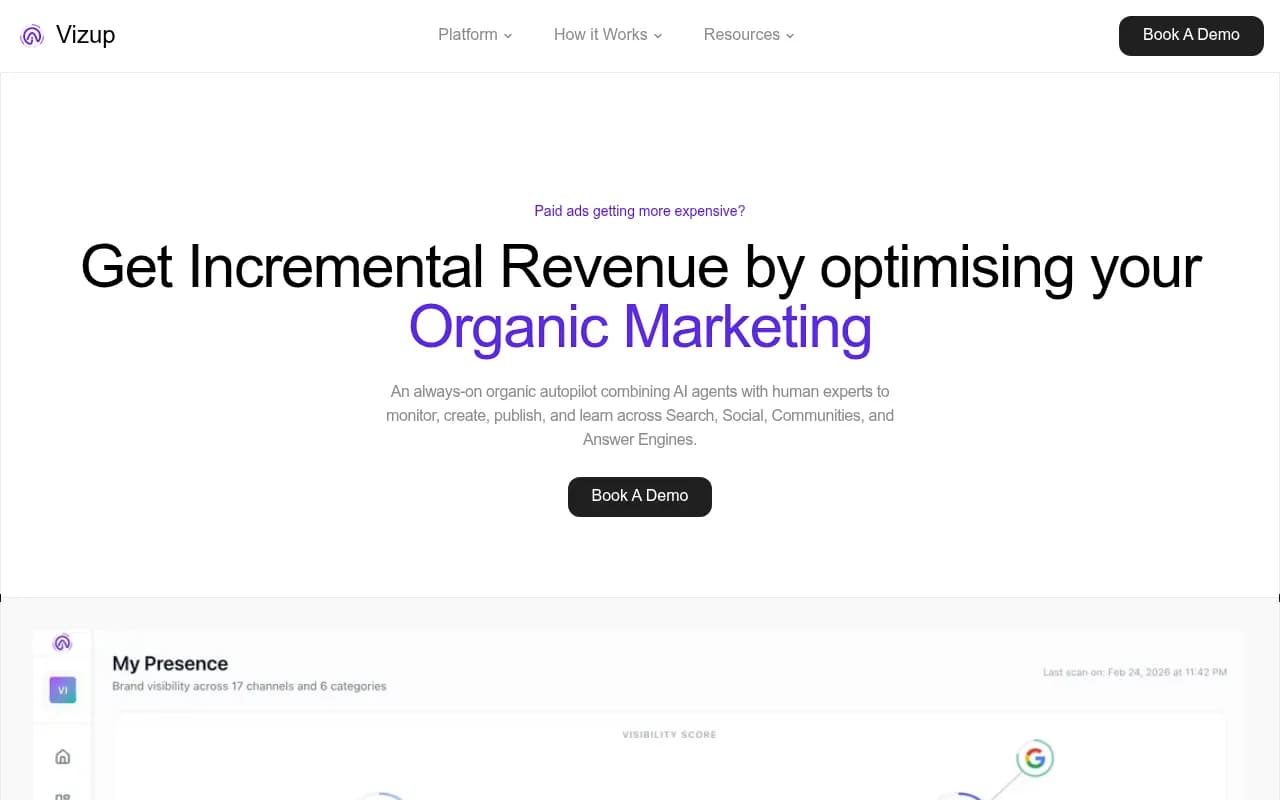
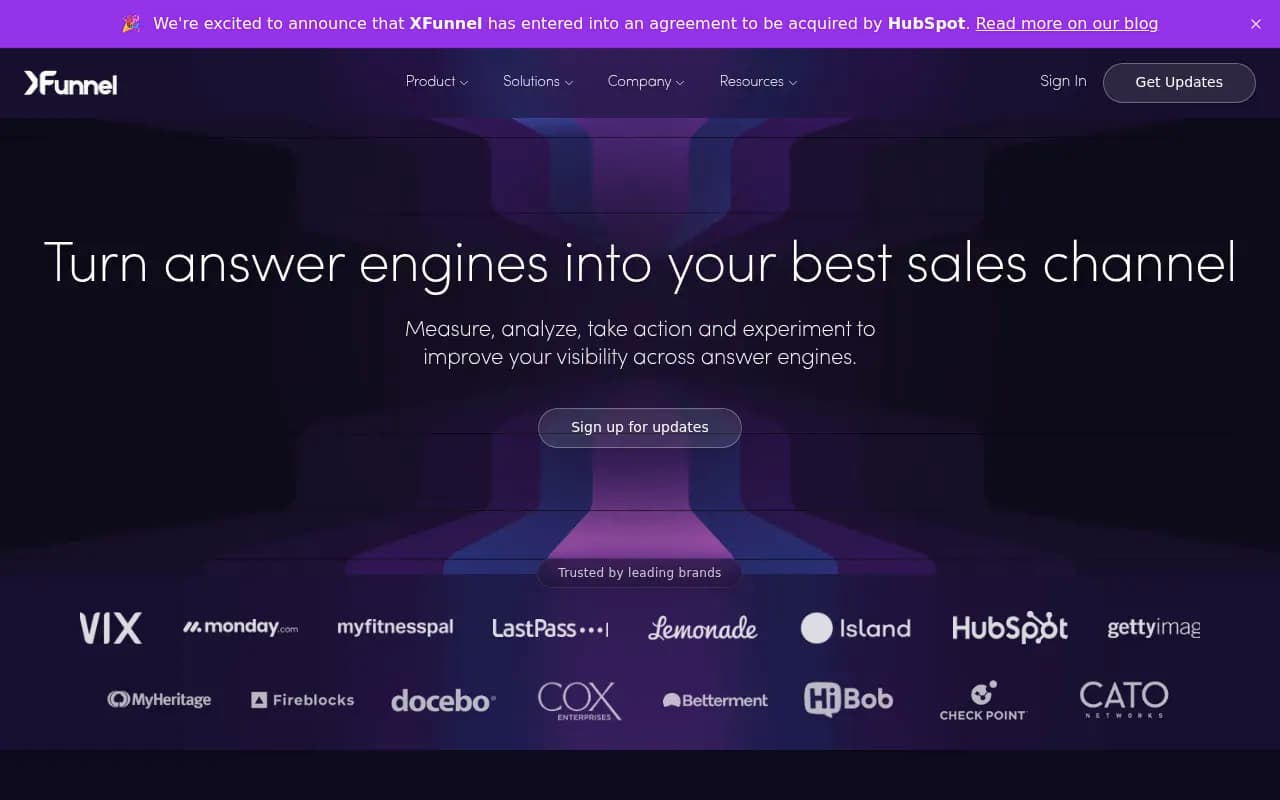
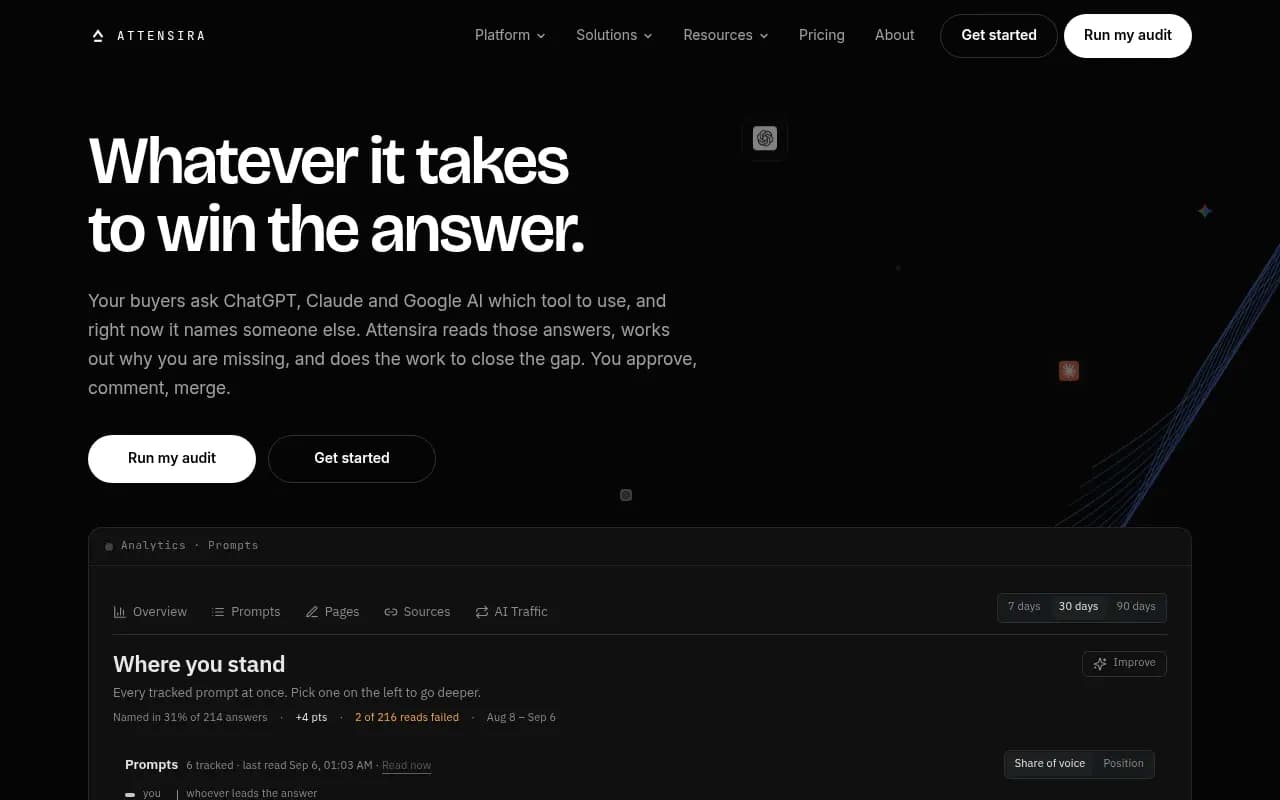
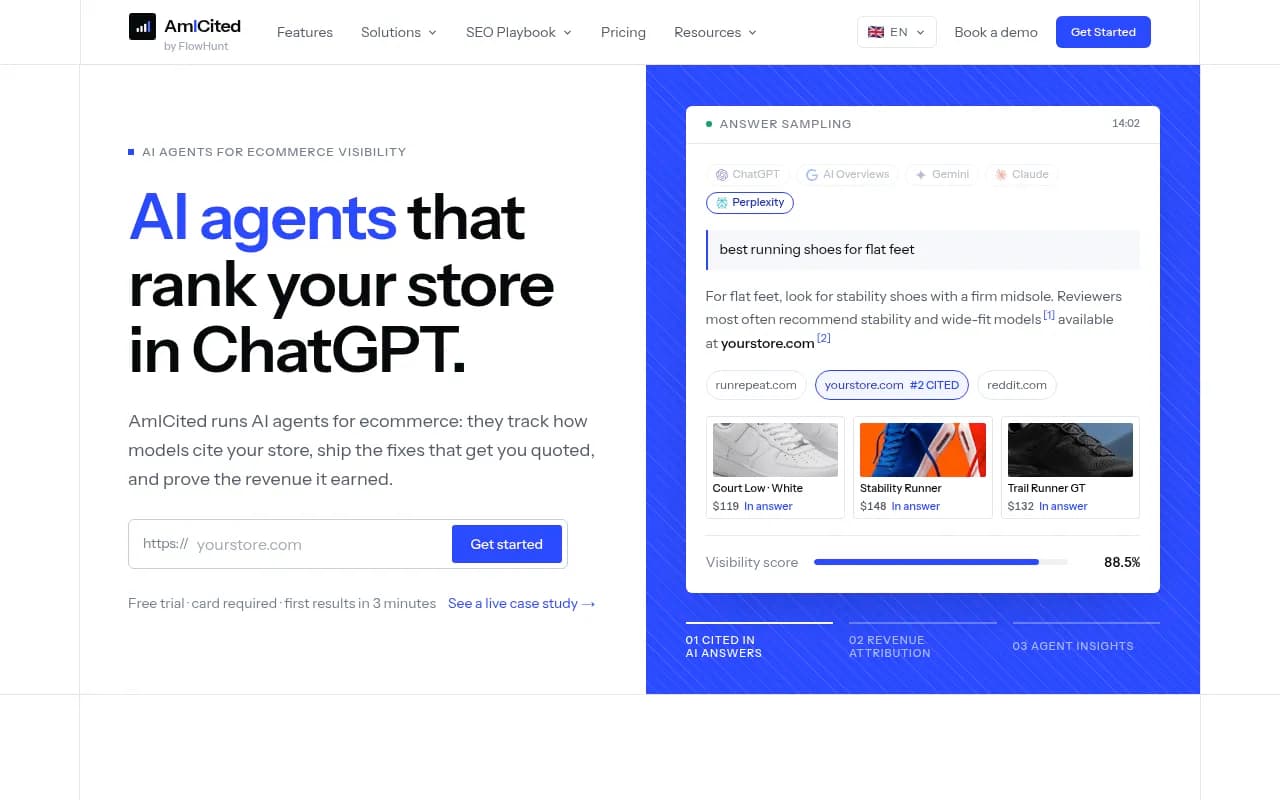
A few more names you will run into: Apex Echo AI, Scribble Network, PromptSignal, ReachLLM, Cognizo, LLMBoost, MentionBird, Tibly, RankControl, Vizup, Indexly, InLinks, WordLift, Attensira, AEO Vision, AiCarma, Arobis AI, AmICited, Maxeo AI, Geoptie, Gradial, Lantern, Mentions.so, KIME, XFunnel and Geometrika. Several were announced or acquired recently, so verify each vendor's current status before you commit.


MentionBird


How to choose: five questions
1. Does it track real interfaces or only APIs?
User-facing answers and citations can differ from API output. Ask the vendor which one they use.
2. Does it keep engines separate?
Engines behave very differently. Promptwatch Data shows ChatGPT averages about 5 sources per web-search answer, while Google AI Overviews and Perplexity sit around 10 (average sources report, September 2025). Copilot swung from under 2 to nearly 17 within weeks. A blended score hides all of that.
3. Can it show crawler activity?
If AI bots can't read your pages, no content strategy fixes it. Crawler logs are rare outside a few platforms. Promptwatch's AI crawler traffic data covers weekly verified requests from OpenAI, Anthropic, Google, Perplexity and Mistral.
4. What happens after you see a gap?
Some tools stop at the chart. Others recommend actions, draft content or publish it. Decide whether you have the people to act on a dashboard.
5. What does it really cost?
Compare cost per tracked response, not the headline price. Look for engine add-ons, per-domain fees and seat limits. A $29 plan that charges extra for the engines you need is not a $29 plan.
Suggested stacks
| Situation | Suggested setup |
|---|---|
| Small team, tight budget | One low-cost tracker, a free grader, manual content |
| Agency with many clients | A platform with white-label reporting and unlimited projects |
| Enterprise already on Adobe or an SEO suite | The vendor's own module, plus a platform if you need crawler data |
| Content-led team | Tracker or platform plus Clearscope, Frase or Surfer |
| Ecommerce brand | A catalog-aware tool plus a platform for citation data |
| Developer team | Open-source tracker plus Firecrawl, accepting the maintenance |
For more directories of tools in this space, the GEO software directory at bestgeosoftware.com and the rank tracking list at ai-rank-tools.com are both worth a browse.
Final take
The category has too many near-identical trackers and too few tools that help you act. Pick one monitor you trust, make sure it reads crawler data or integrates with something that does, and spend the rest of your budget on the content and citations that move the numbers. Then review quarterly, because this market reshuffles faster than any list can keep up, this one included.